Описание
Страна: Германия
Год: 1917
Варианты
- Hansa-Brandenburg - D.I/KD - 1916 - Германия
- Hansa-Brandenburg - KDD - 1916 - Германия
- Hansa-Brandenburg - KDW - 1916 - Германия
- Hansa-Brandenburg - W.11 - 1916 - Германия
- Hansa-Brandenburg - C.II / K - 1917 - Германия
- Hansa-Brandenburg - W.25 - 1917 - Германия
- Phonix - C.I - 1917 - Австро-Венгрия
- Phonix - D.I/D.II/D.III - 1917 - Австро-Венгрия
- Phonix - D.IV / 20.24 / 20.25 - 1918 - Австро-Венгрия
- R.Keimel Osterreichs Luftfahrzeuge (Weishaupt Verlag)
- C.Owers Hansa-Brandenburg Aircraft of WWI Vol.1: Landplanes (A Centennial Perspective on Great War Airplanes 17)
- M.Dusing German Aviation Industry in WWI. Volume 1 (A Centennial Perspective on Great War Airplanes 84)
- P.Grosz, G.Haddow, P.Shiemer Austro-Hungarian Army Aircraft of World War One (Flying Machines)
- E.Hauke, W.Schroeder, B.Totschinger Die Flugzeuge der k.u.k. Luftfahrtruppe und Seeflieger 1914-1918
-
R.Keimel - Osterreichs Luftfahrzeuge /Weishaupt Verlag/
Регистрационный номер: 66.51 [12] Hansa-Brandenburg C II, Sr. Nr.: 66.51
-

C.Owers - Hansa-Brandenburg Aircraft of WWI. Volume 1 - Landplanes /Centennial Perspective/ (17)
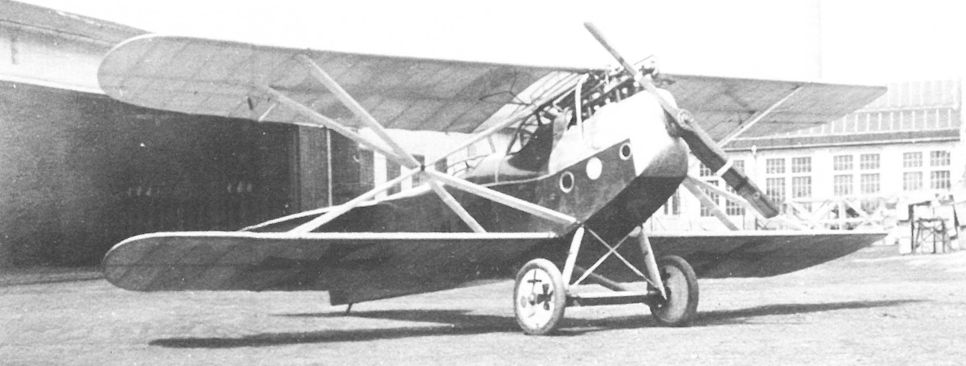
Регистрационный номер: 66.51 [12] The Type K/Brandenburg C.II 66.51 at Aspern during performance evaluation. The engine cowling has been scooped out to provide forward visibility for the pilot during landing.
-
P.Grosz, G.Haddow, P.Schiemer - Austro-Hungarian Army Aircraft of World War One /Flying Machines/
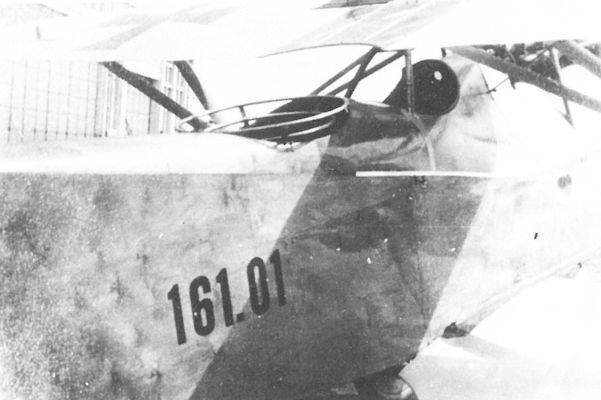
Регистрационный номер: 161.01 [2], 160.01 [2] Brandenburg C.II(U) 161.01, powered by a 200 hp Hiero engine, at the UFAG factory in Albertfalva in April 1917. To avoid confusion with the UFAG C.I 161.01 prototype, the number was later changed to 160.01.
-

C.Owers - Hansa-Brandenburg Aircraft of WWI. Volume 1 - Landplanes /Centennial Perspective/ (17)
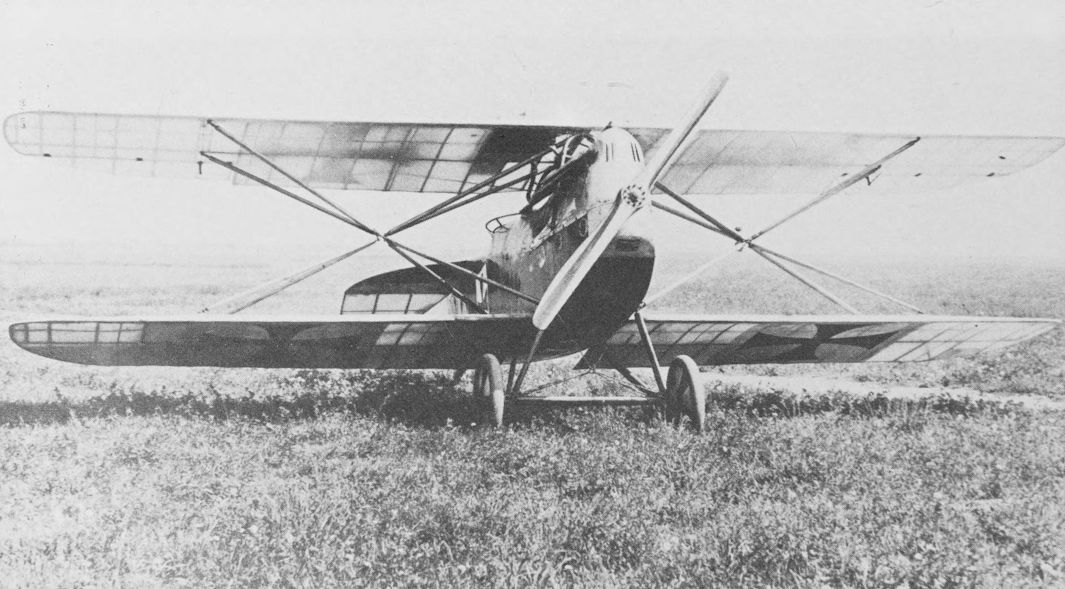
Регистрационный номер: 66.51 [12] Brandenburg C.II 66.51. According to Brandenburg, the wing cellule was identical with that of the CC flying boat. The deep fuselage design was put to good use in the Brandenburg W 12 seaplane.
The C.II was a typical Brandenburg structure with deep ply covered fuselage. The pilot's position under the upper wing gave him poor visibility and lack of egress in the event of a bad landing. -

E.Hauke, W.Schroeder, B.Totschinger - Die Flugzeuge der k.u.k. Luftfahrtruppe und Seeflieger 1914-1918
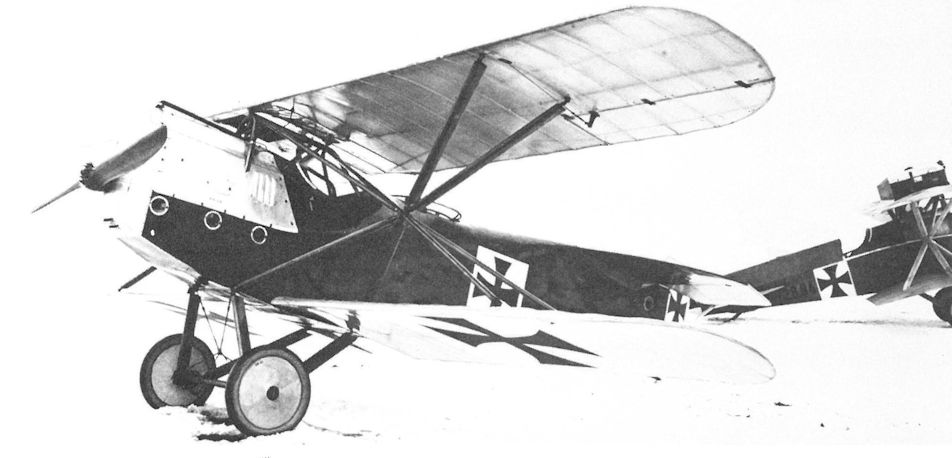
Регистрационный номер: 66.51 [12] Brandenburg K, Flugzeugnummer 66.51
-
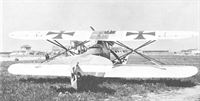
P.Grosz, G.Haddow, P.Schiemer - Austro-Hungarian Army Aircraft of World War One /Flying Machines/
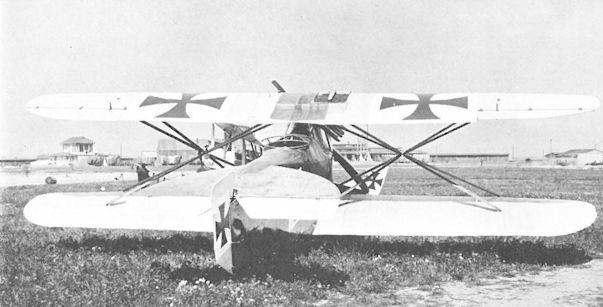
Регистрационный номер: 66.51 [12] Brandenburg C.II 66.51. The low rudder and high fuselage provided the rear gunner with an unobstructed field of fire. The center section above the pilot’s cockpit was covered with transparent Cellon.
-
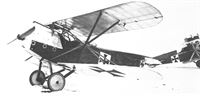
P.Grosz, G.Haddow, P.Schiemer - Austro-Hungarian Army Aircraft of World War One /Flying Machines/
Регистрационный номер: 66.51 [12] The Brandenburg C.II 66.51 (Type K), powered by a 160 hp Daimler engine, at Aspern in January 1917. As in the 60.57, the pilot had no easy egress in the event of a crash.
-

M.Dusing - German Aviation Industry in WWI. Volume 1 /Centennial Perspective/ (84)
Brandenburg K (Austrian C.II) (1916)
-

-
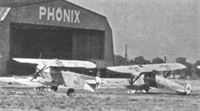
C.Owers - Hansa-Brandenburg Aircraft of WWI. Volume 1 - Landplanes /Centennial Perspective/ (17)
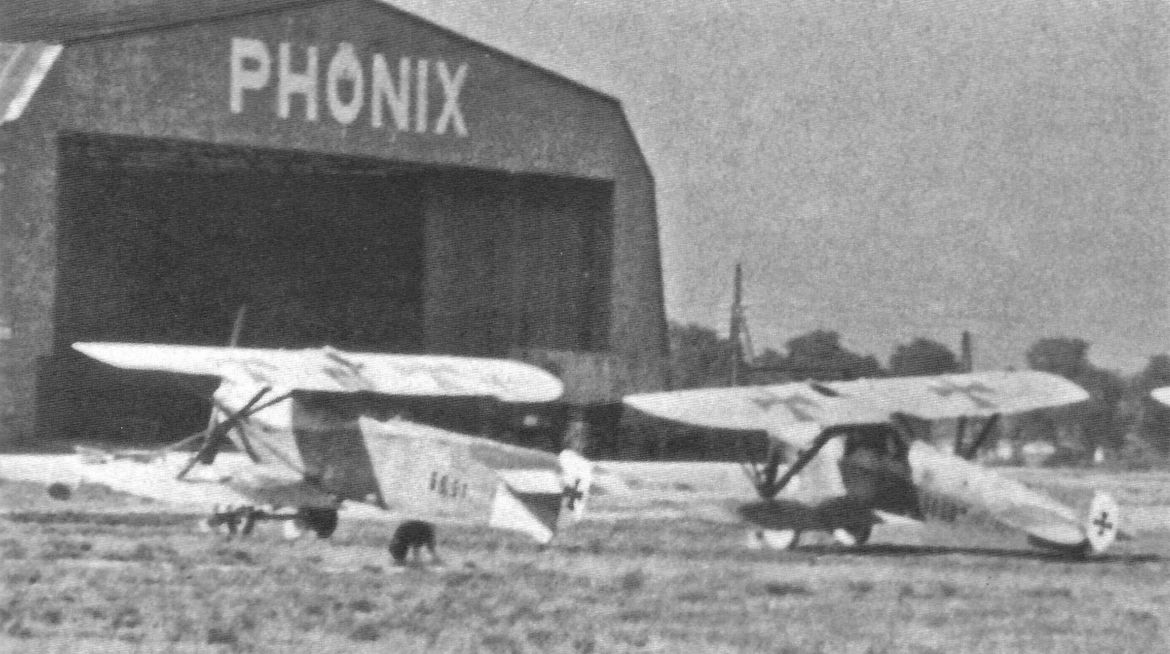
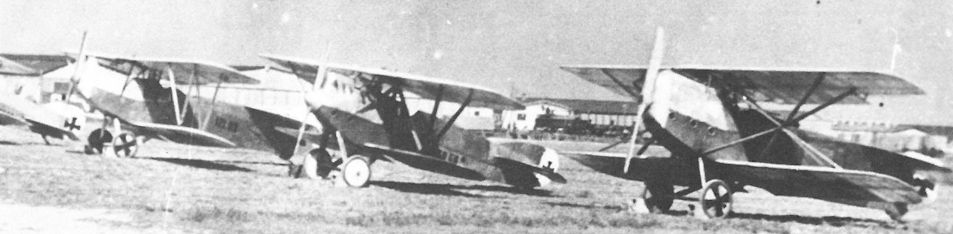
Регистрационный номер: 66.51 [12] Brandenburg C.II 66.51 on the Phonix airfield with Phonix fighter prototype 60.58, the L 14.
Другие самолёты на фотографии: Hansa-Brandenburg L 14 - Германия - 1917
-
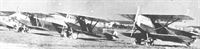
P.Grosz, G.Haddow, P.Schiemer - Austro-Hungarian Army Aircraft of World War One /Flying Machines/
Регистрационный номер: 66.51 [12] The modified Brandenburg L 14, designated 60.58, at Aspern for evaluation in the summer of 1917. On the left is the the Phonix C.I 121.03 and on the right the Brandenburg C.II 66.51.
Другие самолёты на фотографии: Hansa-Brandenburg L 14 - Германия - 1917Phonix C.I - Австро-Венгрия - 1917
-

C.Owers - Hansa-Brandenburg Aircraft of WWI. Volume 1 - Landplanes /Centennial Perspective/ (17)
Регистрационный номер: 66.51 [12] Detail views of Brandenburg C.II 66.51 showing tail details.
-

C.Owers - Hansa-Brandenburg Aircraft of WWI. Volume 1 - Landplanes /Centennial Perspective/ (17)
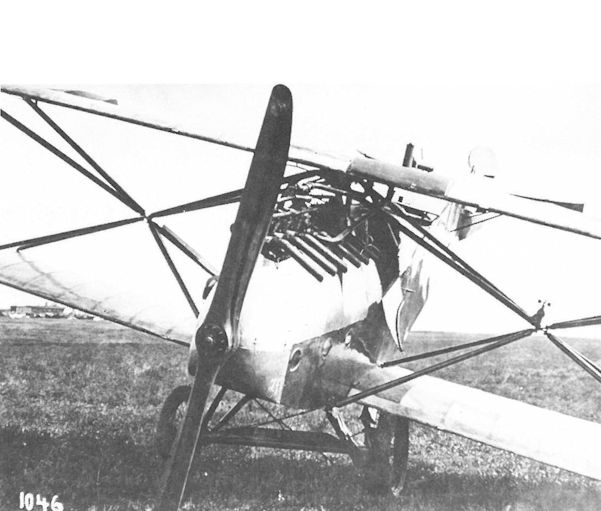
Регистрационный номер: 66.51 [12] This view of Brandenburg C.II 66.51 shows engine details and the cellon windows in the center section of the upper wing.
-
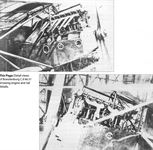
C.Owers - Hansa-Brandenburg Aircraft of WWI. Volume 1 - Landplanes /Centennial Perspective/ (17)
Регистрационный номер: 66.51 [12] Detail views of Brandenburg C.II 66.51 showing engine details.
-

C.Owers - Hansa-Brandenburg Aircraft of WWI. Volume 1 - Landplanes /Centennial Perspective/ (17)
The pilot's location provided no upward view and Cellon windows were inserted into the center section; however, the location of the radiator blocked part on the starboard side.
-
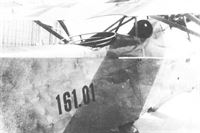
P.Grosz, G.Haddow, P.Schiemer - Austro-Hungarian Army Aircraft of World War One /Flying Machines/
Регистрационный номер: 161.01 [2], 160.01 [2] Brandenburg C.II(U) 161.01 (later 160.01). The inaccessible cockpit location, which made a quick exit difficult in an emergency, explains why pilots had such an aversion to the aircraft. The center section is covered with transparent Cellon.
-
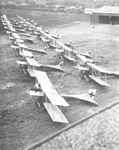
P.Grosz, G.Haddow, P.Schiemer - Austro-Hungarian Army Aircraft of World War One /Flying Machines/
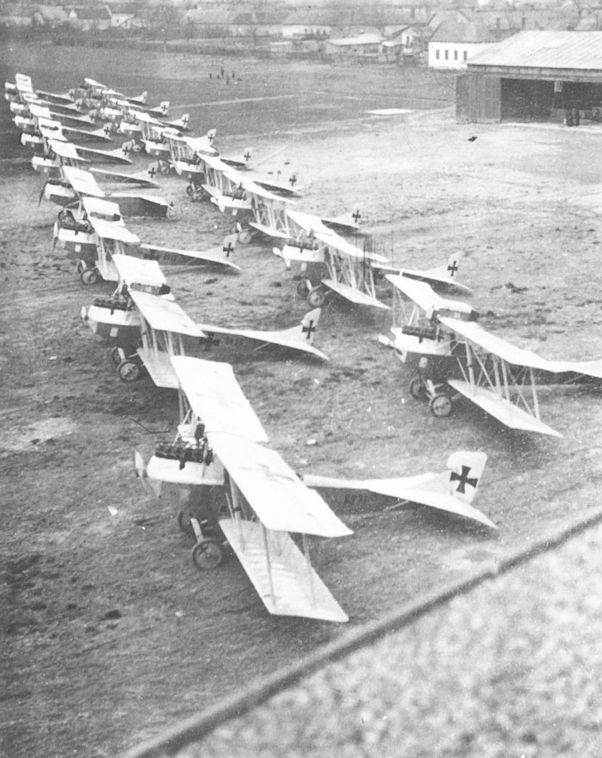
Seventeen Brandenburg C.I(U) biplanes (left front: 69.71 and 69.35) and one Brandenburg C.II(U) lined up for flight acceptance at the UFAG airfield in Albertfalva, April 1917.
Другие самолёты на фотографии: Hansa-Brandenburg C.I - Германия - 1915
-
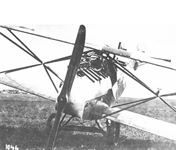
P.Grosz, G.Haddow, P.Schiemer - Austro-Hungarian Army Aircraft of World War One /Flying Machines/
Регистрационный номер: 66.81 The Brandenburg C.II 66.81, powered by a 200 hp Hiero engine, damaged in a minor landing accident at Aspern. The side hatch to the pilot's cockpit is open. This prototype was fitted with a rounded rudder.
-

C.Owers - Hansa-Brandenburg Aircraft of WWI. Volume 1 - Landplanes /Centennial Perspective/ (17)
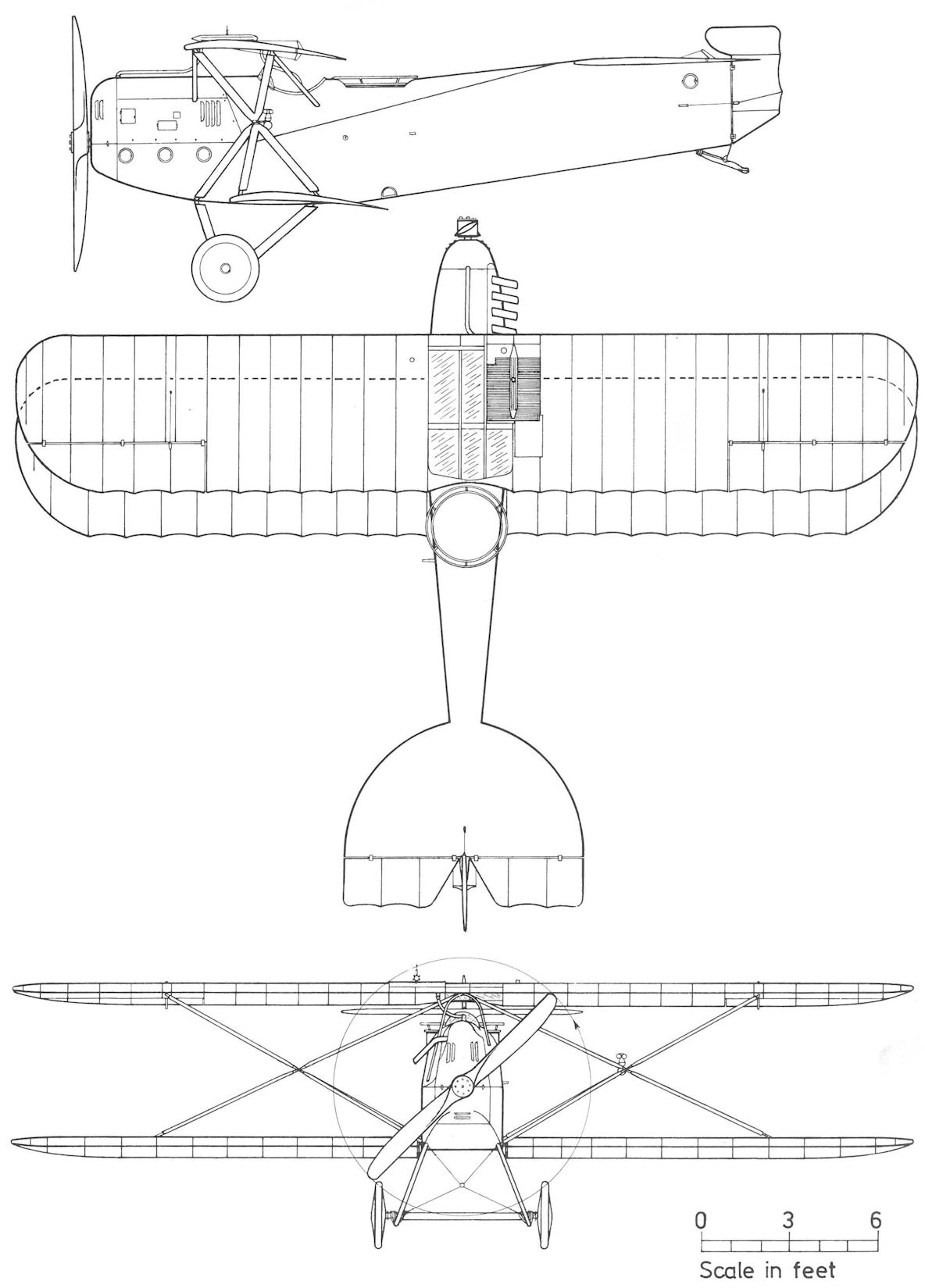
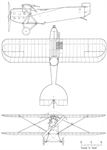
Brandenburg Type K Factory Drawing
-

-
P.Grosz, G.Haddow, P.Schiemer - Austro-Hungarian Army Aircraft of World War One /Flying Machines/
Регистрационный номер: 66.51 [12] Brandenburg C.II 66.51
R.Keimel Osterreichs Luftfahrzeuge (Weishaupt Verlag)
Hansa-Brandenburg C II 1916
Инженер Эрнст Хейнкель разработал в 1916 году на базе боевого биплана KD разведчик KDD с большим размахом крыла, а на его базе в том же году - разведчик K с паукообразными стойками и несколько уменьшенной площадью крыла.
Производитель: Разработан на Hansa- und Brandenburgische Flugzeugwerke GmbH., Бризест, Германия.
Назначение: Разведчик.
Построен: 1916
Первый полёт: 1916
Бортовой номер: Сер. № 66.5
Экипаж: 2
Двигатель: 1 × 132 кВт (180 л.с.) Austro-Daimler, 6 цилиндров, двухлопастный винт.
Размеры:
Размах крыла: верх./нижн. 9,40 / 9,40 м
Длина: 7,40 м
Веса:
Макс. взлётный вес: 1100 кг
Нагрузка на мощность: 8,3 кг/кВт
Макс. скорость: 180 км/ч
Описание: