Описание
Страна: Австро-Венгрия
Год: 1918
Fighter
Варианты
- Hansa-Brandenburg - D.I/KD - 1916 - Германия
- Hansa-Brandenburg - KDD - 1916 - Германия
- Hansa-Brandenburg - KDW - 1916 - Германия
- Hansa-Brandenburg - W.11 - 1916 - Германия
- Hansa-Brandenburg - C.II / K - 1917 - Германия
- Hansa-Brandenburg - W.25 - 1917 - Германия
- Phonix - C.I - 1917 - Австро-Венгрия
- Phonix - D.I/D.II/D.III - 1917 - Австро-Венгрия
- Phonix - D.IV / 20.24 / 20.25 - 1918 - Австро-Венгрия
- R.Keimel Osterreichs Luftfahrzeuge (Weishaupt Verlag)
- W.Green, G.Swanborough The Complete Book of Fighters
- P.Grosz, G.Haddow, P.Shiemer Austro-Hungarian Army Aircraft of World War One (Flying Machines)
- E.Hauke, W.Schroeder, B.Totschinger Die Flugzeuge der k.u.k. Luftfahrtruppe und Seeflieger 1914-1918
-
P.Grosz, G.Haddow, P.Schiemer - Austro-Hungarian Army Aircraft of World War One /Flying Machines/
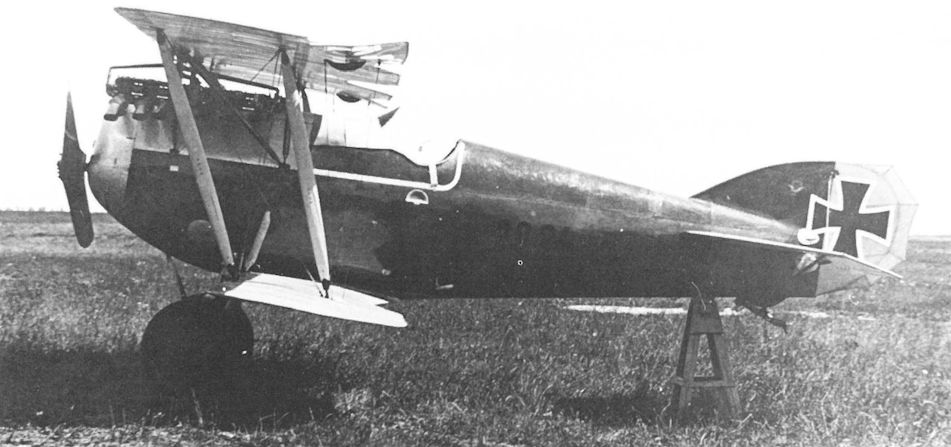
Регистрационный номер: 20.24 [4] Phonix 20.24, powered by a 230 hp Hiero engine, showing the fine lines of the veneer-covered, oval fuselage. The machine guns were internally mounted within reach of the pilot but below eye level to avoid the oil spray.
-
P.Grosz, G.Haddow, P.Schiemer - Austro-Hungarian Army Aircraft of World War One /Flying Machines/
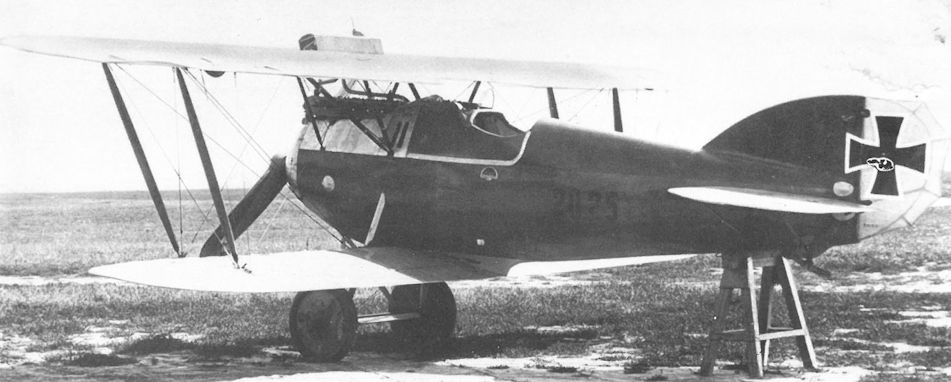
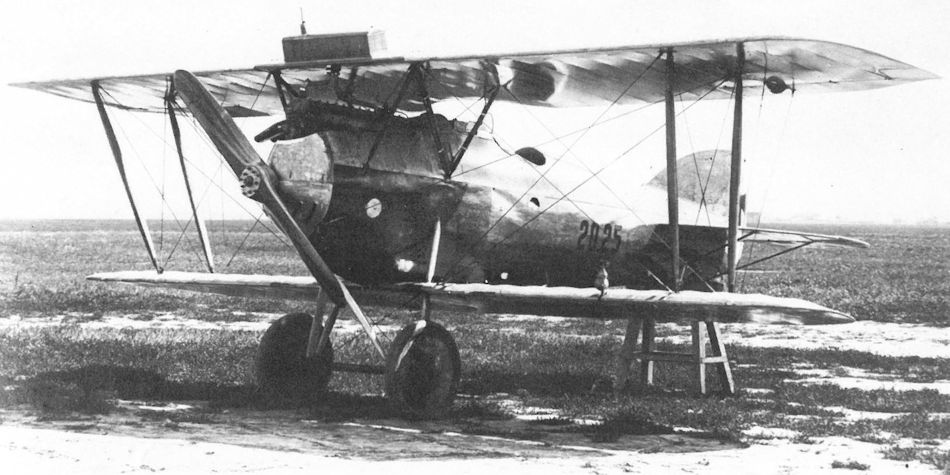
Регистрационный номер: 20.25 [2] The Phonix 20.25. demonstrating the compactness of the “Kirste fighters.” By virtue of their excellent performance, the fighters would have been considered for production had the war continued.
A revealing side view of the Phonix D IV single seater of which only two prototypes had been completed at the time of the Armistice. While superficially similar to the earlier Phonix D I to D III series, the D IV was virtually a totally new design. Gone were the slab-sided fuselages of the earlier machines, to be replaced by a generally smoother, oval-sectioned body, terminating in a fin and rudder of significantly increased areas. Little information survived the war concerning the D IV's performance. From this image, it would seem that the Austro-Hungarians did not follow their German allies in switching to using the straight-sided Balkankreuse national marking from mid-April 1918. -
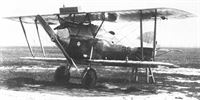
P.Grosz, G.Haddow, P.Schiemer - Austro-Hungarian Army Aircraft of World War One /Flying Machines/
Регистрационный номер: 20.25 [2] Phonix 20.25, powered by a 225 hp Daimler engine, was armed with externally-mounted machine guns and the fuselage was flattened to accommodate them. The lower wing and fin are carefully faired into the fuselage for minimum drag.
-
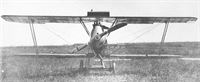
P.Grosz, G.Haddow, P.Schiemer - Austro-Hungarian Army Aircraft of World War One /Flying Machines/
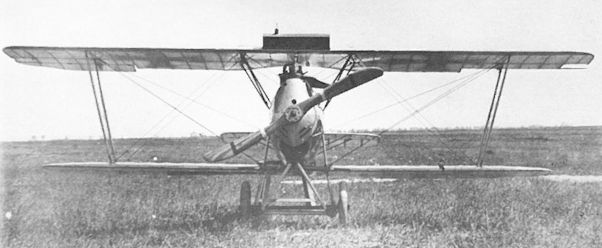
Регистрационный номер: 20.24 [4] Phonix 20.24. The narrow fuselage gave the pilot a fine downward field of vision. Engine cooling was always a problem and although airfoil-shaped radiators were available, the box radiator may have been the only solution.
-
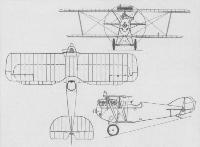
W.Green, G.Swanborough - The Complete Book of Fighters
Регистрационный номер: 20.24 [4] The Phonix 20.24 was ordered in anticipation of series production as the D IV.
-
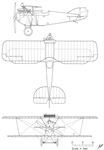
P.Grosz, G.Haddow, P.Schiemer - Austro-Hungarian Army Aircraft of World War One /Flying Machines/
Регистрационный номер: 20.24 [4] Phonix 20.24
R.Keimel Osterreichs Luftfahrzeuge (Weishaupt Verlag)
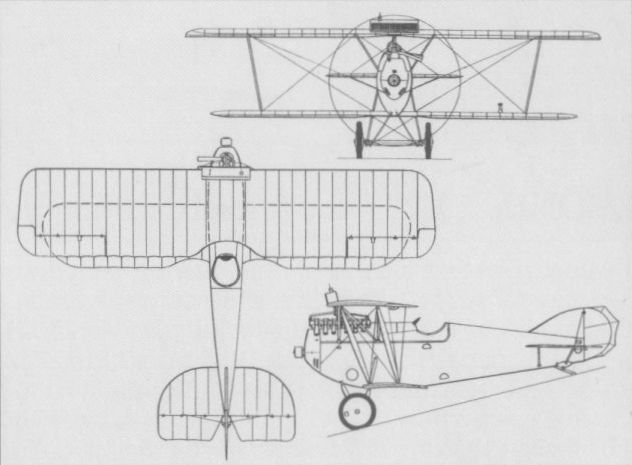
Phönix D-Prototyp (20.24 - 20.25) 1918
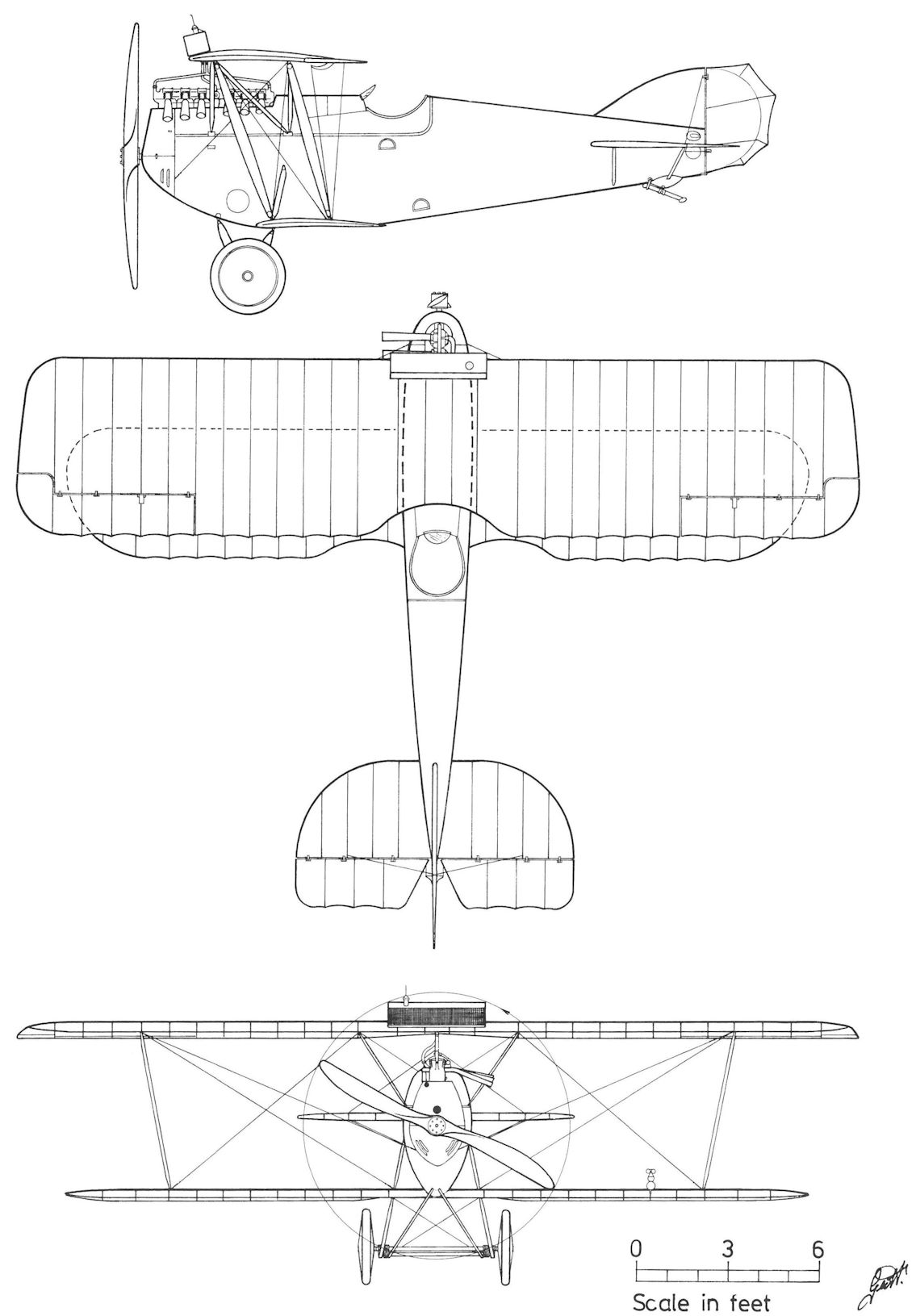
В последние месяцы войны инженер Кирсте создал этот истребитель Phönix на основе проверенного типа Phönix D III. В отличие от образца 20.24, экземпляр 20.25 оснащался двигателем Austro-Daimler мощностью 230 л.с., который предполагалось также устанавливать на серию D IV. По сравнению с серийной машиной D III размах крыла был уменьшен на 1,30 м, площадь крыльев - на 1,50 м². Максимальная скорость осталась примерно той же.
Производитель: Phönix Flugzeugwerke AG., Вена-Штадлау.
Назначение: Прототип истребителя.
Построен: 1918
Первый полёт: 1918
Количество: 2 экземпляра
Бортовой номер: 20.24, 20.25
Экипаж: 1
Двигатель: 1 × 169 кВт (230 л.с.) Hiero, 6 цилиндров, двухлопастный винт диаметром 2,7 м.
Размеры:
Размах крыла: верх./нижн. 8,50 / 7,50 м
Длина: 6,60 м
Высота: 2,90 м
Площадь крыльев: 23,5 м²
Веса:
Пустой: 665 кг
Макс. взлётный вес: 960 кг
Нагрузка на крыло: 41 кг/м²
Нагрузка на мощность: 5,7 кг/кВт
Запас масла: 8 кг
Запас топлива: 92 кг
Макс. скорость: 195 км/ч
Крейсерская скорость: 185 км/ч
Время набора 1000 м: 2 мин 10 сек
Время набора 5000 м: 18 мин
Потолок: 7500 м
Описание: