Описание
Страна: Австро-Венгрия
Год: 1916
Варианты
- Oeffag - C.I / 50.02 - 1915 - Австро-Венгрия
- Oeffag - C.II - 1916 - Австро-Венгрия
- R.Keimel Osterreichs Luftfahrzeuge (Weishaupt Verlag)
- P.Grosz, G.Haddow, P.Shiemer Austro-Hungarian Army Aircraft of World War One (Flying Machines)
- E.Hauke, W.Schroeder, B.Totschinger Die Flugzeuge der k.u.k. Luftfahrtruppe und Seeflieger 1914-1918
-
-
-
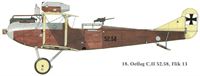
P.Grosz, G.Haddow, P.Schiemer - Austro-Hungarian Army Aircraft of World War One /Flying Machines/
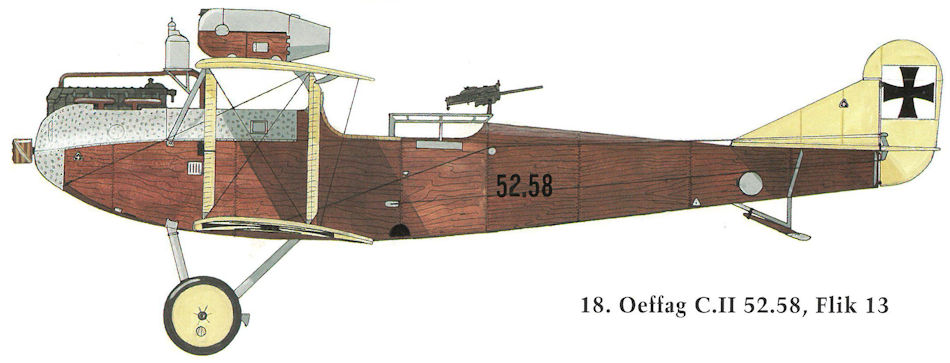
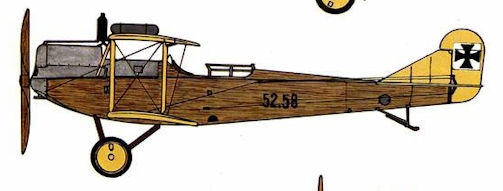
Oeffag C.II 52.58, Flik 13
-
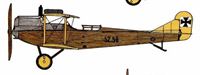
E.Hauke, W.Schroeder, B.Totschinger - Die Flugzeuge der k.u.k. Luftfahrtruppe und Seeflieger 1914-1918
Oeffag C II 52.58 Roman Schmidt Flik 13 Rußland September 1917
-
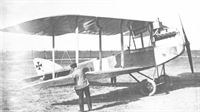
P.Grosz, G.Haddow, P.Schiemer - Austro-Hungarian Army Aircraft of World War One /Flying Machines/
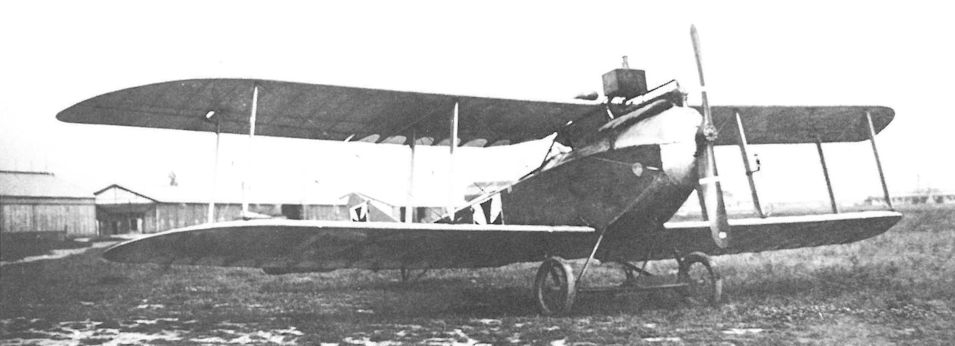
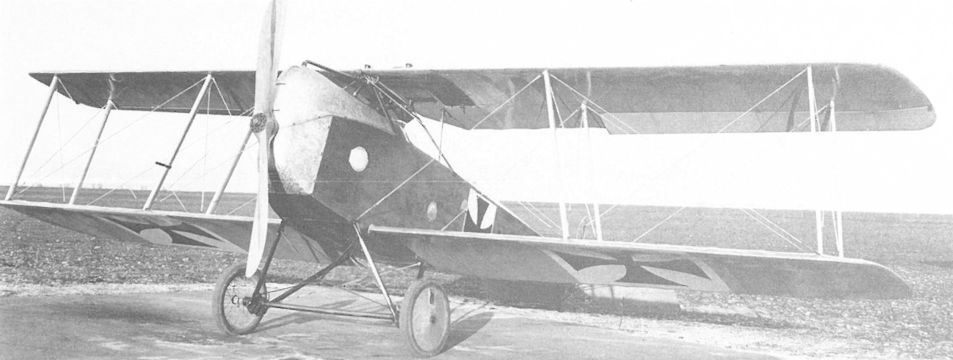
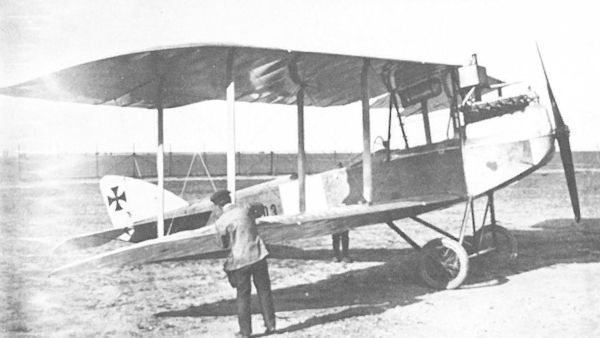
The first Oeffag 50.03 prototype had the banana-shaped wing of the Oeffag C.I but configured in a simplified two-bay cellule. The fuselage cross insignia remains to be applied.
-
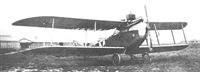
P.Grosz, G.Haddow, P.Schiemer - Austro-Hungarian Army Aircraft of World War One /Flying Machines/
The second Oeffag 50.03 prototype showing the slanted wing struts. The Oeffag 50.03 became the prototype for the Oeffag C.II series 52 production aircraft.
-
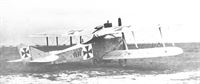
P.Grosz, G.Haddow, P.Schiemer - Austro-Hungarian Army Aircraft of World War One /Flying Machines/
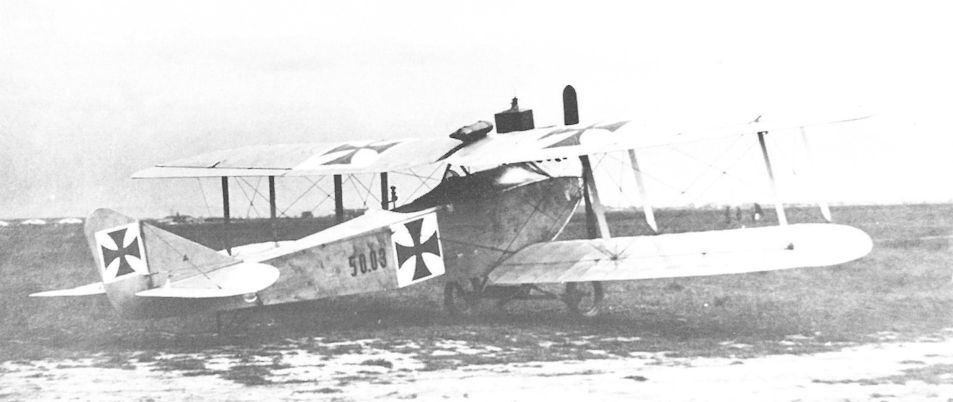
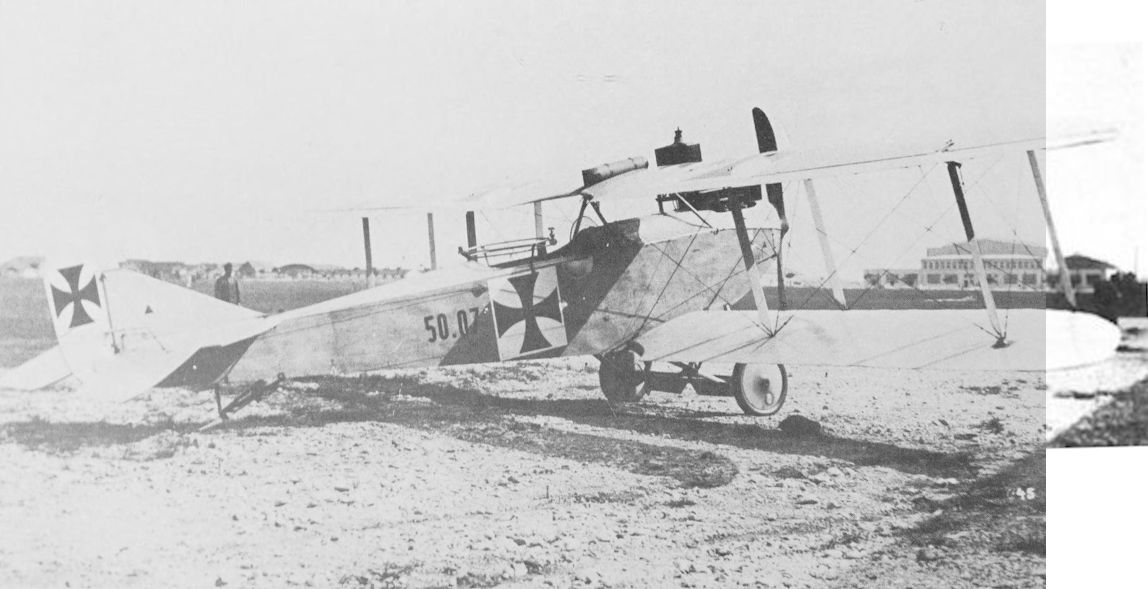
The second Oeffag 50.03 prototype at Aspern in May 1916. It was fitted with straight, constant-chord wings. As customary the observer’s machine-gun ring remains to be installed pending results of flight tests.
-
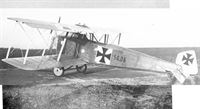
P.Grosz, G.Haddow, P.Schiemer - Austro-Hungarian Army Aircraft of World War One /Flying Machines/
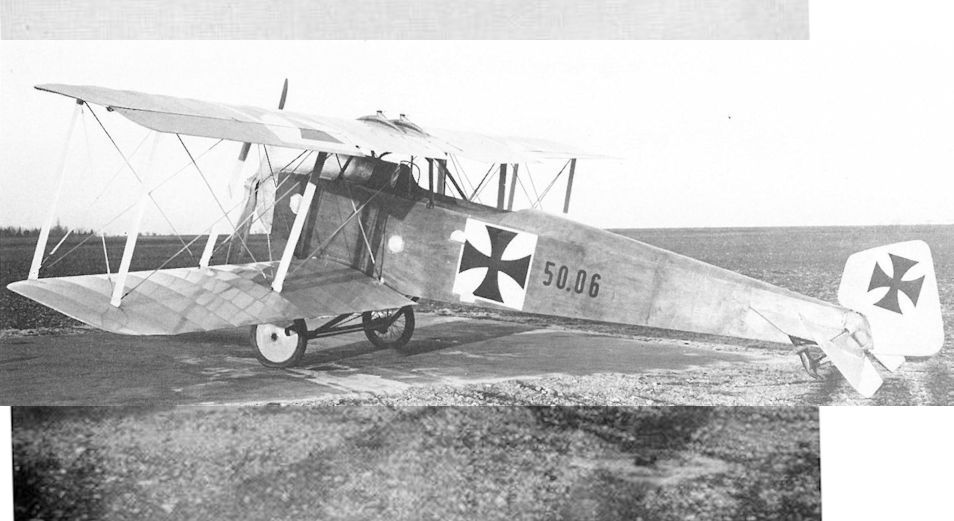
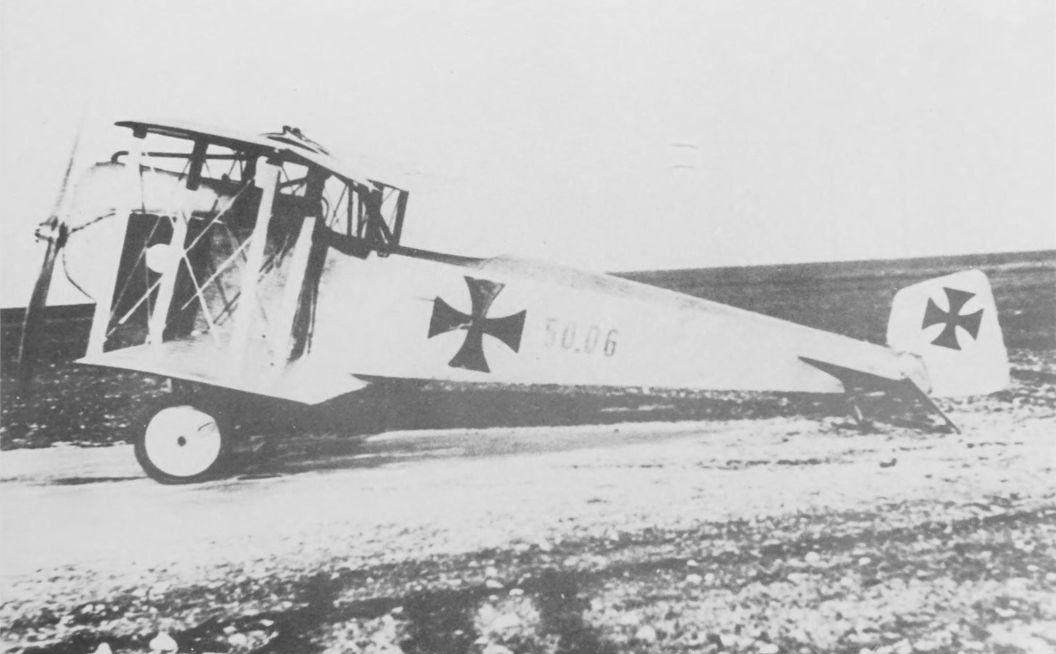
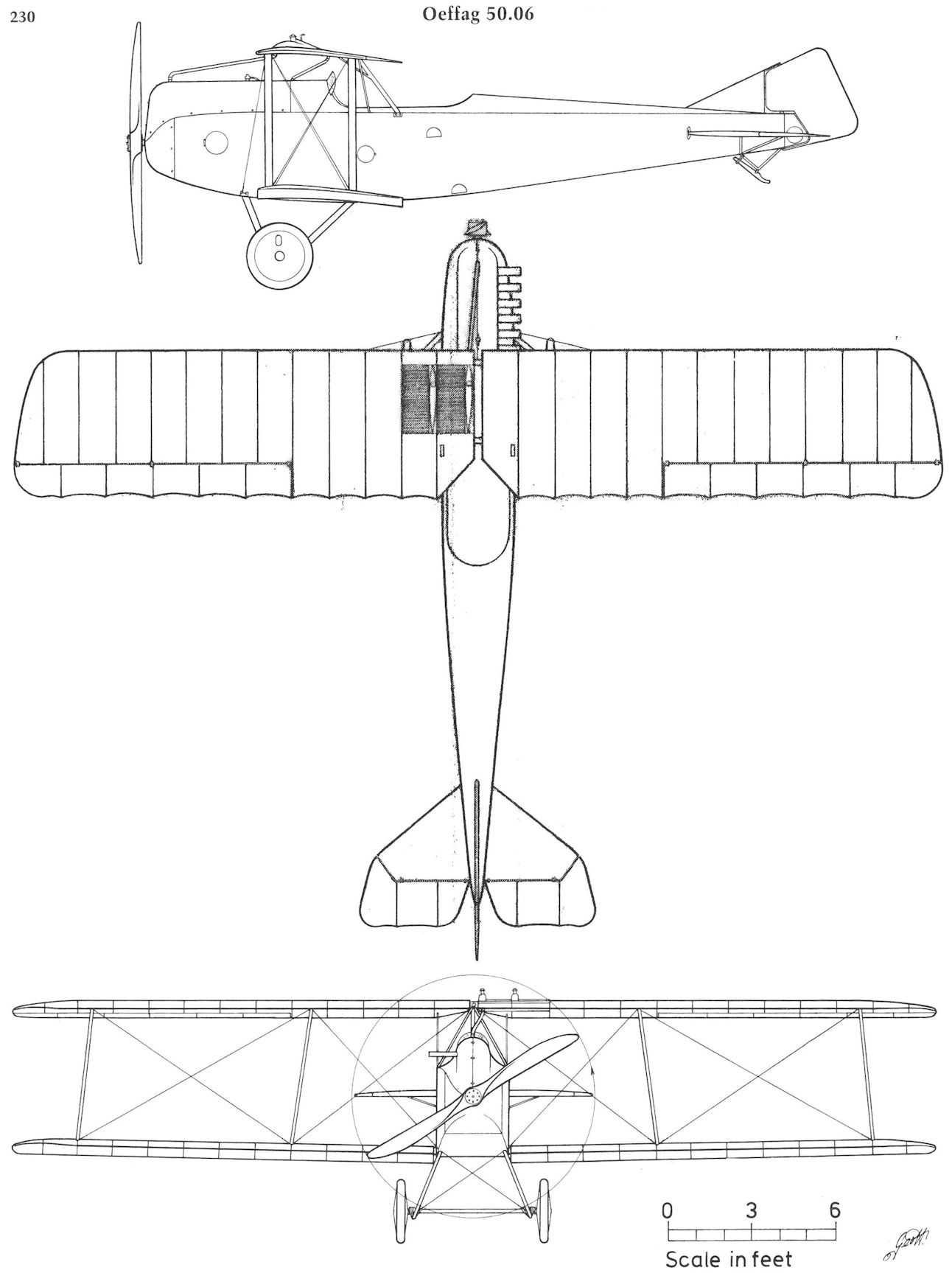
Oeffag 50.06 prototype. The twin airfoil radiators, the faired interplane struts, and the fully-cowled engine are evidence of the designer’s preoccupation with drag reduction.
Oeffag 50.06 in Wr. Neustadt. Werksflugfeld 1917, Versuchsflugzeug mit geänderter Tragflächen- und Leitwerksanordnung, Rumpf Ba 52
Oeffag 50.06 в Wr. Нойштадт. Заводской аэродром 1917 г., экспериментальный самолет с измененным крылом и оперением, фюзеляж Ba 52 -
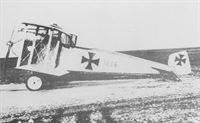
R.Keimel - Osterreichs Luftfahrzeuge /Weishaupt Verlag/
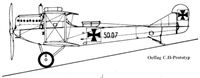
Oeffag C-Prototyp, Sr. Nr.: 50.06
-
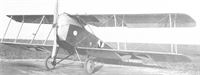
P.Grosz, G.Haddow, P.Schiemer - Austro-Hungarian Army Aircraft of World War One /Flying Machines/
Based on the Oeffag C.II, the smaller 50.06 prototype, although showing acceptable speed and climb, was not placed into production.
-
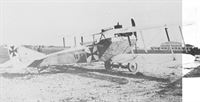
R.Keimel - Osterreichs Luftfahrzeuge /Weishaupt Verlag/
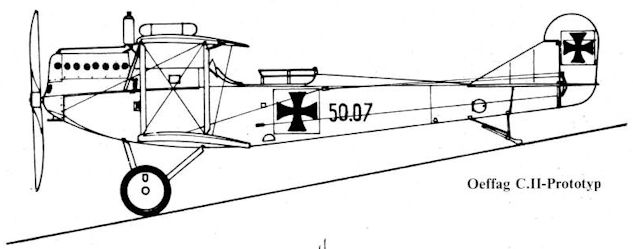
The Oeffag 50.07 was a lightened C.II airframe fitted with a 200 hp Hiero engine for performance and flight evaluation. Photographed on the Wiener-Neustadt airfield.
-
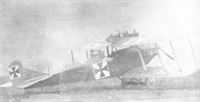
P.Grosz, G.Haddow, P.Schiemer - Austro-Hungarian Army Aircraft of World War One /Flying Machines/
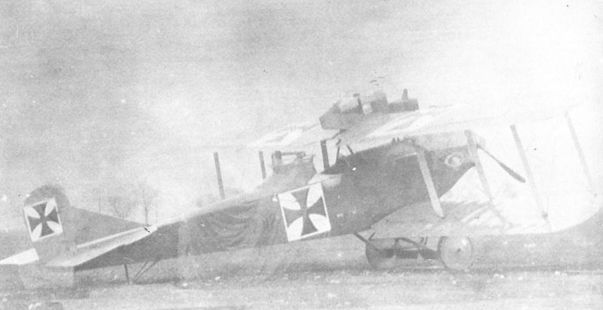
The Oeffag C.II 52.02 was fitted with an experimental, raised machine gun turret, barely discernible in this poor quality, but rare, photograph.
-
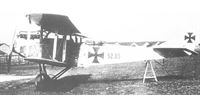
P.Grosz, G.Haddow, P.Schiemer - Austro-Hungarian Army Aircraft of World War One /Flying Machines/
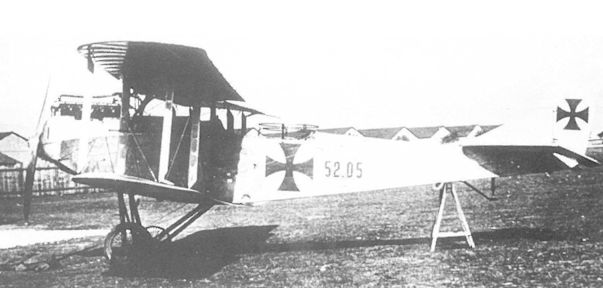
Oeffag C.II 52.05 was unique in that it was fitted with an unbalanced elevator, a feature not seen on other production machines. The tripod tailskid is characteristic of the first production batch. It was attached to Flik 18 from December 1916 to April 1917.
-
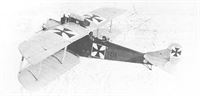
P.Grosz, G.Haddow, P.Schiemer - Austro-Hungarian Army Aircraft of World War One /Flying Machines/
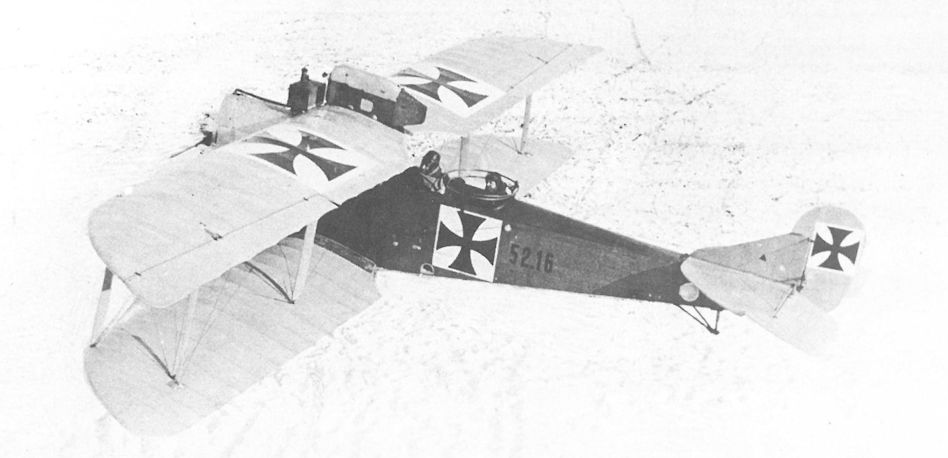
Oeffag C.II 52.16 on the snow-covered airfield of Flik 18, February 1917. The constant-chord wing facilitated production and the lack of sweepback and stagger simplified rigging. Forward armament was provided by a Type II VK gun canister.
-
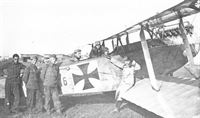
P.Grosz, G.Haddow, P.Schiemer - Austro-Hungarian Army Aircraft of World War One /Flying Machines/
The unarmed Oeffag C.II 52.16, possibly fitted with dual controls, served as an advanced trainer with Flik 22/D in Kolomea, July 1917.
-
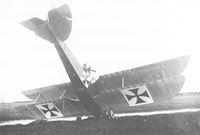
P.Grosz, G.Haddow, P.Schiemer - Austro-Hungarian Army Aircraft of World War One /Flying Machines/
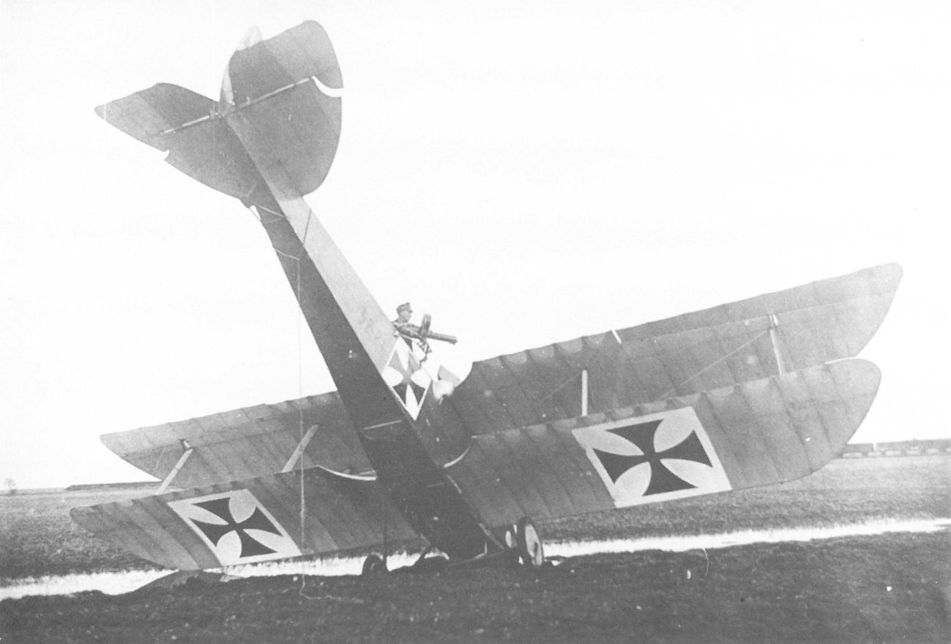
A minor mishap provides Oeffag C.II 52.21 the opportunity to show the slanted wing struts similar to those of the Brandenburg C.I. A narrow trapdoor in the observer’s cockpit was used to drop small bombs. The aircraft flew with Flik 14/D from January through October 1917.
-
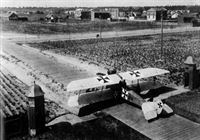
E.Hauke, W.Schroeder, B.Totschinger - Die Flugzeuge der k.u.k. Luftfahrtruppe und Seeflieger 1914-1918
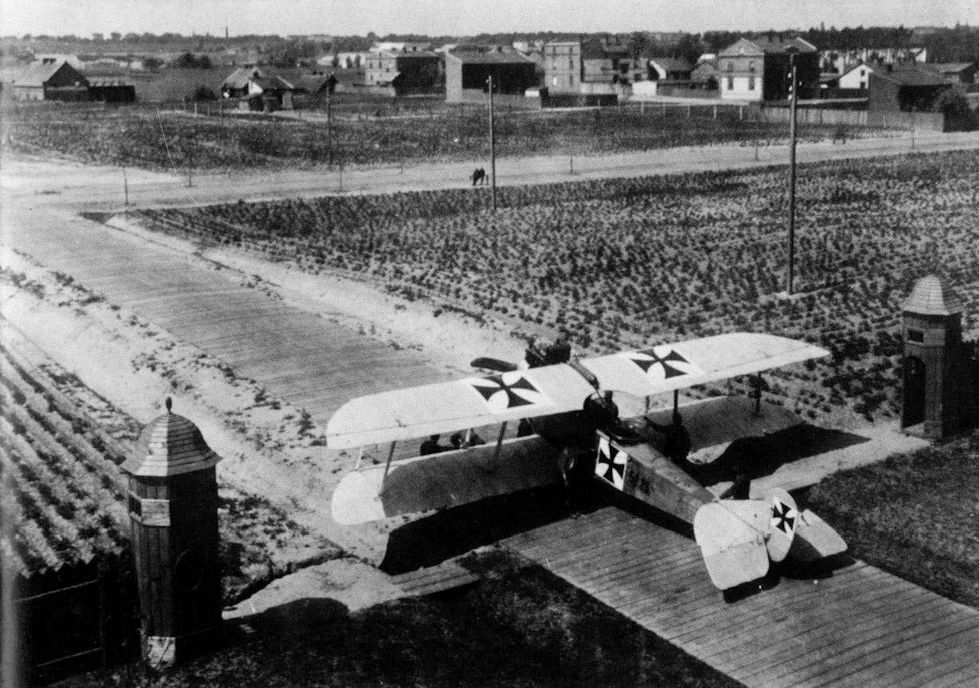
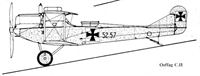
Oeffag C.II 52.25 in Wr. Neustadt. Werksgelände der Oeffag, aufgenommen beim Verlassen der Fabrik
Oeffag C.II 52.25 в Wr. Нойштадт. Снимок сделан на выходе фабрики Oeffag -
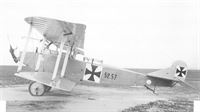
R.Keimel - Osterreichs Luftfahrzeuge /Weishaupt Verlag/
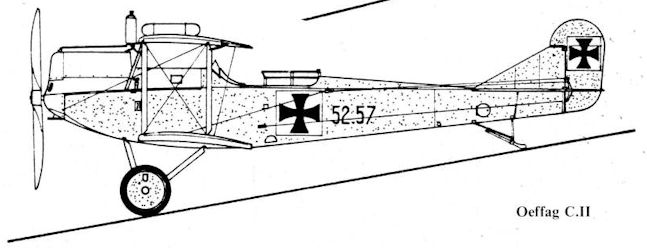
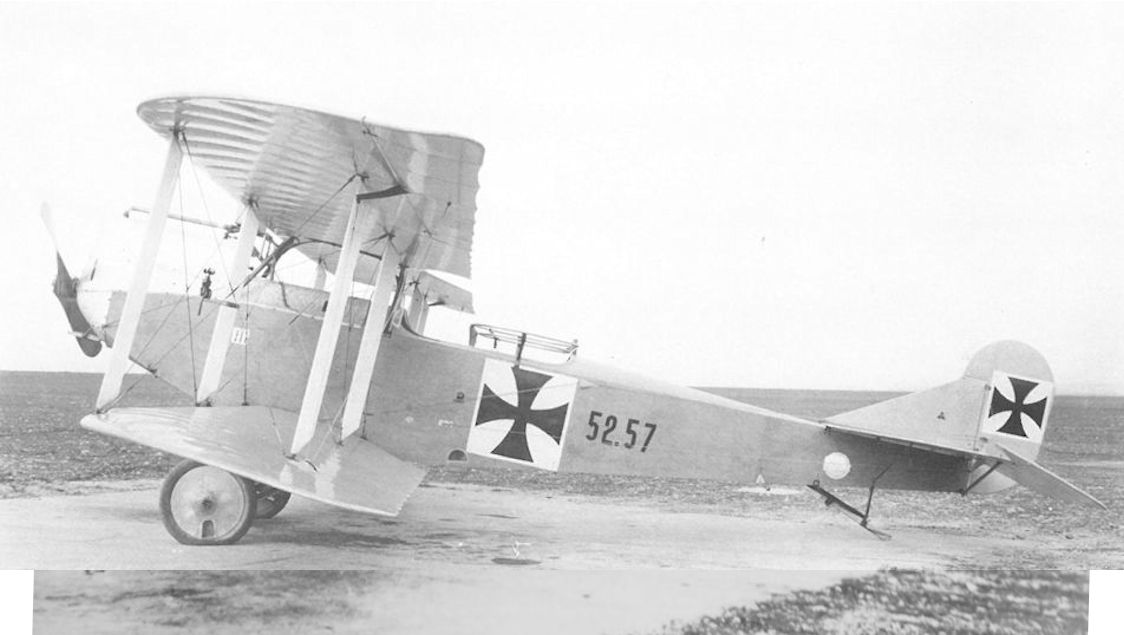
The brand-new Oeffag C.II 52.57 posing on the Oeffag airfield, here fitted with a winter cowling, shows off its elegant lines. The sprung tailskid was the primary identification feature of the second production series.
-
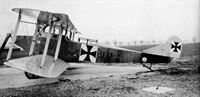
E.Hauke, W.Schroeder, B.Totschinger - Die Flugzeuge der k.u.k. Luftfahrtruppe und Seeflieger 1914-1918
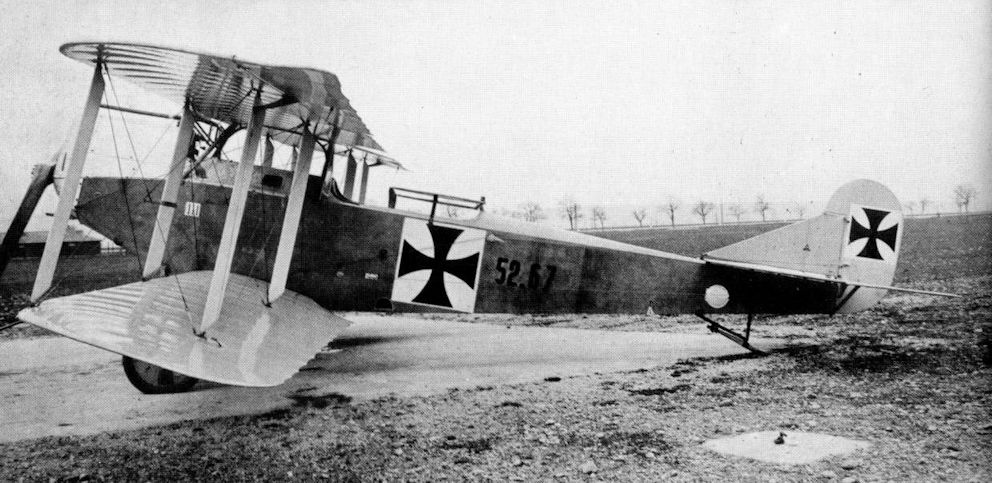
Oeffag C.II 52.67 in Wr. Neustadt, Werksflugfeld 1918, Typenphoto nach der Ablieferung
-
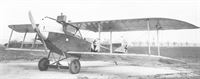
P.Grosz, G.Haddow, P.Schiemer - Austro-Hungarian Army Aircraft of World War One /Flying Machines/
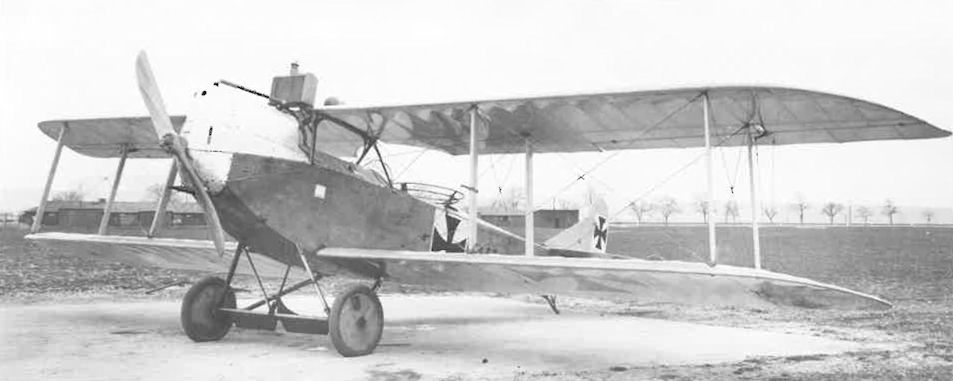
Oeffag C.II 52.67 with winter engine cowling installed. The undercarriage was fitted with a claw brake and axle flaps that were free to rotate in the slipstream. The aircraft was assigned to the training command in August 1917 and the airmail unit in June 1918.
-
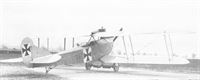
P.Grosz, G.Haddow, P.Schiemer - Austro-Hungarian Army Aircraft of World War One /Flying Machines/
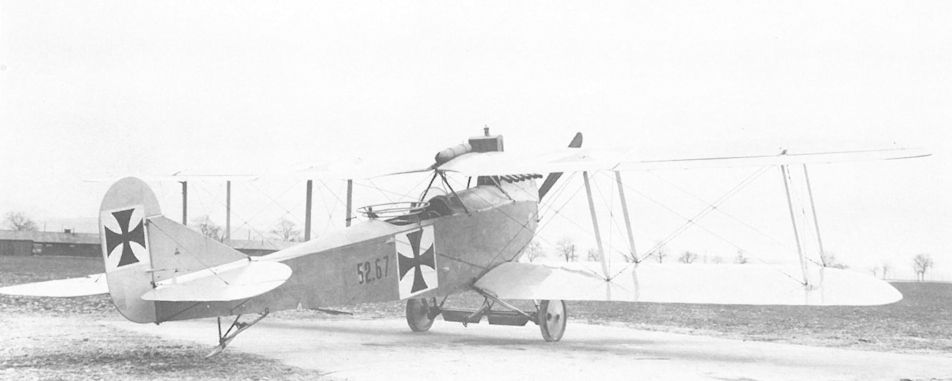
On the factory airfield, the Oeffag C.II 52.67 shows the unusual, high aspect-ratio ailerons and the sprung tail skid. The rudder and elevator control cables were located on the outside of the fuselage.
-
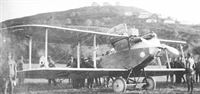
P.Grosz, G.Haddow, P.Schiemer - Austro-Hungarian Army Aircraft of World War One /Flying Machines/
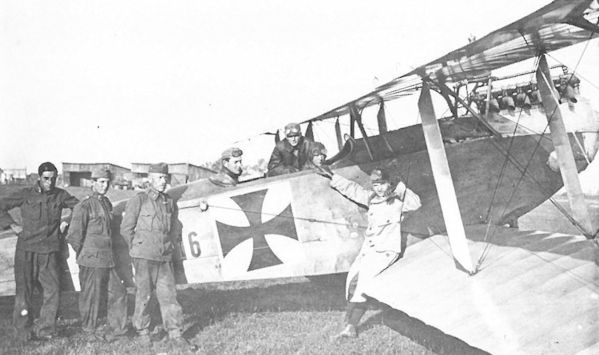
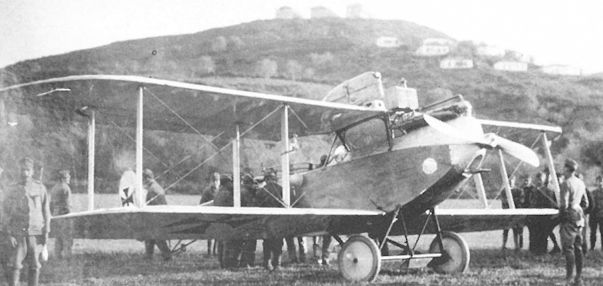
The Oeffag C.II series 52.5(6) biplane was flown by Flik 6 in Skutari, Albania in 1917. The platform beneath the propeller hub was a mount for the belt-driven wireless generator. The round bulge below the observer’s cockpit is the aluminum compass housing.
-
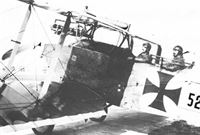
P.Grosz, G.Haddow, P.Schiemer - Austro-Hungarian Army Aircraft of World War One /Flying Machines/
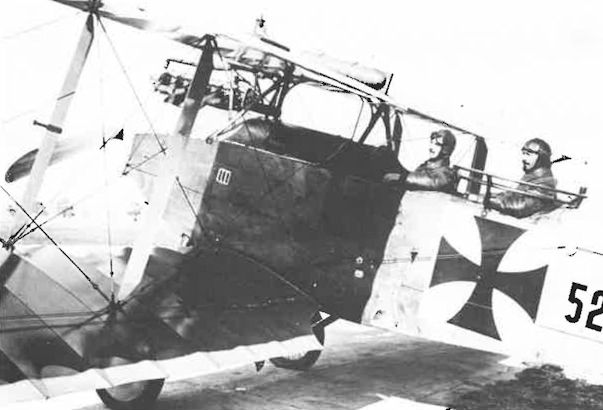
The close-up photo of an Oeffag C.II series 52 biplane gives evidence of the exposed seating and the narrow fuselage that aircrews criticized after the type reached the Front.
-

A.Olejko - War Wings Over Galicia 1918-1919 /Aeronaut/
Oeffag C.II in all its glory... This aircraft belonged to the 7th Air Squadron stationed at the airport Lewandowka. The Lwow characters in the tail part are noteworthy. (TJ. Kopanski, 7. Hunting Squadron Tadeusza Kosciuszki 1918-1921, Warszawa 2011)
-

A.Olejko - War Wings Over Galicia 1918-1919 /Aeronaut/
Bloody 14 May 1919... Preparation at Lewandowka to take off for the attack on the trenches of Ukrainian infantry near Kulikow of the Oeffag C.II aircraft from the 7th Air Squadron. That day, the squadron suffered painful losses there. (TJ. Kopanski, 7th Fighter Squadron of Tadeusza Kosciuszki 1918-1921, Warszawa 2011)
-

A.Olejko - War Wings Over Galicia 1918-1919 /Aeronaut/
An independent generation... Second Lieutenant Zygmunt Kostrzewski from the 7th Air Squadron in the background of an Oeffag C.II aircraft at the Lewandowka airport. (TJ. Kopanski, 7. Hunting Squadron Tadeusza Kosciuszki 1918-1921, Warszawa 2011)
-
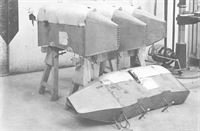
P.Grosz, G.Haddow, P.Schiemer - Austro-Hungarian Army Aircraft of World War One /Flying Machines/
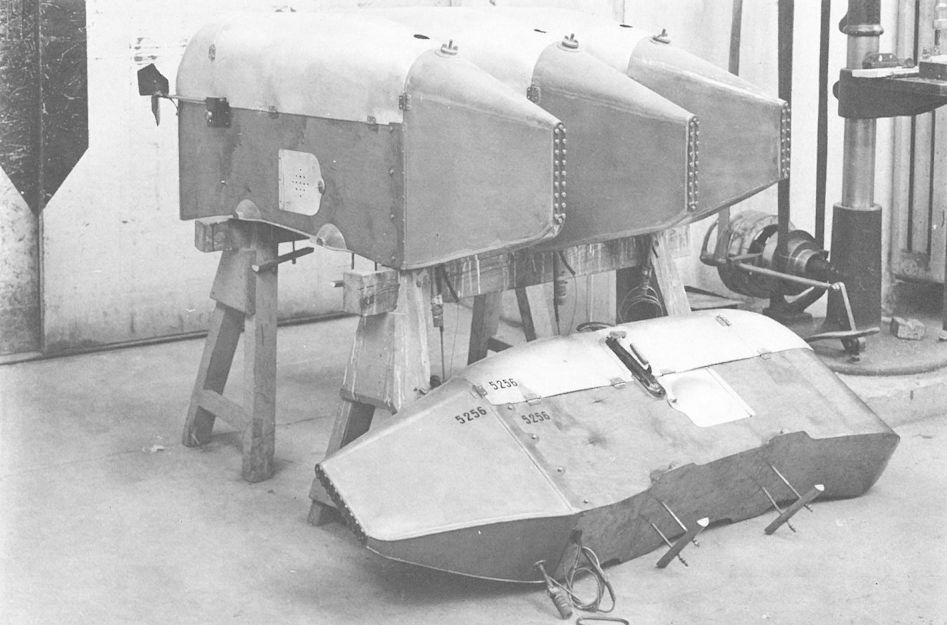
Type II VK canisters awaiting installation at the Oeffag factory. The canister in front, intended for the Oeffag C.II 52.56, shows the gravity tank connection and the mounting studs.
-
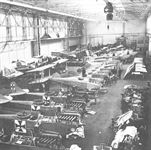
P.Grosz, G.Haddow, P.Schiemer - Austro-Hungarian Army Aircraft of World War One /Flying Machines/
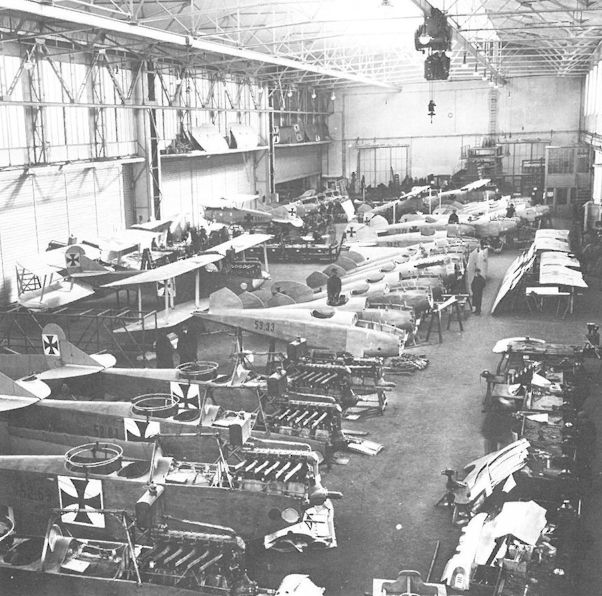
The neat arrangement in the assembly hall reflects the craftsmanship for which Oeffag aircraft were renowned. In the far left, the Albatros D.III(Oef) 53.21 production prototype awaits propeller installation, while in the far right the D.II(Oef) 53.06 and D.III(Oef) 53.20 are nearing completion. In the foreground, Oeffag C.II series 52.5 biplanes under assembly. The date is February 1917.
Другие самолёты на фотографии: Albatros (Oeffag) D.II / D.III - Австро-Венгрия - 1917
-
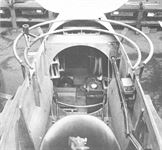
P.Grosz, G.Haddow, P.Schiemer - Austro-Hungarian Army Aircraft of World War One /Flying Machines/
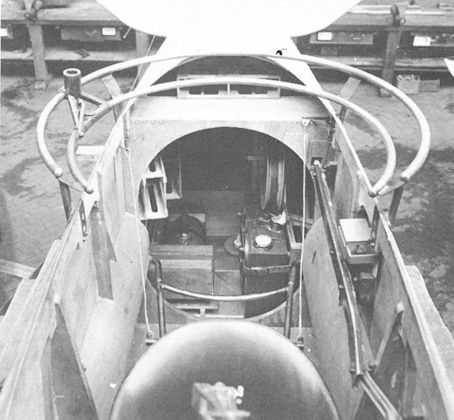
Shown on an Oeffag C.II biplane, the tubular-ring turret was fitted to all two-seaters until replaced by wooden gun rings in late 1918. Light in weight, the ring provided ample flexibility and was easy to operate. The triangular slide held the socket for the machine gun and a simple locking clamp prevented movement.
-

A.Durkota, T.Darcey, V.Kulikov - The Imperial Russian Air Service /Flying Machines/
The remains of Oeffag C.II 52.63 from Flik 44. This aircraft was shot down by Suk on August 8, 1917, for his third confirmed victory.
-

A.Olejko - War Wings Over Galicia 1918-1919 /Aeronaut/
Lucky... On March 12, 1919, in a plane crash at Lewandowka, an Oeffag C.II aircraft was crashed - Lieutenant Jerzy Borejsza and Lieutenant Kazimierz Swoszowski had exceptional luck coming out of the accident alive. (T. J. Kopanski, 7th Fighter Squadron of Tadeusza Kosciuszki 1918-1921, Warszawa 2011)
-
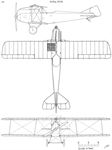
-
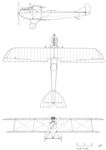
R.Keimel Osterreichs Luftfahrzeuge (Weishaupt Verlag)
Oeffag C-Prototyp (50.06) 1917
Прототип Oeffag для C-серии.
Производитель: Österreichische Flugzeugfabrik A.G., Винер-Нойштадт.
Назначение: Прототип боевого самолёта.
Построен: 1917
Первый полёт: 1917
Количество: 1 экземпляр
Бортовой номер: 50.06
Экипаж: 1+1
Двигатель: 1 × 147 кВт (200 л.с.) Austro-Daimler, 6 цилиндров, двухлопастный винт.
Oeffag C-Prototyp (50.07) 1916
Прототип для серии Oeffag C II.
Производитель: Österreichische Flugzeugfabrik A.G. (Oeffag), Винер-Нойштадт.
Назначение: Прототип боевого самолёта.
Построен: 1916
Первый полёт: 1916
Количество: 1 экземпляр
Бортовой номер: Сер. № 50.07
Экипаж: 2
Двигатель: 1 × 147 кВт (200 л.с.) Hiero, 6 цилиндров, двухлопастный винт.
Размеры:
Размах крыла: верх./нижн. 12,93 / 12,04 м
Длина: 8,64 м
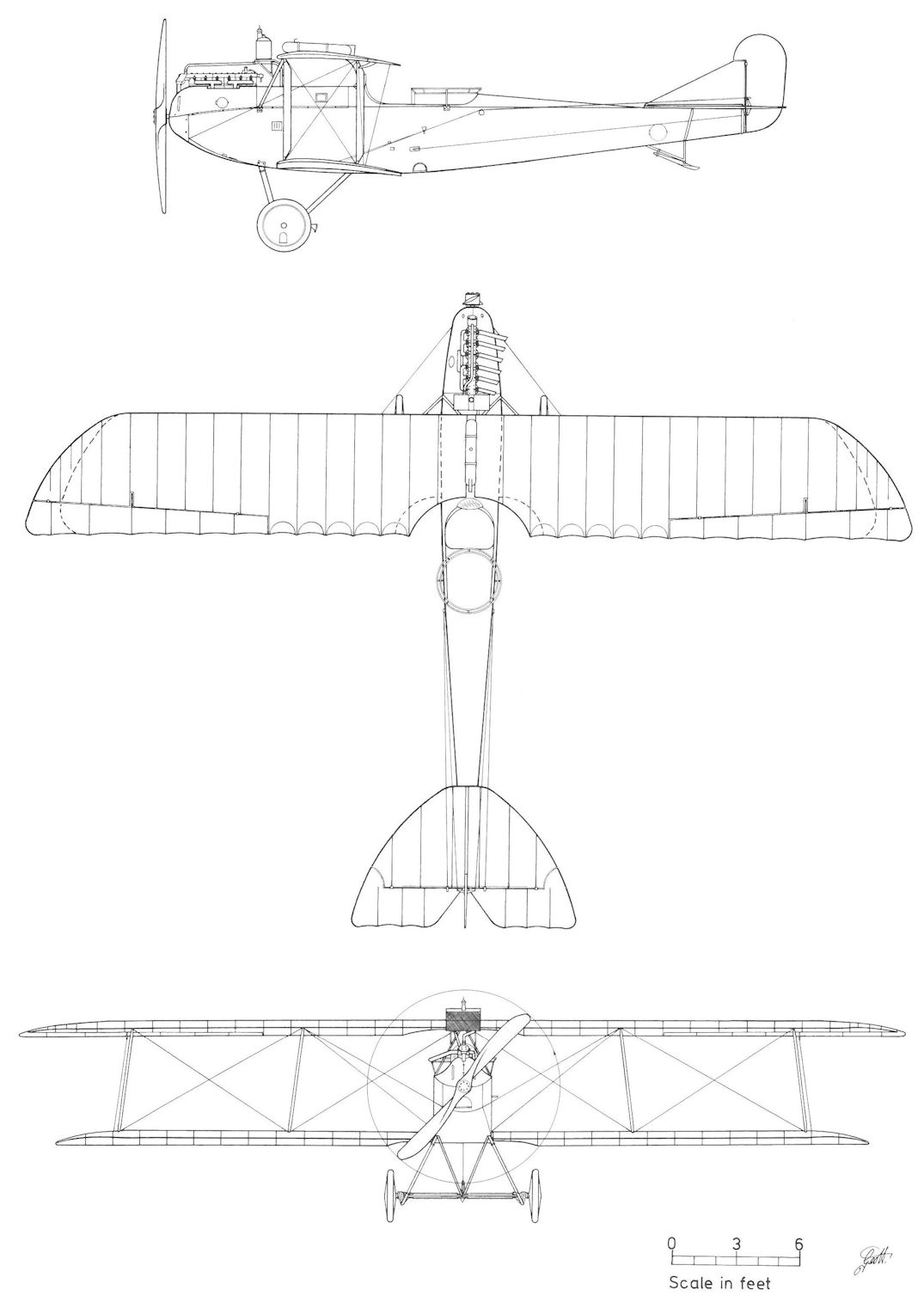
Oeffag C II 1917
В 1917 году был создан новый вооружённый двухместный самолёт с обозначением C II . К концу войны этот тип был снят с фронта и использовался в качестве учебной машины . Выпускался сериями:
Серия 52: 1 × 118 кВт (160 л.с.) Austro-Daimler, 1917 .
Серия 52.5: 1 × 136 кВт (185 л.с.) Austro-Daimler, 1917 .
Производитель: Österreichische Flugzeugfabrik A.G. (Oeffag), Винер-Нойштадт.
Назначение: Боевой самолёт.
Построен: 1917
Первый полёт: 1916
Количество: ок. 100 экземпляров
Бортовой номер: Сер. № 52.
Экипаж: 2
Двигатель: 1 × 136 кВт (185 л.с.) Austro-Daimler, 6 цилиндров, двухлопастный винт.
Размеры:
Размах крыла: верх./нижн. 12,93 / 12,04 м
Длина: 8,64 м
Площадь крыльев: 38,0 м²
Веса:
Макс. взлётный вес: 1205 кг
Макс. скорость: 140 км/ч
Потолок: 3200 м
Дальность: 400 км
Описание: