В.Кондратьев Самолеты первой мировой войны
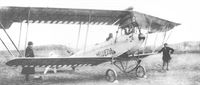
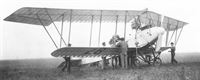
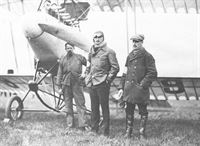
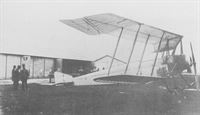
ЛЁНЕР B-I/B-II/B-IV/B-VI/B-VII/C-I / LOHNER B-I/B-II/B-IV/B-VI/B-VII/C-I
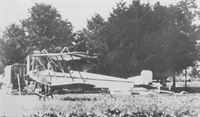
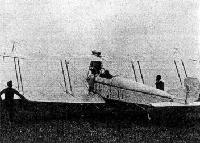
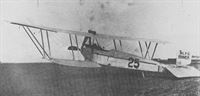
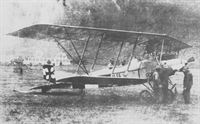
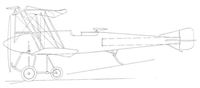
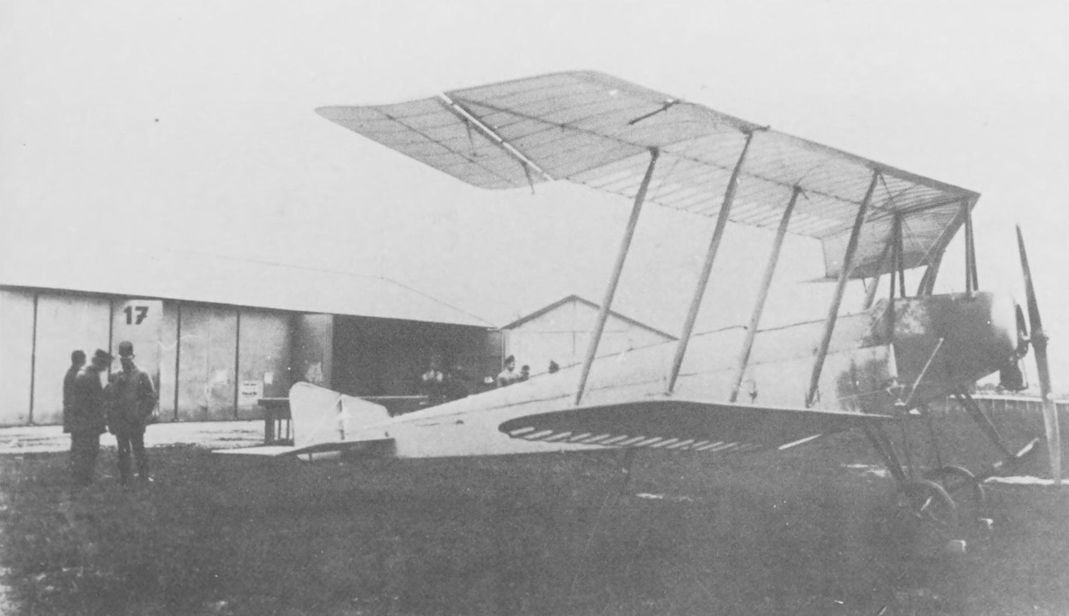
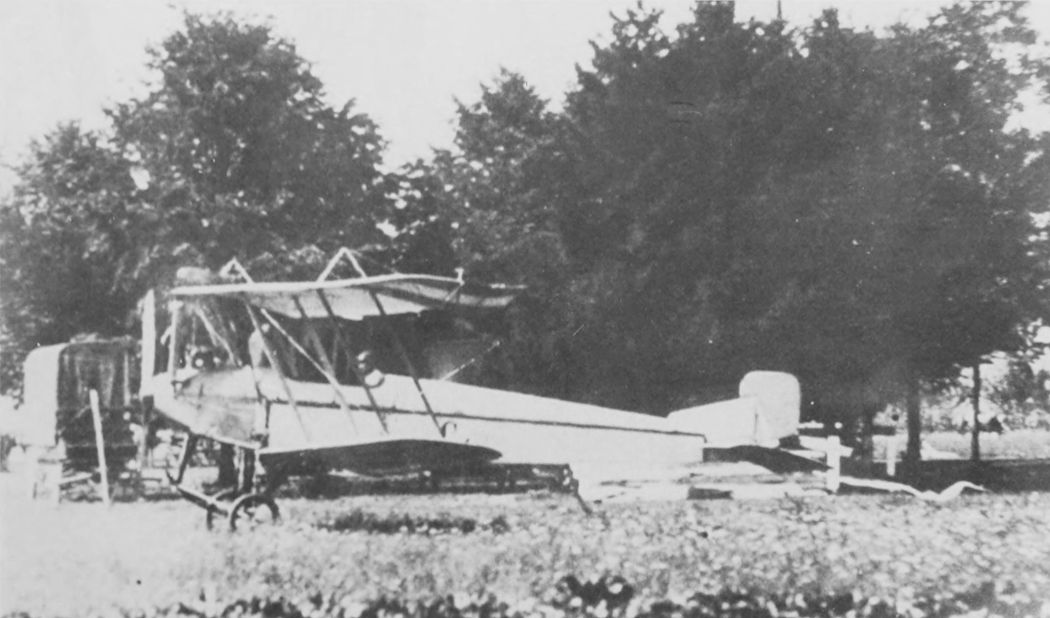
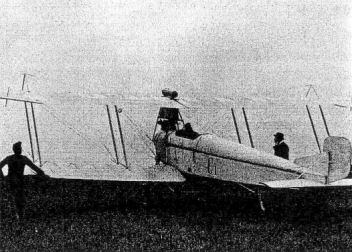
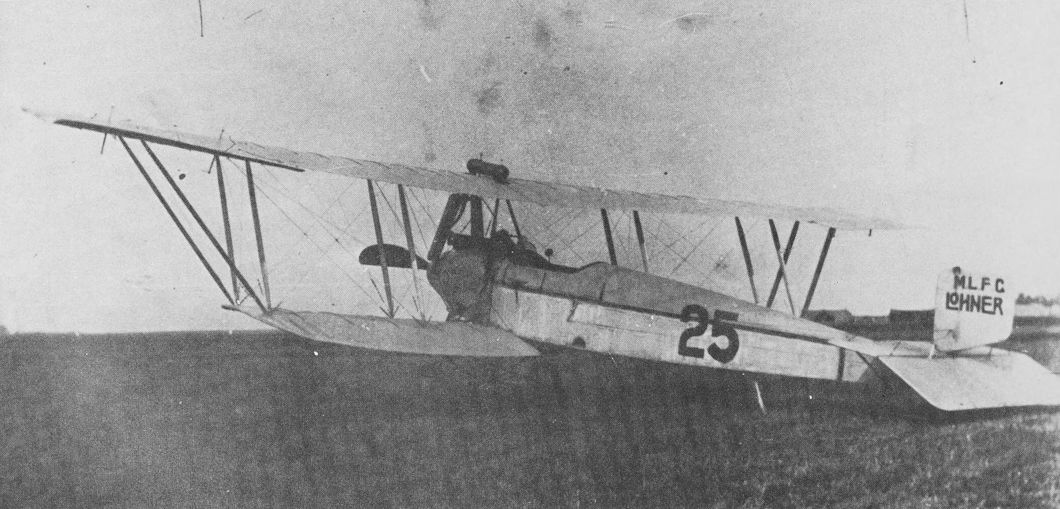
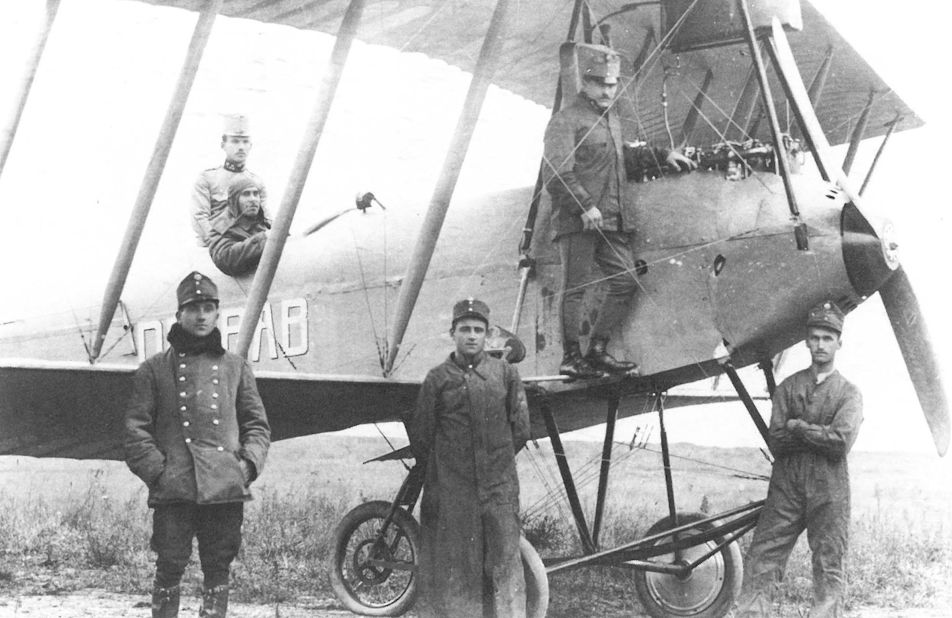
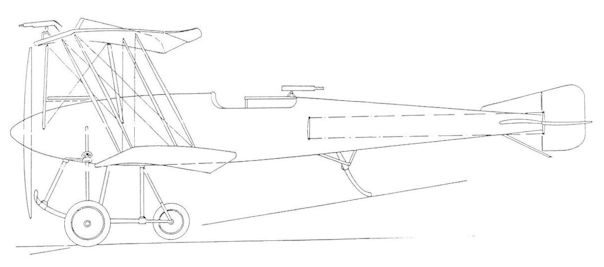
В 1913 году на венской фирме Якоба Лёнера был разработан двухместный биплан "В" со 120-сильным мотором "Австро-Даймлер" и оригинальными стреловидными крыльями, повышавшими, по замыслу авторов, продольную и поперечную устойчивость машины.
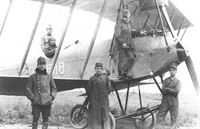
На следующий год его приняли на вооружение австро-венгерской военной авиации, присвоив обозначение В-l. При этом вначале каждая построенная машина, подобно боевому кораблю, имела собственное имя, начинавшееся с буквы "Б" ("Бригант", "Барбара", "Будда", "Бригитта" и т.д.).
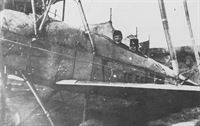
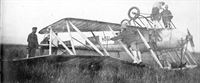
На раннем этапе Первой мировой войны характеристики B-I вполне удовлетворяли военных, и самолет с успехом применялся на сербско-австрийском и русско-австрийском фронтах. Аппараты данного типа, в частности, осуществляли связь с гарнизоном осажденной русскими войсками крепости Перемышль.
В 1915-1916 годах семейство "Лёнеров" пополнилось целым рядом дальнейших модификаций, также выпускавшихся серийно и состоявших на вооружении.
С начала 1916 года две последние и наиболее совершенные модификации "Лёнера" активно применялись на всех фронтах, где воевали австро-венгерские воздушные силы.
Помимо разведывательных полетов, на счету этих машин немало бомбардировок городов и военных объектов в Румынии, северной Италии и на юго-западной Украине.
МОДИФИКАЦИИ
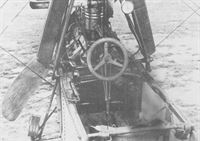
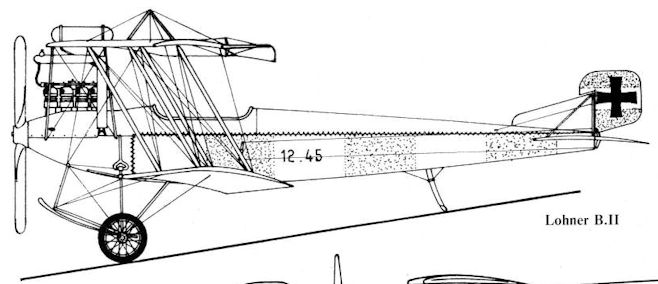
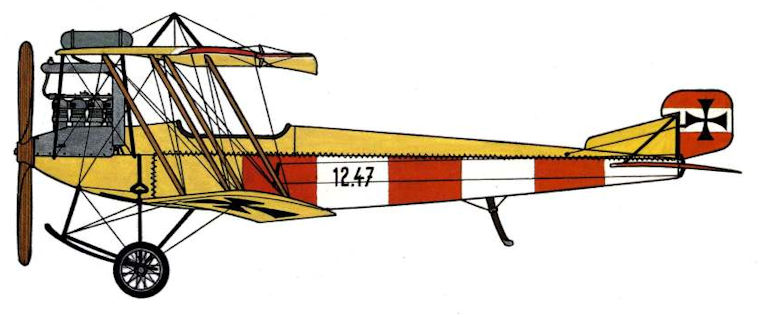
B-II - двигатель "Геро", 85 л.с., руль поворота с роговой аэродинамической компенсацией. Самолет в основном использовался как учебный.
<...>
ВООРУЖЕНИЕ
Бомбовое: 80 кг.
Показать полностью
R.Keimel Osterreichs Luftfahrzeuge (Weishaupt Verlag)
Lohner Armeeflugzeug "Type 1913" 1913
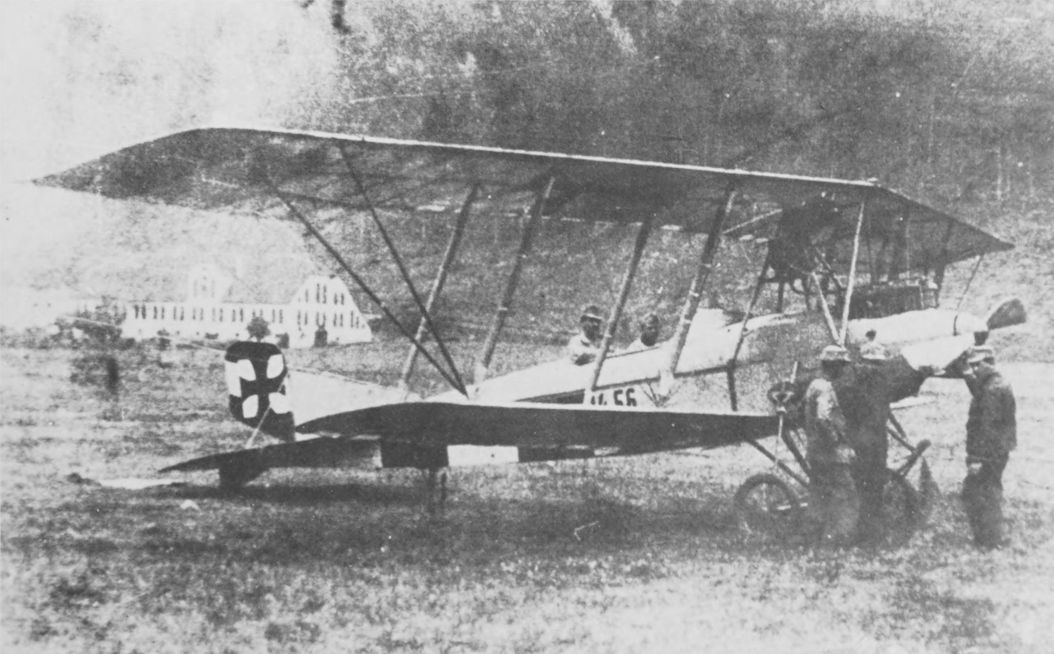
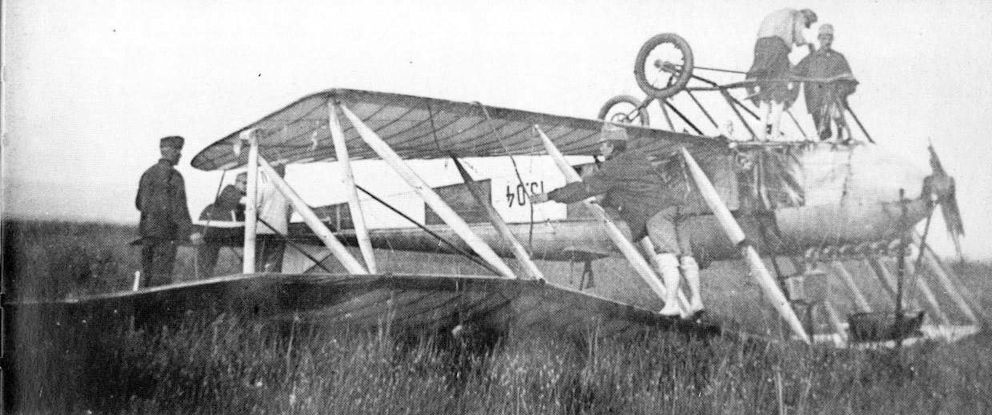
В конце 1913 года фирма Лонер создала новый экспериментальный тип самолёта с крыльями стреловидной формы и двигателем Гном. Этот самолёт не пошёл в серию. 27 февраля 1914 года был введён в эксплуатацию лейтенантом Эльснером на аэродроме Асперн.
Производитель: Jacob Lohner & Co., Вена-Флоридсдорф
Назначение: Учебно-тренировочный самолёт
Производство: конец 1913 года
Количество: 1
Экипаж: 1 пилот + 1 пассажир
Двигатель: 1 х 73,6 кВт (100 л.с.) Gnome, двухлопастный пропеллер
Размеры:
Размах крыльев (верх./ниж.): 12,00/8,60 метров
Длина: 7,80 метров
Высота: 3,00 метров
Площадь крыла: 26,7 квадратных метров
Масса:
Пустой: 460 кг
Максимальный взлетный вес: 780 кг
Нагрузка на крыло: 29,2 кг/м²
Нагрузка на мощность: 10,6 кг/кВт
Максимальная скорость: 130 км/ч
Время набора высоты 1000 метров: 8 минут
Дальность полёта: 455 километров
Продолжительность полёта: 3,5 часа
Запас масла: 28 кг
Запас топлива: 136 кг
Lohner B (Lohner Modell D) 1913
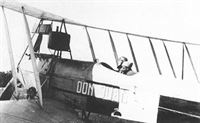
Тип Lohner D, армейское обозначение B III, получил по сравнению с типом B II увеличенный на 3 метра размах крыла и более мощный двигатель. Взлётный вес возрос с 710 кг до 1225 кг. Использовался главным образом как дальний разведчик с исключительной дальностью полёта.
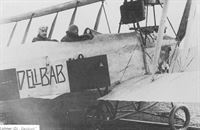
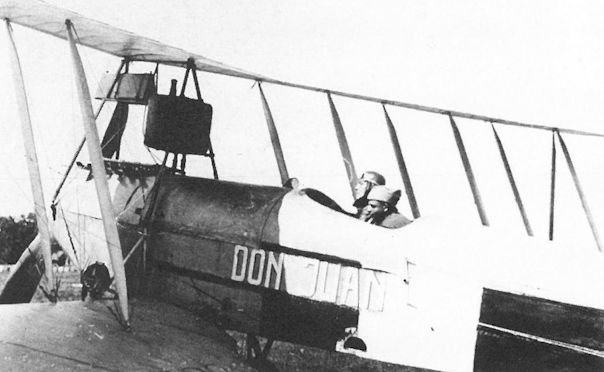
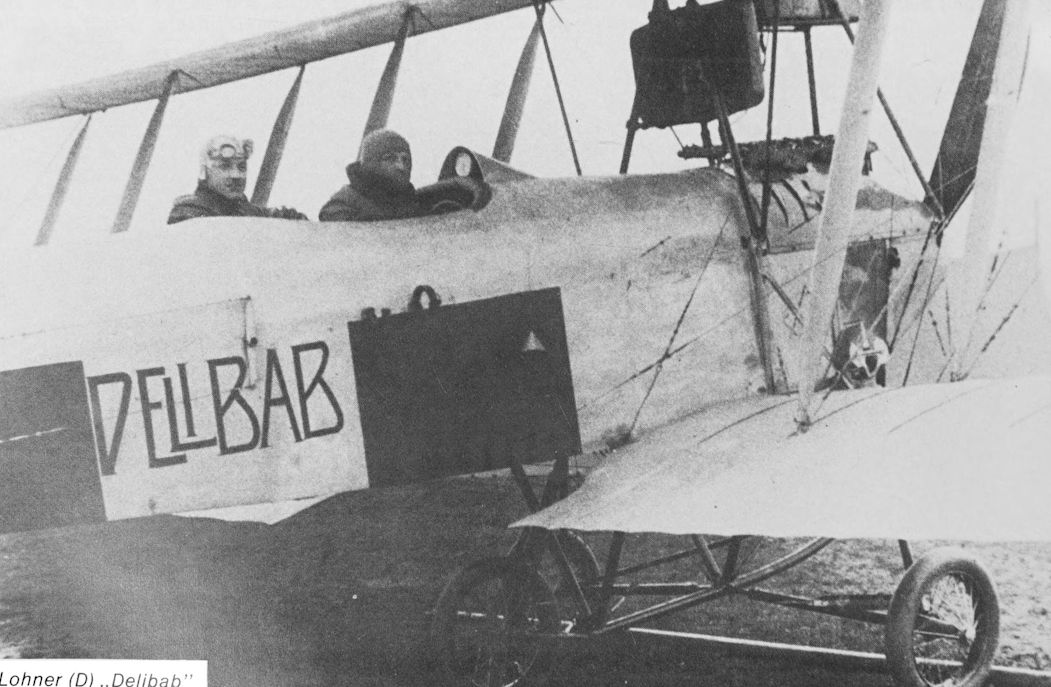
Имена на D: Delibab, Delphin, Dental, Don Juan, Don Quichotte и Dreadnought.
Производитель: Jacob Lohner & Co., Вена-Флоридсдорф.
Назначение: Разведчик.
Построен: 1913
Первый полёт: июль 1913
Бортовой номер: имена на D, сер. № (13.)
Экипаж: 2
Двигатель: 1 × 88 кВт (120 л.с.) Austro-Daimler, 6 цилиндров, двухлопастный винт диаметром 2,80 м.
Размеры:
Размах крыла: верх./нижн. 16,50 / 10,20 м
Длина: 9,50 м
Высота: 3,50 м
Площадь крыльев: 48,0 м²
Веса:
Пустой: 755 кг
Макс. взлётный вес: 1225 кг
Нагрузка на крыло: 25,5 кг/м²
Нагрузка на мощность: 14,2 кг/кВт
Запас масла: 20 кг
Запас топлива: 285 кг
Макс. скорость: 125 км/ч
Время набора 1000 м: 6 мин
Дальность: 1250 км
Продолжительность полёта: 10 ч
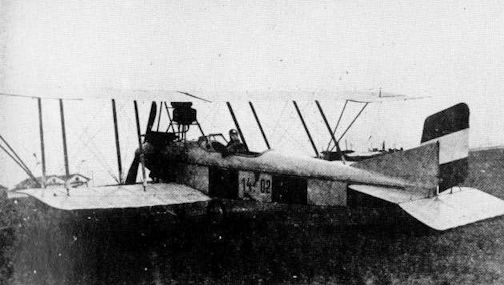
Lohner Schichtpreis Doppeldecker 1914
По одному экземпляру этой модели, разработанной для соревнований с 19 по 26 апреля 1914 года, поступило на вооружение армии и флота. Инженер Виттманн (Wittmann) участвовал в этих соревнованиях. Он выиграл третий километровый приз, первый приз за надежность и первый приз города Джюр (Рааб) (Györ (Raab)). Виттманн добился наилучшего финансового результата в целом.
Производитель: Jacob Lohner & Co., Вена-Флоридсдорф
Назначение: Спортивный самолёт
Производство: 1914 год
Количество: 3
Экипаж: 1 пилот + 1 пассажир
Двигатель: 1 х 111 кВт (150 л.с.) Austro-Daimler, двухлопастный пропеллер
Размеры:
Размах крыльев (верх./ниж.): 13,60/9,00 метров
Длина: 8,80 метров
Высота: 3,50 метров
Площадь крыла: 36,0 квадратных метров
Площадь элеронов: 4,00 квадратных метров
Масса:
Пустой: 690 кг
Максимальный взлетный вес: 990 кг
Нагрузка на крыло: 27,5 кг/м²
Нагрузка на мощность: 8,95 кг/кВт
Максимальная скорость: 130 км/ч
Крейсерская скорость: 120 км/ч
Дальность полёта: 520 километров
Продолжительность полёта: 4 часа
Запас масла: 10 кг
Запас топлива: 140 кг
Lohner B III (Lohner Modell E) 1915
Lohner Modell E, конструкция инженера Леопольда Бауэра (Leopold Bauer), представлял собой дальний разведчик с размерами, близкими к типу D. В конструкцию был внесён ряд технических улучшений. Армейское обозначение - Lohner B III. Бортовой номер - 14. Серия 14.5 строилась на заводе Ufag.
Производитель: Jacob Lohner & Co., Вена-Флоридсдорф.
Назначение: Разведчик.
Построен: 2-е полугодие 1915
Первый полёт: 1915
Количество: 16 экземпляров у Lohner
Бортовой номер: Сер. № 14 + 14.5
Экипаж: 2
Двигатель: 1 × 73,6 кВт (100 л.с.) Austro-Daimler, 6 цилиндров, двухлопастный винт.
Размеры:
Размах крыла: верх./нижн. 13,60 / 9,10 м
Длина: 8,43 м
Высота: 3,15 м
Площадь крыльев: 32,0 м²
Веса:
Пустой: 700 кг
Макс. взлётный вес: 1002 кг
Нагрузка на крыло: 31,9 кг/м²
Нагрузка на мощность: 13,7 кг/кВт
Запас масла: 5 кг
Запас топлива: 112 кг
Макс. скорость: 110 км/ч
Время набора 1000 м: 11 мин
Дальность: 520 км
Продолжительность полёта: 4,34 ч
Lohner B IV (Lohner Modell G) 1915
Модель Lohner G, военное обозначение B IV, производилась на фирме Lohner под серийным номером 15 и на Ufag в Будапеште под номером 15.5. Дальнейшее развитие образца Lohner E.
Производитель: Jacob Lohner & Co., Вена-Хайлигенштадт.
Назначение: Разведчик.
Построен: 1915
Первый полёт: 1915
Бортовой номер: Сер. № 15., 15.5
Экипаж: 2
Двигатель: 1 × 73,6 кВт (100 л.с.) Mercedes, 6 цилиндров, двухлопастный винт.
Размеры:
Размах крыла: верх./нижн. 13,60 / 9,10 м
Длина: 8,43 м
Высота: 3,15 м
Площадь крыльев: 32,0 м²
Веса:
Пустой: 700 кг
Макс. взлётный вес: 1002 кг
Нагрузка на крыло: 31,9 кг/м²
Нагрузка на мощность: 13,7 кг/кВт
Запас масла: 5 кг
Запас топлива: 112 кг
Макс. скорость: 110 км/ч
Время набора 1000 м: 11 мин
Дальность: 520 км
Продолжительность полёта: 4 ч 45 мин
Показать полностью
P.Grosz, G.Haddow, P.Shiemer Austro-Hungarian Army Aircraft of World War One (Flying Machines)
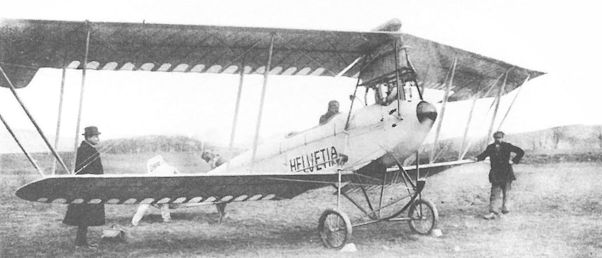
Lohner Pfeilflieger "Helvetia" AD 566
On 10 February 1914, Lohner began work on three Type C Pfeilfliegers, powered by the 85 hp Hiero engine, intended for competition use. One machine, christened Helvetia, flown at Aspern on 21 March 1914 by Oberleutnant Karl Banfield, was exhibited at the annual Berne Fair and demonstrated by Banfield in the Swiss military aircraft competition in April 1914. It was rejected and returned to Vienna. On 15 August 1914, the LA purchased Helvetia less engine. Further information is lacking.
Lohner 10.01 to 10.03
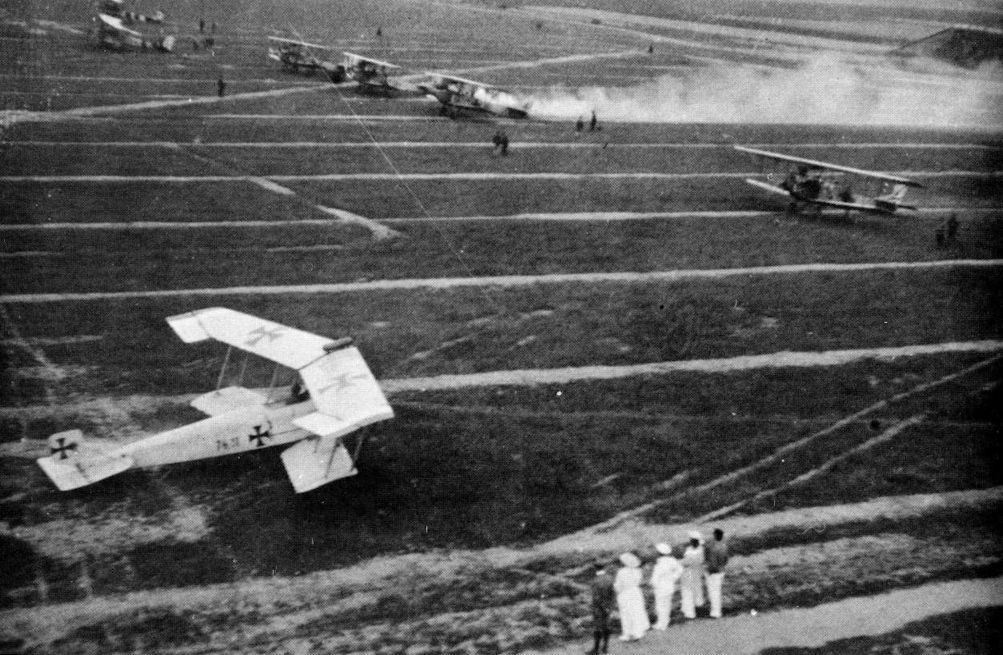
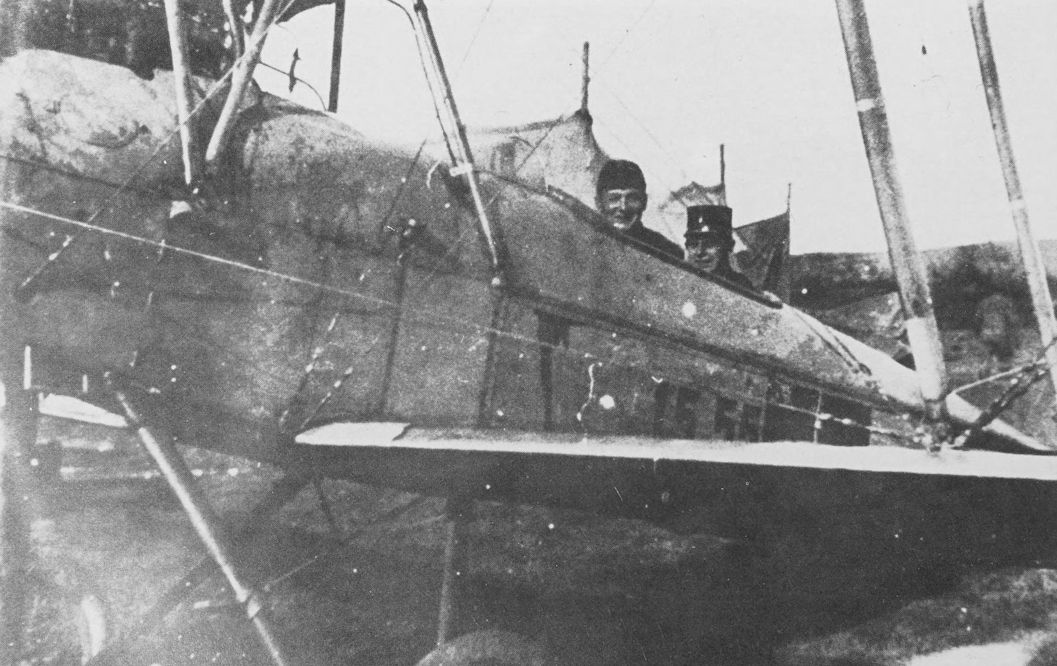
After the Pfeilflieger Type C accident (see Lohner B.II series 12), the LA thoroughly tested each new design before approving production. Consequently, for static testing and flight trials, three prototypes of the improved Lohner Type E Pfeilflieger (AD 810 - AD 812) were ordered on 30 October 1914. Powered by the 100 hp Daimler engine, the first two aircraft, E-01 and E-02, were delivered on 10 December 1914 and E-03 on 21 January 1915. The designations were changed to 10.01-10.03 in February 1915. After passing military tests, the Type E was produced by Lohner as the B.III series 14 and by UFAG as the B.III (U) series 14.5.
Serving as trainers, the Lohner E-01 (10.01) was written-off in October 1916 and the E-02 (10.02), the static load test airframe, later was flown by Fleks 2 and 4 through mid-1915 at least. From the outset the Lohner E-03 (10.03) prototype was modified, being equipped with a simplified wing cellule incorporating a thicker "Knoller profile." Later the complex Lohner undercarriage was redesigned with sprung axles replacing the shock-cord assembly. The E-03 (10.03) was flown as a trainer by Flek 4 until May 1915, when at the direction of Major von Umlauff, Lohner rebuilt the 10.03 by modifying the wings and installing a 100 hp Mercedes engine. As such the 10.03 became the prototype for the Lohner Type G and was assigned the designation B.IV 15.01 (see Lohner B.IV series 15 chapter).
Lohner 10.01 (AD 810) Specifications
Engine: 100 hp Daimler
Wing: Span Upper 13.60 m (44.62 ft)
Span Lower 9.10 m (29.86 ft)
Total Wing Area 31.9 sq m (343 sq ft)
General: Length 8.43 m (27.66 ft)
Height 3.48 m (11.42 ft)
Empty Weight 625 kg (1378 lb)
Loaded Weight 920 kg (2029 lb)
Climb: 1000m (3,281 ft) in 11 min
Lohner 10.05
Among the competition Pfeilfliegers financed by Lohner and MLG was Pfeilflieger AD 578, construction of which began on 24 March 1914. The Pfeilflieger, powered by a 120 hp Daimler engine, was flown in the Schicht Flug by Oberleutnant Karl Banfield (competition No.9) who, prohibited as an Army officer from using his name, used the pseudonym 'Mumb.' Although the aircraft had been expected to win the speed competition, Banfield had to be content with second prize. It is believed the AD 578 was the same as the Lohner D-R (Daimler Renndoppeldecker - racing biplane) which was purchased less engine in August 1914 and assigned number 10.05 in February 1915. According to von Mises' diary a new 120 hp Daimler engine was installed in May 1915. 10.05 served with Flek 1 and 6 as a trainer before being written-off in June 1915.
Lohner 10.07
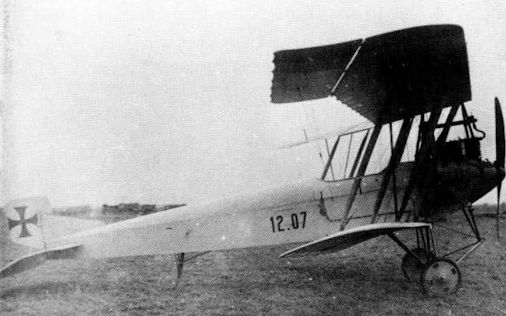
In April 1913, Lohner began the construction of a Gebirgsflieger (mountain flyer - AD 350), powered by a 80 hp Gnome rotary engine, designed to climb faster and operate at higher altitude than heavier aircraft with water-cooled engines. On 20 August 1913, shortly after completion, Uzelac test flew the machine which was delivered to the LA on 30 August 1913 under the designation "experimental machine G-1." Used as a trainer, it was based at Flugpark 3 in Gorz in February 1914. There is no record of wartime service.
A second, private-venture Gebirgsflieger (AD 490) powered by a 100 hp Gnome, begun on 27 October 1913, was built in response to the success of the French rotary-engined aircraft at the Second International Flugmeeting. Because Lohner did not employ a full-time company acceptance pilot, it was not unusual for military pilots to carry out this task. On 27 February 1914, Oberleutnant Eugen Elsner performed the maiden flight which, according to a witness, demonstrated the plane's precise maneuverability, a rapid rate of climb, and high speed. Although built at the express wish of the LA, a subsequent lack of interest caused bitter recriminations. The machine did not participate in the two 1914 competitions. When purchased by the LA on 15 August 1914, it was designated LG-490 and entered training service with Flek 1 and later Flek 6. Numbered 10.07 in February 1915, the trainer was badly damaged on 2 December 1915 and written-off.
Lohner 10.07 (AD 490) Specifications
Engine: 100 hp Gnome
Wing: Span Upper 12.00 m (39.37 ft)
Span Lower 8.60 m (28.21 ft)
Chord Upper 1.56 m (5.12 ft)
Chord Lower 1.50 m (4.92 ft)
Total Wing Area 26.7 sq m (287 sq ft)
General: Length 7.80 m (25.59 ft)
Height 3.50 m (11.48 ft)
Empty Weight 460 kg (1014 lb)
Loaded Weight 780 kg (1720 lb)
Climb: 1000m (3,281 ft) in 8 min
Lohner 10.12
Buoyed by the success of the Type B biplane, the LA requested Lohner to develop a lighter version with improved climbing ability for operation in mountainous terrain. A lighter engine was chosen, namely the four-cylinder 85 hp Hiero. Construction of the prototype known as the Gebirgsflieger Type C (mountain flyer - AD 353) was begun as a private venture on 4 April 1913. The prototype appeared at the Second International Flugmeeting at Aspern on 14 June 1913 for viewing only and was delivered to the LA in August. On 24 August 1913, crewed by Leutnant Hans Mandl and Oberleutnant Nikolaus Wagner Edler von Florheim, it became the second aircraft to fly over the Semmering, and the first carrying a passenger. While testing the engine the next day, the carburetor caught fire, destroying the top wing in the process.
The LA purchased the Type C prototype (AD 353) on 10 September 1913 under the military designation C-01. Before committing the type for production, C-01 was flight tested in concert with a second prototype, designated C-02 (see Lohner 10.13). In February 1914 C-01 was stationed at Flugpark 3 in Gorz. The designation was changed to 10.12 in February 1915.
Lohner 10.13
Lohner built a second Gebirgsflieger Type C prototype (AD 406) for factory flight test and evaluation. The completion date was prior to 10 September 1913. In view of the imminent delivery of Type C production machines, Uzelac requested the purchase of this company-owned aircraft for use as a transition trainer. Designated C-02, the Pfeilflieger was turned over to the LA on 13 December 1913 and formally purchased on 29 January 1914. Lohner C-02 was stationed at Flugpark 1 in February 1914 and redesignated 10.13 in February 1915. It was last reported based at Flek 7 in May 1915.
Lohner 10.14
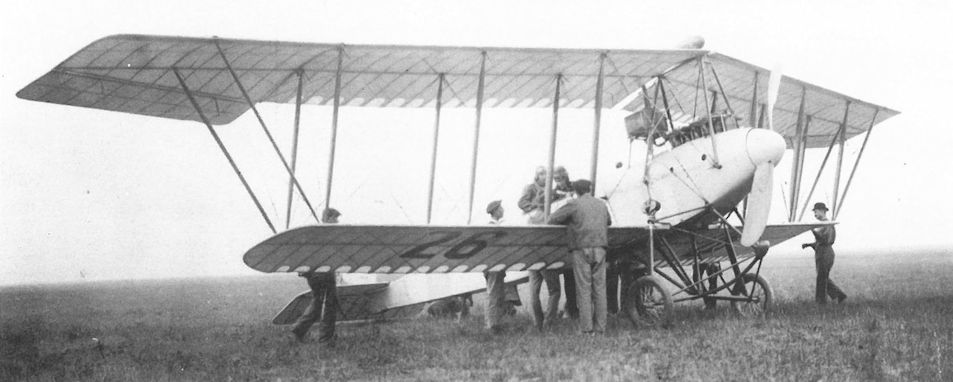
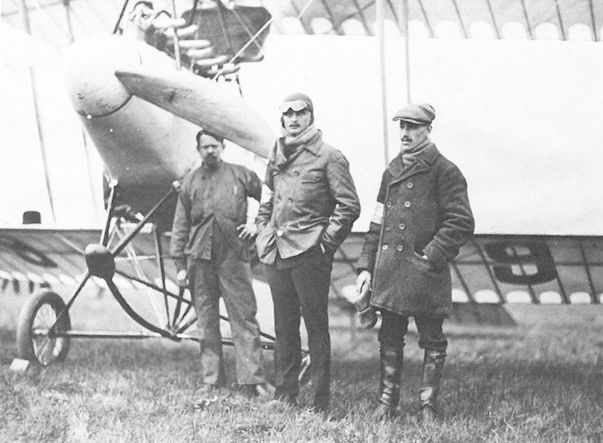
In the Third International Flugmeeting, Lohner entered a brand-new Meeting Apparat 1914 (provisionally identified as AD 580) powered by a "special" 140 hp Daimler engine. Company pilot Viktor Wittmann (competition No.26) only managed fifteenth place in the overall standings because of engine problems. Lohner sold Pfeilflieger AD 580 less engine to the LA on 27 January 1915. The aircraft, assigned the military designation D 26, was flown by Flik 1 on the Serbian Front. On 31 July 1914, D 26 grazed a chimney while landing but fortunately neither Oberleutnants Raoul Stojsavljevic nor Franz Kabelac were injured. In February 1915, D 26 received the designation 10.14 and was last reported in 1915 serving as a trainer with Flek 3 in Graz-Thalerhof.
Lohner B.II Series 12
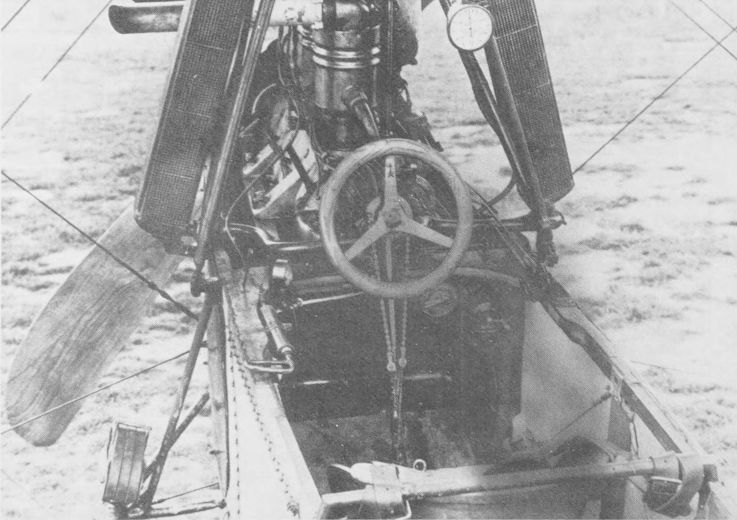
For operation in mountainous terrain, the LA ordered the Type C Gebirgsflieger (mountain flyer), a lighter Type B that was powered by the new 85 hp Hiero four-cylinder engine which weighed 51 kg (112 lb) less than the six-cylinder, 90 hp Daimler. The Type C was a new design featuring a vertical fuselage sternpost as compared to the Type B's horizontal sternpost. To serve as an engine and structural-test machine, Cyklon (AC 957 - a lightened Type B) was purchased on 27 November 1912 and delivered to the LA in December. After Cyklon failed the load test, chief engineer Paulal blamed "the less-robust construction and worn airframe" and assured the LA that the production Type C would have a safety factor of at least 5 (3.5 was specified) which may explain why a production airframe was not subjected to load tests.
The Type C prototype, designated C-01 (later 10.12), was delivered to the LA in August 1913. The second prototype remained the property of Lohner until purchased by the LA as C-02 (10.13) in January 1914. On 10 December 1913, the LA ordered 24 Type C Gebirgsflieger which were designated C-1 to C-24 (AD 500-523). Another Gebirgsflieger, designated C-25 and given a reinforced engine mount and longer fuselage, was delivered in July 1914. As their first production order, UFAG received a contract for 18 Type C, designated C-41 to C-58, on 9 January 1914.
The first production aircraft, designated C-1, was accepted on 4 February 1914 and five machines followed in short order. Lohner flight testing was performed by company pilots Viktor Wittmann, Edmund Sparmann and Ferdinand Konschel with Lili Steinschneider, the first Hungarian woman pilot, often in the observer's seat. After a demonstration by Karl Illner, Uzelac who positively enjoyed flying new aircraft, took the Type C aloft. He reported vibrations of such intensity that his hands were "electrified," forcing him to wrap his arms around the wheel to maintain control. Being flown without a passenger, the aircraft was extremely nose heavy and only by pulling the control column hard against his chest was Uzelac able to land safely. Lohner blamed the vibrations on the Hiero engine, but Uzelac said such vibrations were absent from the Hiero-engined Etrich Taubes. On the plus side, the Type C with a passenger aboard showed good performance and flight characteristics.
Oberleutnant Eugen Elsner, an experienced pilot assigned to the Versuchsflik (test section) and responsible for aircraft acceptance, was one of the officers who performed the customary "sign-off" flight. In reply to Elsner's inquiry whether tight turns and dives were safe, Paulal avowed that "there was absolutely nothing to fear." On 9 March 1914, a black day for the LA, Elsner and his passenger, Zugsfuhrer Philipp Srna, were killed when the left wing of aircraft C-2 collapsed in flight. Eye witnesses reported that the accident occurred in level flight, but Lohner claimed that Elsner was pulling out of a "full-throttle dive." All Type C aircraft were grounded, Lohner and UFAG production stopped, and an order for an additional 18 aircraft deferred pending the outcome of the crash committee findings.
When airframe C-5 was tested on 14 March 1914, the wings failed much like Elsner's crash at a load factor of 2.4. Lohner then reinforced the wing cellule but it was not enough. On the third test, performed 20 March 1914, a new wing with heavier fittings, stronger struts, and additional wire bracing achieved satisfactory results. It was recommended that the existing wings be reinforced in the same manner, but the LA countermanded the crash commission on grounds that the profusion of additional wire rigging would make it difficult, if not impossible, to properly align the wings. Nor would the resulting performance meet the contractual specifications. In April 1914, the LA ordered Lohner to deliver new wings at the company's expense, but later provided funds to speed replacement in view of the deteriorating political situation. Professor Richard Knoller designed the new Type C wing employing a stronger spar and thicker rib section that "Paulal had so steadfastly refused to consider in the past."
At the time of mobilization the Type C aircraft were grounded, but notwithstanding their poor condition six aircraft were provisionally reinforced and ready for assignment on 1 August 1914. Lohner was scheduled to complete the remaining modification by 31 October 1914. The Type C served with Fliks 4 and 6 in the Balkans and Fliks 8, 10, and 15 on the Russian Front. The first reports from the Front were hardly encouraging. On 25 August 1914, the commander of Flik 10 reported:
The squadron's six aircraft have such strong vibrations induced by the unbalanced Hiero engine that in spite of great care taken during flight and landing, rigging wires snap and metal fittings, fuel and water lines break. Because of the vibrations, the instruments are unreadable.
On the other hand, five Type C biplanes were flown by Flik 6 at Igalo from October-December 1914 with moderate success. Armed with an observer's machine gun mounted on the port side, Lohner C-11 supported infantry attacks at Grab (9 November 1914) and Trebinje (28 December 1914), thought to be among, if not the first, "infantry contact patrols" of the war. Another first occurred on 30 November 1914, when Oberleutnants Bela Losonczy von Losoncz and Johann Wierzejski of Flik 15, flying a Lohner Type C Pfeilflieger, shot down a Russian aircraft with a repeating rifle. At the Front, the Type C was flown only because no other aircraft were available, and it was quickly withdrawn as soon as German replacement aircraft arrived.
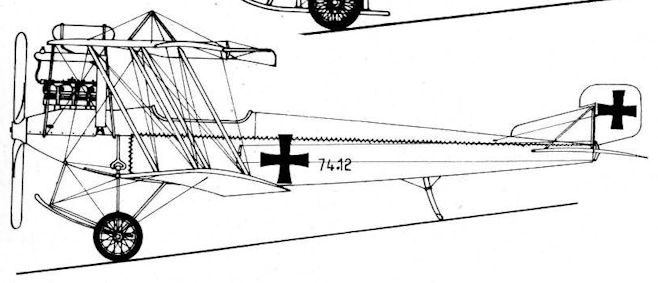
In February 1915, the Type C was re-designated Lohner B.II 12.01 to 12.25 (ex C-1 to C-25). The Type C was withdrawn from the Front in May 1915 and seven dispatched to Fischamend for installation of new wings and other modifications. From early 1916 through March 1917, the Flugzeugwerk Fischamend built 45 Type C trainers, designated Lohner B.II (Fd) series 74. In June 1917, the last original Lohner B.II (12.17) was retired from service and placed into the aircraft collection at Fischamend.
Lohner B.II Series 12 Specifications
Engine: 85 hp Hiero
Wing: Span Upper 13.00 m (42.65 ft)
Span Lower 9.20 tn (30.18 ft)
Chord Upper 1.50 m (4.92 ft)
Chord Lower 1.49 m (4.89 ft)
Gap 1.85 m (6.07 ft)
Stagger 0.95 m (3.12 ft)
Total Wing Area 30.4 sq m (327 sq ft)
General: Length 8.30 m (27.23 ft)
Height 3.20 m (10.50 ft)
Empty Weight 560 kg (1235 lb)
Loaded Weight 920 kg (2029 lb)
Maximum Speed: 125 km/hr (78 mph)
Climb: 1000m (3,281 ft) in 7 min
Lohner B.II(U) Series 12.4
The first production contract UFAG received, signed on 9 January 1914, called for 18 Lohner Type C biplanes powered by the 85 hp Hiero engine. The original aircraft designation, C 41 to C 58, was changed to Lohner B.II(U) 12.41 to 12.58 in February 1915. The UFAG factory began production on 1 March 1914 and the first aircraft were rolled out in early June, only to be returned for "reconstruction" because serious structural deficiencies had been discovered in the Lohner-built Type C biplanes. Acceptance of the strengthened Type C began in August and ended in November 1914. The UFAG-built B.II was assigned to Fliks 4, 8, 9, 15 and 16. The most notable accomplishment occurred when six aircraft of Flik 9, carrying bombs in place of the observers, attacked the Serbian arsenal at Kragujevac on 24 November 1914. Flik 9 reported the undercarriages were so fragile that most of the aircraft suffered structural damage. Beginning in May 1915, the remaining biplanes were sent to Fleks 1-5 and 7 to serve as trainers until 15 November 1915, at which time those damaged aircraft requiring extensive repairs were to be written-off. However, a few UFAG-built B.II biplanes remained in training inventory until May 1916.
Lohner (B.III) Series 13
Karl Hiner's great success piloting the Pfeilflieger (AD 355), powered by the new 120 hp Daimler engine, at the Second International Flugmeeting in June 1913 was welcome news to the LA, who had ordered six Lohner Type D Pfeilfliegers powered by the same engine and configured as long-range reconnaissance aircraft with a specified flight duration of 10 hours. The Type D went into production on 7 May 1913 and the contract was signed on 25 June. The following aircraft were delivered between 24 August and 11 September 1913: Delibab (AD 356-13.04), Delphin (AD 357-13.01), Dental (AD 358-13.02), Don Juan (AD 359-13.03), Don Quichotte (AD 360), and Dreadnaught (AD 361).
At the summer 1913 Kaiser Maneuvers, eleven emergency landings caused by erratic running engines led the LA to disassemble the Type D aircraft for storage at Fischamend until the problem was resolved. By December 1913 the Type D had been returned to Lohner and after modification five aircraft were reported in flying condition on 1 February 1914. As a precautionary measure following Elsner's crash (see the Lohner B.II series 12), a Type D airframe was also load tested and showed similar premature wing failure. Installation of additional wire bracing, recommended as an interim solution by Professor Knoller, rescinded the grounding order.
In mid-1913, the LA began to investigate air-to-ground wireless communication and at the end of May 1914, Professor Dr Leopold Kann installed an experimental Telefunken-Siemens-Halske transmitter in Dental for flight evaluation. The 50 meter (164 ft) aerial caused some concern but it remained well clear of the elevator in flight. Ground signal reception was clear and ensuing spotting trials to direct artillery fire produced excellent results. Austro-Hungarian historians claim that this was the first successful direction of artillery fire from the air.
Lohner reported on 18 July 1914 that the "planned reconstruction" (what was involved is not known) of six Type D plus one competition aircraft could not be completed until late autumn 1914. Pushed by the exigencies of war, the work was cancelled and four Type D Pfeilfliegers went to the Front with Flik 1. After rotted wing ribs were found in the course of routine inspection, the rear-area aircraft park replaced the ribs and wingtip sections. Two Type D aircraft were lost. Dreadnought, with Oberleutnants Hugo Schwab and Franz Kabelac aboard, was downed on 14 August by Russian troops because the aircraft was incapable of climbing over 500 meters (1640 ft). On 16 August, Oberleutnant Josef Flassig and Leutnant Engelbert Wolf lost their lives when Don Quichotte crashed due to wing failure. The news spread like wildfire through the LA, destroying the last vestige of confidence in Lohner aircraft. As a result, the four remaining Type D aircraft were grounded and scrapped.
Lohner (B.III) Series 13 Specifications
Engine: 120 hp Daimler
Wing: Span Upper 16.50 m (54.13 ft)
Span Lower 11.40 m (37.40 ft)
Chord Upper 2.09 m (6.86 ft)
Chord Lower 1.86 m (6.10 ft)
Gap 2.26 m (7.41 ft)
Stagger 1.05 m (3.44 ft)
Total Wing Area 49.4 sq m (532 sq ft)
General: Length 9.50 m (31.17 ft)
Height 3.50 m (11.48 ft)
Track 2.20 m (7.22 ft)
Empty Weight 755 kg (1665 lb)
Loaded Weight 1225 kg (2701 lb)
Maximum Speed: 130 km/hr (81 mph)
Climb: 1000m (3,281 ft) in 10 min
Lohner B.III Series 14
To restore confidence in Lohner aircraft after the Pfeilflieger wing failures, Professor Knoller was chosen to redesign the wing structure. First appearing in the Lohner Type E, Knoller's design had fewer wing ribs, a thicker rib section, reduced wire bracing, and wing tips supported by V-struts. The Knoller wing, approved by the LA in November 1914, was specified for 24 Type E Pfeilfliegers, of which 16 were ordered from Lohner and 8 from UFAG. The aircraft built by Lohner (AD 813-828), initially numbered E-1 to E-16, were re-designated B.III 14.01 to 14.16 in February 1915. The UFAG-built aircraft were numbered E-20 to E-27; then changed to E-51 to E-58 before being re-designated B.III (U) 14.51 to 14.58. When the contract was signed on 4 January 1915, Type E assembly was already underway. Deliveries were scheduled to end in early February; however, most of the aircraft were not accepted until April 1915.
The Type E was issued singly to Fliks 2 (Serbian Front), 12 (Isonzo Front), and 16 (Karnten). Fitted with a 100 hp Daimler engine, the aircraft were reported so badly underpowered as to be virtually useless. Soon after the start of hostilities with Italy, Army Group Rohr wrote:
Flik 12 is equipped with Type E Pfeilfliegers that are unable to carry machine gun or bomb armament. Owing to the poor rate of climb and radius of action, the aircraft are barely equal to the difficult mountainous terrain (Karnten region). To direct the heavy artillery, we urgently request aircraft with more powerful engines.
As a result, many of the B.III series 14 aircraft were dispatched directly from the factory to training units (Fleks 1-5 and 7) and were soon joined by those from the Front. By October 1915, five B.IIIs remained in training inventory, and plans to modify these for dual controls were dropped. As late as July 1917, four B.III trainers were still active.
Lohner B.III Series 14 Specifications
Engine: 100 hp Daimler
Wing: Span Upper 13.60 m (44.62 ft)
Span Lower 9.14 m (29.99 ft)
Chord Upper 1.65 m (5.41 ft)
Chord Lower 1.55 m (5.09 ft)
Sweepback Upper 12 deg
Gap 1.90 m (6.23 ft)
Stagger 0.71 m (2.33 ft)
Total Wing Area 31.9 sqm (343 sq ft)
General: Length 8.43 m (27.66 ft)
Height 3.15 m (10.33 ft)
Empty Weight 685 kg (1510 lb)
Loaded Weight 1000 kg (2205 lb)
Maximum Speed: 115km/hr(71 mph|
Climb: 1000m (3,281 ft) in 11 min 20 sec
Lohner B.III(U) Series 14.5
UFAG signed a production contract on 18 January 1915 for eight Lohner Type E biplanes powered by the 100 hp Daimler engine. As assembly work was already underway, the aircraft were scheduled for delivery between 1 and 25 February 1915. To avoid conflict with Lohner, the designation numbers E-20 to E-27 were changed to E-51 to E-58 and remained in force until February 1915, when the aircraft were redesignated Lohner B.III(U) 14.51 to 14.58. The biplanes, accepted during April-May 1915, served with Fleks 1, 2, 3, 5, 7, and 9 as trainers. Aircraft 14.58 was attached to Flik 16 as a trainer on the Italian Front in May-June 1916. Two aircraft remained active as secondary school machines until 1918.
Lohner B.IV Series 15
In May 1915, under the direction of Major von Umlauff Lohner rebuilt the Lohner 10.03 (Type E) prototype with new wings, a simplified undercarriage, and a 100 hp Mercedes engine. The rebuilt Pfeilflieger was designated Type G and upon delivery on 21 June 1915, received the military designation B.IV 15.01. It was the sole Type G built by Lohner, although UFAG delivered a batch of eight aircraft designated B.IV(U) series 15.5. Aircraft 15.01 was written-off in August 1915.
Lohner B.IV Series 15 Specifications
Engine: 100 hp Mercedes
Wing: Span Upper 13.60 m (44.62 ft)
Span Lower 9.10 m (29.86 ft)
Total Wing Area 31.9 sq m (343 sq ft)
General: Length 8.43 m (27.66 ft)
Empty Weight 725 kg (1599 lb)
Loaded Weight 1000 kg (2205 lb)
Maximum Speed: 115 km/hr(71 mph)
Climb: 1000m (3,281 ft) in 11 min
Lohner B.IV(U) Series 15.5
On 15 May 1915, UFAG received an order for eight Lohner B.IV(U) biplanes, numbered 15.51 to 15.58 and based on the Lohner Type G prototype (15.01). The airframe was identical to the Lohner B.III(U) series 14.5 except that a 100 hp Mercedes engine and a new undercarriage were fitted. Of the eight aircraft, accepted between May and July 1915, four were intended for Flik 12 on the Isonzo Front but they saw little operational service because of their poor performance. In mid-1916 all eight biplanes were attached to Fleks 1-5 and 7 and as of July 1917, three B.IV(U) series 15.5 trainers were still in service.
Lohner B.II(Fd) Series 74
The rationale for building a patently obsolete pre-war aircraft when modern trainers were available appears hardly justifiable, even if the design was stable and easy to fly. Yet in early 1916, the Flugzeugwerk began production of 46 new Lohner B.II(Fd) series 74 trainers, the last of which was delivered in March 1917! Another seven were modified from original Lohner-built airframes. The series that numbered 74.01 to 74.53 was powered by a 85 hp Hiero engine. In the course of its training duties, the B.II(Fd) was often repaired and modified. It was flown as an advanced trainer at Fleks 1-7, 12, and 13 and Schulkompagnie 1. Forty-five B.II(Fd) biplanes were in the training command inventory as of 1 July 1917, and at least 15 were still active in mid-1918.
Lohner B.II(Fd) Series 74
Engine: 85 hp Hiero
Wing: Span Upper 13.50 m (44.29 ft)
Sweepback Upper 13 deg
Gap 1.80 m (5.91 ft)
Total Wing Area 32.0 sq m (344 sq ft)
General: Length 8.30 m (27.23 ft)
Track 1.90 m (6.23 ft)
Empty Weight 530 kg (1169 lb)
Loaded Weight 776 kg (1711 lb)
Climb: 1000m (3,281 ft) in 8 min 10 sec
Показать полностью