Описание
Страна: Франция
Год: 1915
Истребитель
В.Кондратьев Самолеты первой мировой войны
СПАД A1/A2/A4 / SPAD A1/A2/A4
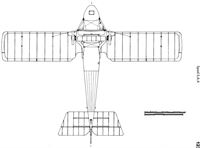
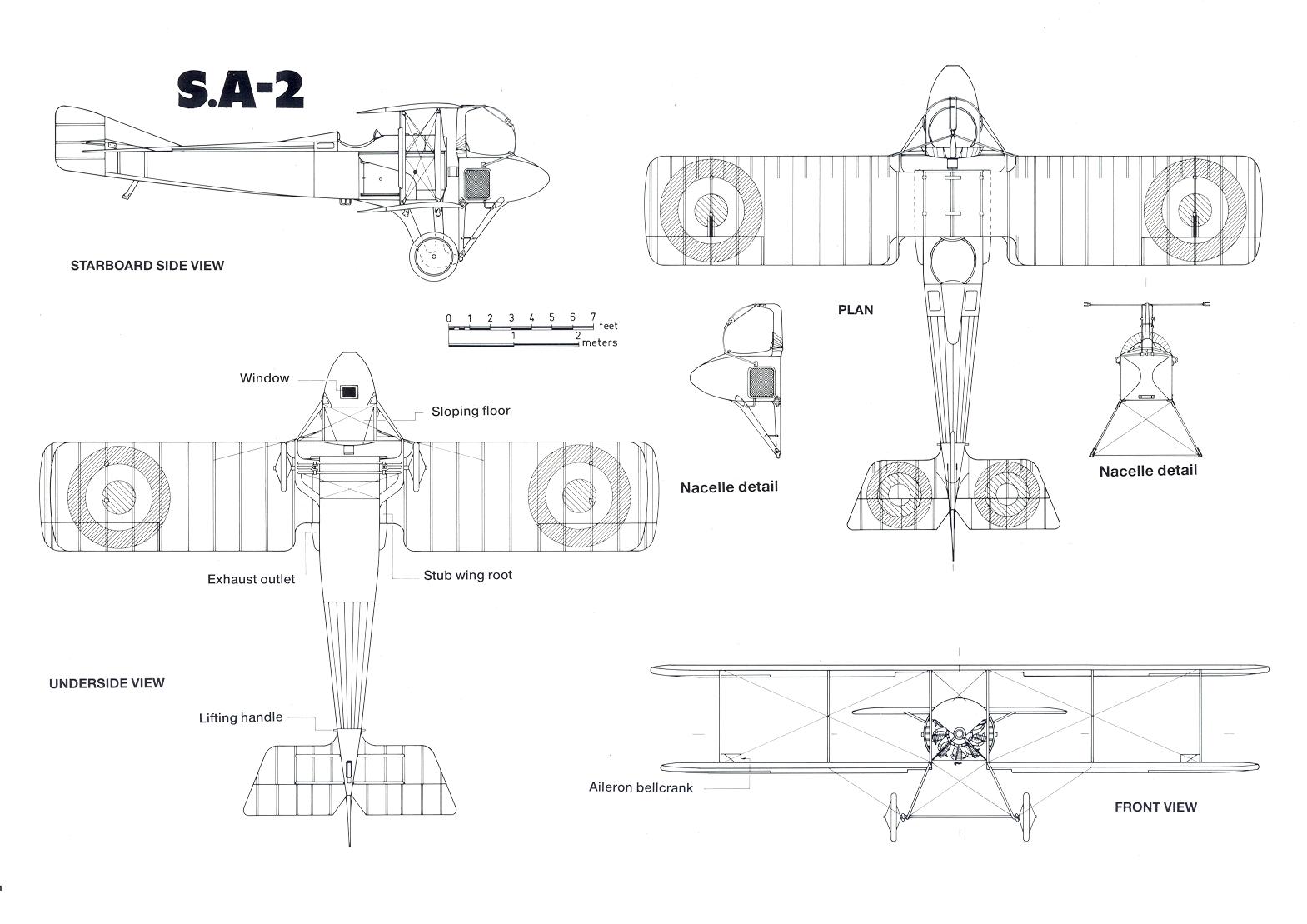
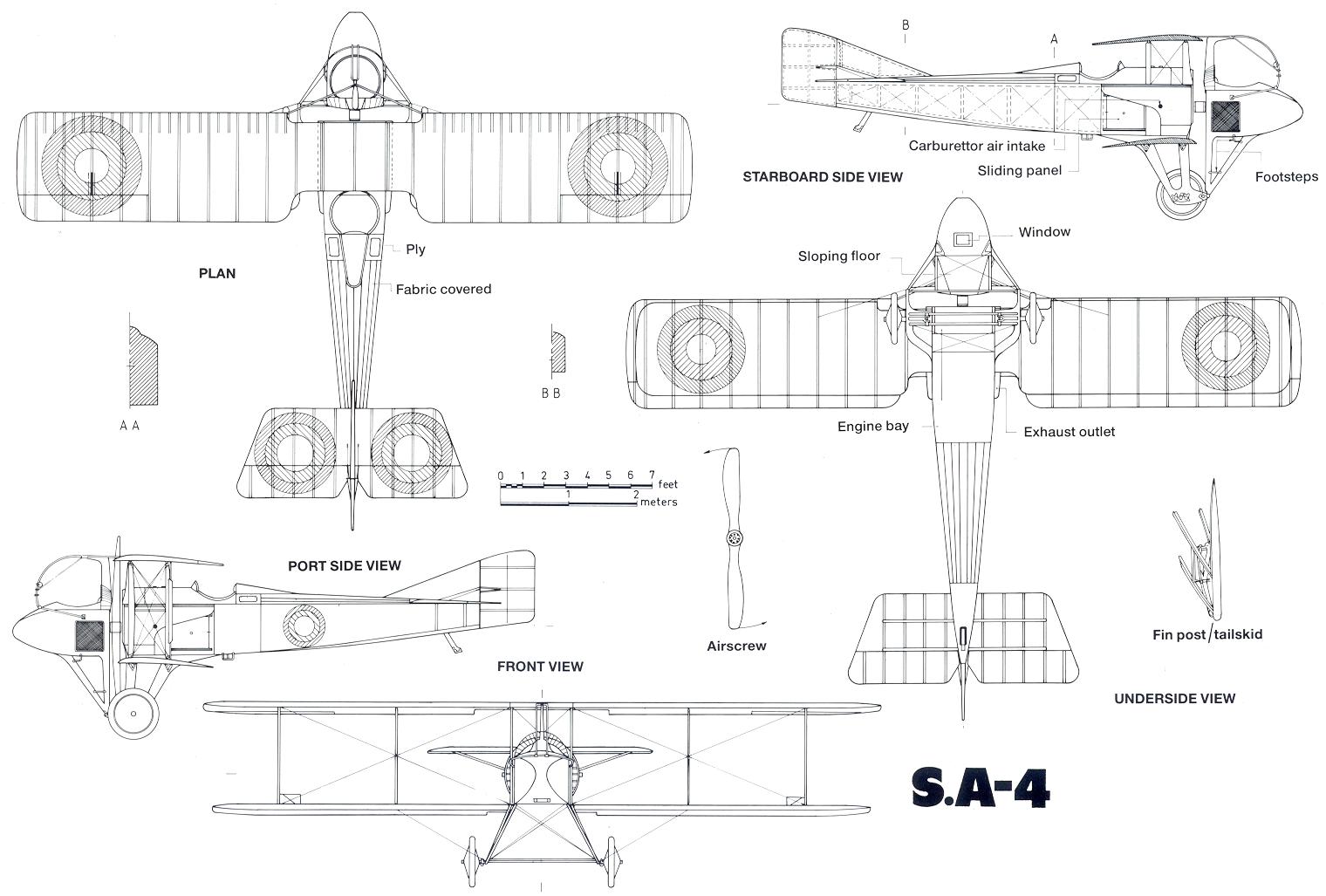
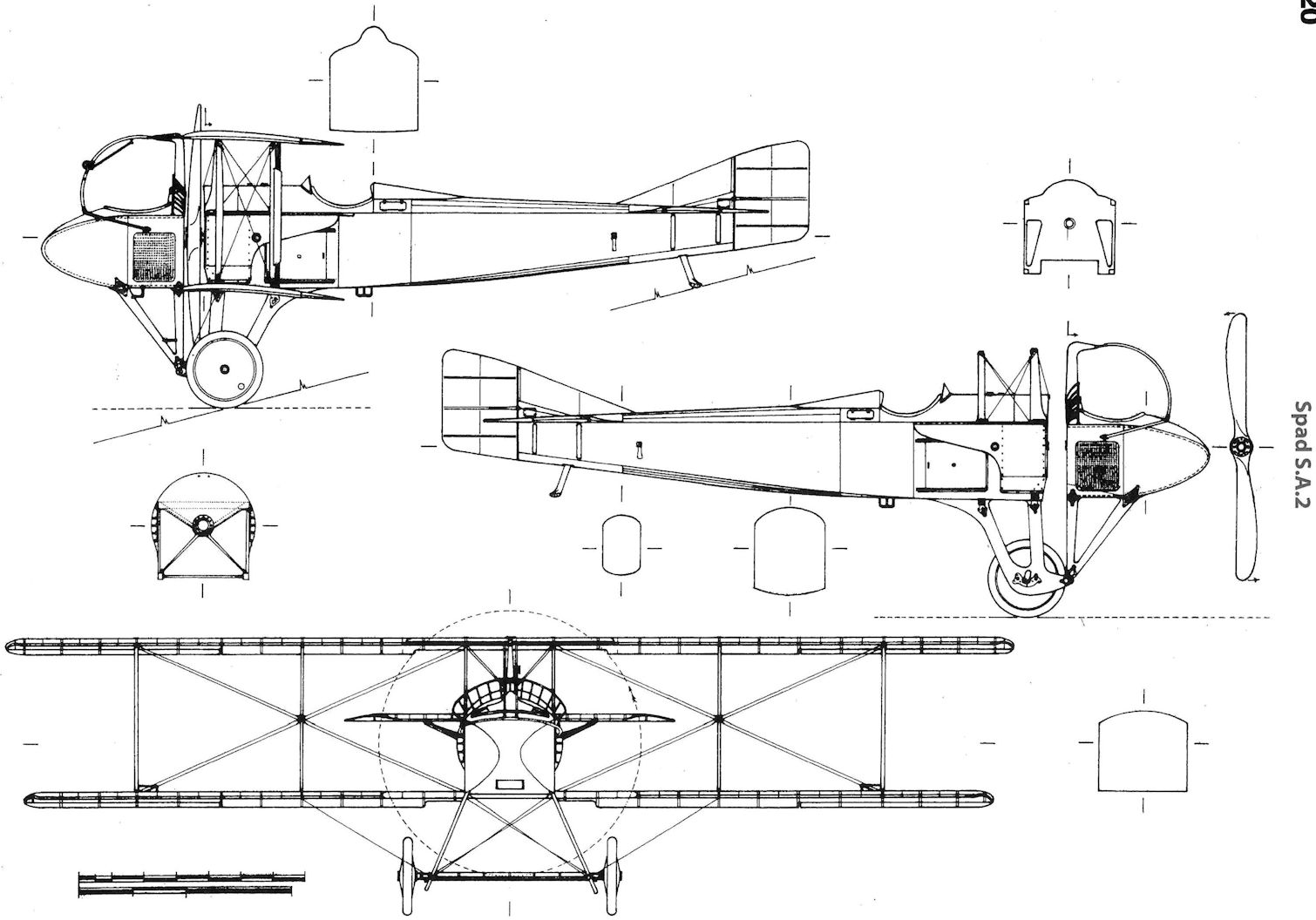
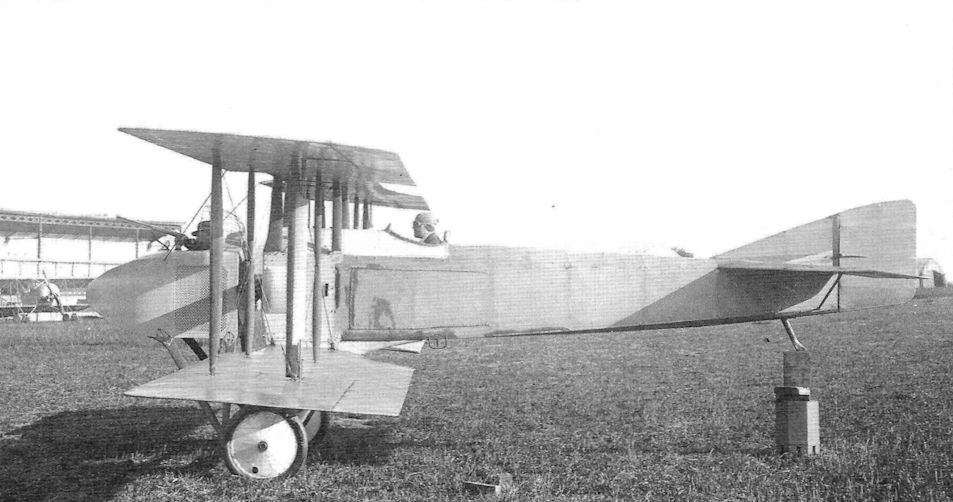
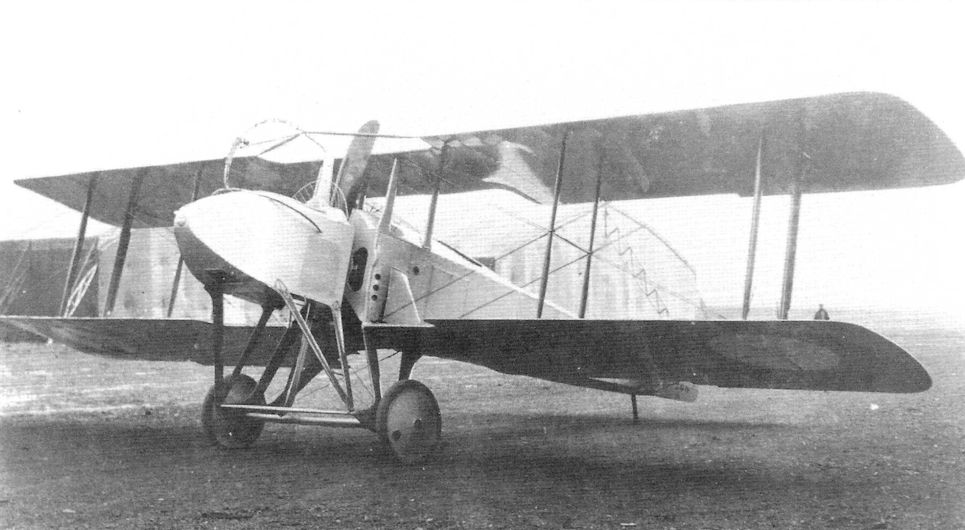
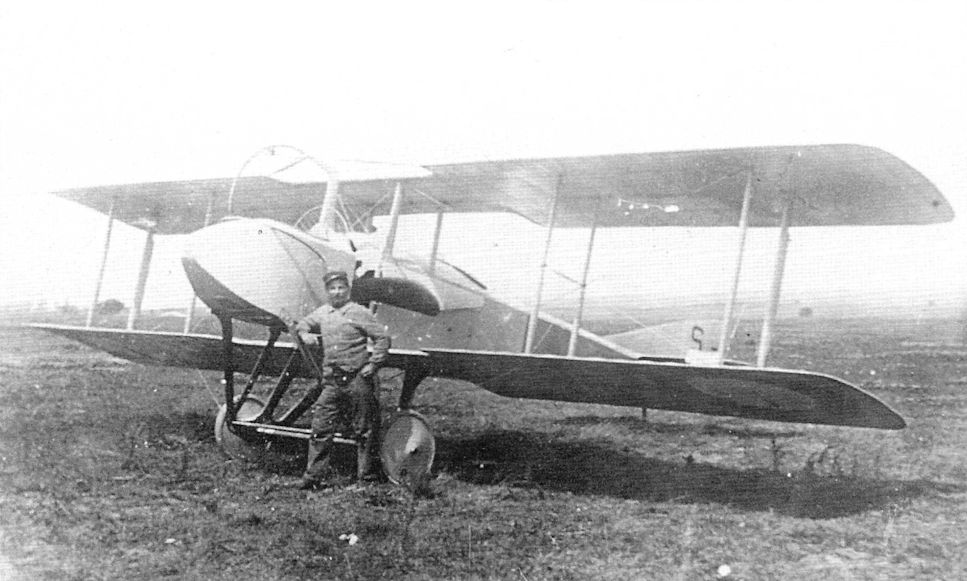
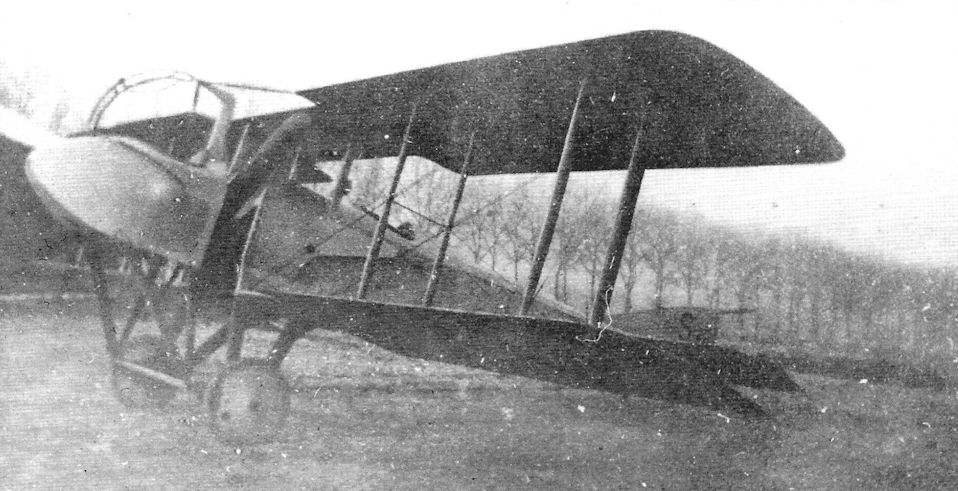
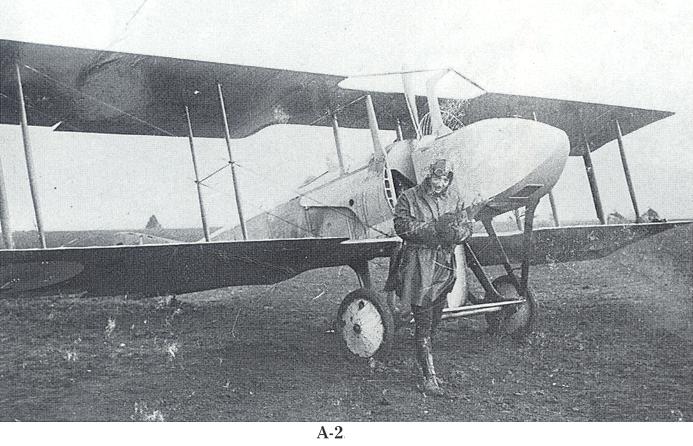
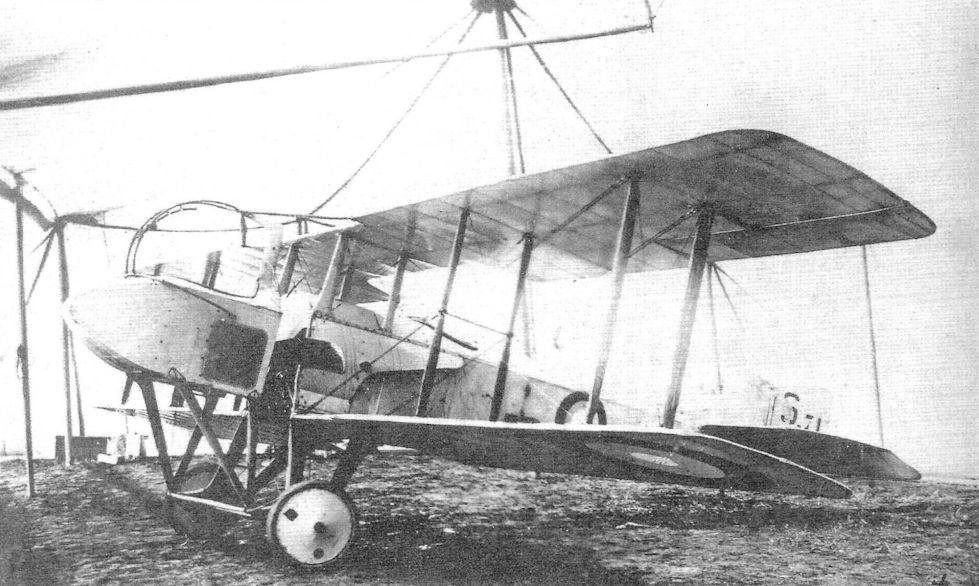
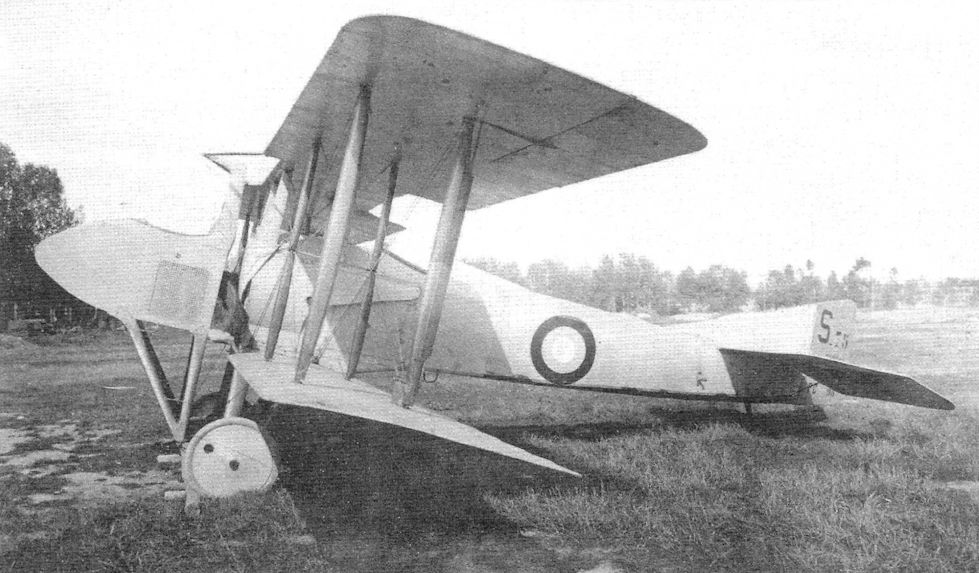
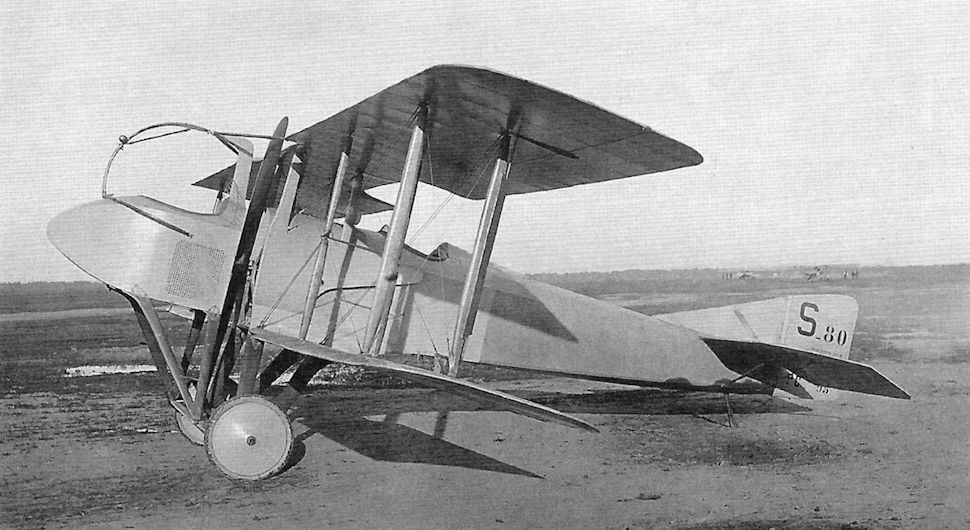
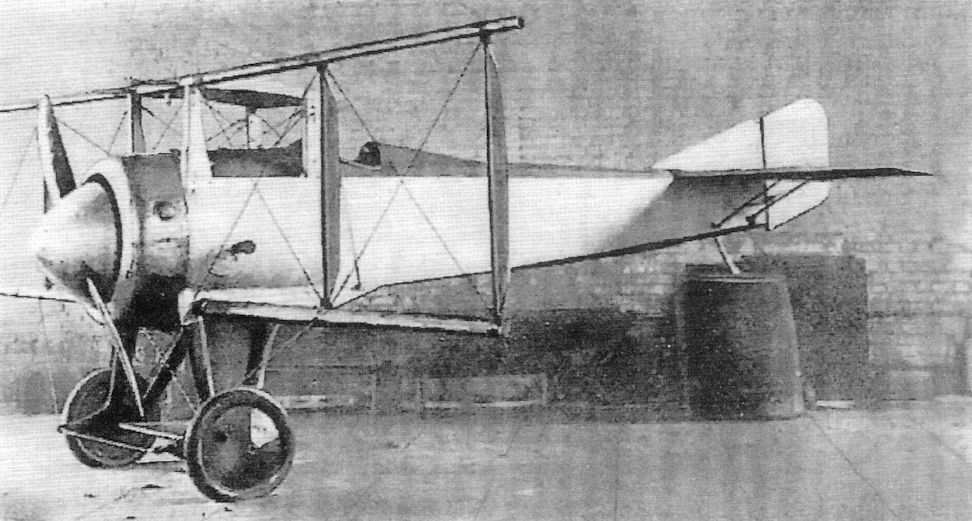
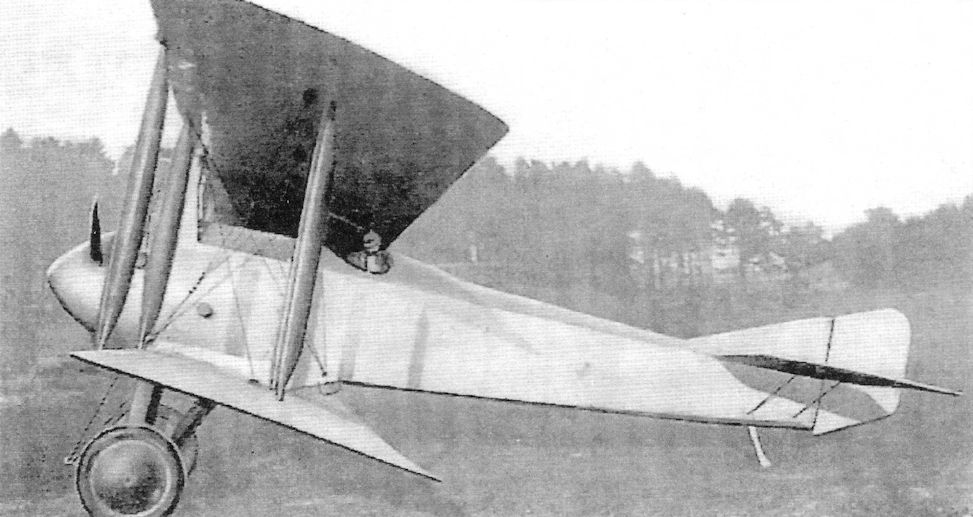
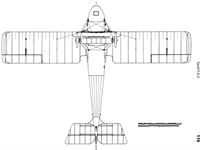
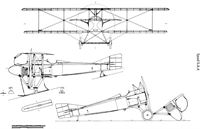
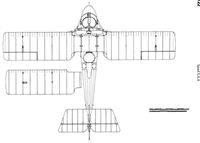
Цельнодеревянный одностоечный биплан со смешанной обшивкой. В местах скрещения расчалок установлены дополнительные деревянные стяжки, соединяющие их с крыльями, из-за которых самолет выглядел как двухстоечный, но эти стяжки не несли силовой нагрузки, а предназначались лишь для предотвращения вибрации расчалок. Подобная схема бипланной коробки применялась на всех истребителях "Спад" периода Первой мировой войны.
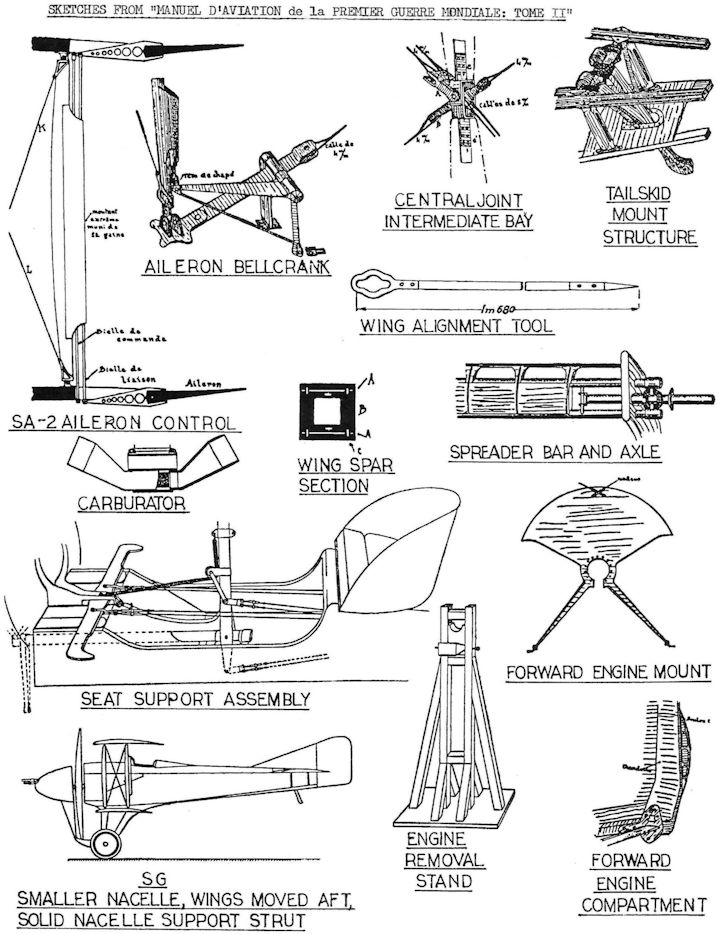
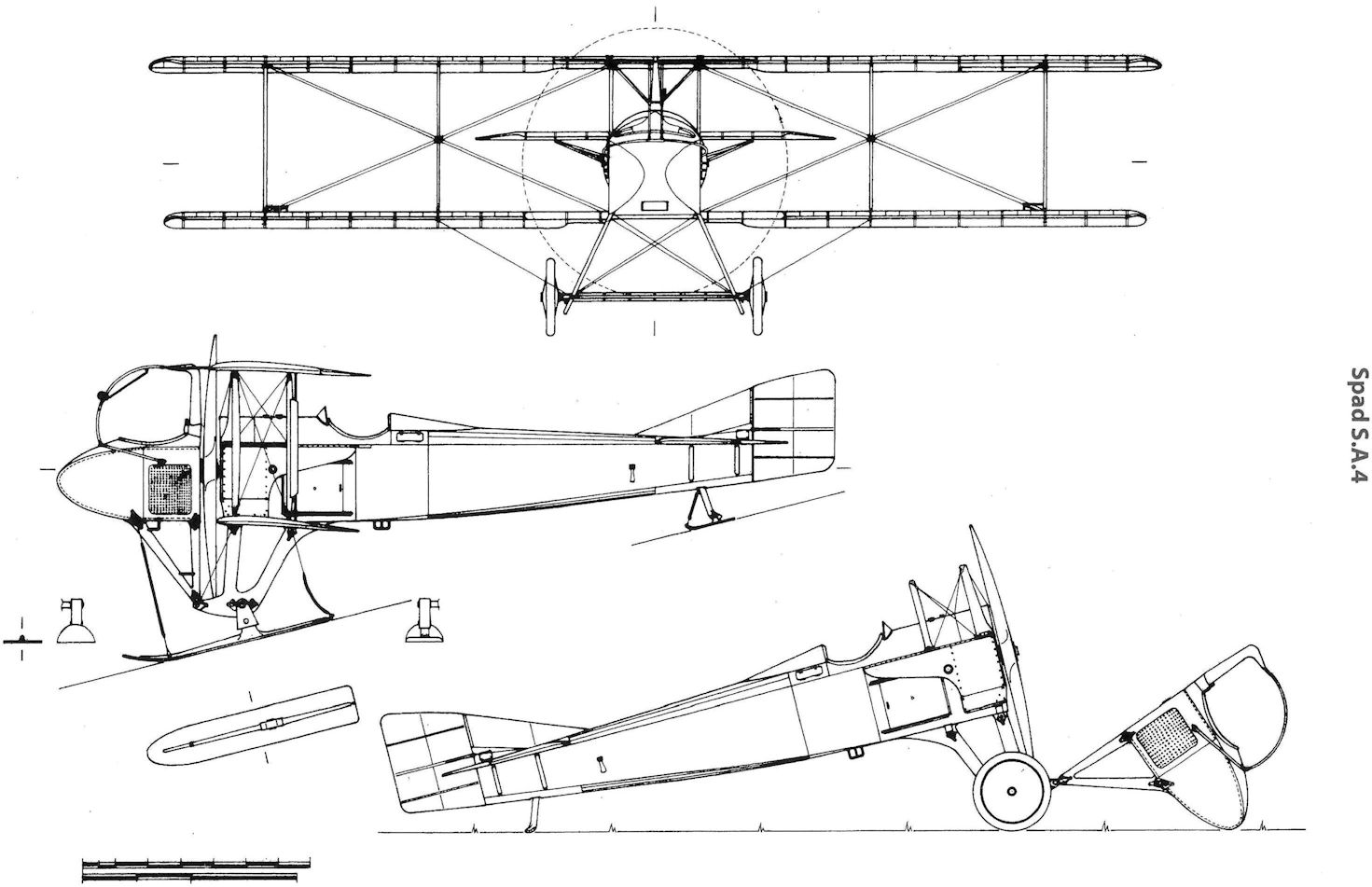
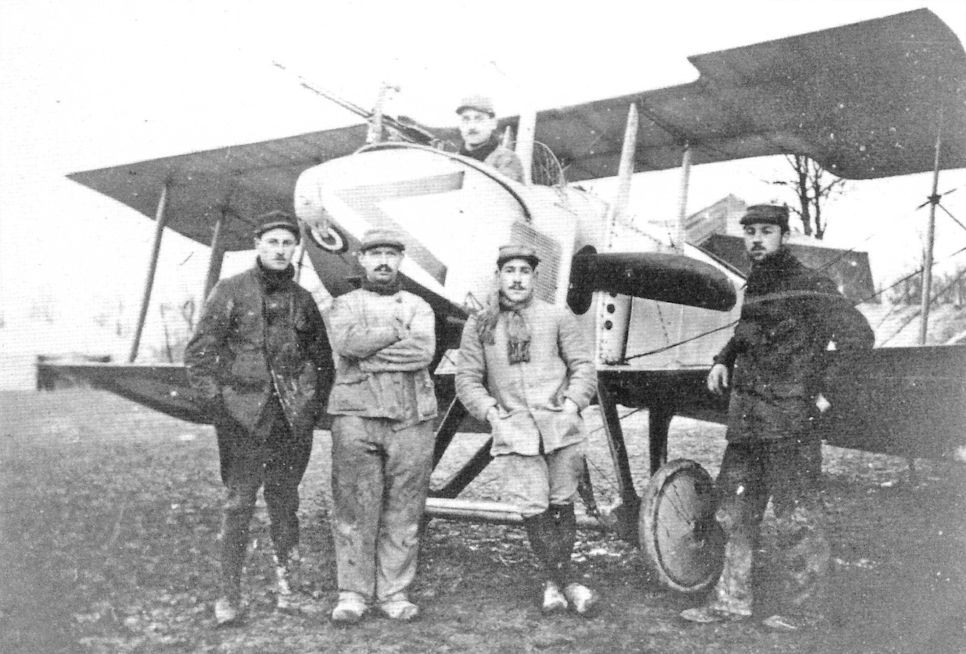
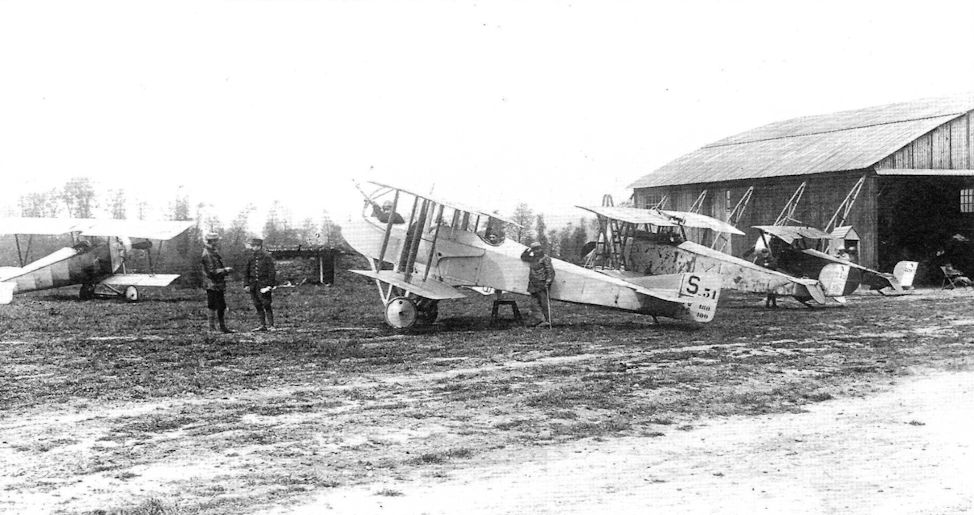
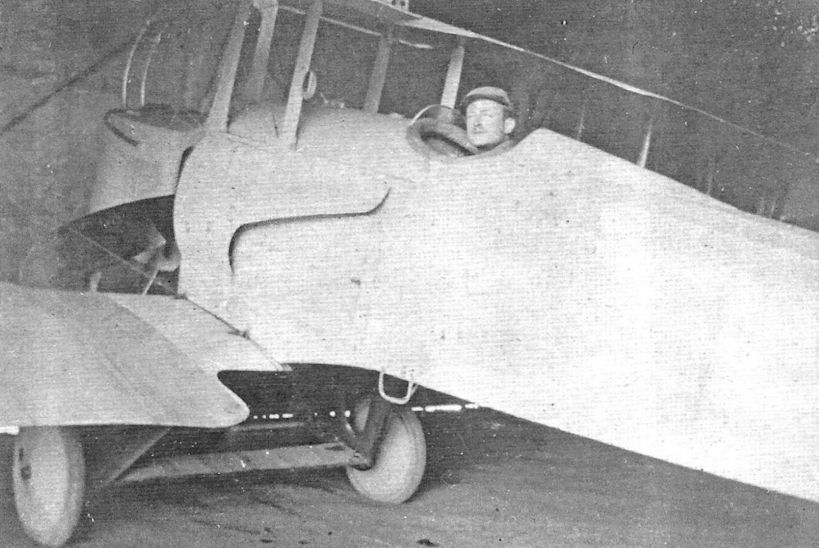
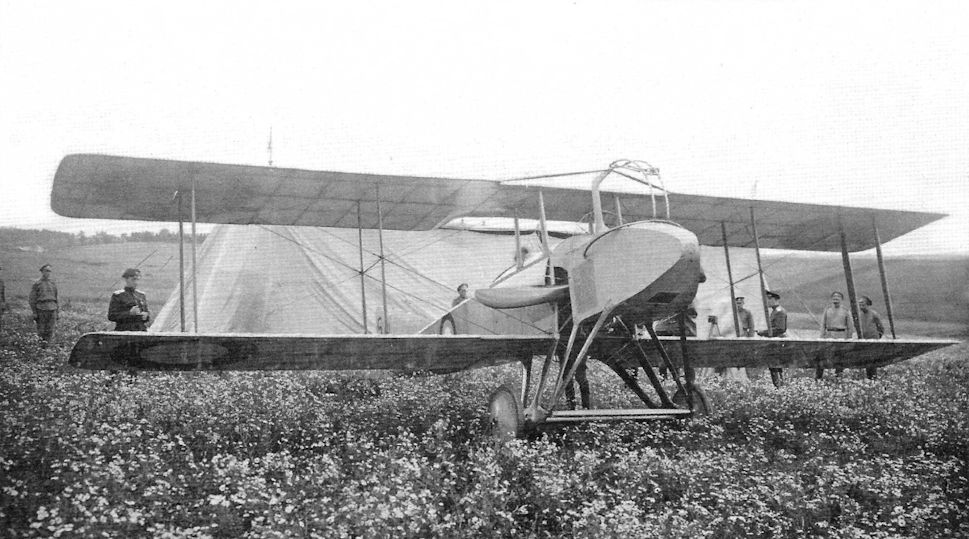
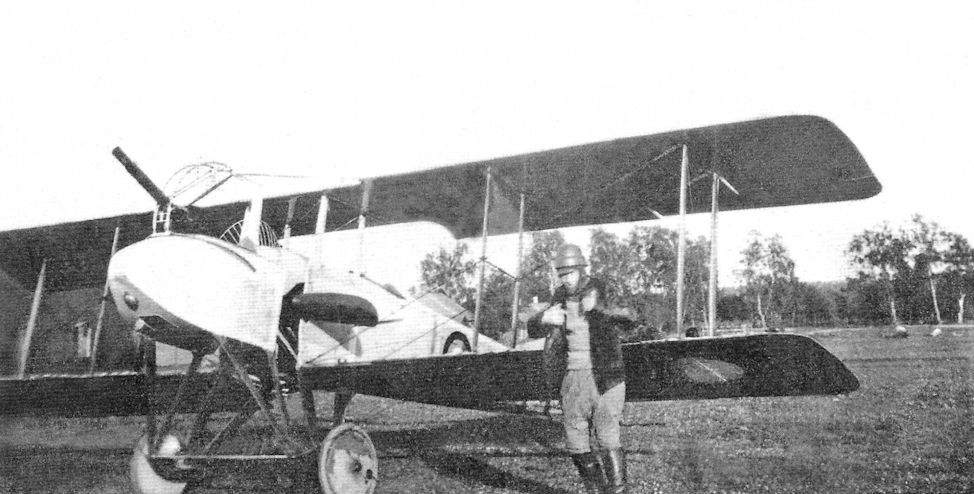
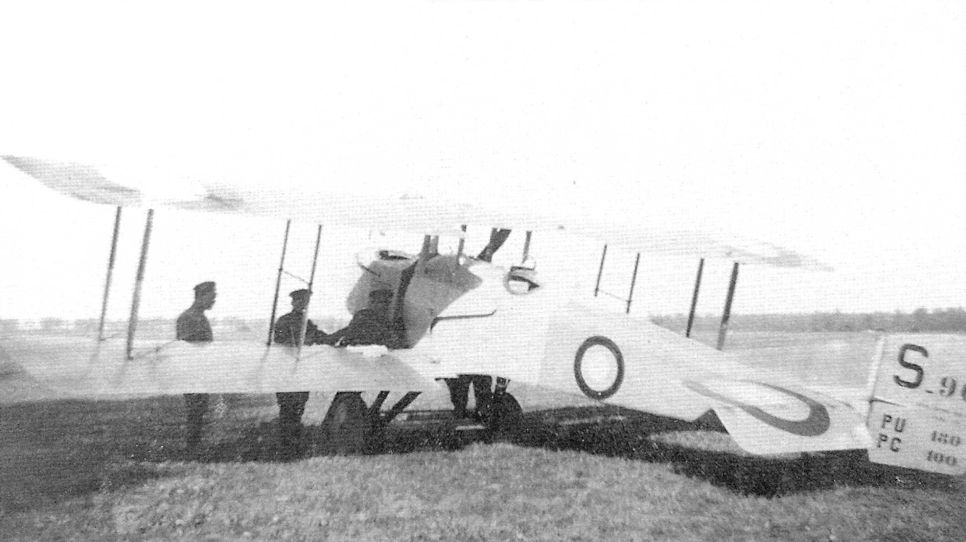
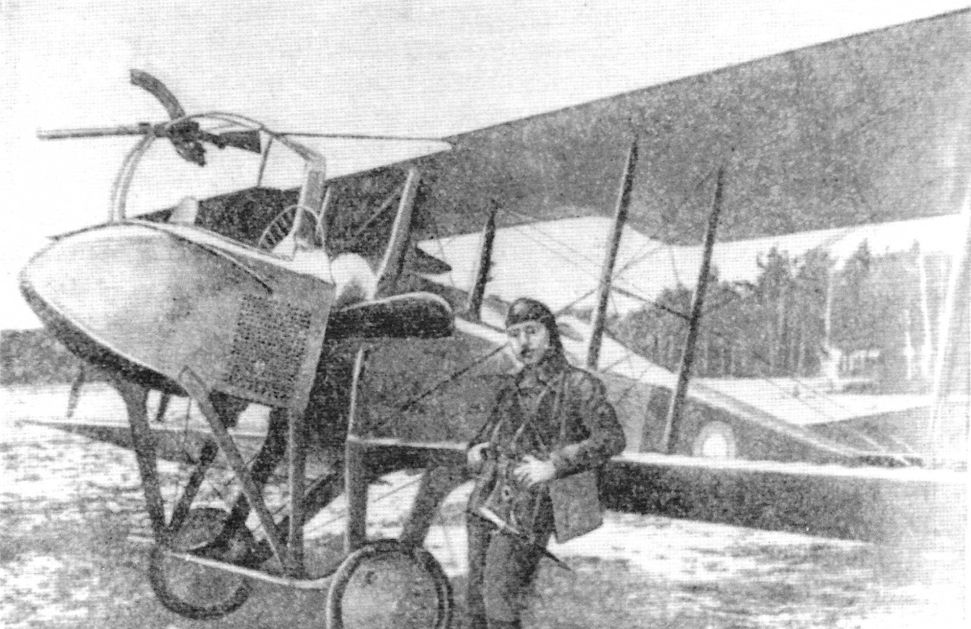
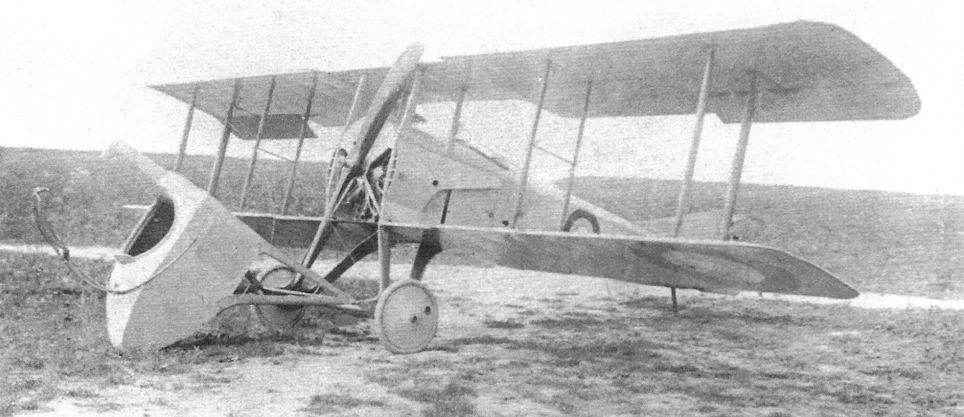
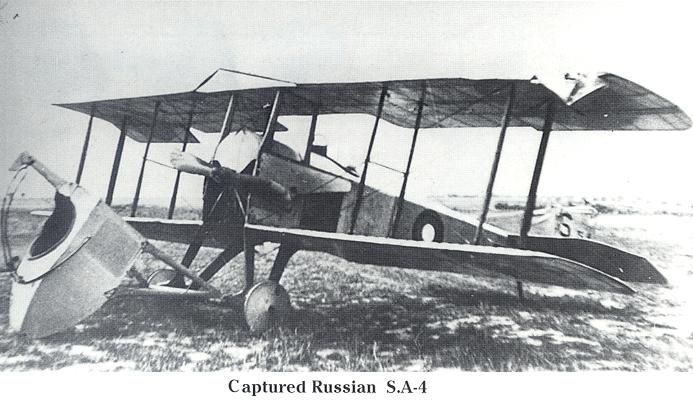
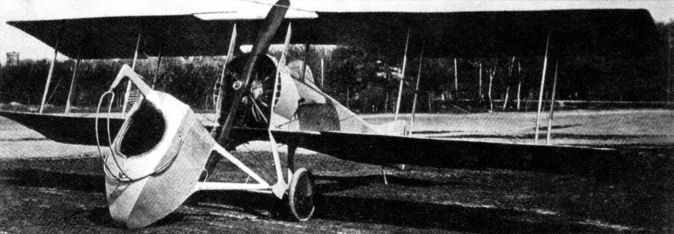
Передняя часть фюзеляжа и гондола стрелка обшиты фанерой, остальное - полотном. Экипаж - два человека. Главная отличительная особенность машины - размещение стрелка-наблюдателя в отдельной кабине-гондоле перед винтом, благодаря чему достигался максимальный обзор в передней полусфере и широкий диапазон для ведения огня. Вооружение - подвижный пулемет "Льюис" на вертикальной полутурели. Для обеспечения доступа к двигателю гондола откидывалась вперед на шарнирах.
Автор проекта - главный конструктор фирмы Societe Pour l'Aviation et ses Derives (сокращенно - SPAD) Луи Бешеро. Первый полет прототипа самолета, названного "Спад" A1 и оснащенного 80-сильным ротативным двигателем "Рон" 9C состоялся 21 мая 1915 года. Аэроплан показал невысокие летные данные, тем не менее, схему машины поначалу сочли перспективной. Была построена небольшая серия в 11 штук, большинство из которых поступило на вооружение французских ВВС, а несколько экземпляров отправили в Россию.
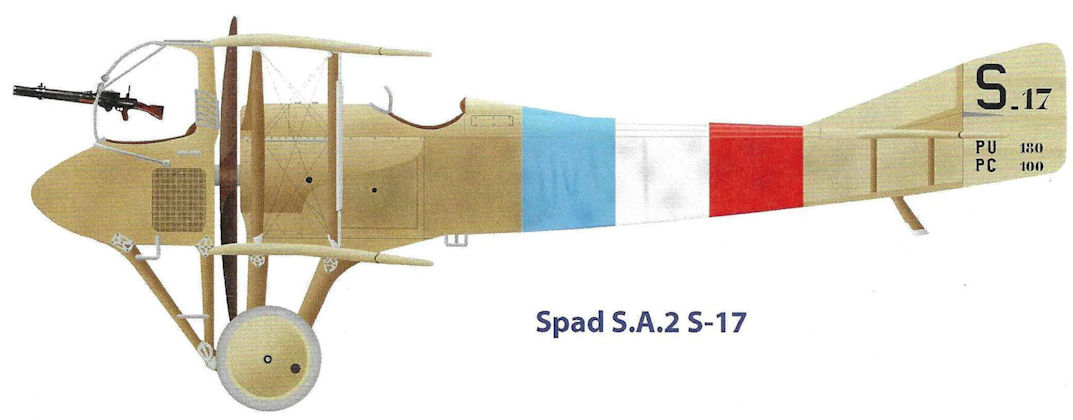
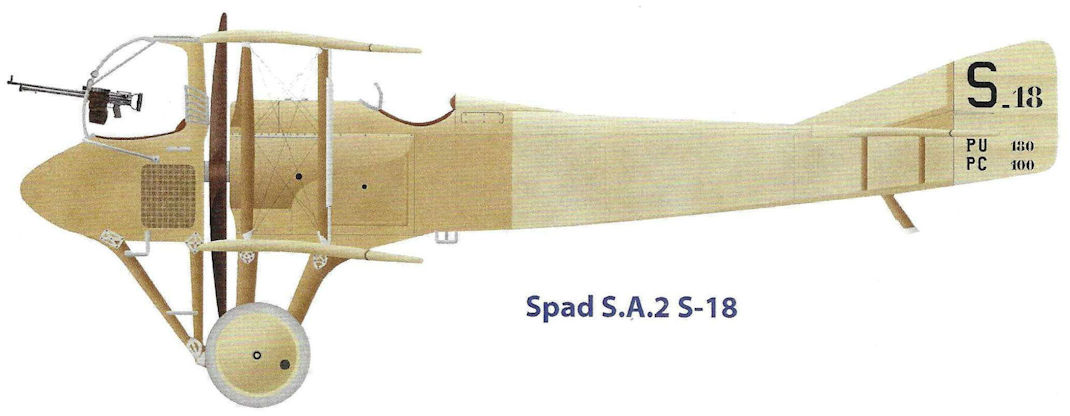
Вскоре появилась усовершенствованная версия, названная "Спад" A2 с двигателем "Рон" 9J мощностью в 110 л.с. Самолет также отличался увеличенным размахом крыльев и видоизмененным капотом с изогнутыми по форме цилиндра алюминиевыми панелями на бортах. Летные данные машины повысились. Самолет построен в количестве 40 экземпляров, 30 из которых применялись французами на западном фронте во второй половине 1915 года.
Еще 56 штук были сделаны по российскому заказу. Внешне они выглядели как тип A2, однако на них установили моторы мощностью в 80 л.с. Эта "гибридная" модификация получила обозначение A4. Самолеты поступили в Россию в 1916 году, когда их моральная устарелость и низкие характеристики уже ни у кого не вызывали сомнений. Тем не менее, из-за нехватки вооруженных аэропланов, они применялись на русско-германском фронте в качестве истребителей и разведчиков до середины 1917 года. Этому способствовала малочисленность германо-австрийской истребительной авиации на восточном фронте (основные силы немцы держали на западе) позволявшая русским летчикам без особого риска использовать откровенно слабые машины.
Во Франции же от применения "Спада" A2 во фронтовых частях отказались уже весной 1916-го. Он оказался слишком медлительным, неповоротливым и тяжелым в управлении для ведения маневренного воздушного боя, а отсутствие защиты сзади и ограниченный сектор обстрела передней огневой точки делал почти невозможным ведение боя "по бомбардировочному" - за счет маневра огнем. Кроме того, размещение стрелка в передней гондоле оказалось чрезвычайно опасным и при капотировании машины он, как правило, погибал. Все это вызывало негативное отношение самолету со стороны экипажей и обусловило его быстрое снятие в вооружения.
Описание:
- В.Кондратьев Самолеты первой мировой войны
- А.Шепс Самолеты Первой мировой войны. Страны Антанты
- В.Шавров История конструкций самолетов в СССР до 1938 г.
- J.Davilla, A.Soltan French Aircraft of the First World War (Flying Machines)
- W.Green, G.Swanborough The Complete Book of Fighters
- H.Nowarra, G.Duval Russian Civil and Military Aircraft 1884-1969
- J.Herris, D.Mechi The Spad A Series (A Centennial Perspective on Great War Airplanes 104)
Фотографии
-

В.Кондратьев - Самолеты первой мировой войны
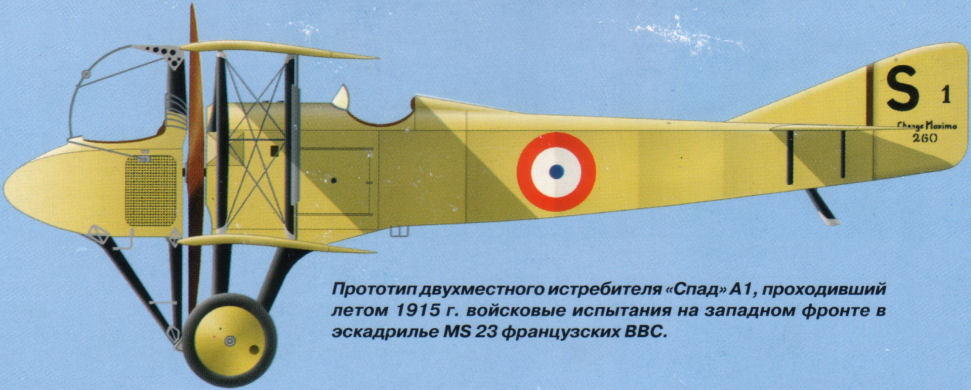
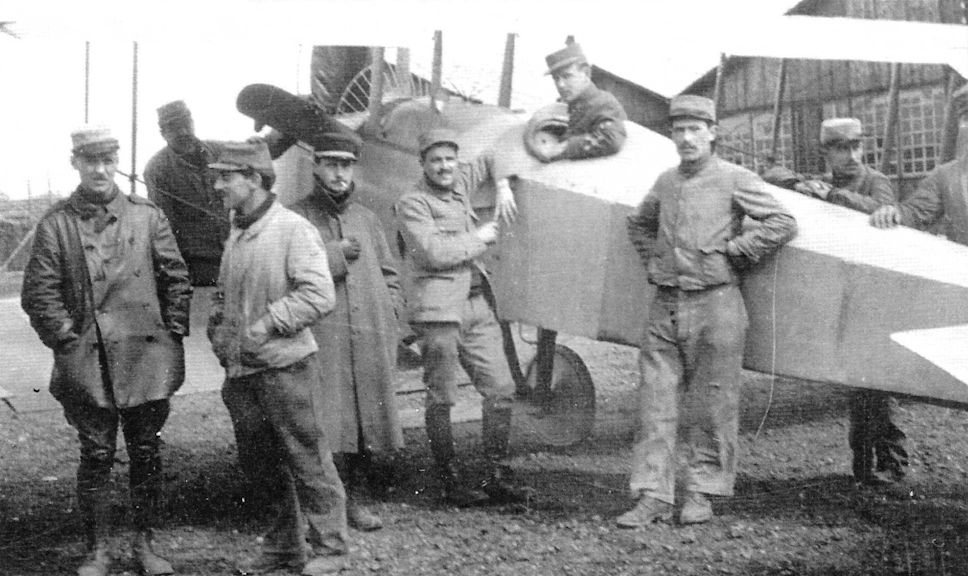
Прототип двухместного истребителя "Спад" A1, проходивший летом 1915г. войсковые испытания на западном фронте в эскадрилье MS 23 французских ВВС.
-
-
-
-
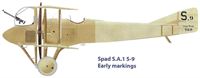
J.Herris, D.Mechin - The Spad A Series /Centennial Perspective/ (104)
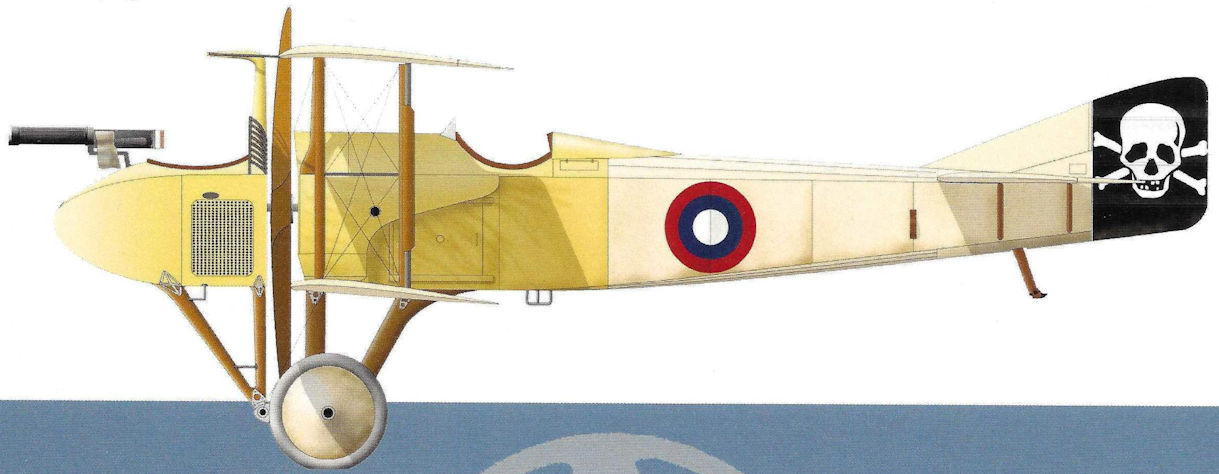
Spad S.A.1 S-9, Early markings
-
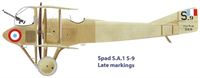
J.Herris, D.Mechin - The Spad A Series /Centennial Perspective/ (104)
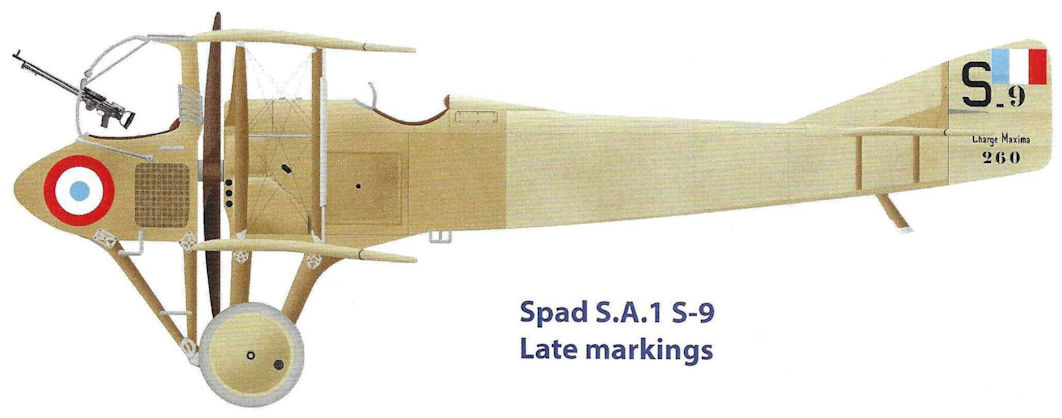
Spad S.A.1 S-9, Late markings
-
-
-
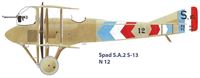
J.Herris, D.Mechin - The Spad A Series /Centennial Perspective/ (104)
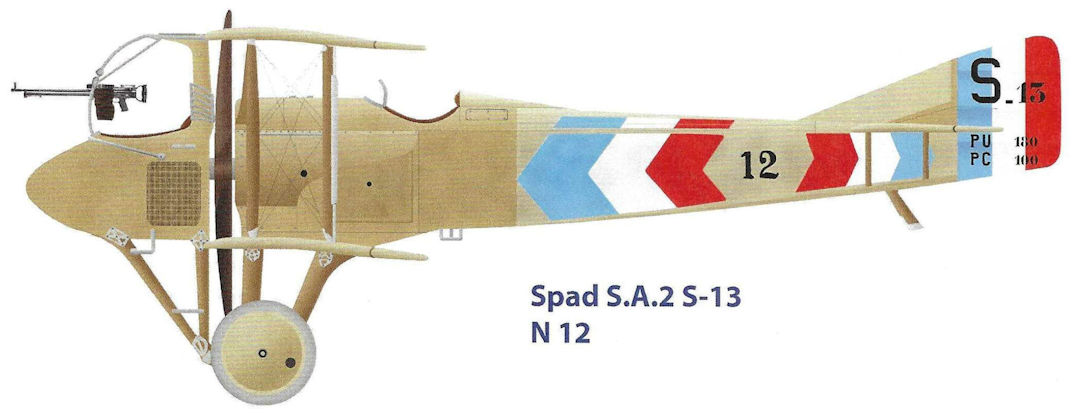
Spad S.A.1 S-13, N 12
-
-
-
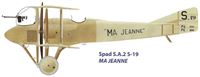
J.Herris, D.Mechin - The Spad A Series /Centennial Perspective/ (104)
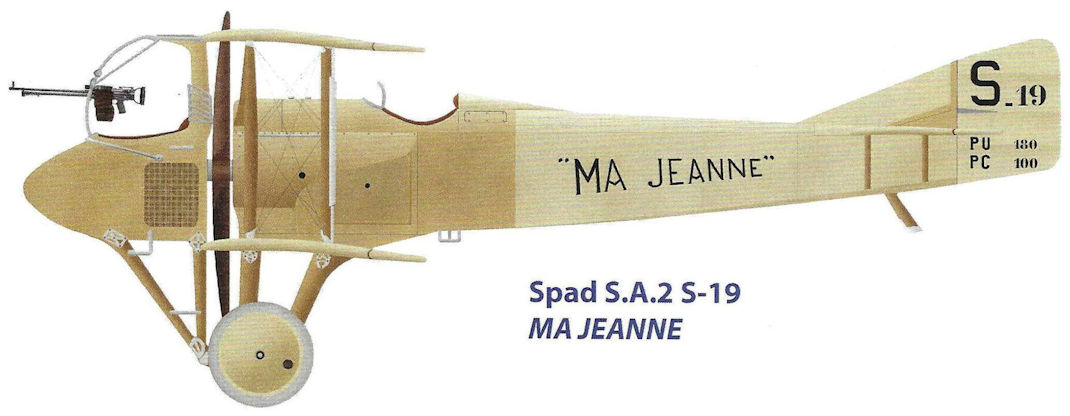
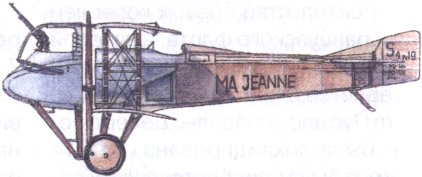
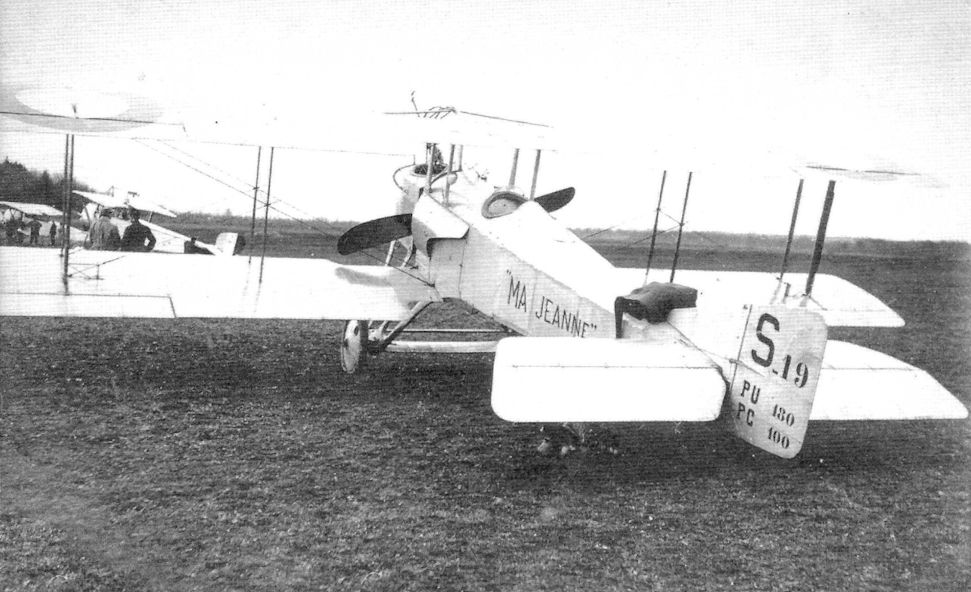
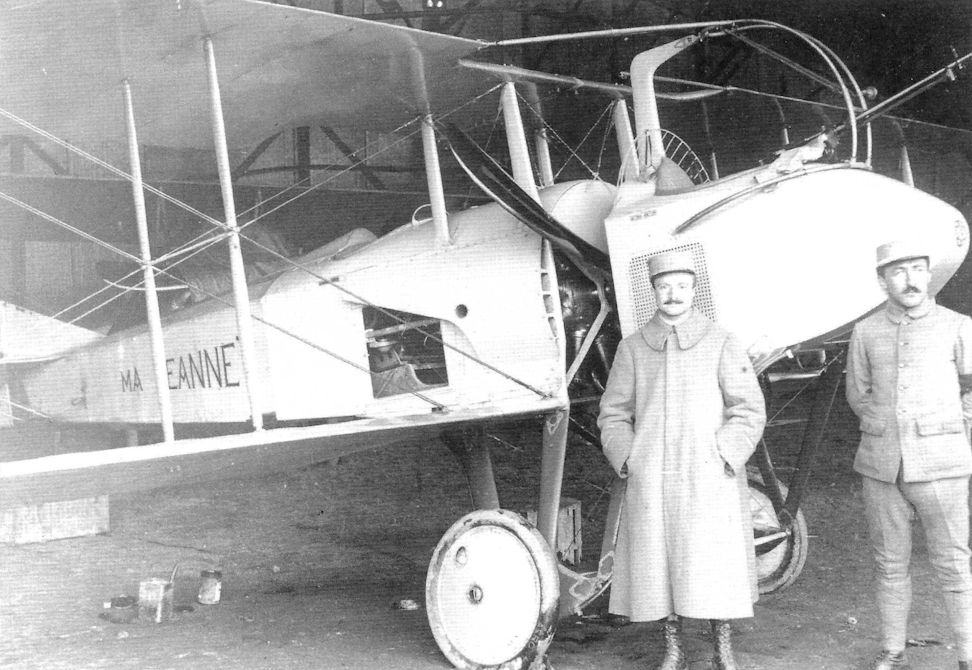
Spad S.A.2 S-19, MA JEANNE
-
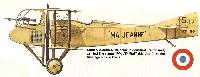
Сайт - Pilots-and-planes /WWW/
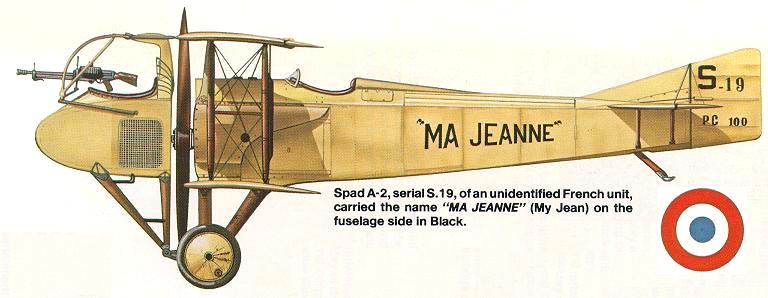
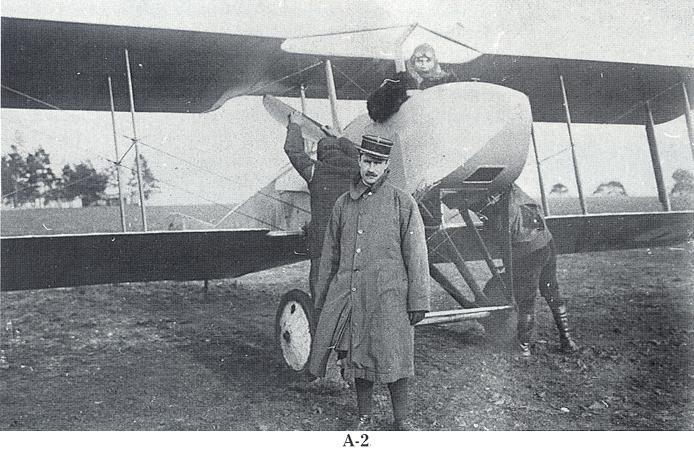
Spad A-2, serial S.19 of an unidentified French unit, carried the name "MA JEANNE" (My Jean) on the fuselage side in Black
-

А.Шепс - Самолеты Первой мировой войны. Страны Антанты
Разведчик/истребитель SPAD SA.4 A2 ВВС Франции (1916г.)
-
-
-

-
-
J.Herris, D.Mechin - The Spad A Series /Centennial Perspective/ (104)
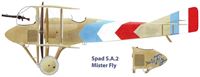
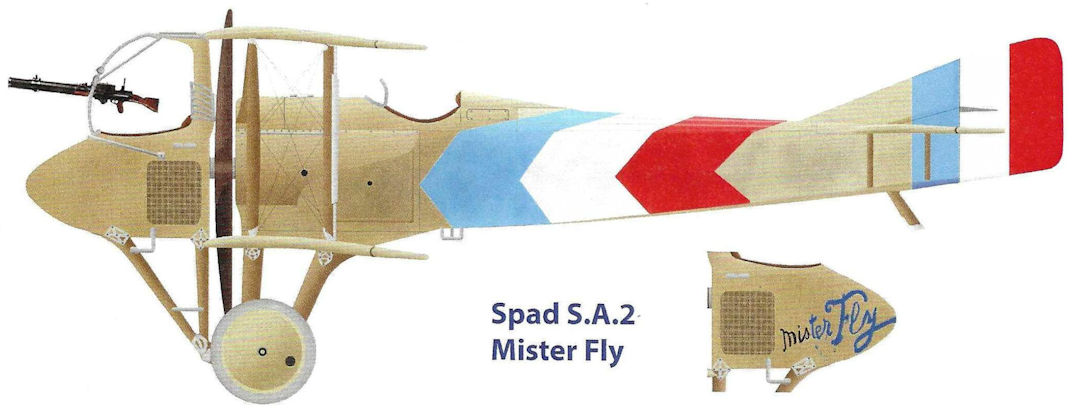
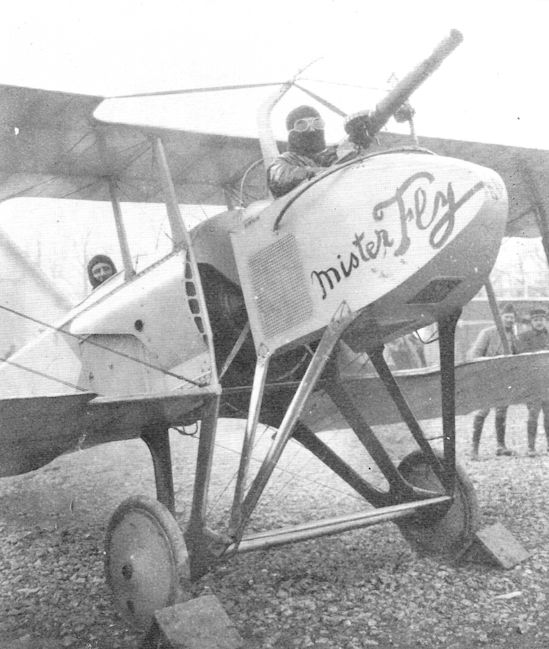
Spad S.A.2 Mister Fly
-
Сайт - Pilots-and-planes /WWW/
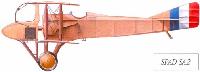
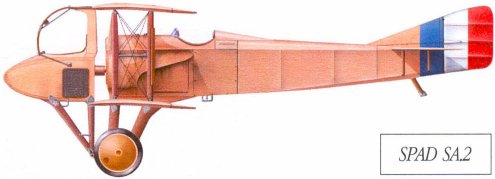
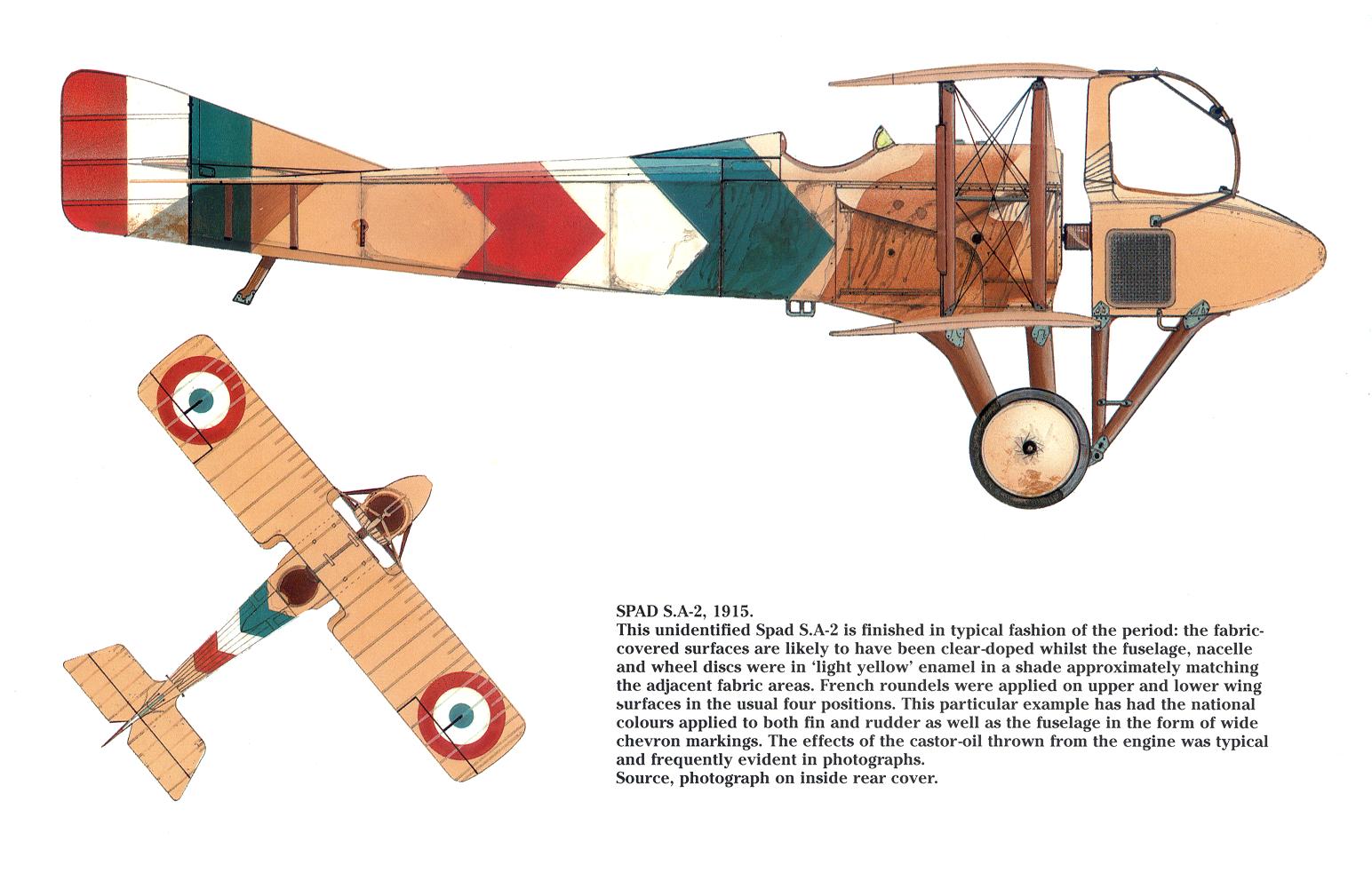
SPAD S.A-2, 1915
-

В.Кондратьев - Самолеты первой мировой войны
Спад А2, ВВС России, 1917г.
-
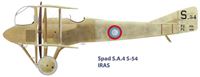
J.Herris, D.Mechin - The Spad A Series /Centennial Perspective/ (104)
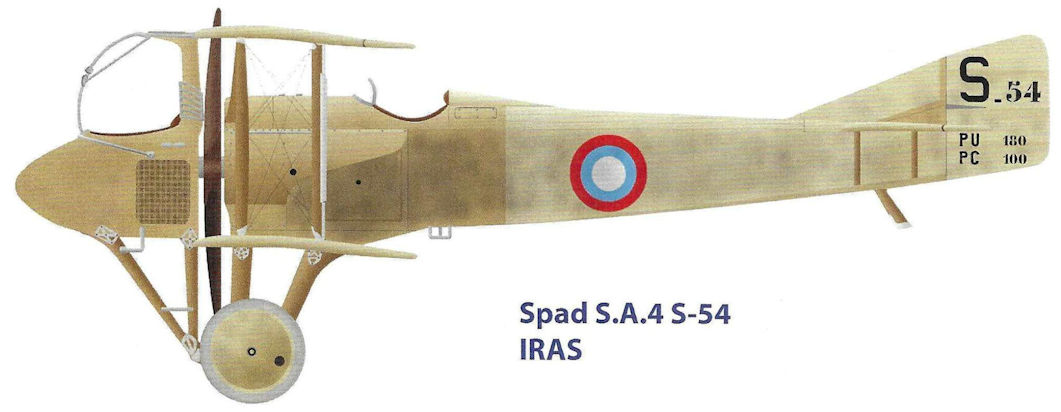
Spad S.A.4 S-54, IRAS
-

A.Durkota, T.Darcey, V.Kulikov - The Imperial Russian Air Service /Flying Machines/
Spad A.2 #79, unit unknown, winter 1916.
-

А.Шепс - Самолеты Первой мировой войны. Страны Антанты
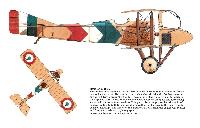
Разведчик/истребитель SPAD SA.2 A2 4-го авиаотряда русской армии (1915г.)
-
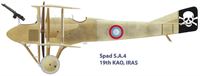
J.Herris, D.Mechin - The Spad A Series /Centennial Perspective/ (104)
Spad S.A.4, 19th KAO, IRAS
-
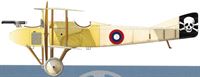
-

A.Durkota, T.Darcey, V.Kulikov - The Imperial Russian Air Service /Flying Machines/
Spad A.2, 19th Corps Detachment, September 1916. (Huber and Bashinsky)
-

A.Durkota, T.Darcey, V.Kulikov - The Imperial Russian Air Service /Flying Machines/
Spad G.1 #97, unit unknown.
-
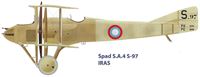
J.Herris, D.Mechin - The Spad A Series /Centennial Perspective/ (104)
Spad S.A.4 S-97, IRAS
-
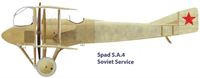
J.Herris, D.Mechin - The Spad A Series /Centennial Perspective/ (104)
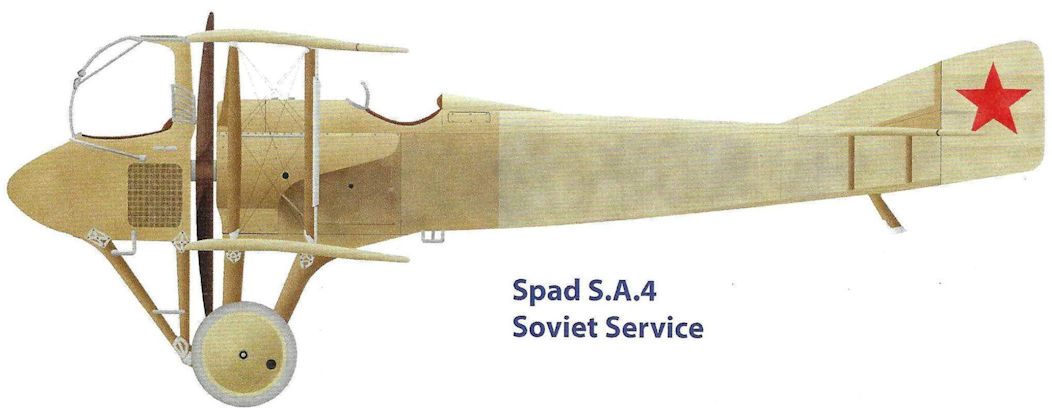
Spad S.A.4, Soviet Service








-
J.Herris, D.Mechin - The Spad A Series /Centennial Perspective/ (104)
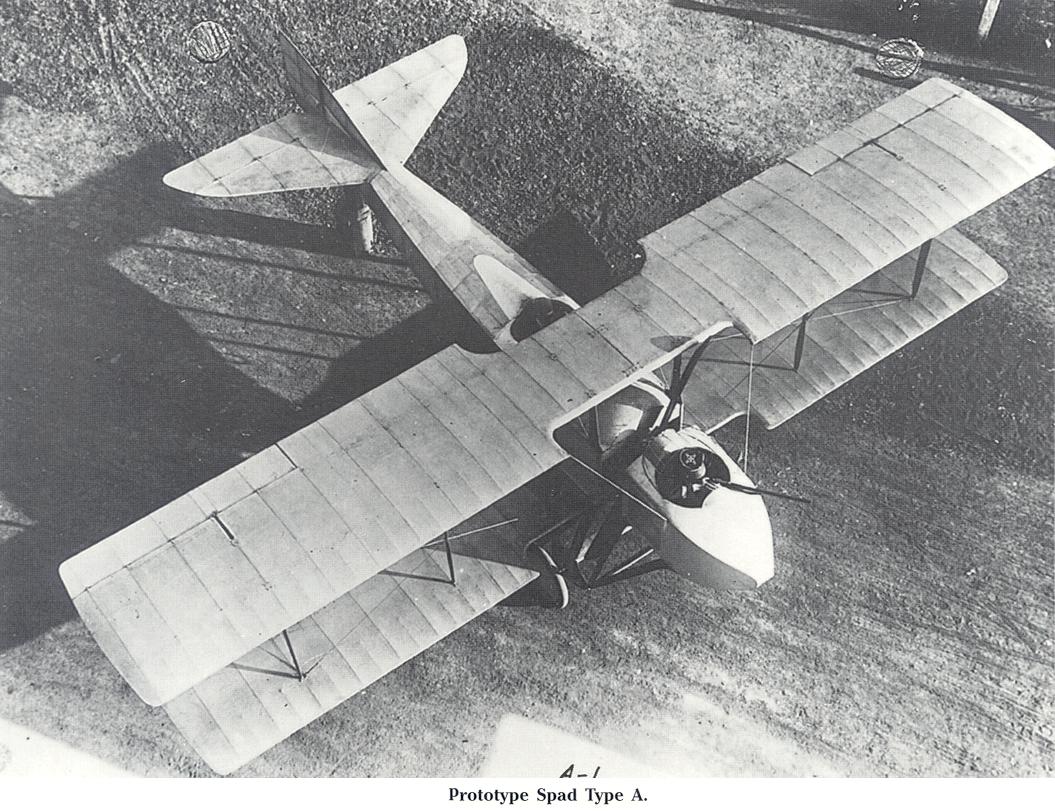
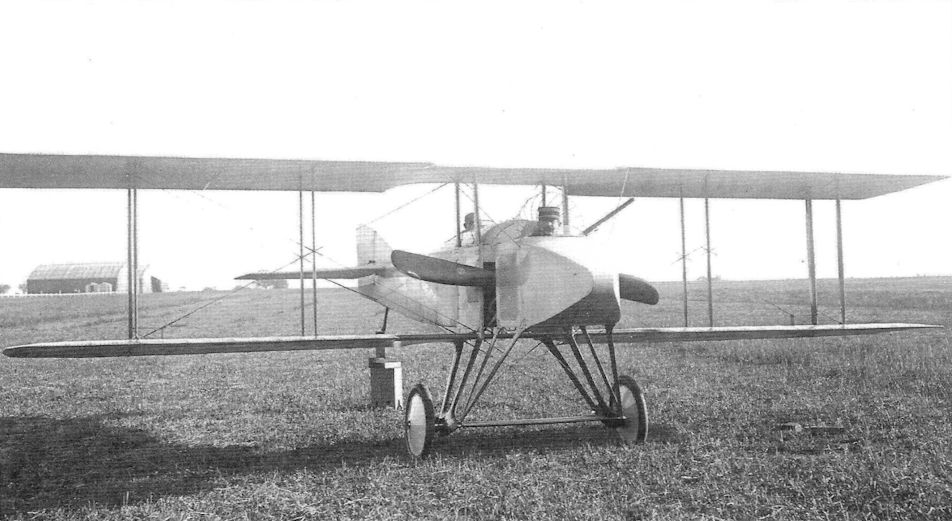
The Spad S.A.prototype at Buc in May-June 1915. The crew is test pilot Maurice Prevost and possibly Capitaine Pierra. (Musee de l'Air)
-
J.Herris, D.Mechin - The Spad A Series /Centennial Perspective/ (104)
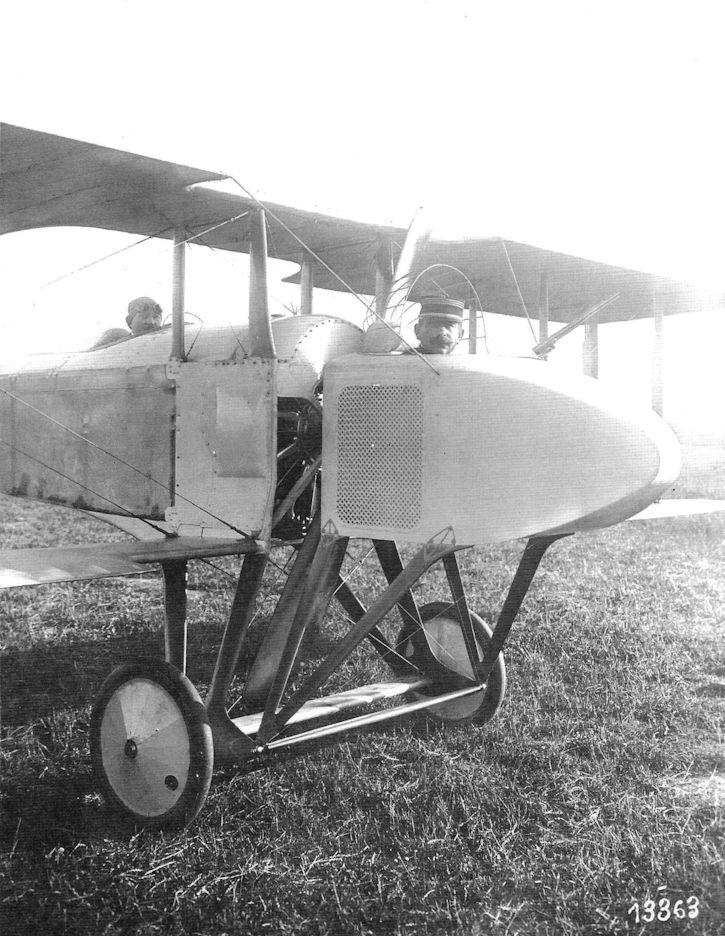
The Spad S.A.prototype at Buc in May-June 1915. No gun mount is installed; the officer is the nacelle is armed with a carbine. (Musee de l'Air)
-
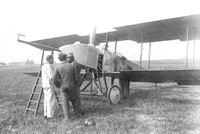
J.Herris, D.Mechin - The Spad A Series /Centennial Perspective/ (104)
Spad S.A.prototype fitted with flight test probes. In this early configuration there are no bracing cables from the wing to the gunner's nacelle. (Musee de l'Air)
-
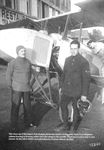
J.Herris, D.Mechin - The Spad A Series /Centennial Perspective/ (104)
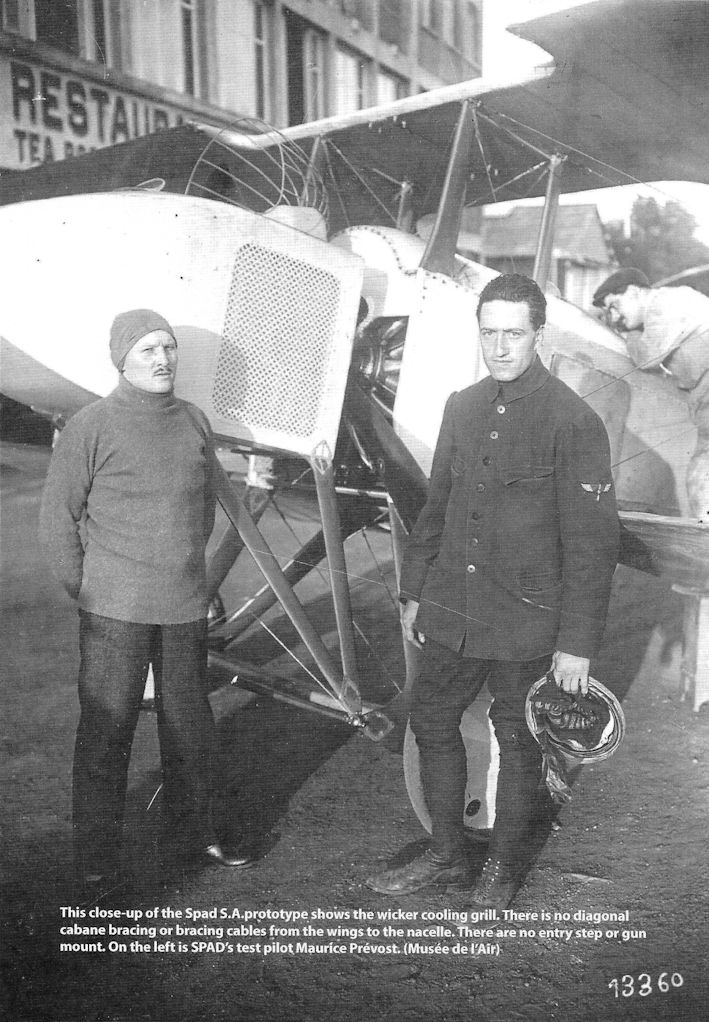
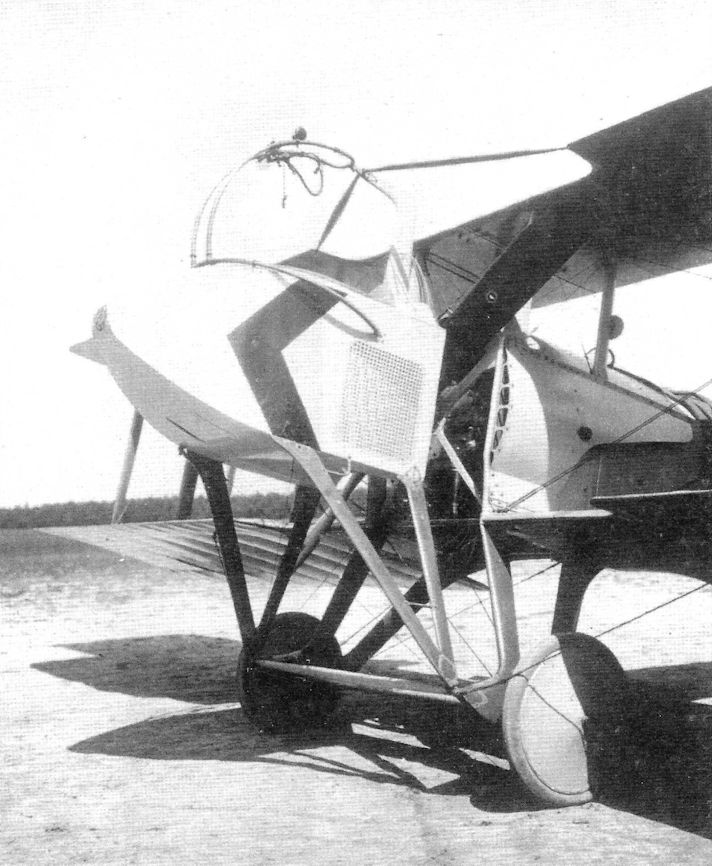
This close-up of the Spad S.A.prototype shows the wicker cooling grill. There is no diagonal cabane bracing or bracing cables from the wings to the nacelle. There are no entry step or gun mount. On the left is SPAD's test pilot Maurice Prevost. (Musee de l'Air)
-
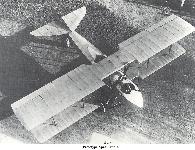
Сайт - Pilots-and-planes /WWW/
The Spad S.A.prototype at Buc in May-June 1915. The shapes of the major components are clear. (Musee de l'Air)
The unusual SA.1 was the first of many SPAD fighter designs by Louis Bechereau. -
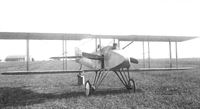
J.Herris, D.Mechin - The Spad A Series /Centennial Perspective/ (104)
The Spad S.A.prototype at Buc in May-June 1915 during testing. The crew is test pilot Maurice Prevost and possibly Capitaine Pierra. (SHAA)
-
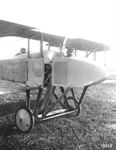
J.Herris, D.Mechin - The Spad A Series /Centennial Perspective/ (104)
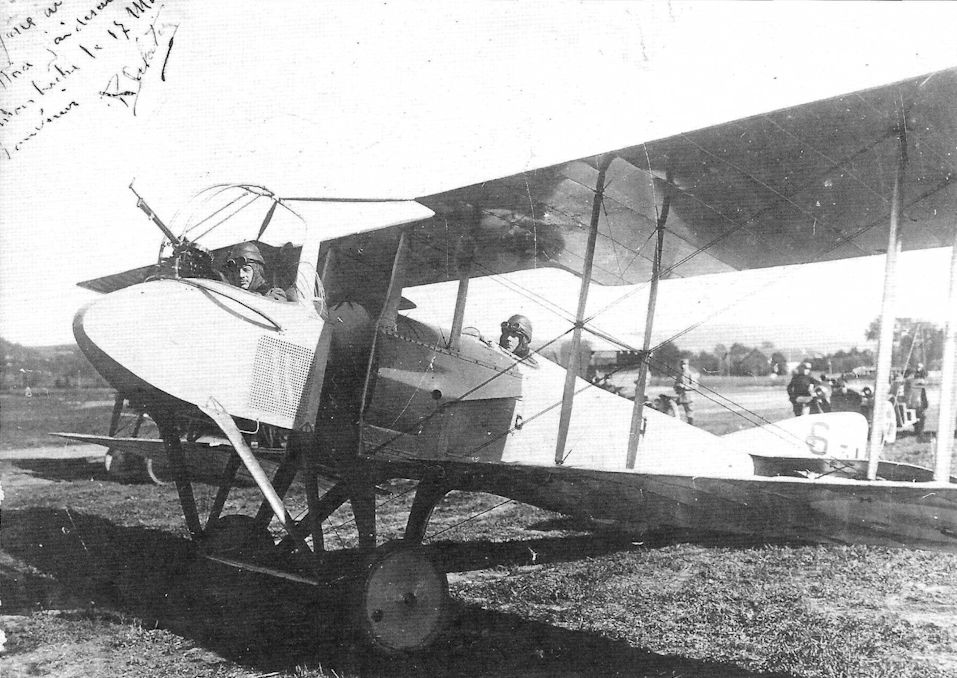
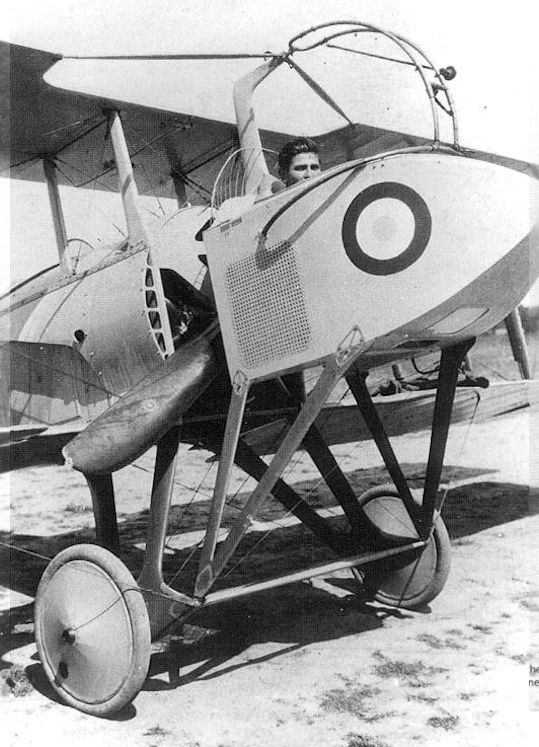
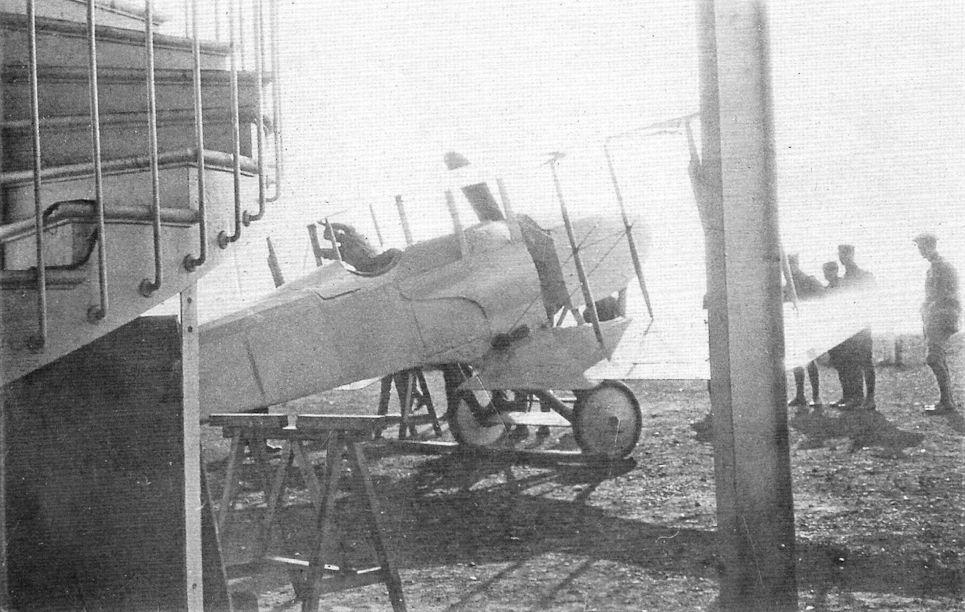
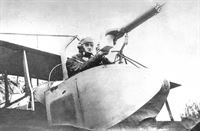
Near View of the "Front-gun" Spad A.2 fighter with the gunner in place. The position seems unenviable, despite the wire guard. A.2s and few later A.4s served briefly with French and Russian forces.
-
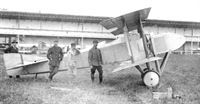
J.Herris, D.Mechin - The Spad A Series /Centennial Perspective/ (104)
The Spad S.A.prototype at Buc in May-June 1915. There are no bracing cables from the upper wing to the nacelle, but there are windshields for both pilot and gunner. (Musee de l'Air)
-
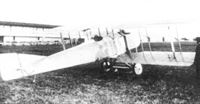
J.Herris, D.Mechin - The Spad A Series /Centennial Perspective/ (104)
The Spad S.A.prototype at Buc in May-June 1915. The observer does not appear to be armed. (Musee de l'Air)
-

J.Herris, D.Mechin - The Spad A Series /Centennial Perspective/ (104)
The Spad S.A.prototype at Buc in May-June 1915 during testing. The crew is test pilot Maurice Prevost and possibly Capitaine Pierra. (Musee de l'Air)
-
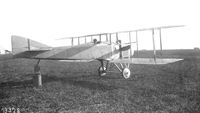
J.Herris, D.Mechin - The Spad A Series /Centennial Perspective/ (104)
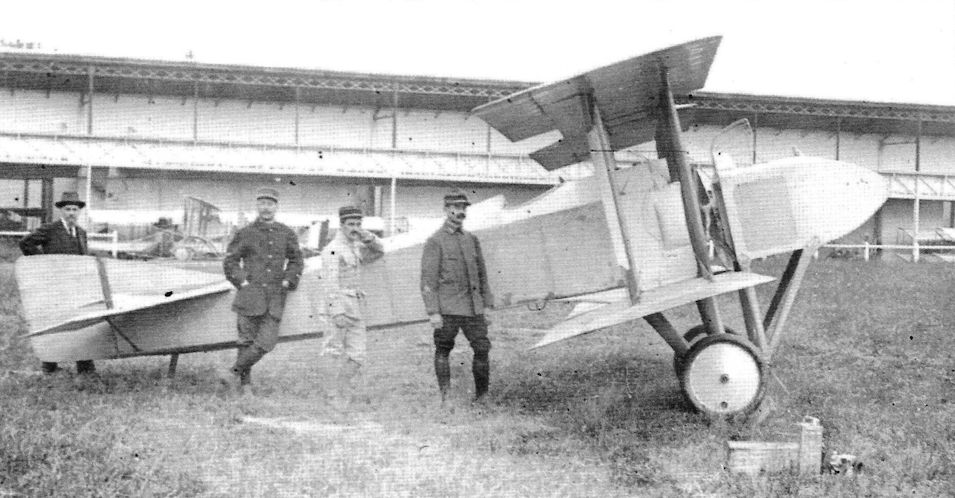
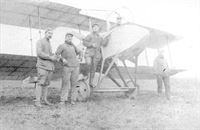
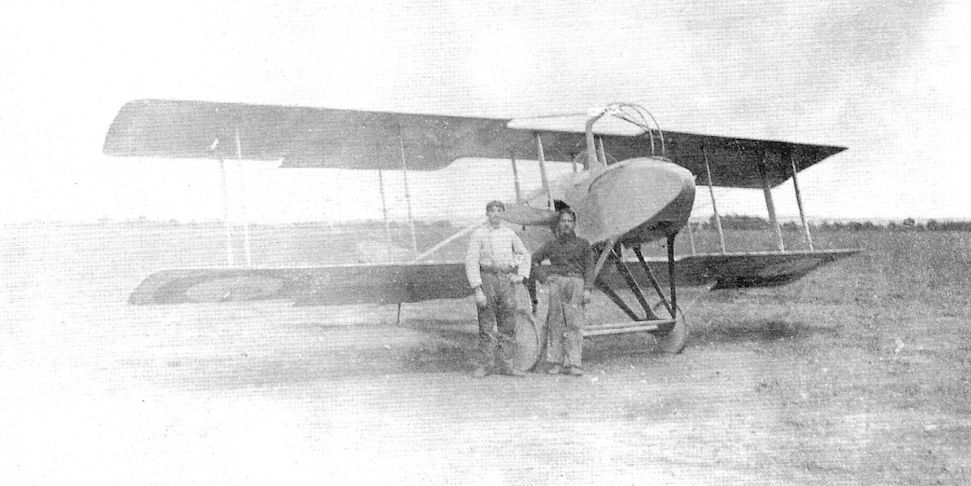
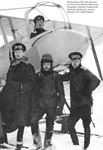
The Spad A prototype with crewmen.
-
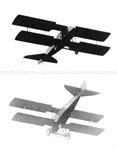
J.Herris, D.Mechin - The Spad A Series /Centennial Perspective/ (104)
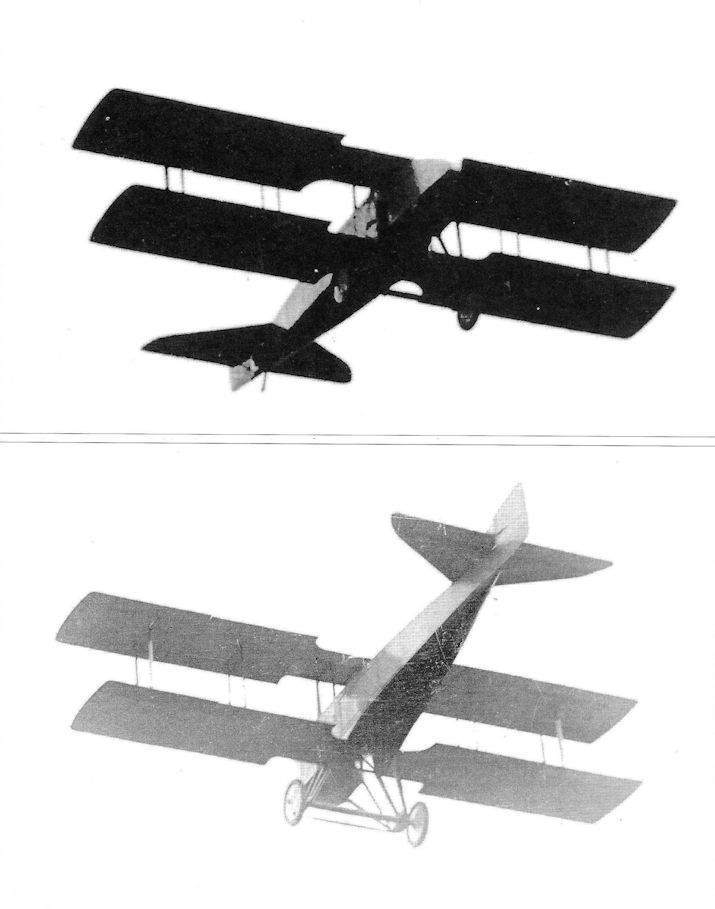
The Spad S.A.prototype in flight at Buc in May-June 1915. The crew is test pilot Maurice Prevost and possibly Capitaine Pierra. (Upper photo: SHAA, lower photo: Musee de l'Air)
-

J.Herris, D.Mechin - The Spad A Series /Centennial Perspective/ (104)
The Spad S.A.prototype is the center of a lot of attention. (Musee de l'Air)
-
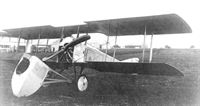
J.Herris, D.Mechin - The Spad A Series /Centennial Perspective/ (104)
The Spad S.A. prototype with standard gunner's nacelle showing how the nacelle folded forward for engine maintenance. The engine is an 80 hp Le Rhone rotary. (Musee de l'Air)
-
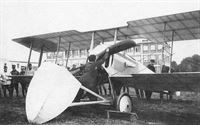
J.Herris, D.Mechin - The Spad A Series /Centennial Perspective/ (104)
The Spad S.A. prototype fitted with a pulpit without gunner's position. The cooling vents have been enlarged also. (Jean-Amigues)
-
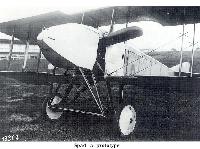
Сайт - Pilots-and-planes /WWW/
The Spad S.A. prototype with a mock-up nacelle installed. This appears to be a different nacelle than the photo above. (Musee de l'Air)
-
J.Herris, D.Mechin - The Spad A Series /Centennial Perspective/ (104)
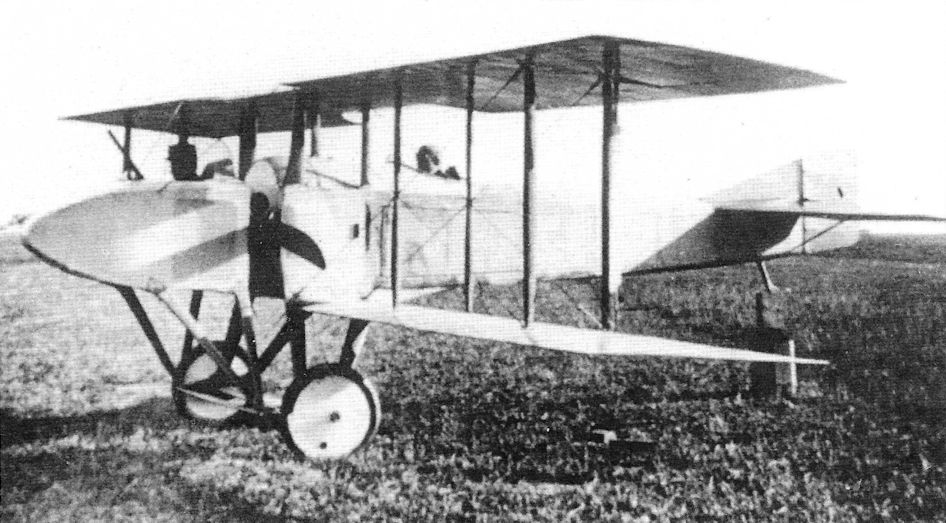
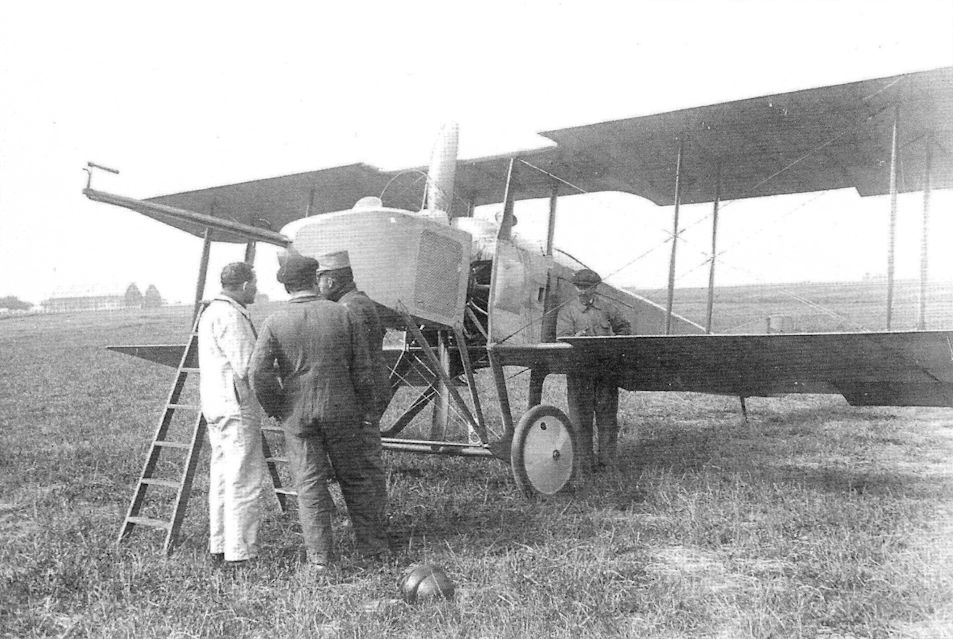
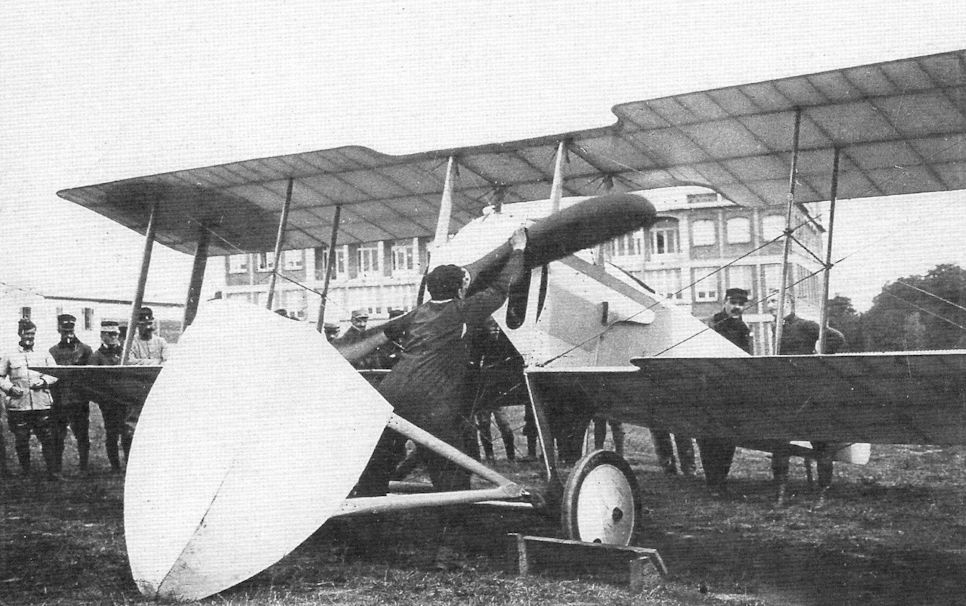
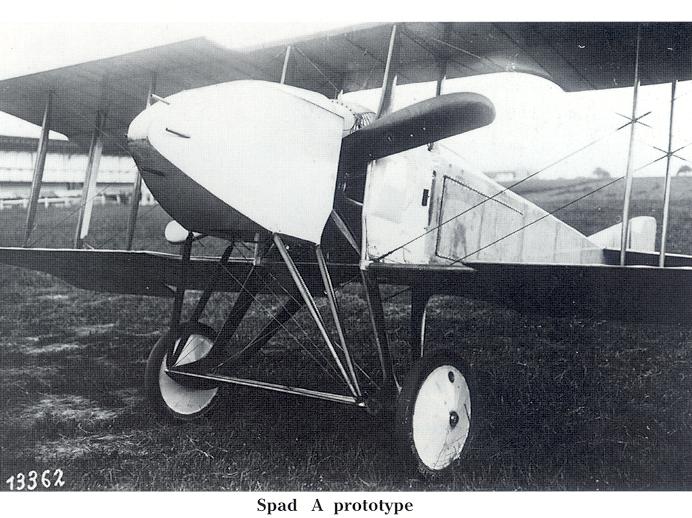
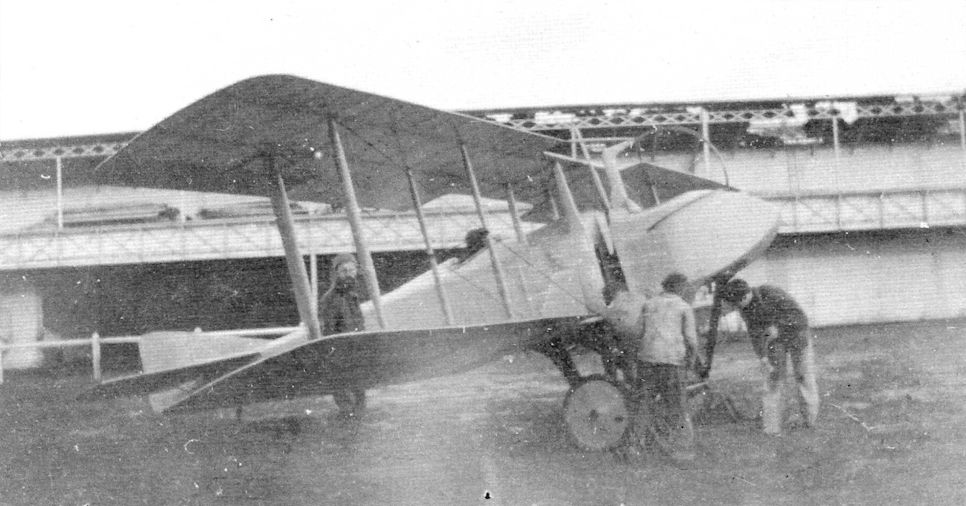
The Spad S.A. prototype in March 1916. The horizontal stabilizers are original, but otherwise the aircraft has been modified into the production S.A.1 configuration. (Musee de l'Air)
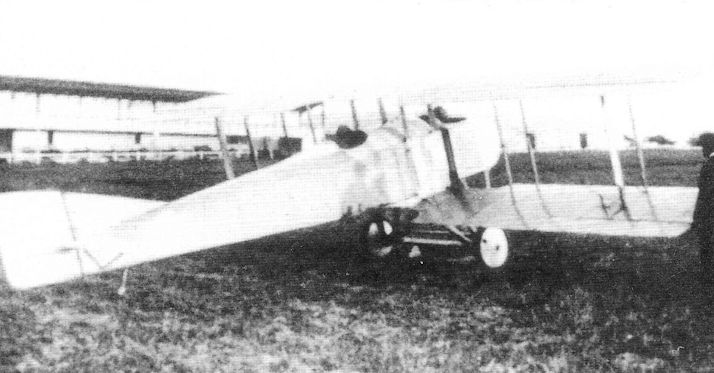
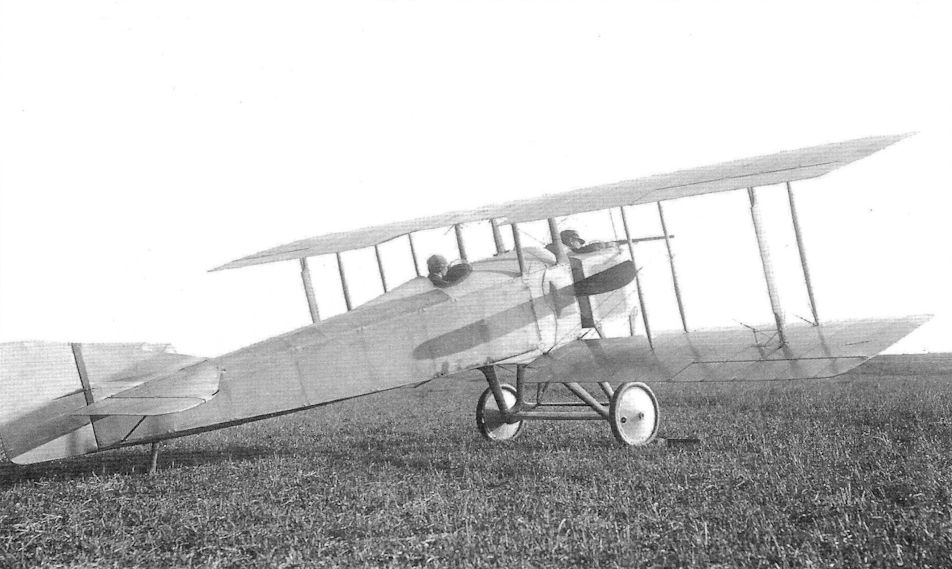
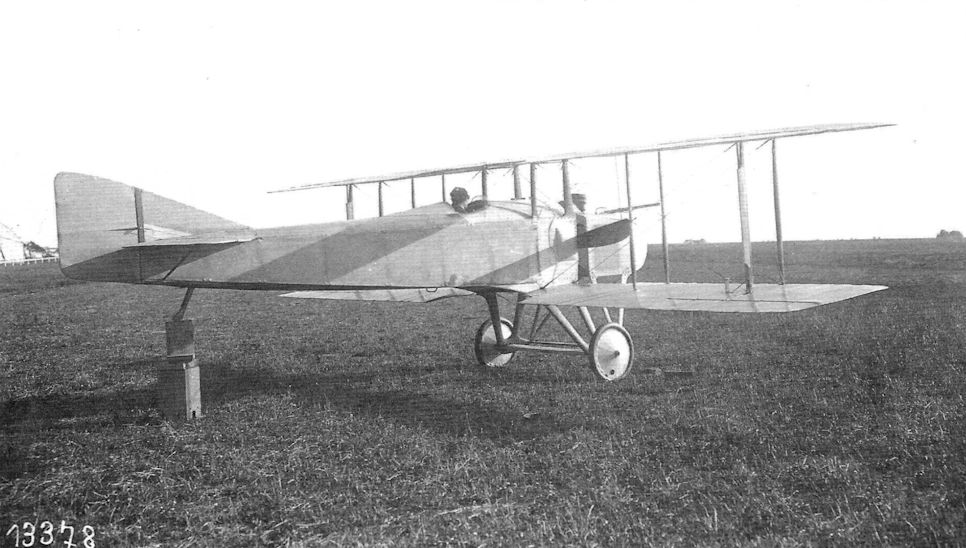

-
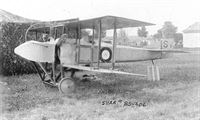
J.Herris, D.Mechin - The Spad A Series /Centennial Perspective/ (104)
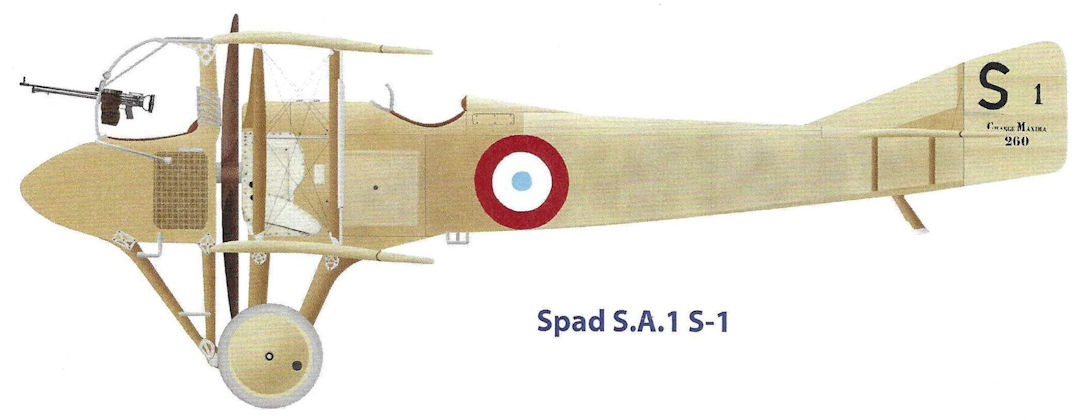
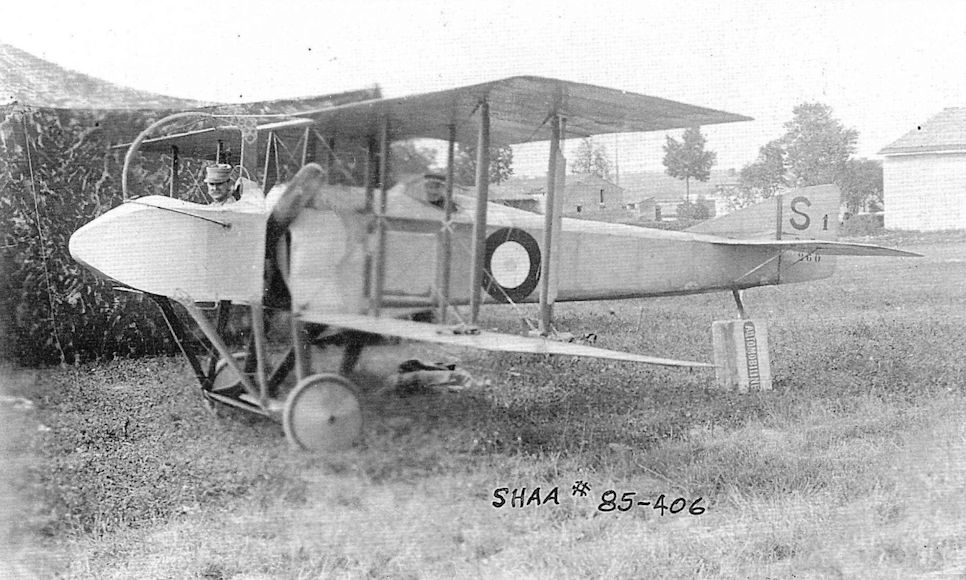
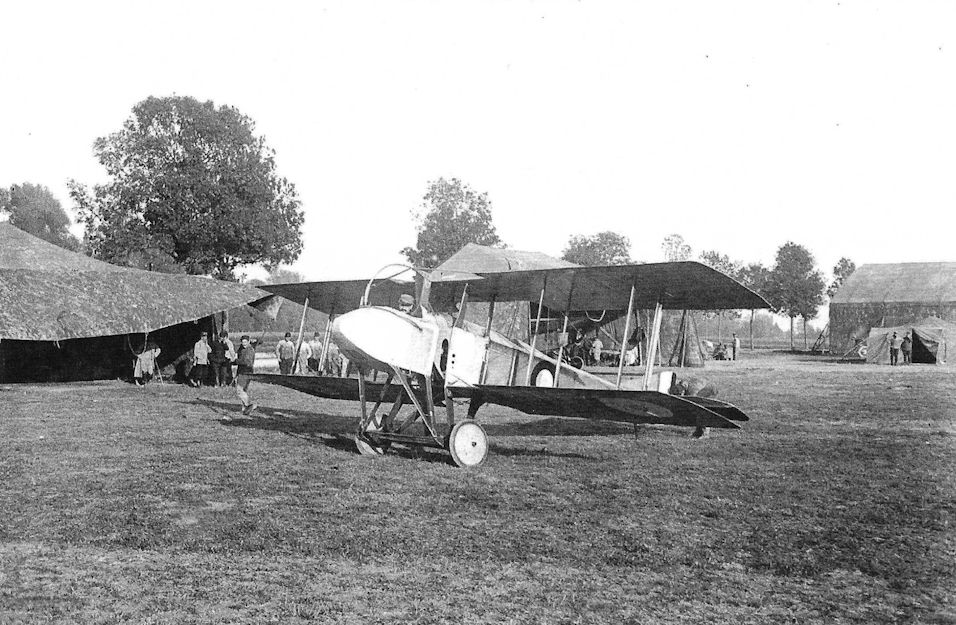
S-1 was the first production example of the Spad S.A.1 but was not quite the final design. The steel fitting at the top of the pylon differs from the production standard and the three holes at the front of the fuselage seen on later production S.A.1 aircraft are not present. The cover over the engine resembles the prototype more than the production S.A.1. This aircraft was sent to MS 23 at Chalons-en-Champagne in the summer of 1915. The pilot is Capitaine Maurice Schlumberger and the gunner is Capitaine Max Bousche. (SHAA)
-
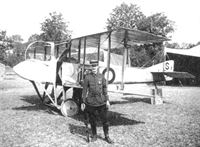
J.Herris, D.Mechin - The Spad A Series /Centennial Perspective/ (104)
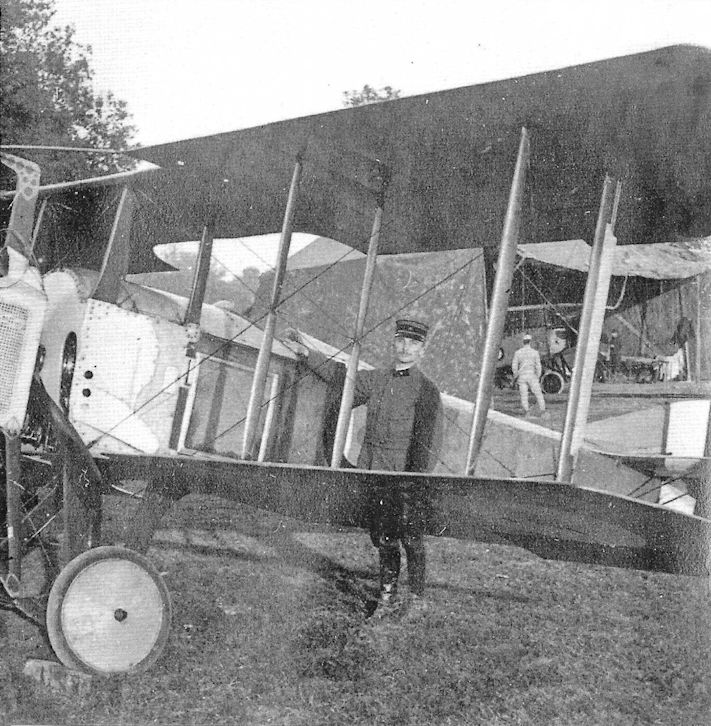
Capitaine Maurice Schlumberger posing in front of S-1. He had a great deal to do with the development of the S.A.1. Unfortunately, he was KIA in S.A.1 S-10 near Aure on 22 November 1915. (SHAA)
-
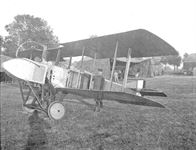
J.Herris, D.Mechin - The Spad A Series /Centennial Perspective/ (104)
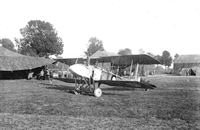
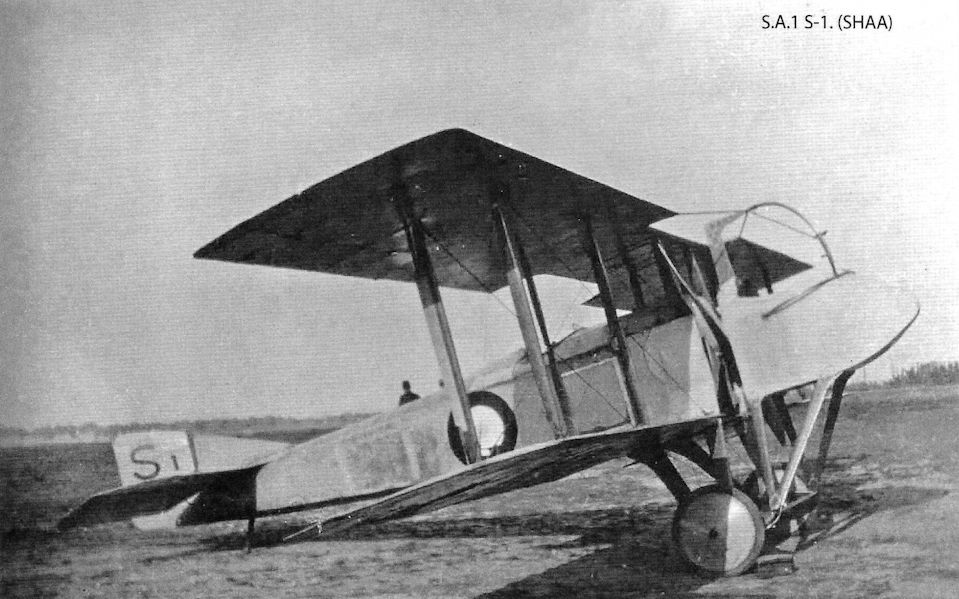
S.A.1 S-1. (SHAA)
-
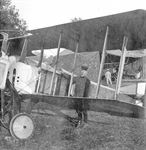
J.Herris, D.Mechin - The Spad A Series /Centennial Perspective/ (104)
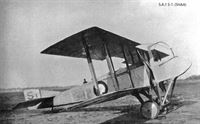
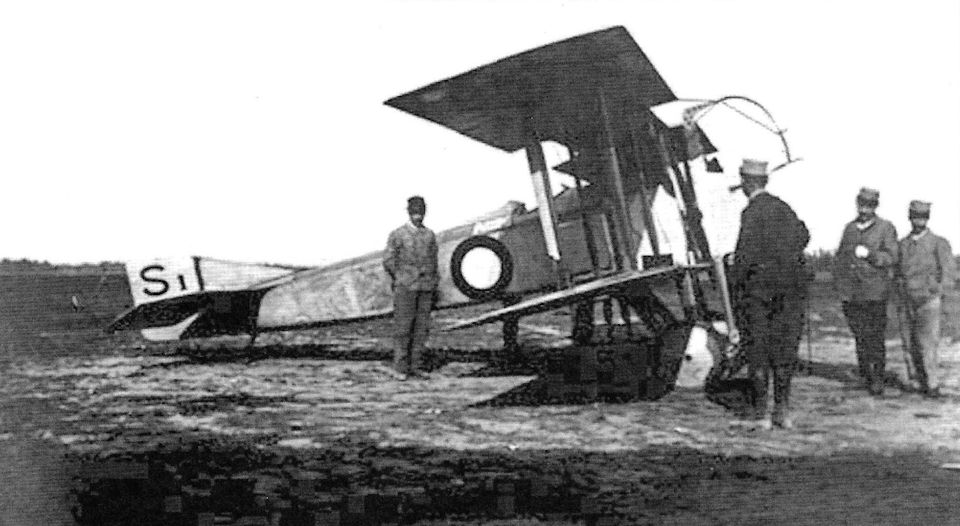
S.A.1 S-1. (SHAA)
-
J.Herris, D.Mechin - The Spad A Series /Centennial Perspective/ (104)
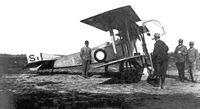
S.A.1 S-1. (SHAA)
-
J.Herris, D.Mechin - The Spad A Series /Centennial Perspective/ (104)
S.A.1 S-1. (SHAA)
-
J.Herris, D.Mechin - The Spad A Series /Centennial Perspective/ (104)
S.A.1 S-1. (SHAA)
-
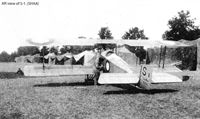
J.Herris, D.Mechin - The Spad A Series /Centennial Perspective/ (104)
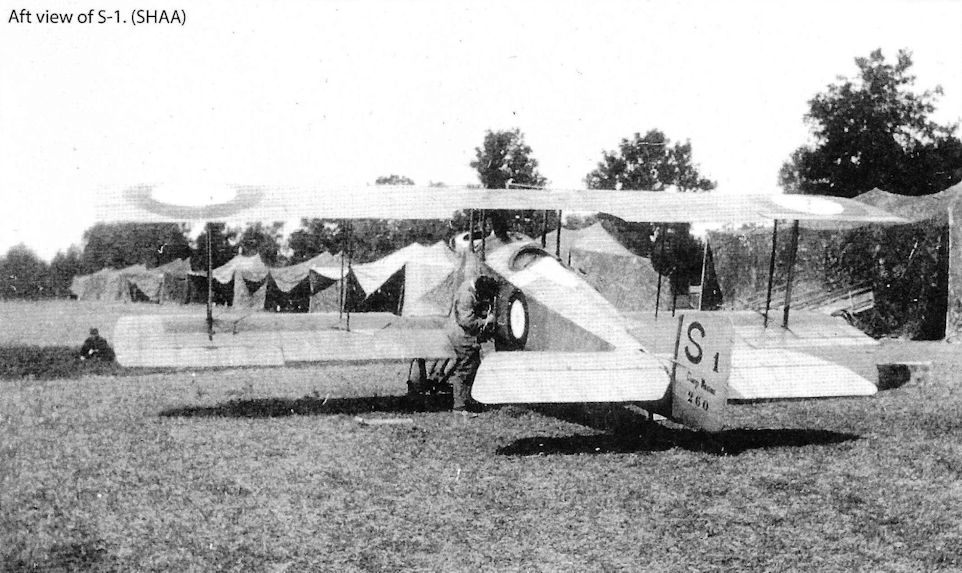
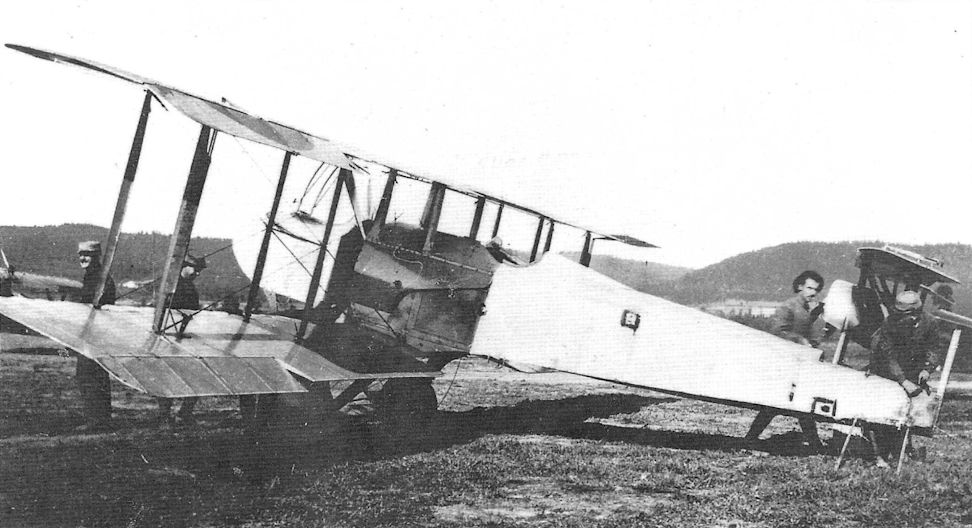
Aft view of S-1. (SHAA)
-
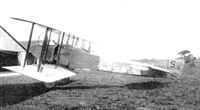
J.Herris, D.Mechin - The Spad A Series /Centennial Perspective/ (104)
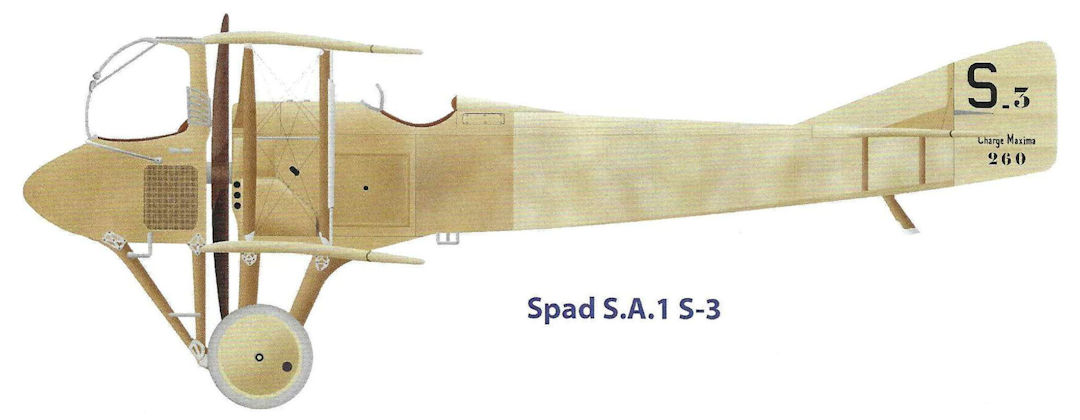
Cadet pilot Jacques Roques at the School of Aviation at Pau photographed in S-3 in August 1916, where is was being used as a trainer. The aircraft appears well used since the fabric looks ragged. (SHAA)
-
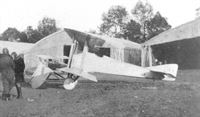
J.Herris, D.Mechin - The Spad A Series /Centennial Perspective/ (104)
SPAD SA.1 at the R.G.A. The front cockpit could be lowered to service or start the engine.
SA.1 S-4 undergoing maintenance. (SHAA) -
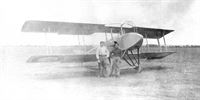
J.Herris, D.Mechin - The Spad A Series /Centennial Perspective/ (104)
Probably S-4, a Spad S.A.1 that has apparently been modified with larger side ducts and a double-tube machine gun mount. (SHAA)
-
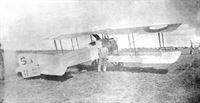
J.Herris, D.Mechin - The Spad A Series /Centennial Perspective/ (104)
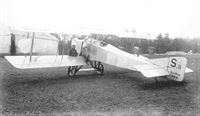
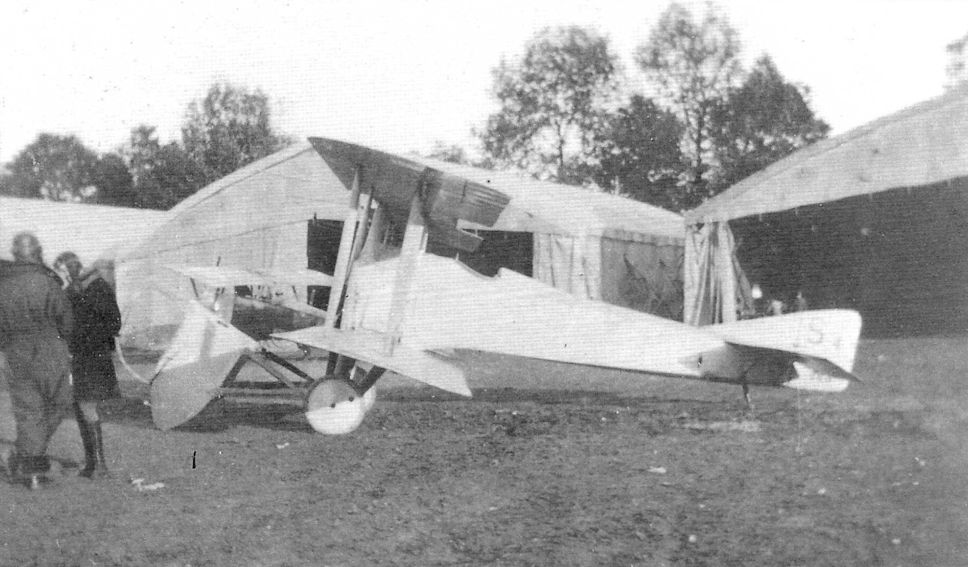
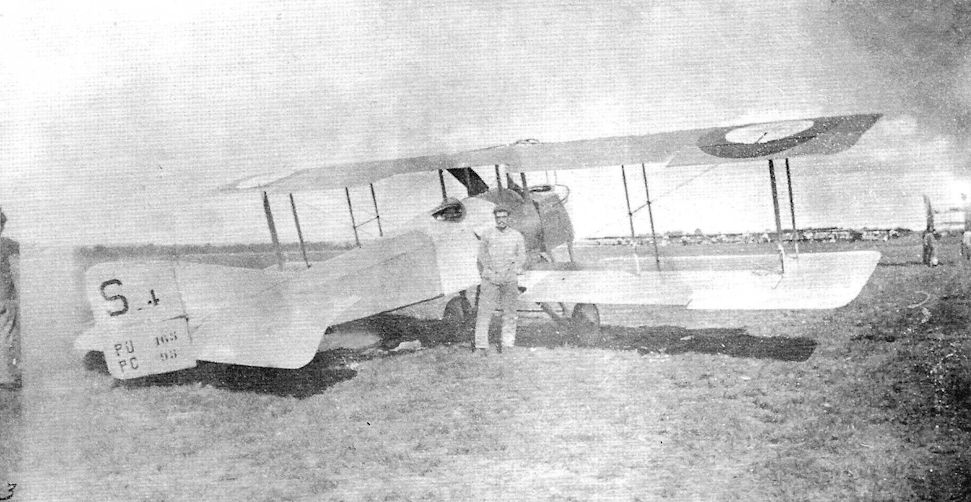
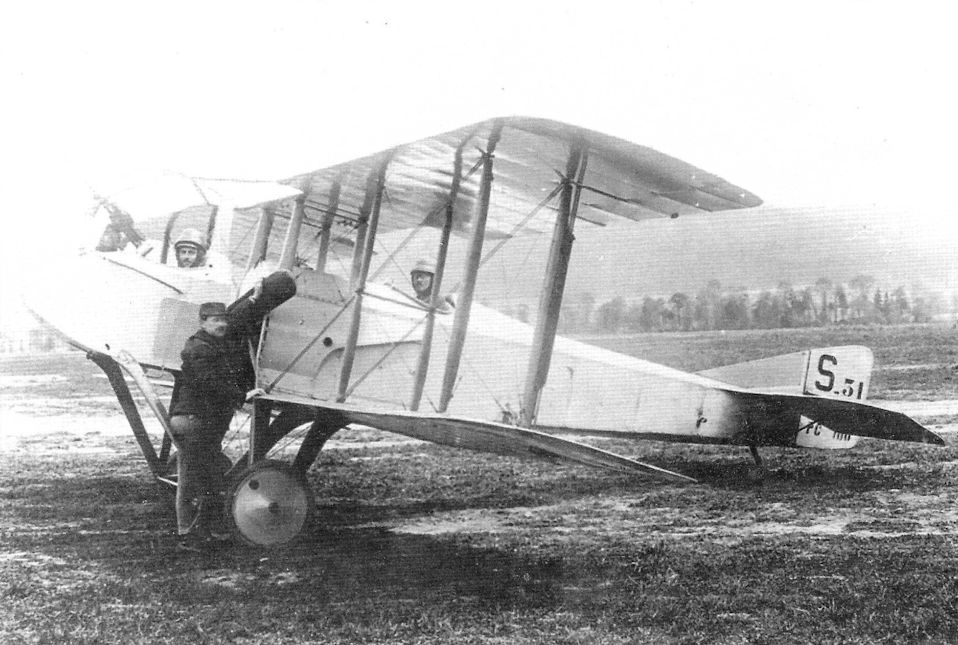
SFA number S-4, a production S.A.1.
-
J.Herris, D.Mechin - The Spad A Series /Centennial Perspective/ (104)
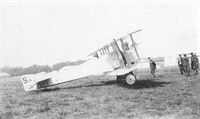
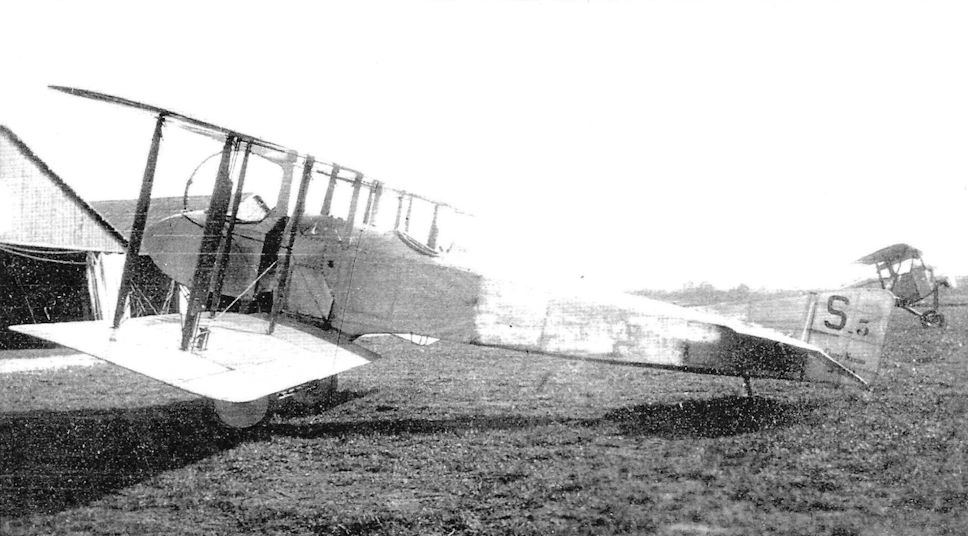
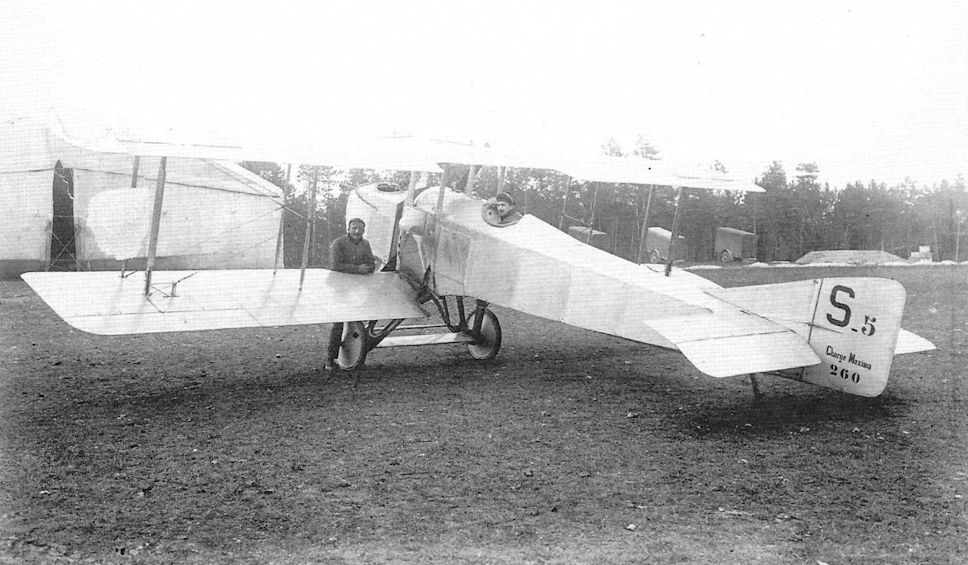
SFA number S-5 a production SA.1.
-
J.Herris, D.Mechin - The Spad A Series /Centennial Perspective/ (104)
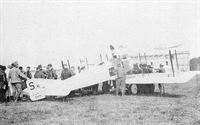
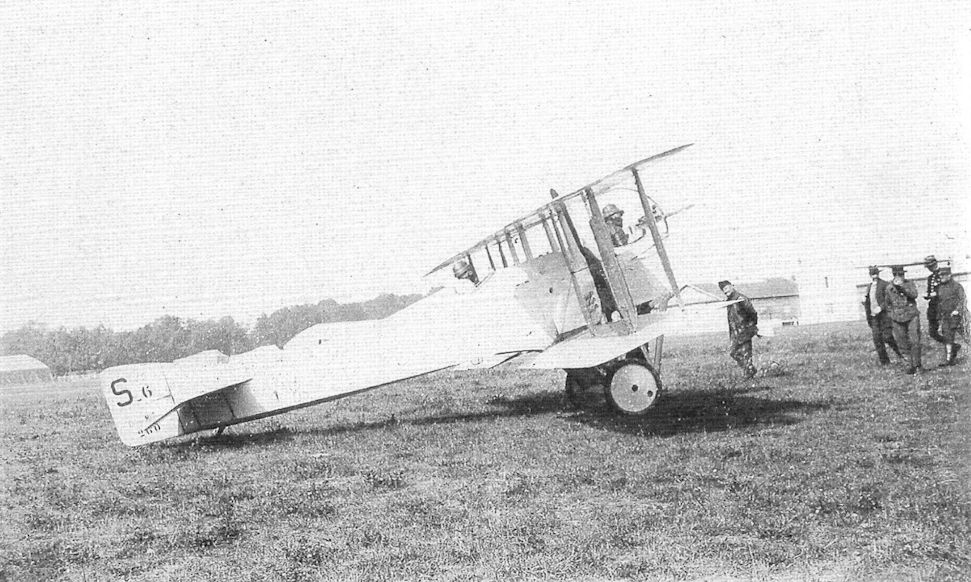
Spad S.A.1 S-6. (Jean-Amigues)
-
J.Herris, D.Mechin - The Spad A Series /Centennial Perspective/ (104)
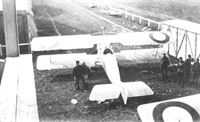
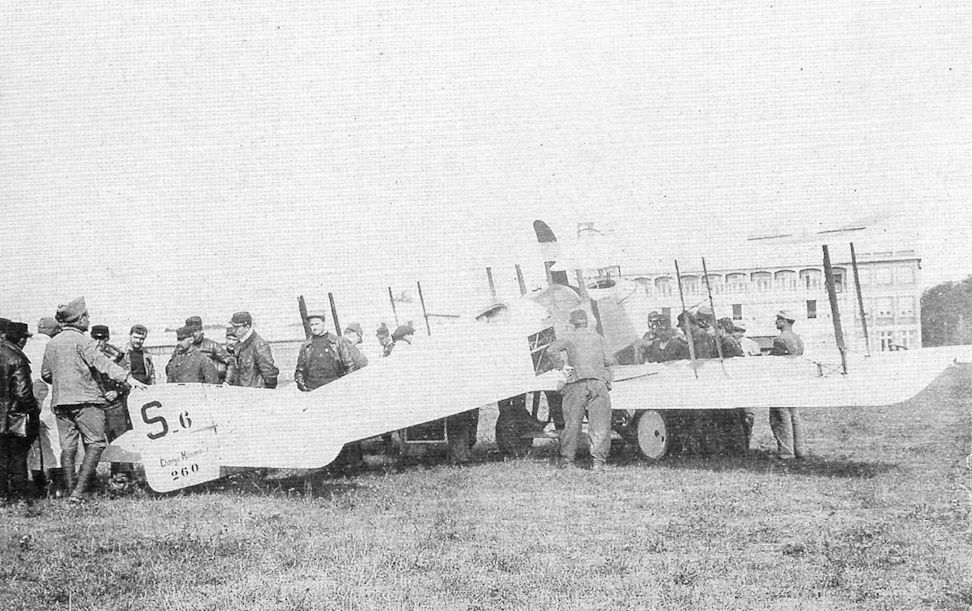
Spad S.A.1 S-6. (Jean-Amigues)
-
J.Herris, D.Mechin - The Spad A Series /Centennial Perspective/ (104)
S-7, a production Spad S.A.1, being delivered at Buc in September 1915. (SHAA)
-
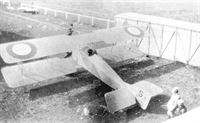
J.Herris, D.Mechin - The Spad A Series /Centennial Perspective/ (104)
S-7, a production Spad S.A.1, being delivered at Buc in September 1915 (SHAA)
-
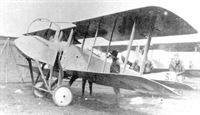
J.Herris, D.Mechin - The Spad A Series /Centennial Perspective/ (104)
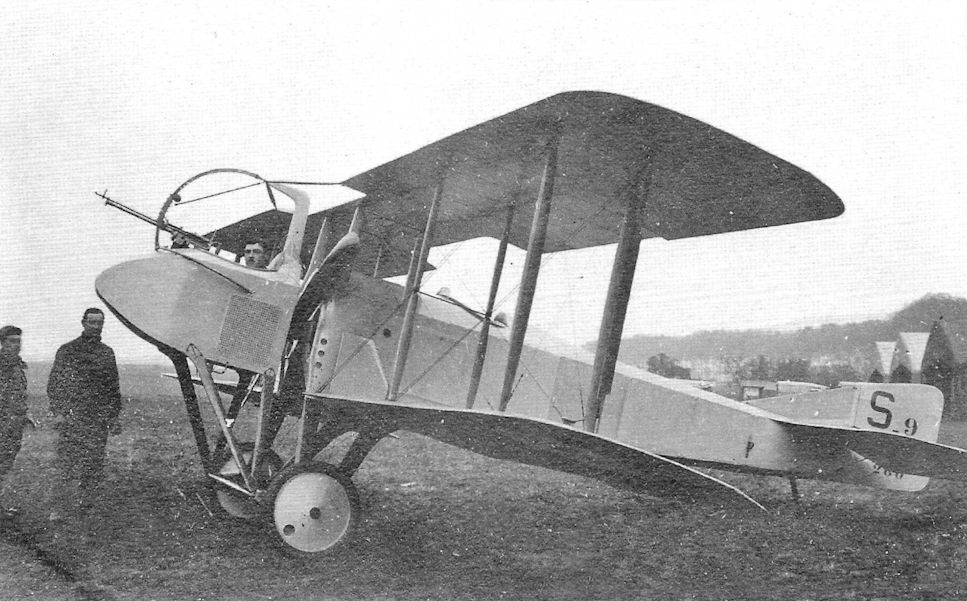
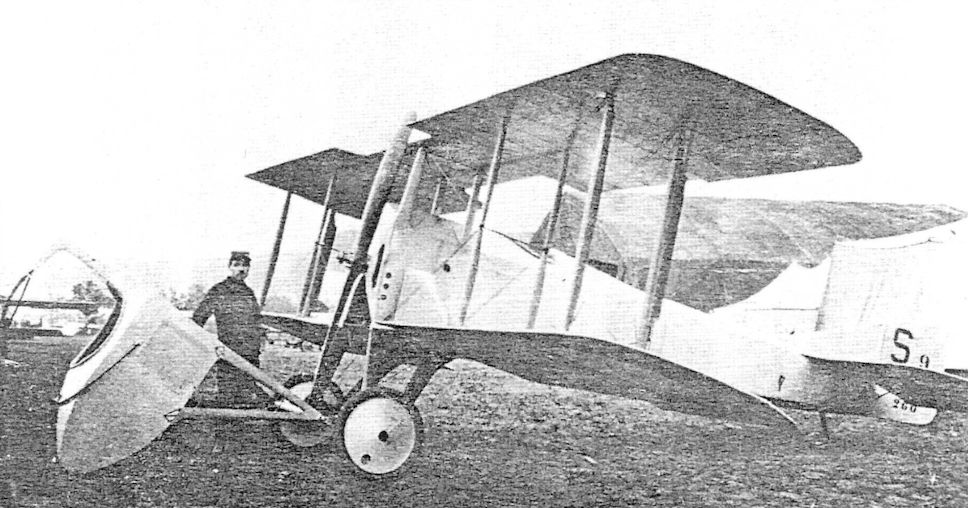
S-7. Note there is no incidence bracing between the interplane false struts of S-9. (SHAA)
-
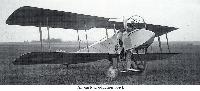
Сайт - Pilots-and-planes /WWW/
Французский "Спад" A1.
Production Spad S.A.1 showing some oil stains on the front of the fuselage and a window under the forward part of the nacelle. This is S-9 of Capitaine Brocard, commander of Escadrille N 3 at Breuil-le-Sec at the end of 1915. (Musee de l'Air) -
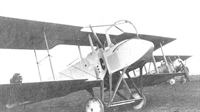
J.Herris, D.Mechin - The Spad A Series /Centennial Perspective/ (104)
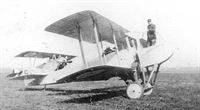
S-9 of Capitaine Brocard next to a single-seat Nieuport 10 (with 110 hp special) of Sergeant Georges Guynemer (probably N436) with over-wing gun at N 3, winter 1915–1916. Note there is no incidence bracing between the interplane false struts of S-9. (SHAA)
Другие самолёты на фотографии: Nieuport Nieuport-10 - Франция - 1915
-
J.Herris, D.Mechin - The Spad A Series /Centennial Perspective/ (104)
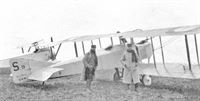
This appears to be Capitaine Brocard's SA.1 S-9 with Guynemer's single-seat Nieuport 10 in the background. (SHAA)
Другие самолёты на фотографии: Nieuport Nieuport-10 - Франция - 1915
-
J.Herris, D.Mechin - The Spad A Series /Centennial Perspective/ (104)
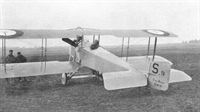
Spad S.A.1 S-9 from Escadrille N-3 nest to the Nieuport 11 prototype (N-402). (SHAA)
Другие самолёты на фотографии: Nieuport Nieuport-11/16 Bebe - Франция - 1915
-
-
J.Herris, D.Mechin - The Spad A Series /Centennial Perspective/ (104)
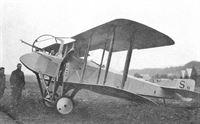
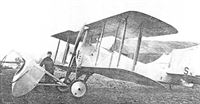
S-9 of Capitaine Brocard, winter 1915–1916. (SHAA)
-
J.Herris, D.Mechin - The Spad A Series /Centennial Perspective/ (104)
S-9 of Capitaine Brocard, winter 1915-1916. Note there is no incidence bracing between the interplane false struts of S-9. (SHAA)
-
J.Herris, D.Mechin - The Spad A Series /Centennial Perspective/ (104)
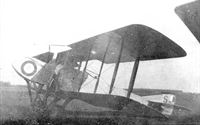
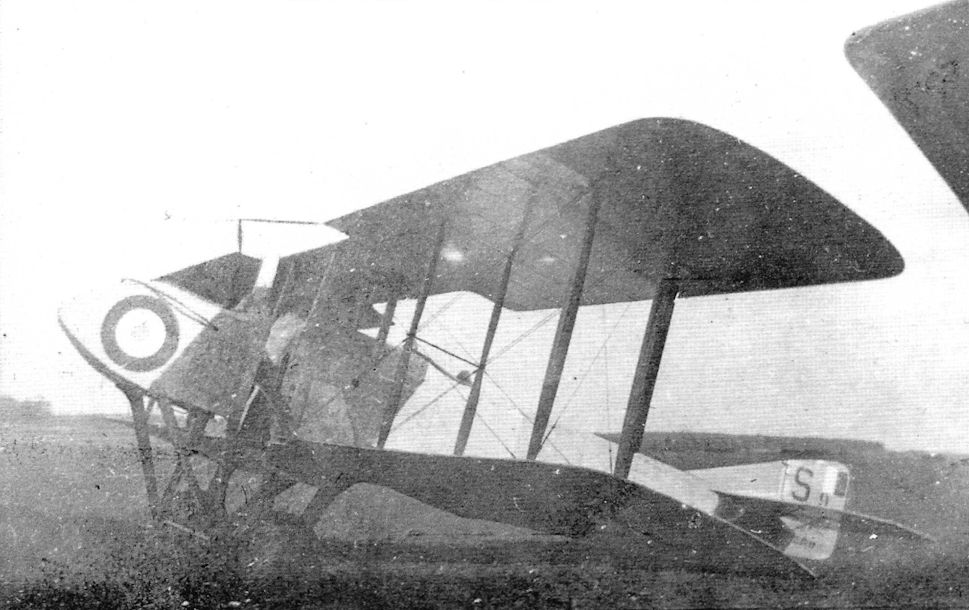
S.A.1 S-9 from escadrille N-3, wearing late markings - a little tricolor flag on the tail, and a cockade on nacelle. (SHAA)
-
J.Herris, D.Mechin - The Spad A Series /Centennial Perspective/ (104)
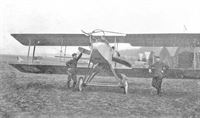
Spad S.A.1 S-9 from Escadrille N-3 next to the Nieuport 11 prototype (N-402). (SHAA)
-
J.Herris, D.Mechin - The Spad A Series /Centennial Perspective/ (104)
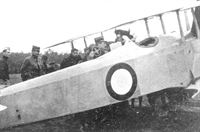
S-9 from escadrille N-3, during winter 1915-1916. (SHAA)
-
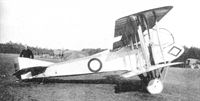
J.Herris, D.Mechin - The Spad A Series /Centennial Perspective/ (104)
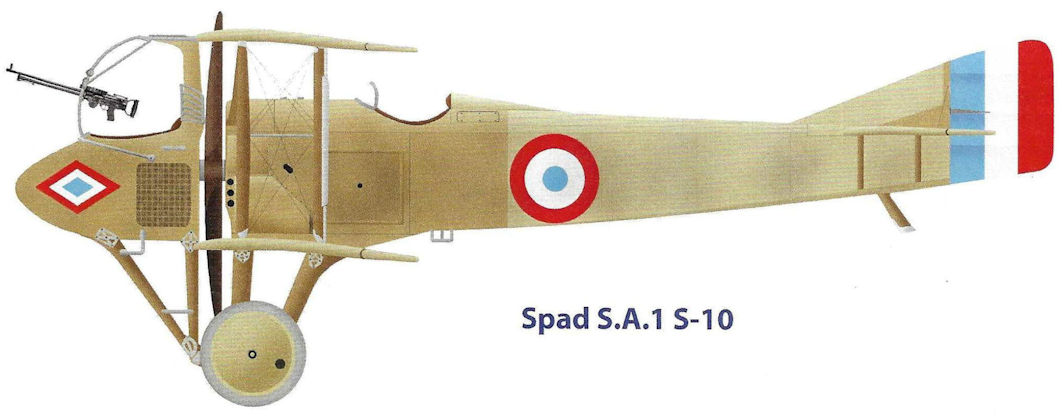
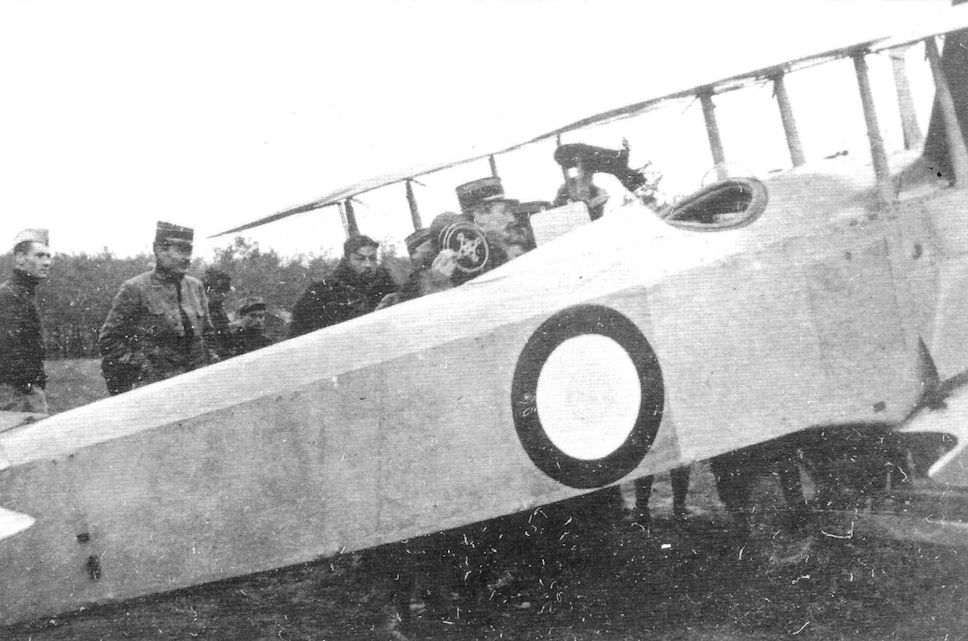
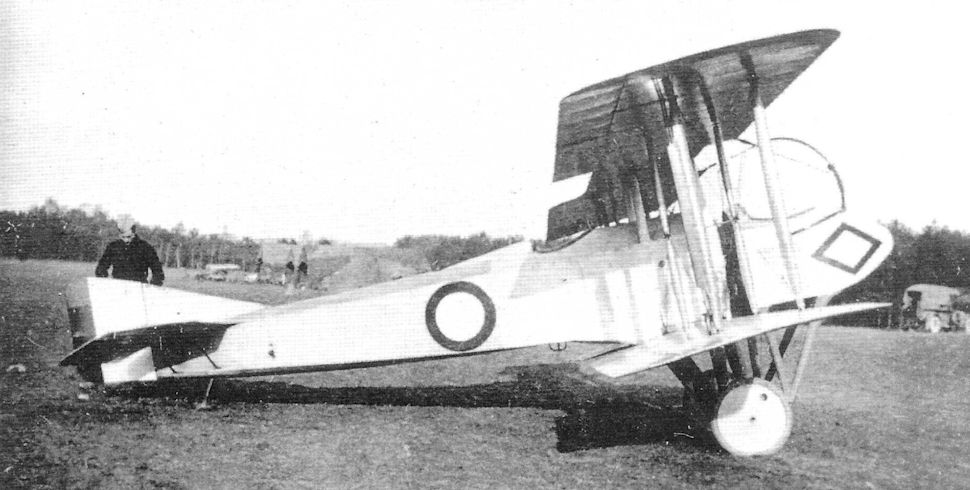
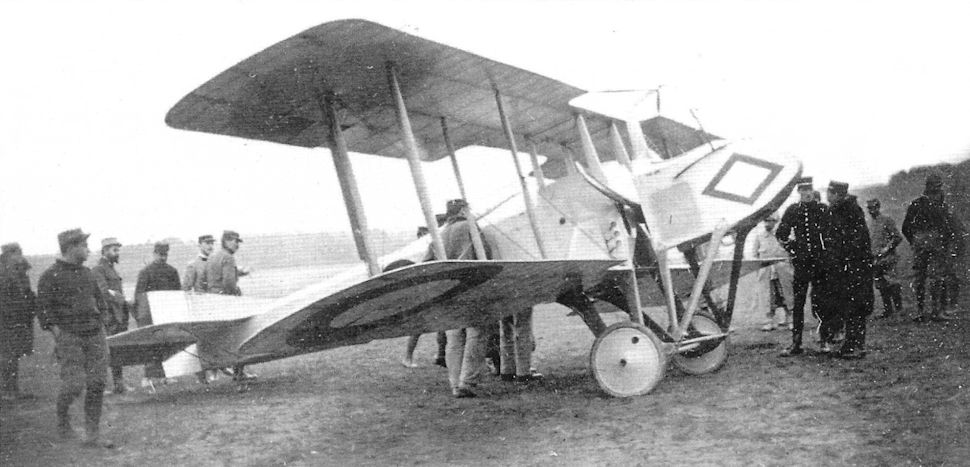
Probably S-10, a production Spad S.A.1, of Capitaine Maurice Schlumberger. The gun mounts is pointed to the right, indicating the centering springs were overridden. This aircraft was assigned to N 23 at the end of 1915. The SFA number of the rudder has been painted over. The diamond marking on the nacelle is red, white, and blue, the blue being a center diamond washed out in these images. (SHAA)
-
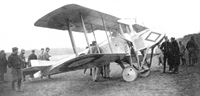
J.Herris, D.Mechin - The Spad A Series /Centennial Perspective/ (104)
Probably S-10, a production Spad S.A.1, of Capitaine Maurice Schlumberger, the tall officer in the center wearing a kepi. French soldiers removing things out of the left baggage compartment.
-
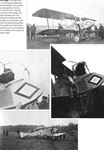
J.Herris, D.Mechin - The Spad A Series /Centennial Perspective/ (104)
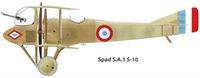
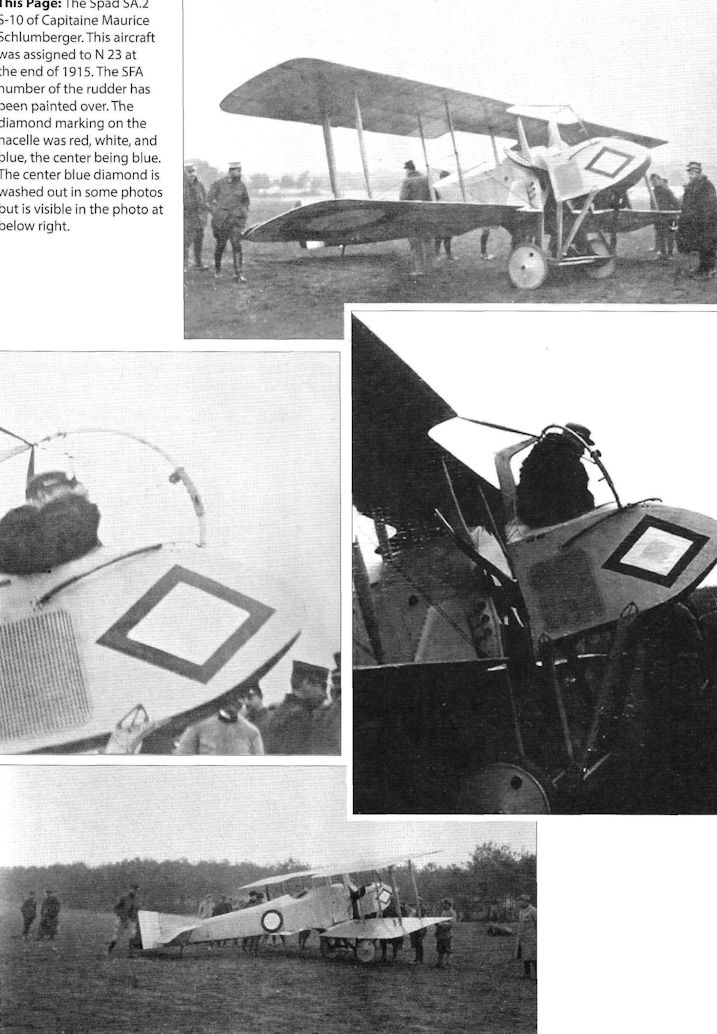
The Spad SA.2 S-10 of Capitaine Maurice Schlumberger. This aircraft was assigned to N 23 at the end of 1915. The SFA number of the rudder has been painted over. The diamond marking on the nacelle was red, white, and blue, the center being blue. The center blue diamond is washed out in some photos but is visible in the photo at centre right.
-
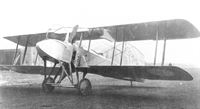
J.Herris, D.Mechin - The Spad A Series /Centennial Perspective/ (104)
An S.A.1 possibly photographed at the R.G.A. at Bourget-Dungny.
-
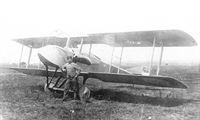
J.Herris, D.Mechin - The Spad A Series /Centennial Perspective/ (104)
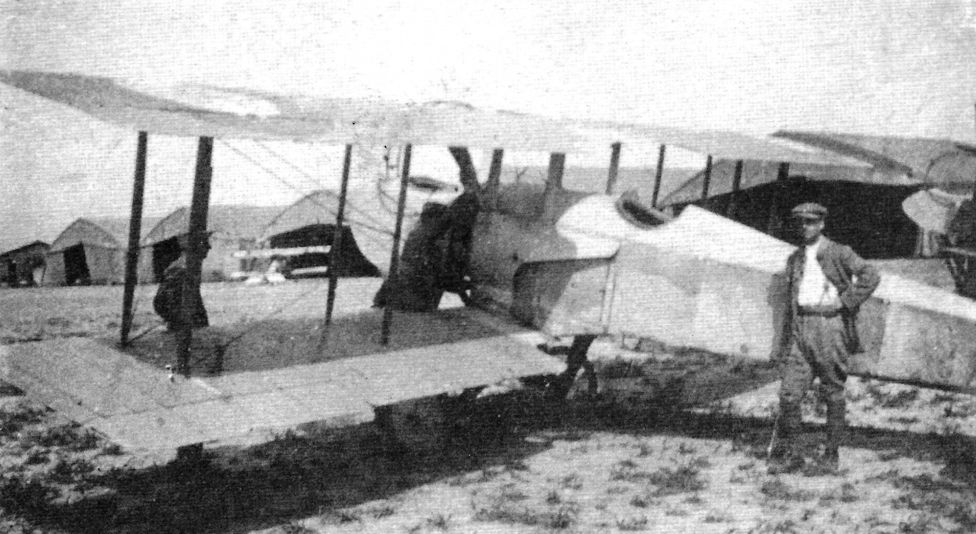
Pilot posting with an S.A.1. The document attached to the left wing may indicate delivery of a new airplane, (SHAA)
-
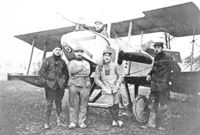
J.Herris, D.Mechin - The Spad A Series /Centennial Perspective/ (104)
S.A.1 from escadrille N-23 during January 1916. (David Mechin)
-
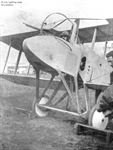
J.Herris, D.Mechin - The Spad A Series /Centennial Perspective/ (104)
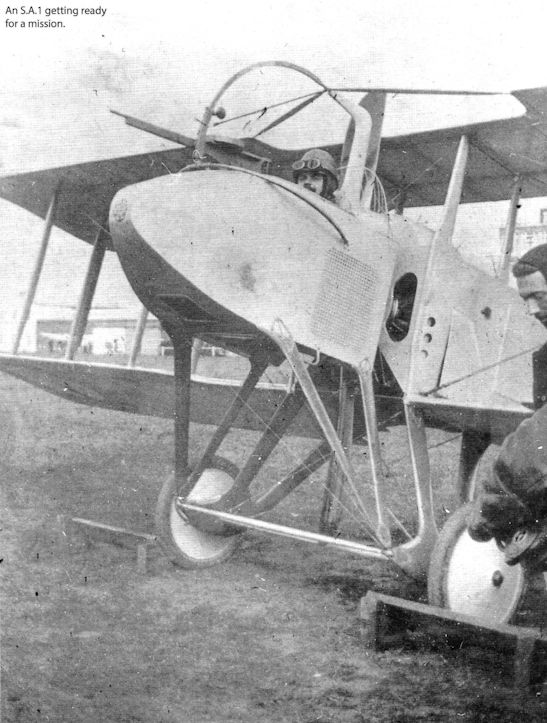
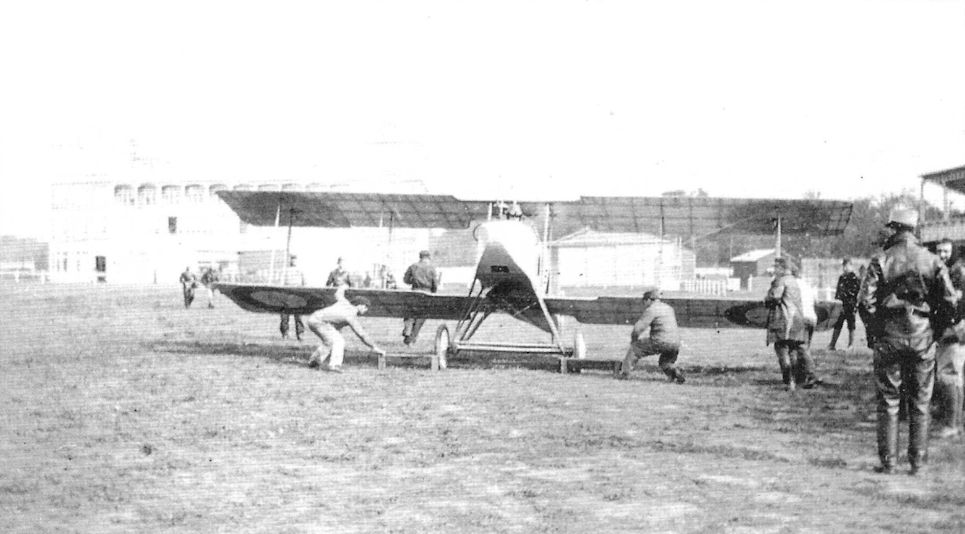
An S.A.1 getting ready for a mission.
-

J.Davilla, A.Soltan - French Aircraft of the First World War /Flying Machines/
SPAD SA 1 at Buc airfield.
-
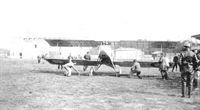
J.Herris, D.Mechin - The Spad A Series /Centennial Perspective/ (104)
S.A.1 being prepared for flight. (SHAA)
-
J.Herris, D.Mechin - The Spad A Series /Centennial Perspective/ (104)
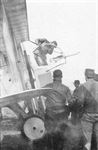
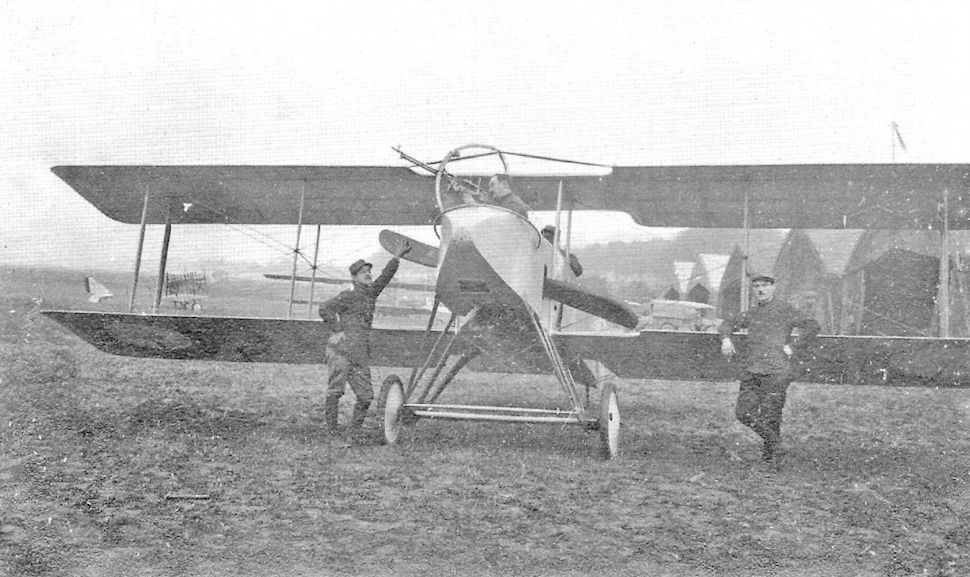
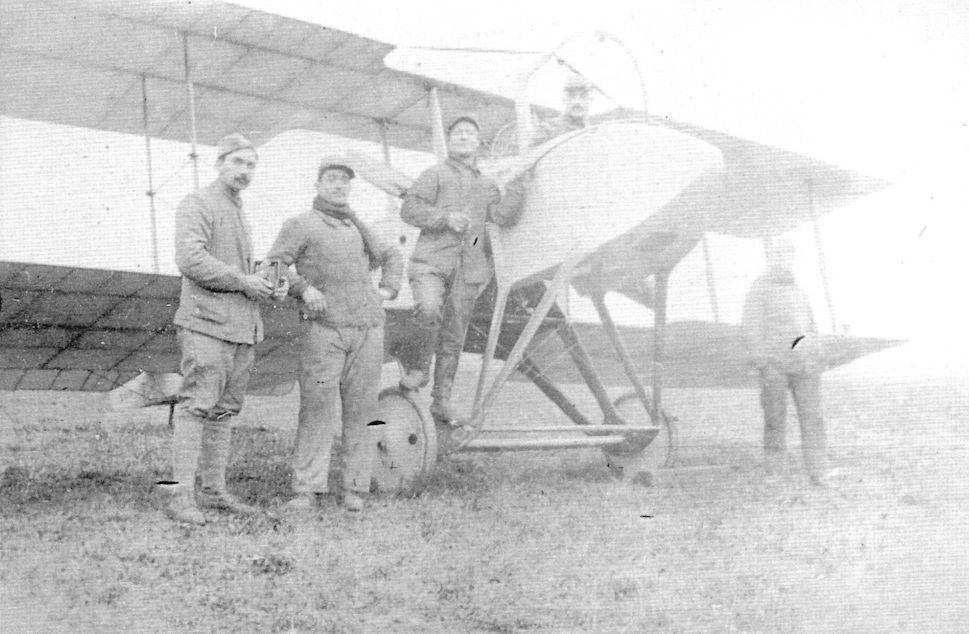
S.A.1 with ground crew. (SHAA)
-
J.Herris, D.Mechin - The Spad A Series /Centennial Perspective/ (104)
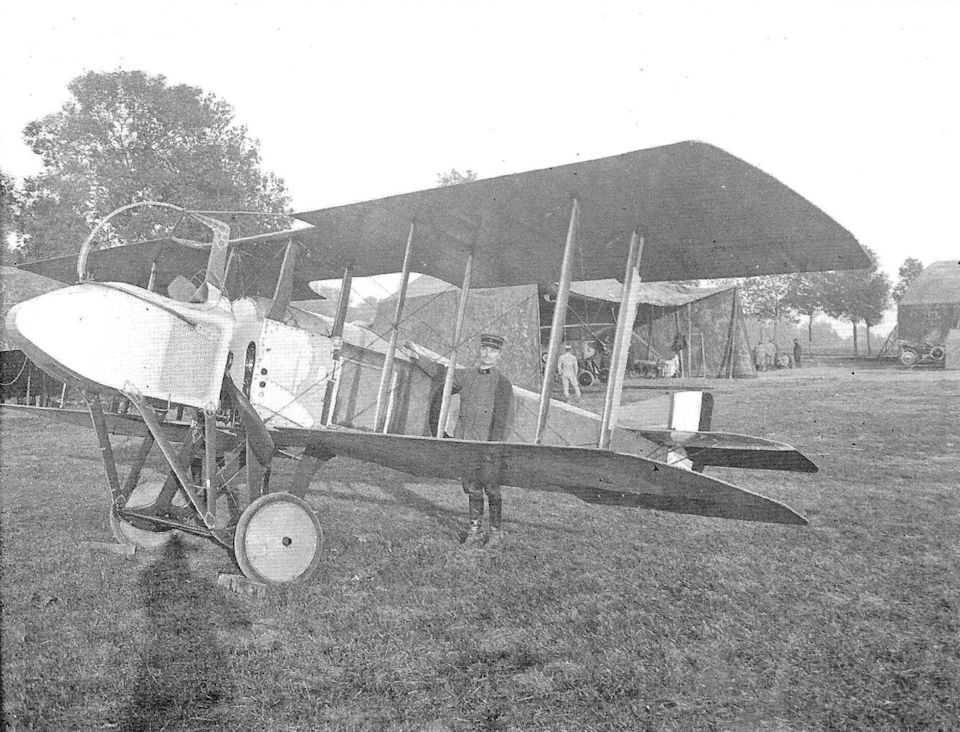
An S.A.1. (Jean-Amigues)

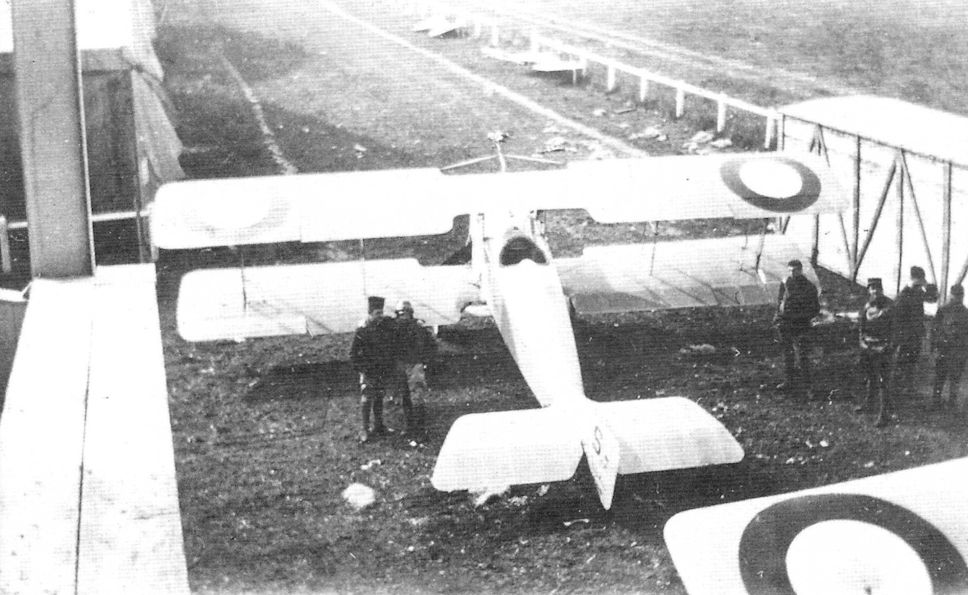
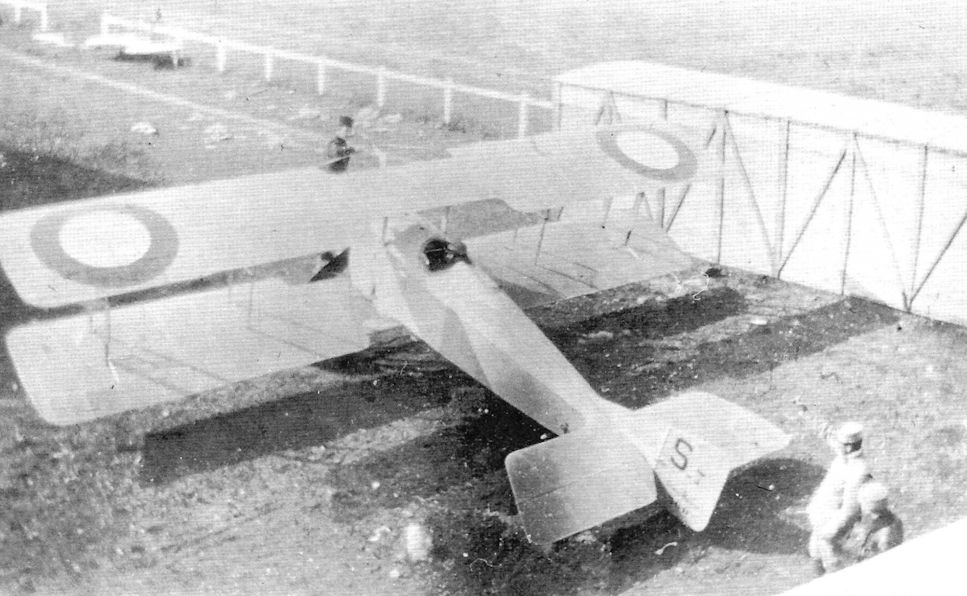
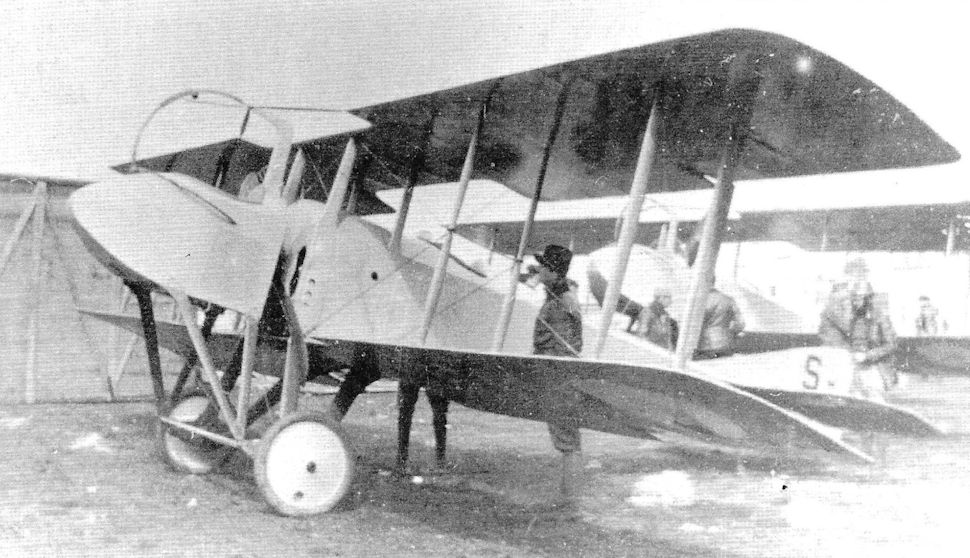
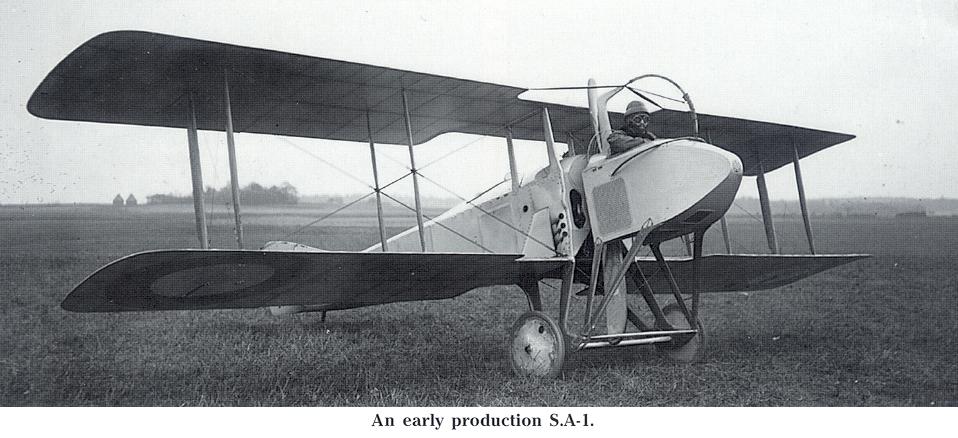
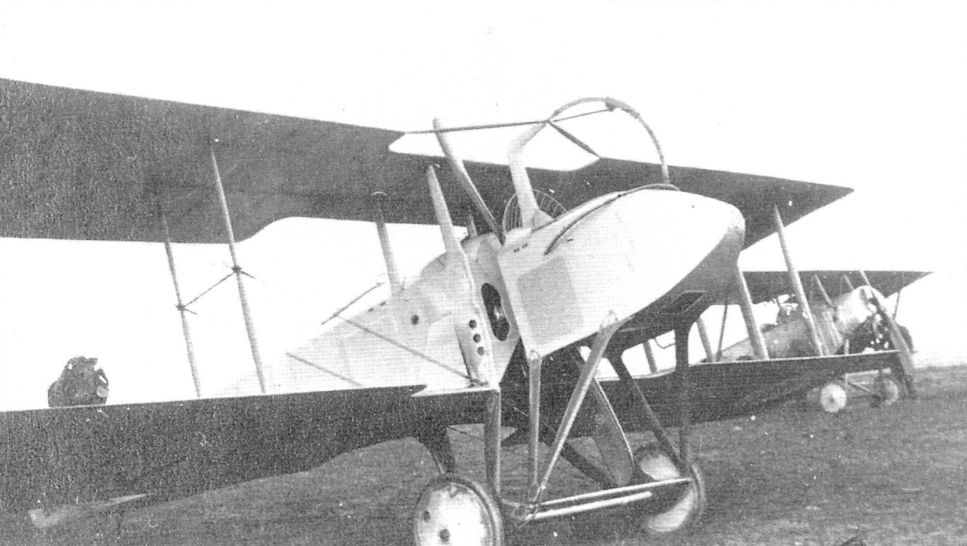
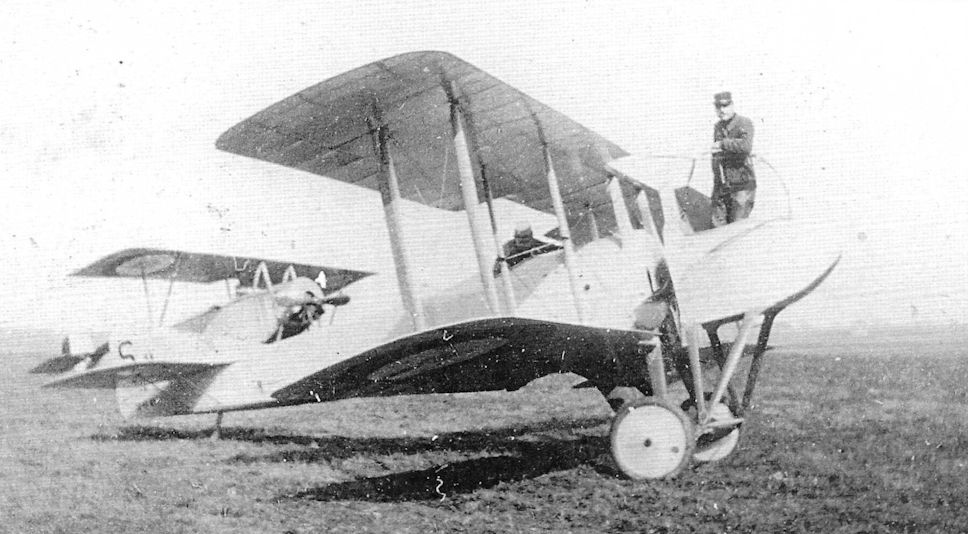
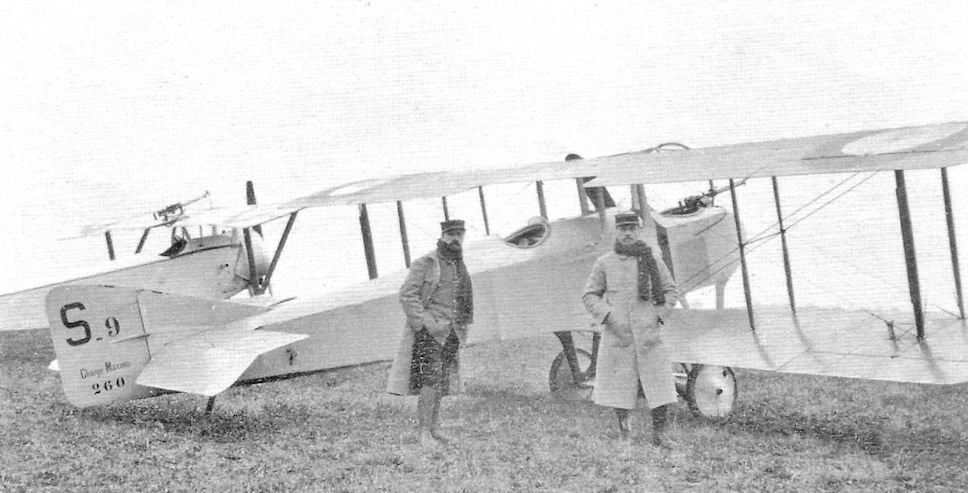
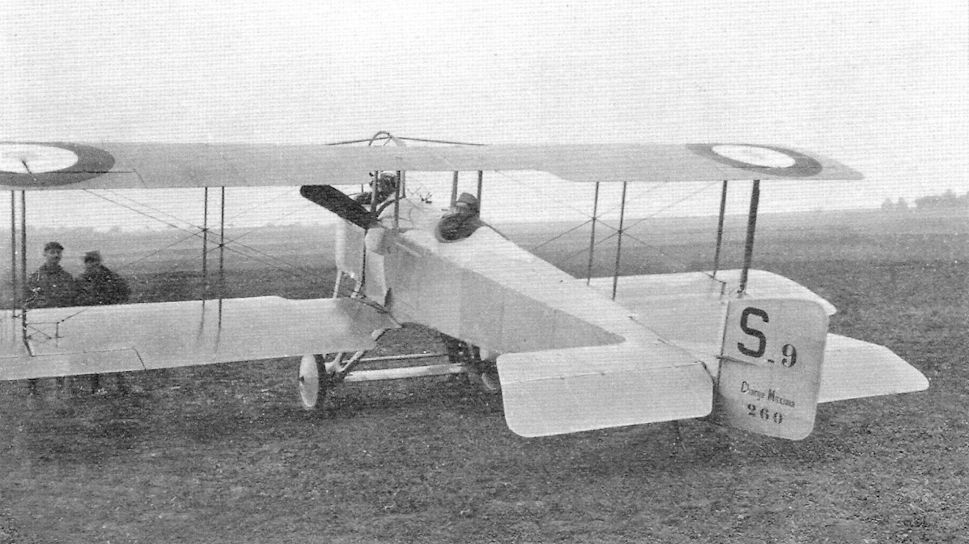


-

Сайт - Pilots-and-planes /WWW/
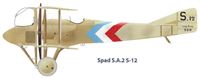
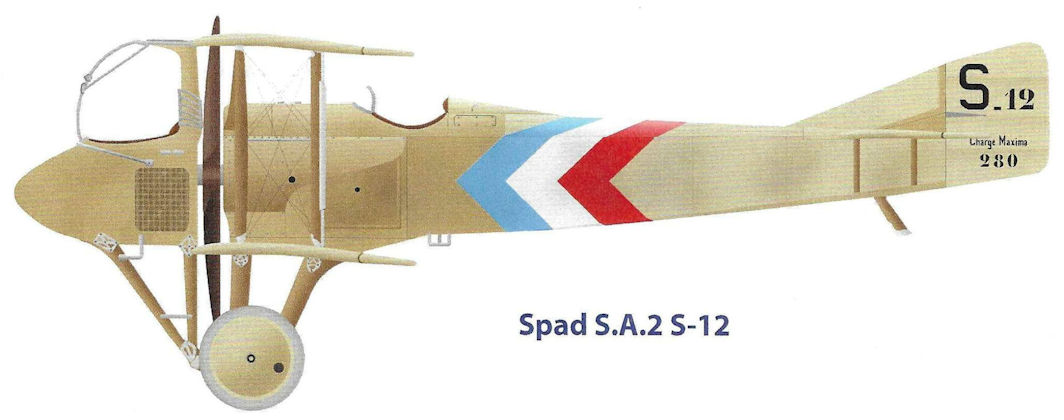
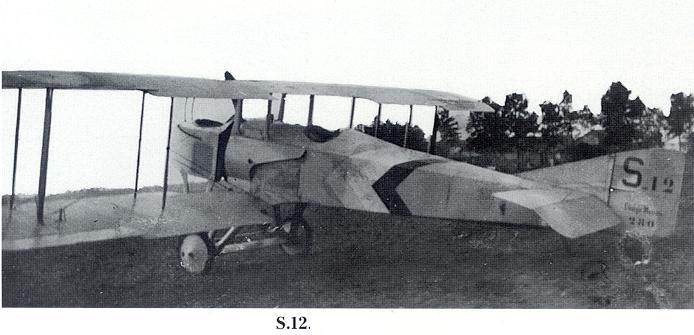
S-12 was the first production SA.2. The SA.2 adopted the more powerful 110 hp Le Rhone and revised cooling louvers. S-12 is shown after a red-white-blue chevron marking was applied. (SHAA)
-
J.Herris, D.Mechin - The Spad A Series /Centennial Perspective/ (104)
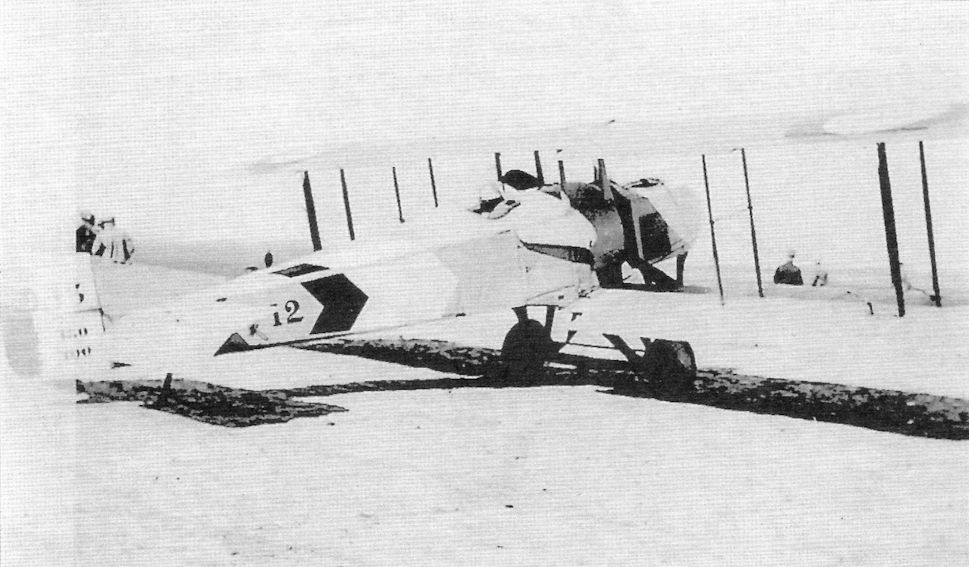
S-13 was the second production SA.2. The number '12' on the fuselage is the early marking of Escadrille 12. But S-13 on the tail is its serial number. The SA.2 adopted the more powerful 110 hp Le Rhone and revised cooling louvers. It is shown after a red-white-blue chevron marking was applied. (SHAA)
-
J.Herris, D.Mechin - The Spad A Series /Centennial Perspective/ (104)
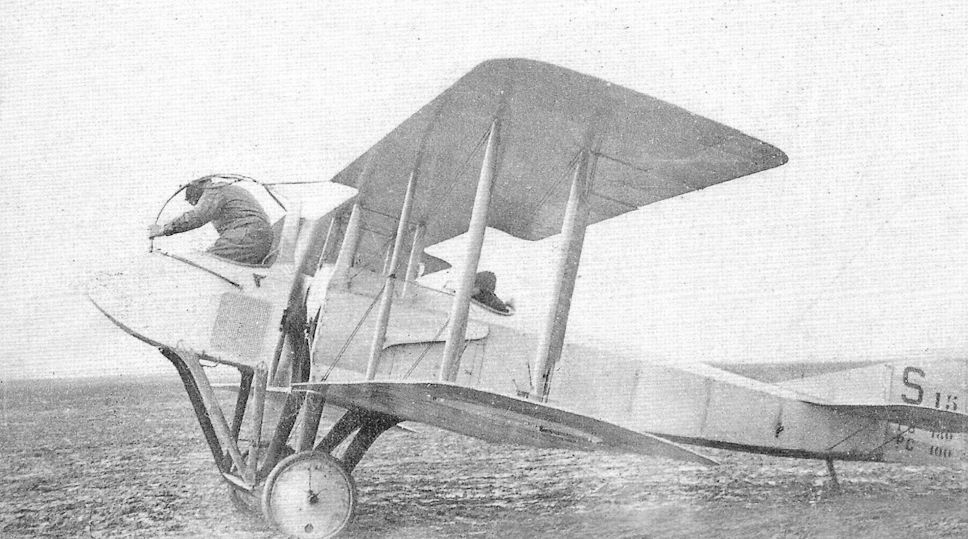
Standard mid-production S.A.2 S-15 clearly showing the large cooling ducts. (SHAA)
-
J.Herris, D.Mechin - The Spad A Series /Centennial Perspective/ (104)
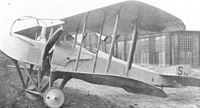
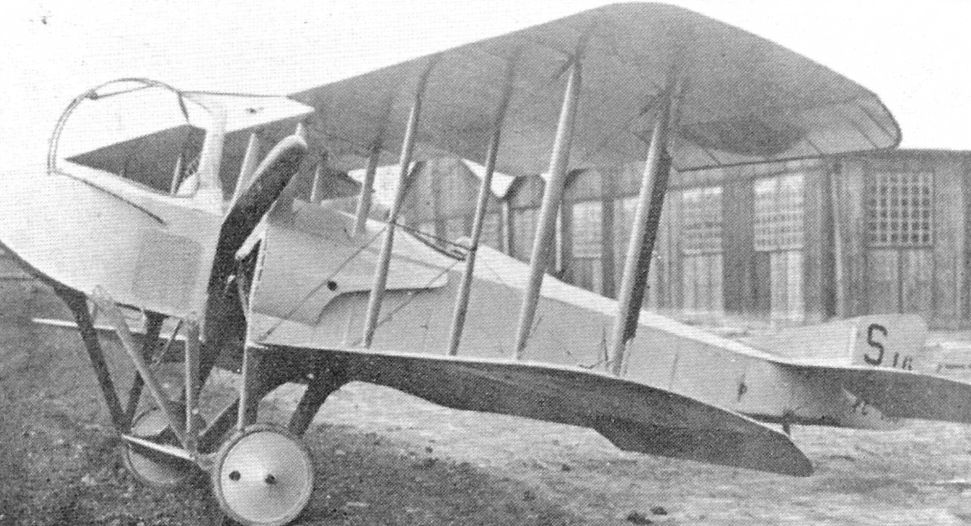
S.A.2 S-16. A mid-production SA.2, it clearly shows the large cooling ducts and standard dual tube machine gun mount. (SHAA)
-
J.Herris, D.Mechin - The Spad A Series /Centennial Perspective/ (104)
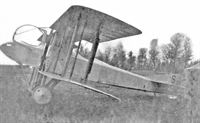
Standard mid-production S.A.2 S-16. (SHAA)
-
J.Herris, D.Mechin - The Spad A Series /Centennial Perspective/ (104)
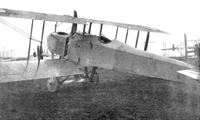
Standard mid-production S.A.2 S-16. (SHAA)
-
J.Herris, D.Mechin - The Spad A Series /Centennial Perspective/ (104)
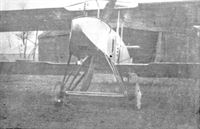
S.A.2 S-16. (SHAA)
-
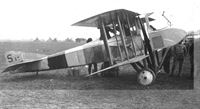
J.Herris, D.Mechin - The Spad A Series /Centennial Perspective/ (104)
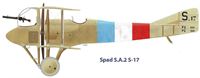
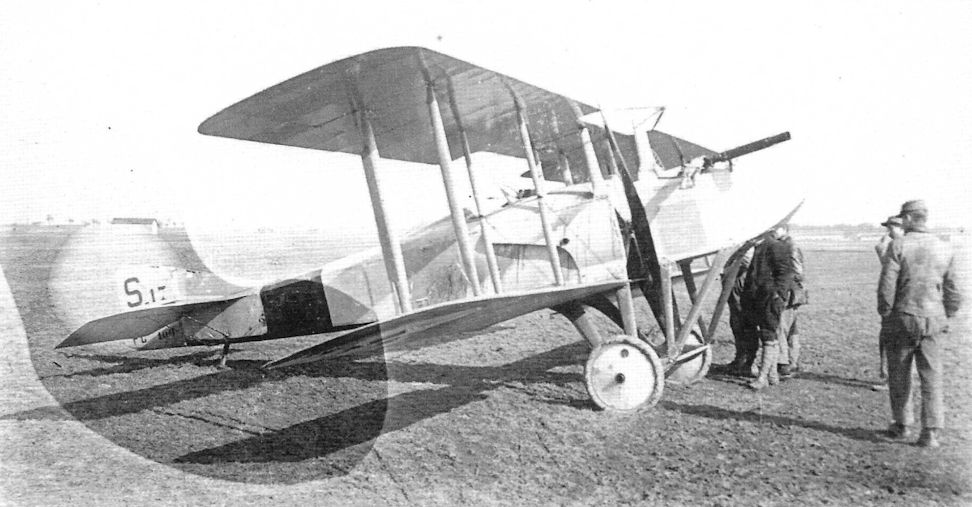
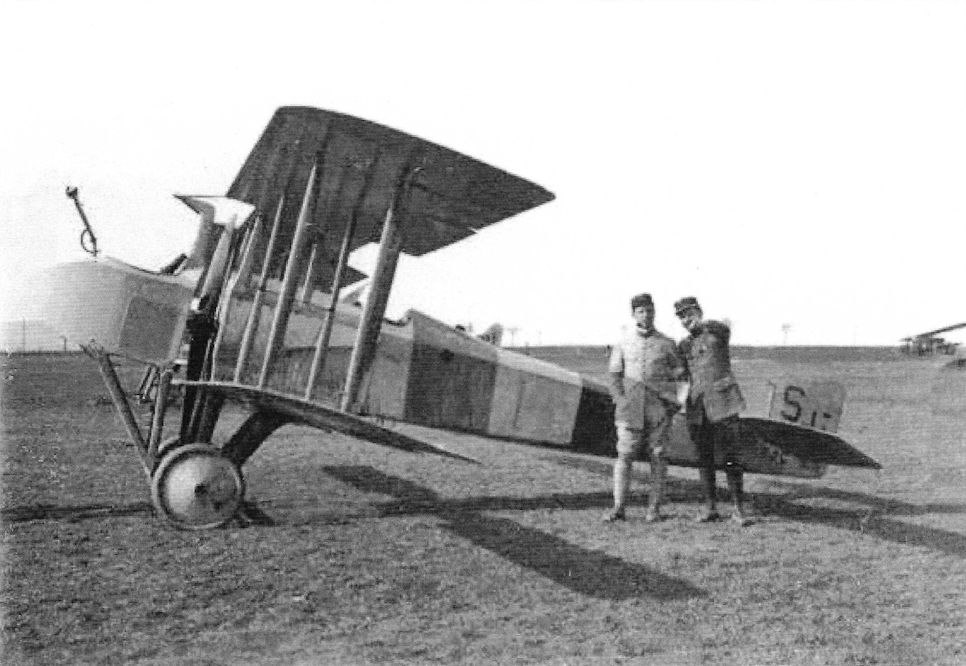
SPAD SA.2 serial S.17 with pillar-type gun mount. Via Colin Owers.
-
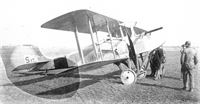
J.Herris, D.Mechin - The Spad A Series /Centennial Perspective/ (104)
Another photo of S.A.2 S-17. A mid-production SA.2, it clearly shows the larger cooling ducts and standard machine gun mount. (SHAA)
-
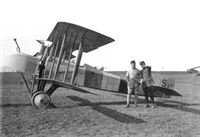
J.Herris, D.Mechin - The Spad A Series /Centennial Perspective/ (104)
S.A.2 S-17. A mid-production SA.2, it clearly shows the larger cooling ducts and standard machine gun mount. (SHAA)
-
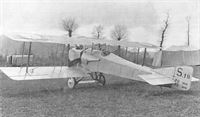
J.Herris, D.Mechin - The Spad A Series /Centennial Perspective/ (104)
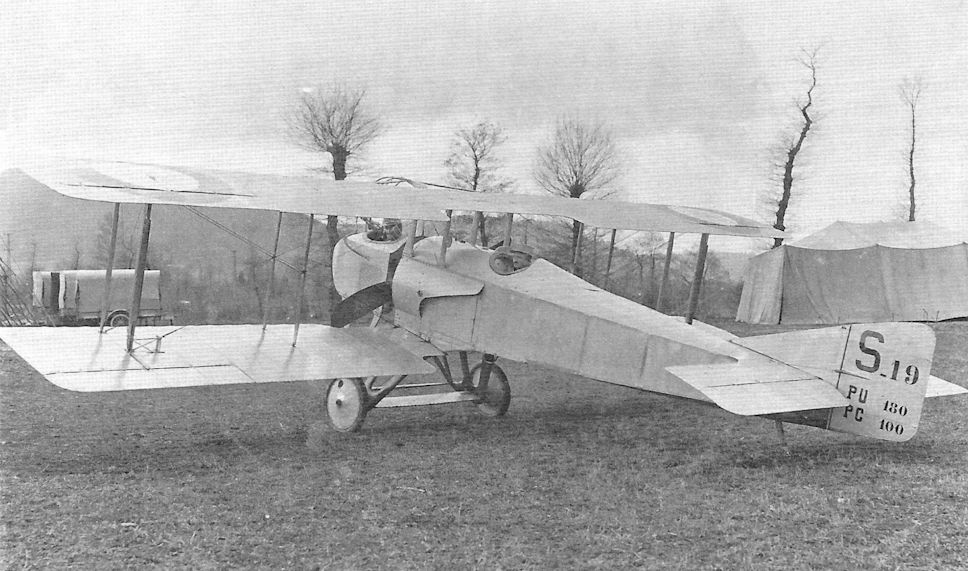
S.A.2 S-19 before it received the inscription "MA JEANNE". (SHAA)
-
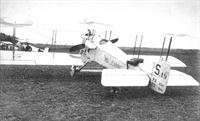
J.Herris, D.Mechin - The Spad A Series /Centennial Perspective/ (104)
MA JEANNE, S.A.2 S-19. A mid-production S.A.2, it clearly shows the larger cooling ducts and standard machine gun mount with dual metal tubes. (SHAA)
-

J.Davilla, A.Soltan - French Aircraft of the First World War /Flying Machines/
SPAD SA.2 serial S.19 named Ma Jeanne. The machine gun was mounted on a double-track mounting.
'MA JEANNE' was one of forty-two Spad A.2s that served with the French Aviation Militaire. The forward nacelle was movable and could be rotated downward to provide access to the engine -

J.Herris, D.Mechin - The Spad A Series /Centennial Perspective/ (104)
MA JEANNE (“My Jane" in English) was S.A.2 S-19. (SHAA)
-

J.Herris, D.Mechin - The Spad A Series /Centennial Perspective/ (104)
S.A.2 S-31 and crewman. (SHAA)
-
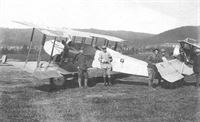
J.Herris, D.Mechin - The Spad A Series /Centennial Perspective/ (104)
On May 17, 1916, Sgt Theophile Funck-Brentano and Sgt Robert Sabatier pose on the return from their victory against an Aviatik C which crashed in the vicinity of Chatas (88) - During this fight, they were flying on board SPAD A2 No.31 and although they were both qualified military pilots, it was Sabatier who was piloting. Their plane was damaged by enemy fire. (Jean Amigues)
-
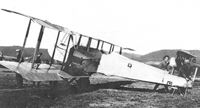
J.Herris, D.Mechin - The Spad A Series /Centennial Perspective/ (104)
SPAD A.2 No.31 being repaired. (Jean Amigues)
-
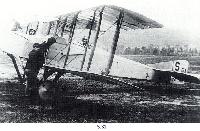
-
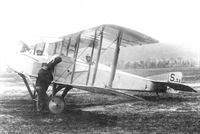
J.Herris, D.Mechin - The Spad A Series /Centennial Perspective/ (104)
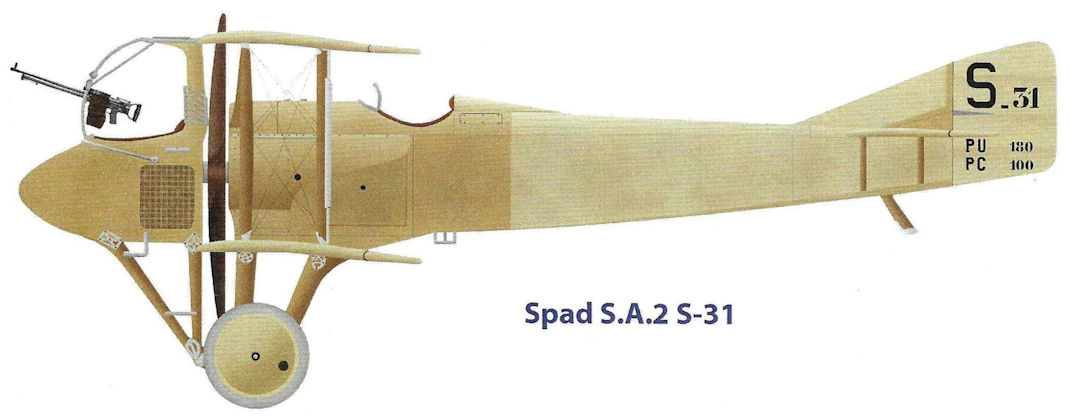
Spad SA.2 S.31 scored the only confirmed SA-series victory on the Western Front. The SA.2 and SA.4 were more successful with the IRAS on the Eastern Front, where aerial opposition was not as intense.
-
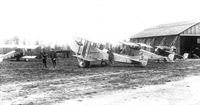
J.Herris, D.Mechin - The Spad A Series /Centennial Perspective/ (104)
S.A.2 S-31 when assigned to N 73. S-31 scored the only confirmed victory of an SA on the Western Front. (SHAA)
-
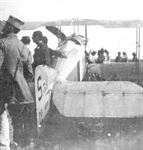
J.Herris, D.Mechin - The Spad A Series /Centennial Perspective/ (104)
S.A.2 S-39 with unit crewman. (SHAA)
-
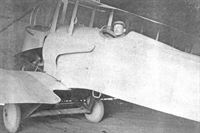
J.Herris, D.Mechin - The Spad A Series /Centennial Perspective/ (104)
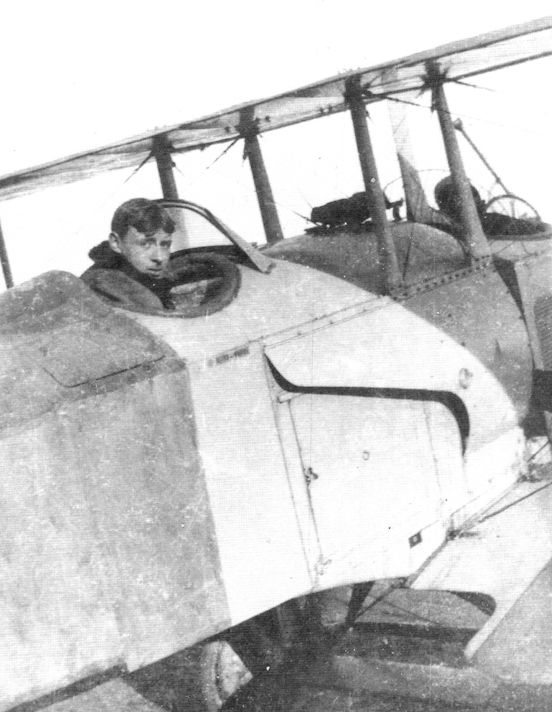
Pilot sitting in an S.A.2 cockpit.
-
J.Herris, D.Mechin - The Spad A Series /Centennial Perspective/ (104)
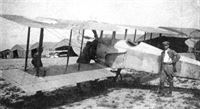
S.A.2 at the front with crewmembers.
-

J.Herris, D.Mechin - The Spad A Series /Centennial Perspective/ (104)
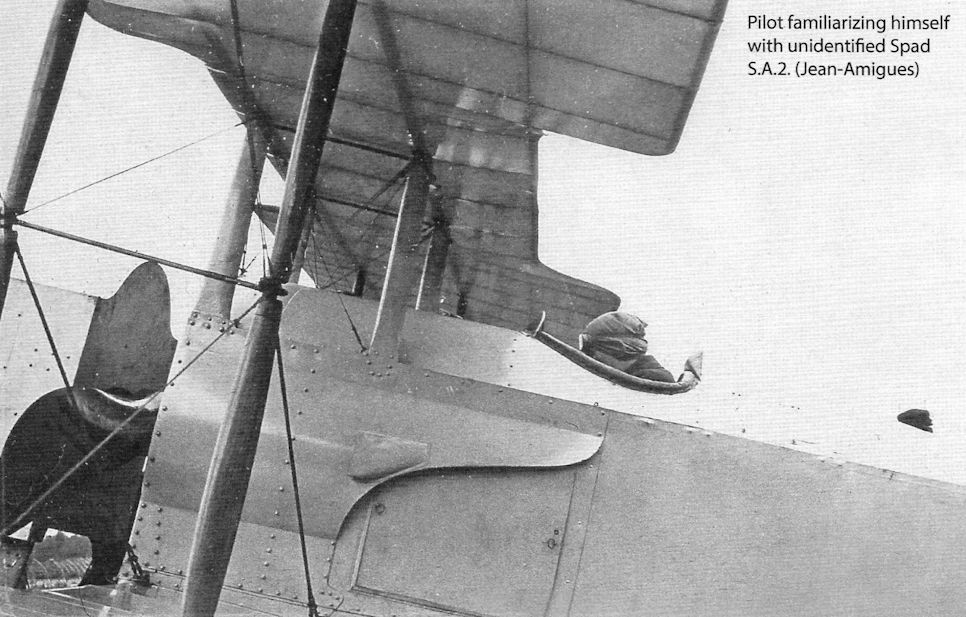
Pilot familiarizing himself with unidentified Spad S.A.2. (Jean-Amigues)
-
J.Herris, D.Mechin - The Spad A Series /Centennial Perspective/ (104)
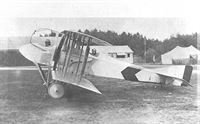
A mid-production SPAD A.2, very probably "Mister Fly". (SHAA)
-
Сайт - Pilots-and-planes /WWW/
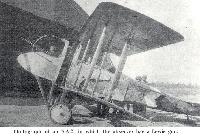
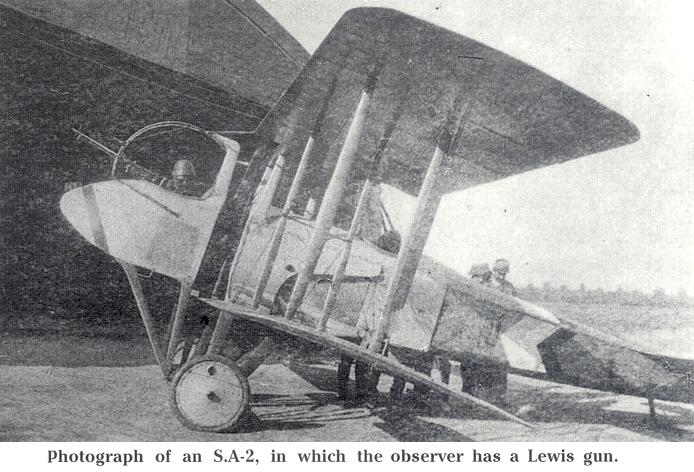
Photograph of an S.A-2, in which the observer has a Lewis gun
-
Сайт - Pilots-and-planes /WWW/
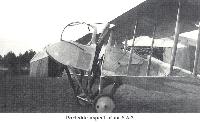
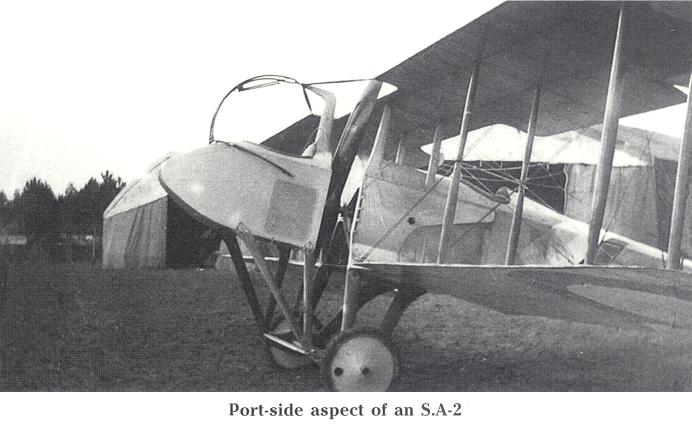
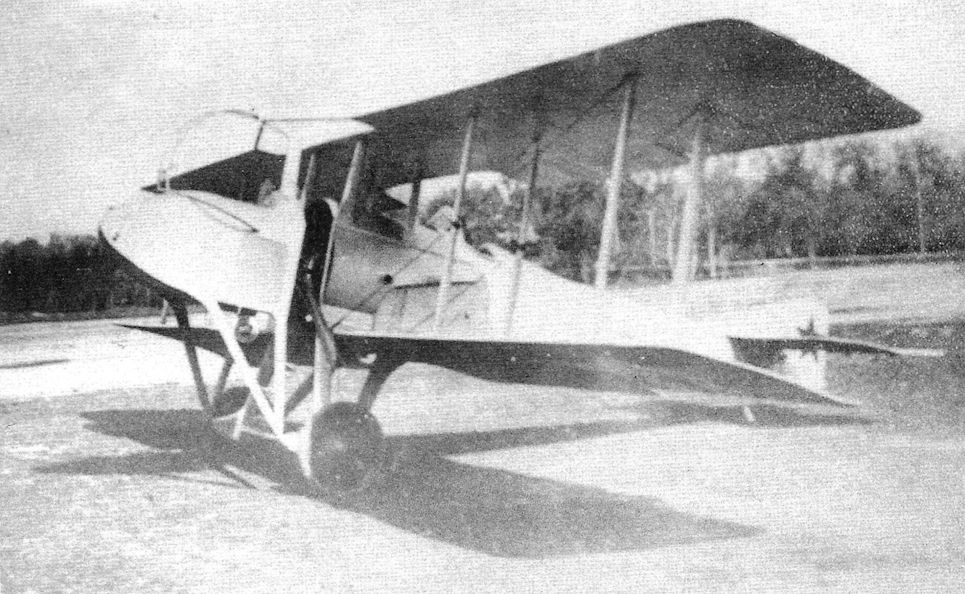
Port-side aspect of an S.A-2
-
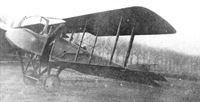
J.Herris, D.Mechin - The Spad A Series /Centennial Perspective/ (104)
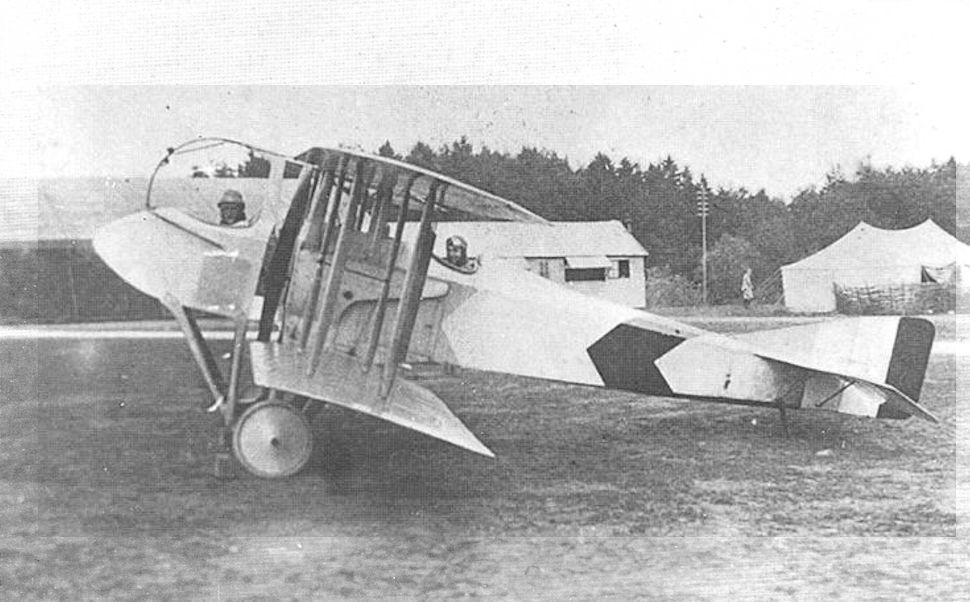
Unidentified S.A.2 at the front.
-
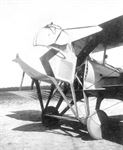
J.Herris, D.Mechin - The Spad A Series /Centennial Perspective/ (104)
Spad A.2 decorated with a two-color chevron, possibly blue and red, suggesting an airplane from Camp Retranche de Paris (CRP). (David Mechin)
-
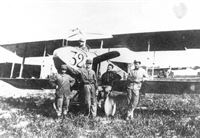
J.Herris, D.Mechin - The Spad A Series /Centennial Perspective/ (104)
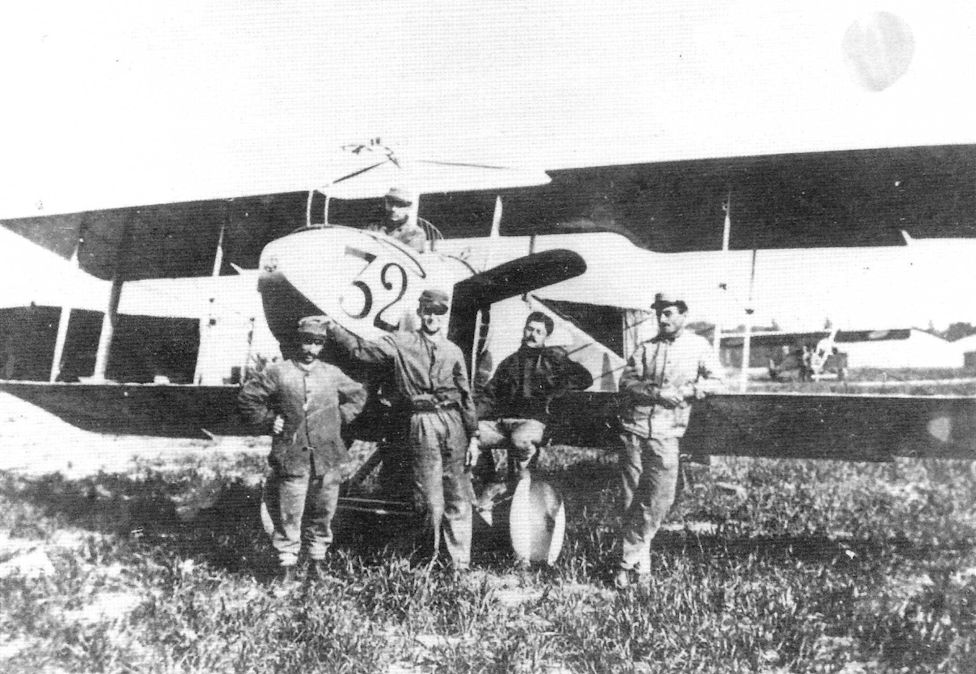
This SPAD A.2 marked with the number 32 on its nacelle was used for training on the Buc airfield. (SHAA)
-
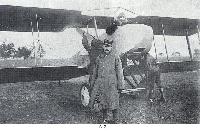
-
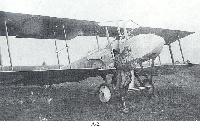
-
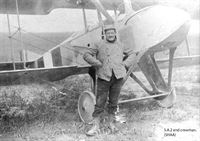
J.Herris, D.Mechin - The Spad A Series /Centennial Perspective/ (104)
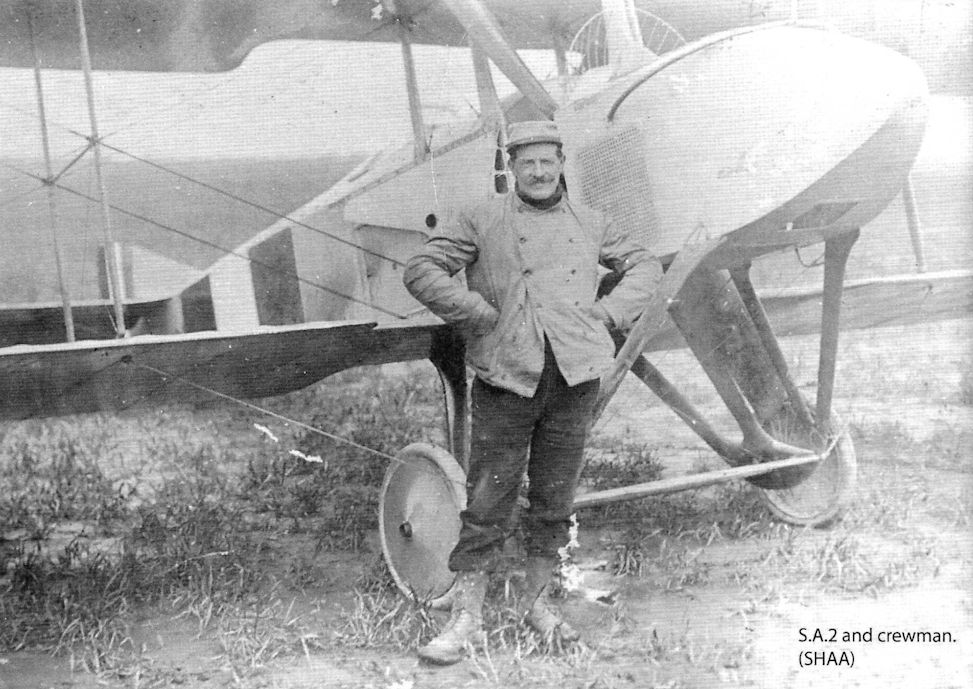
S.A.2 and crewman. (SHAA)
-
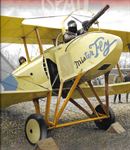
J.Herris, D.Mechin - The Spad A Series /Centennial Perspective/ (104)
The Spad SA series was another radical approach to an 'aerial cruiser' that served in modest numbers, at least 96 being built. Cooling problems limited the usable engine power and thus limited performance.
-
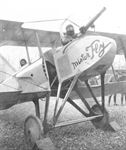
J.Herris, D.Mechin - The Spad A Series /Centennial Perspective/ (104)
S.A.2 Mister Fly showing the larger cooling ducts and machine gun mount. (SHAA)
-
J.Herris, D.Mechin - The Spad A Series /Centennial Perspective/ (104)
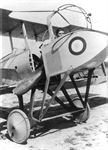
Close-up of an S.A.2 with the standard dual tube machine gun mount. (SHAA)
-
J.Herris, D.Mechin - The Spad A Series /Centennial Perspective/ (104)
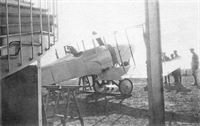
Unidentified Spad S.A.2. (Jean-Amigues)
-

J.Herris, D.Mechin - The Spad A Series /Centennial Perspective/ (104)
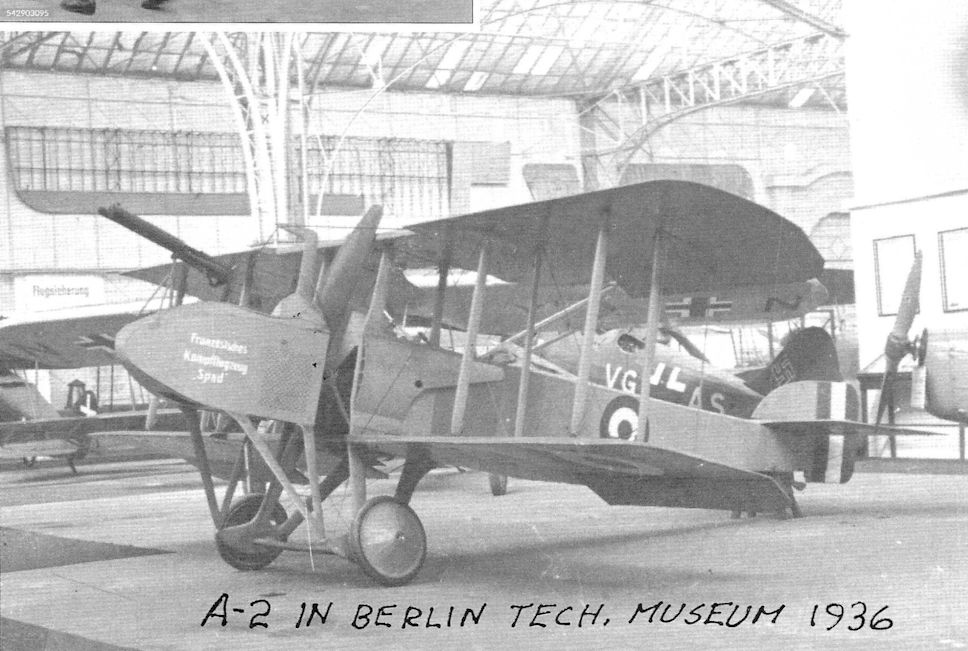
The Franzosischer Kampfflugzeug SPAD was captured nearly intact by the Germans in 1916. It had been in storage for years and had been a collection of parts. The turtledeck and cockpit were incorrect, along with other errors such as the double bay bracing. This was on display in the Deutsche Luftfahrt sammlung Berlin (German Air Collection). (MVT)
-
J.Herris, D.Mechin - The Spad A Series /Centennial Perspective/ (104)
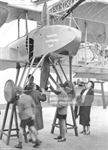
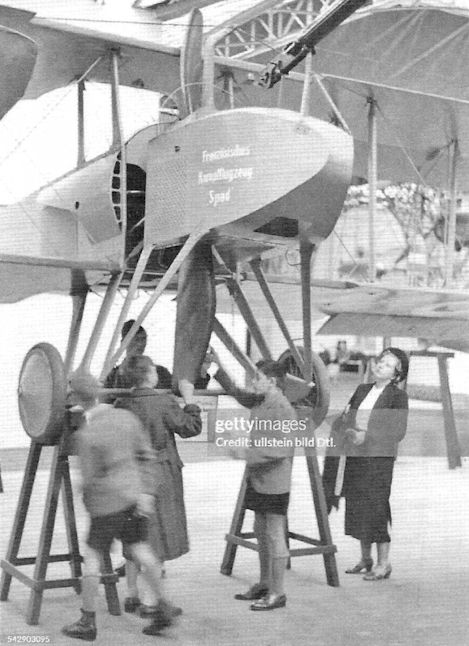
The Franzosischer Kampfflugzeug SPAD was captured nearly intact by the Germans in 1916. It had been in storage for years and had been a collection of parts. This was on display in the Deutsche Luftfahrt sammlung Berlin and is being viewed by visitors. (Gettyimages).
-

J.Davilla, A.Soltan - French Aircraft of the First World War /Flying Machines/
Close-up of an S.A.2 with the standard dual tube machine gun mount. (SHAA)
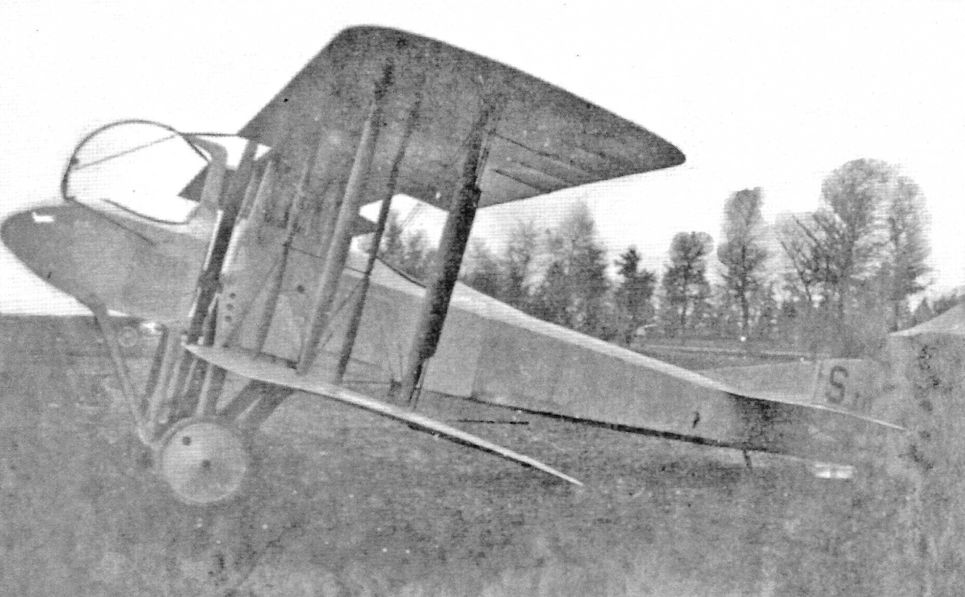
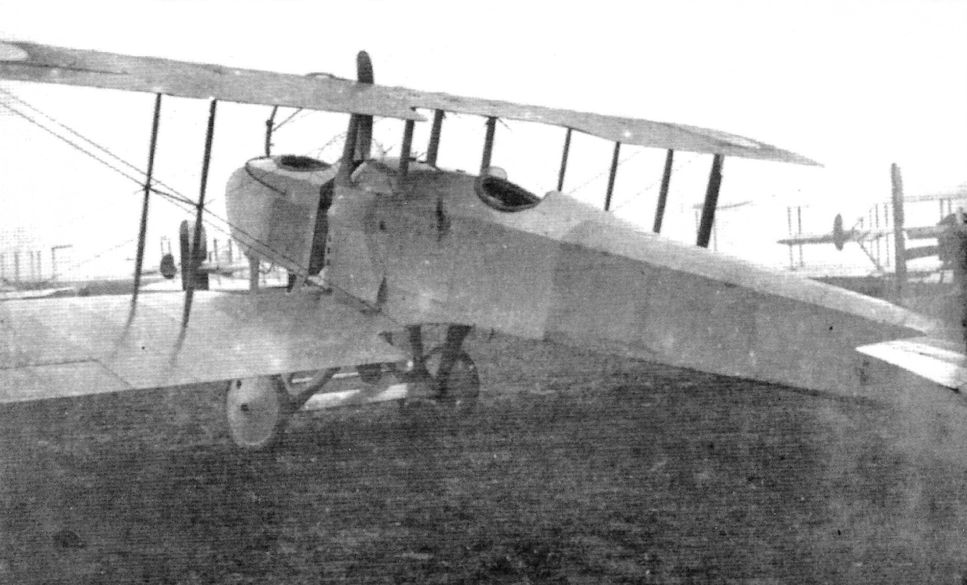
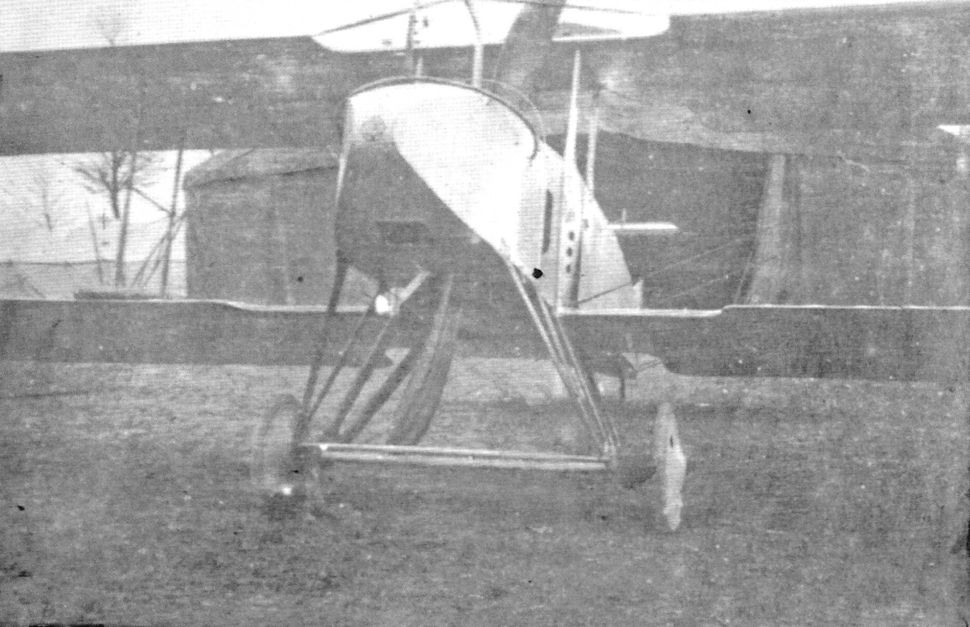
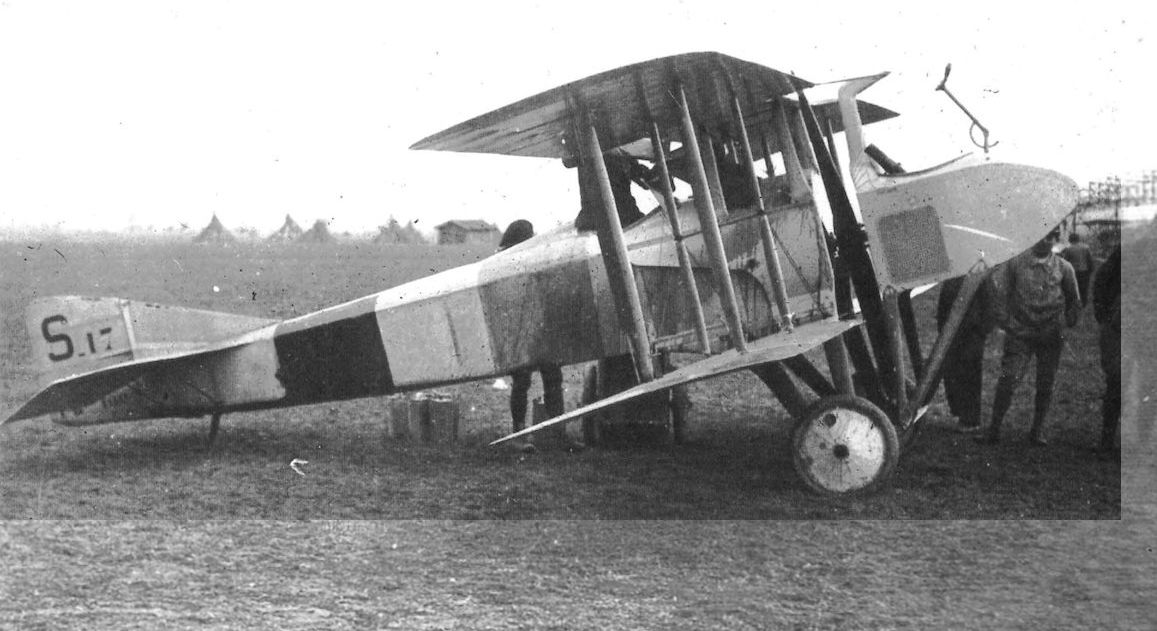
A SPAD SA.2 with the gunner's cockpit lowered to show the engine. Note the screen behind the gunner's cockpit and the guide for the machine gun. -

J.Herris - Weird Wings of WWI /Centennial Perspective/ (70)
Стойки гондолы крепились к шасси на шарнирах. Это позволяло открывать двигательный отсек для ремонта.
The front nacelle of the Spad A.2 pivoted around its lower attachment points to the undercarriage. The upper support struts detached allowing the nacelle to be lowered for engine maintenance. The small wire screen at the rear of the cockpit was designed to protect the observer from the propeller -
J.Herris, D.Mechin - The Spad A Series /Centennial Perspective/ (104)
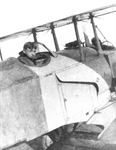
Standard mid-production S.A.2 clearly showing the large cooling ducts. (SHAA)






-
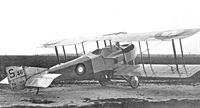
J.Herris, D.Mechin - The Spad A Series /Centennial Perspective/ (104)
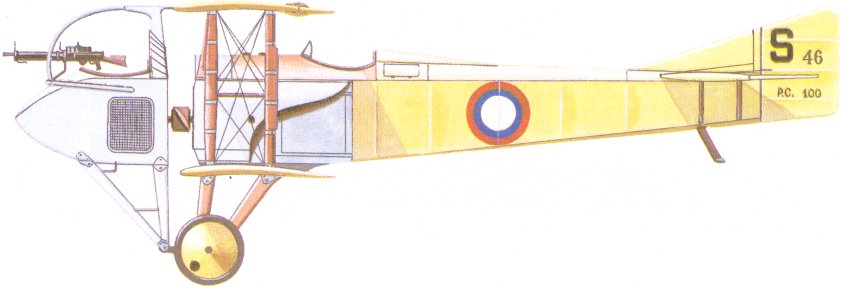
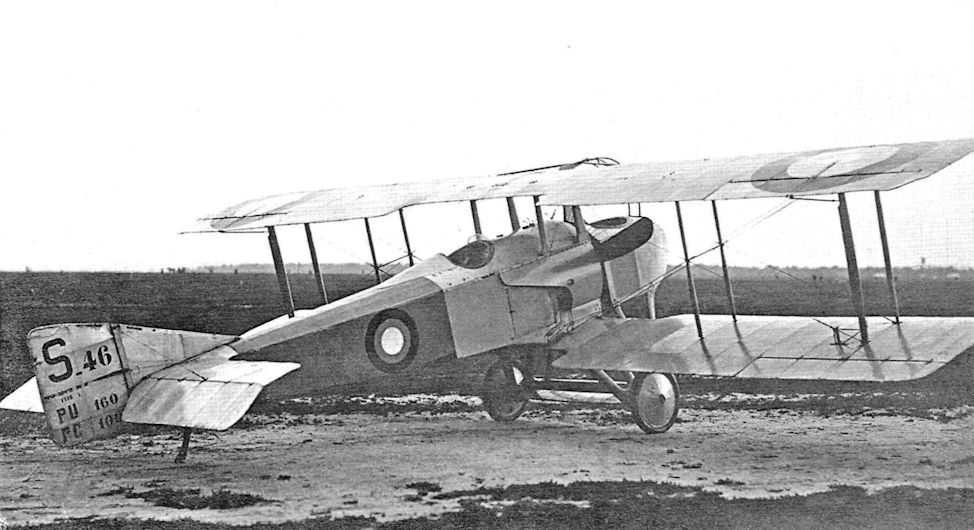
"Спад" А4, построенный во Франции по российскому заказу. (Spad A-2 S.46 with the Russian aviation service)
S.A.2 S-46 was sold to the IRAS. -
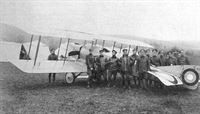
J.Herris, D.Mechin - The Spad A Series /Centennial Perspective/ (104)
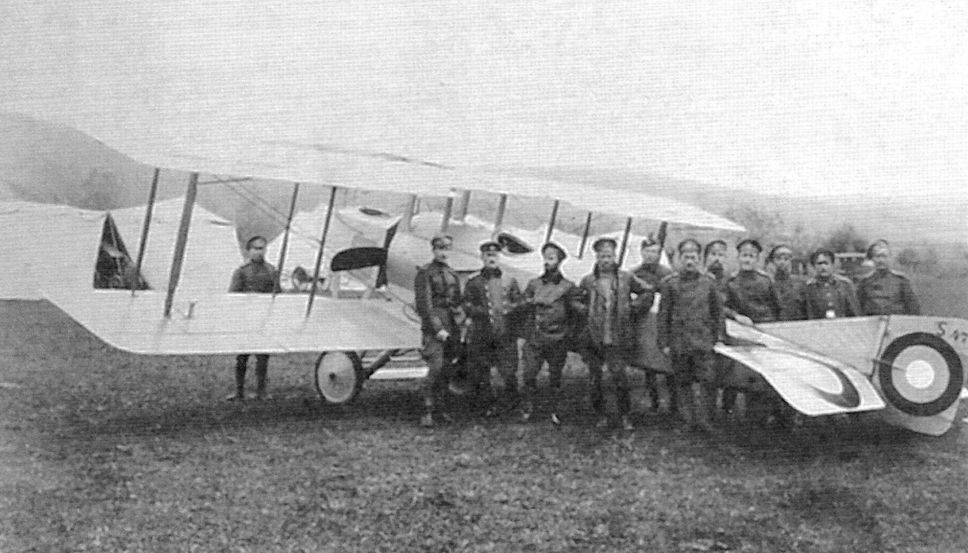
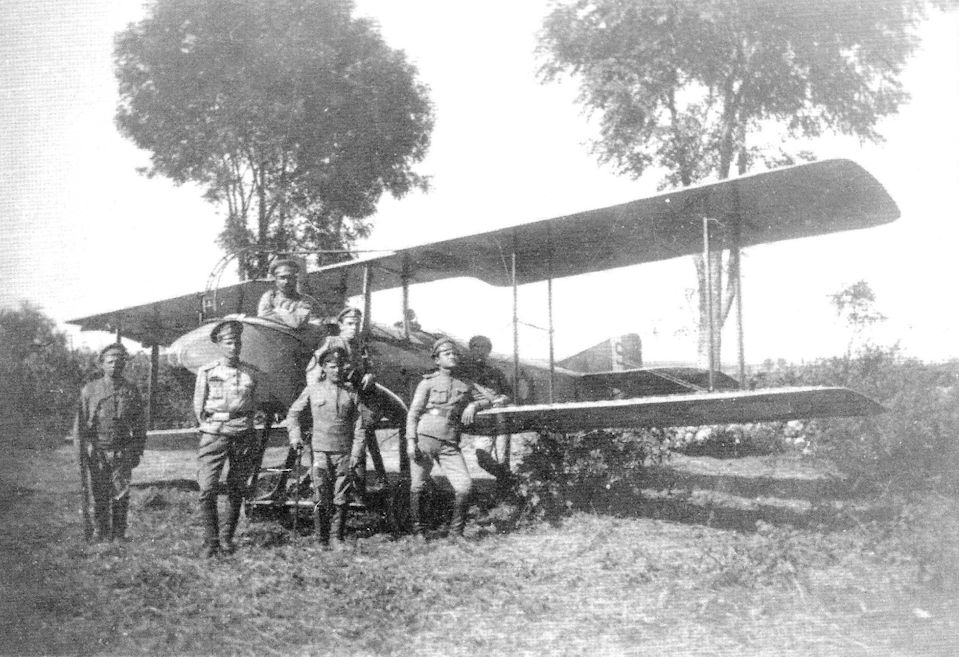
S.A.2 S-47 from the 4th Artillery aviation detachment with a group of pilots, autumn 1916. This aircraft was flown by military pilot Shtabs-Rotmistr Mikhail Shirkov from September 1916 to April 1917. (Viktor Kulikov)
-
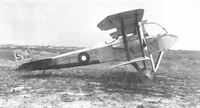
J.Herris, D.Mechin - The Spad A Series /Centennial Perspective/ (104)
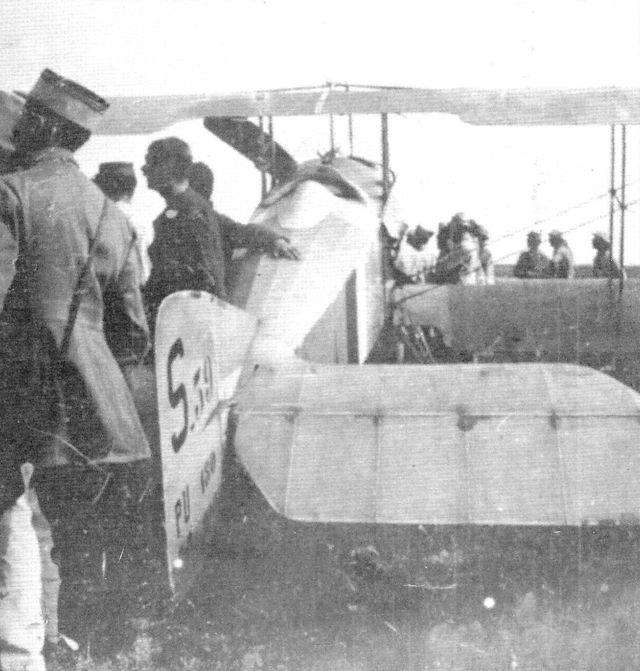
This Russian S.A-4 fell into Austro-Hungarian hands on June 28 1917
Another view of S.A.4 S-54 after capture. (SHAA) -
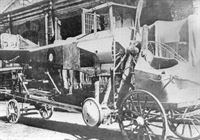
J.Herris, D.Mechin - The Spad A Series /Centennial Perspective/ (104)
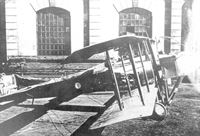
S.A.4 S-54 being transported to Flik 14, then on to Aviation Part 4. (SHAA)
-
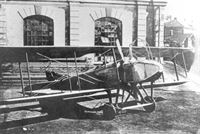
J.Herris, D.Mechin - The Spad A Series /Centennial Perspective/ (104)
S.A.4 S-54 captured after landing in Austrian lines. (SHAA)
-
-
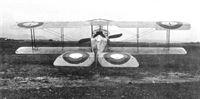
J.Herris, D.Mechin - The Spad A Series /Centennial Perspective/ (104)
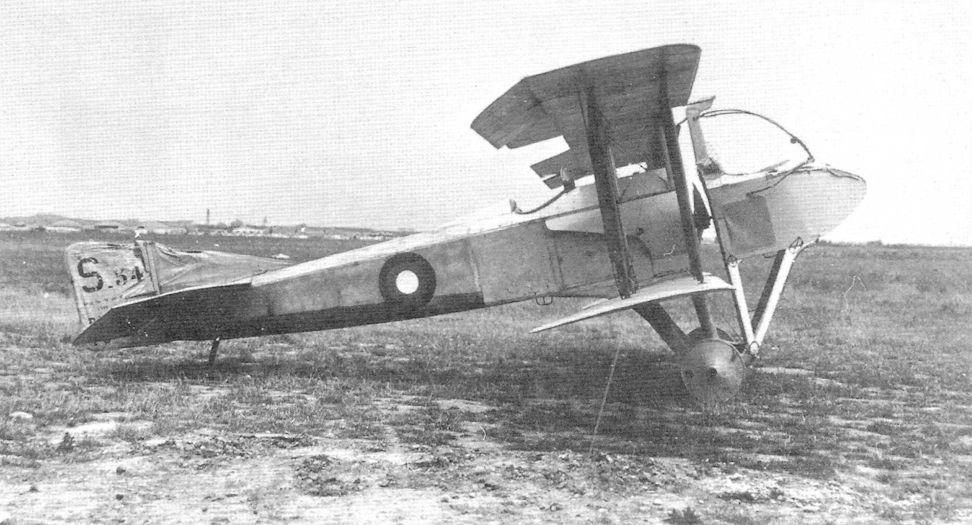
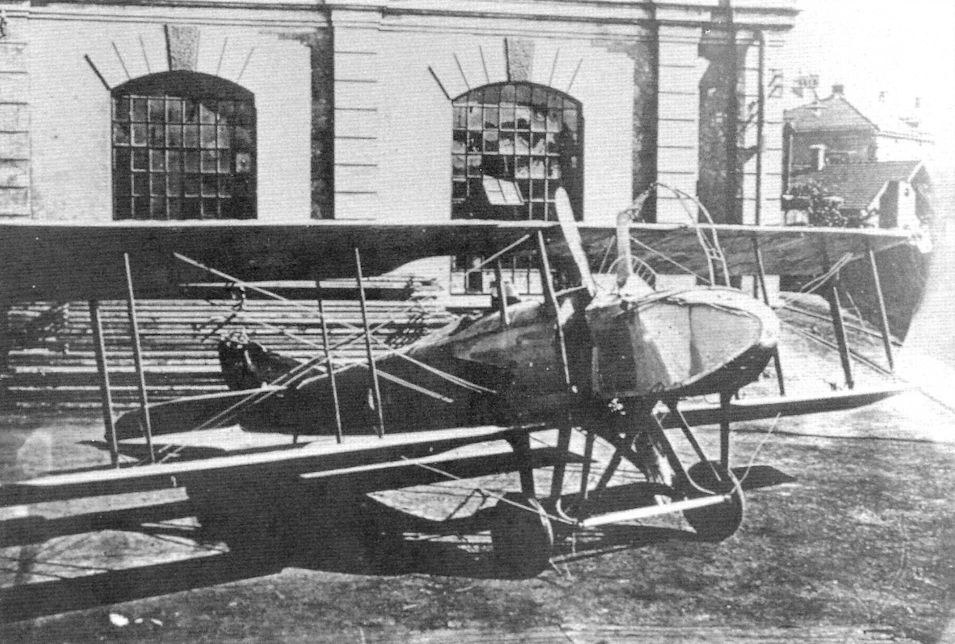
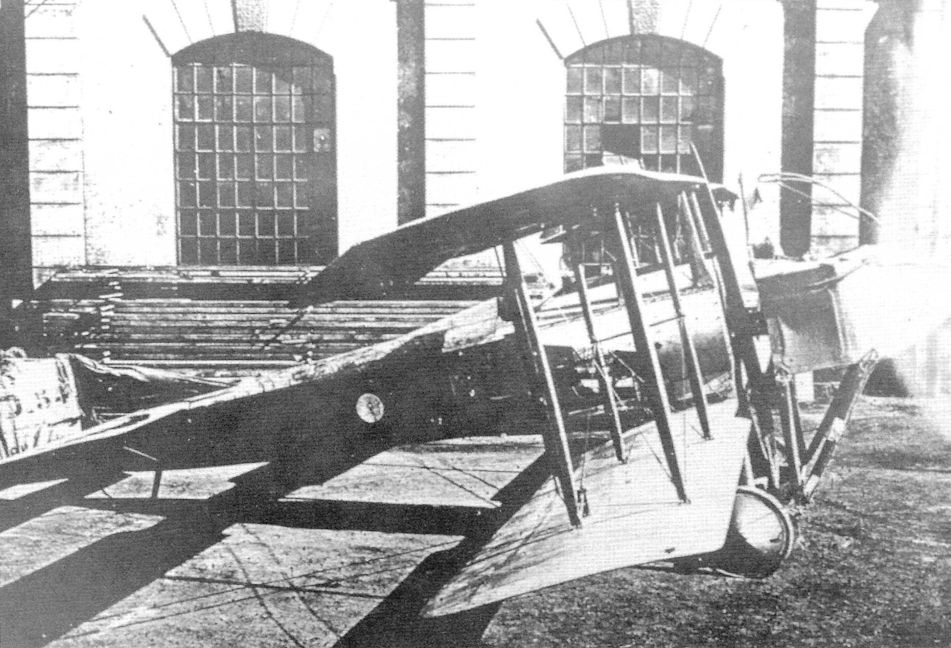
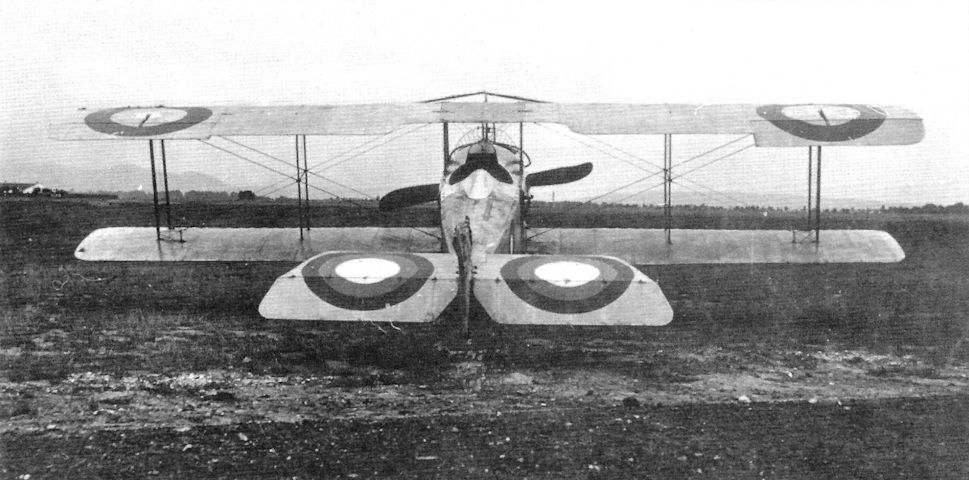
On 15 June 1917 S.A.4 S-54 landed in Austrian lines by mistake and was captured. It created a sensation in the Austrian troops and was widely photographed. The extensive use of national markings is a omment on recognition standards of the time. (SHAA)
-
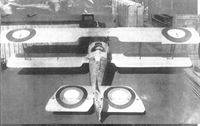
J.Herris, D.Mechin - The Spad A Series /Centennial Perspective/ (104)
Military prey... Overtime, the Russian airforce used better and better French-made flying equipment. The photo shows a Russian type fighter SPAD SA.4 S-54, which on November 27, 1917, after a forced landing near Lviv (visible rudder shot in an air fight), was in the hands of Flik 14 pilots. Different, two-way nationality markings visible on the panels and on the horizontal tail - source: Fotoarchiv SAW-KA.
-
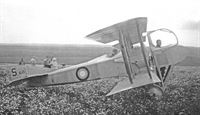
J.Herris, D.Mechin - The Spad A Series /Centennial Perspective/ (104)
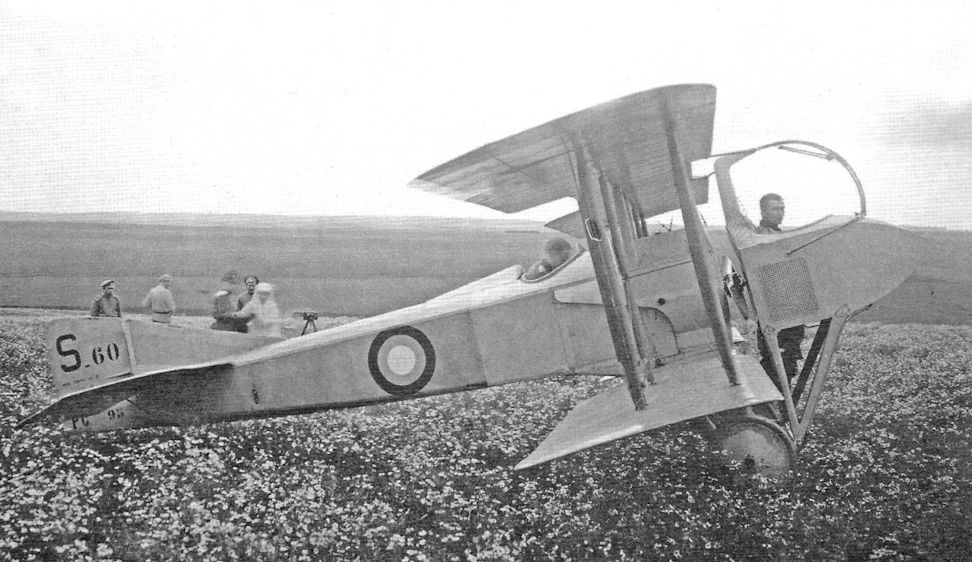
S.A.4 S-60 from the 30th KAO. This aircraft entered the detachment on July 22, 1916 and was in service until the end of the year. It was flown by senior non-commissioned officers Ryabokon and Kibasov and Ensign Petrov. (Viktor Kulikov)
-
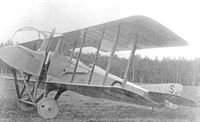
J.Herris, D.Mechin - The Spad A Series /Centennial Perspective/ (104)
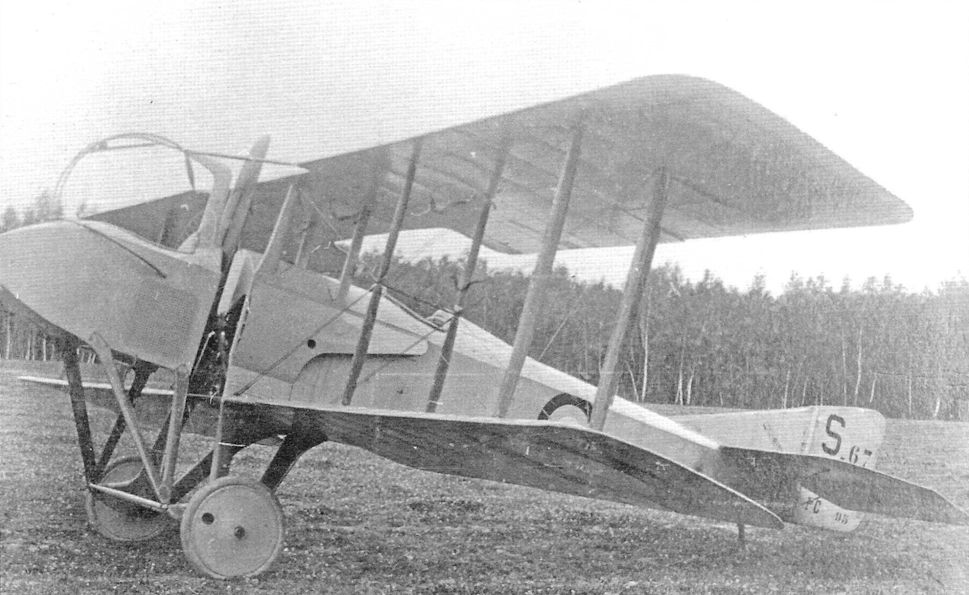
S.A.4. S-67 of the 1st BAG at Loutsk, September 1916.
S-67 was a typical S.A.4. It was assigned to the 2nd KAO of the 1st BAG in summer/autumn 1916. -
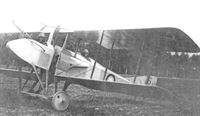
J.Herris, D.Mechin - The Spad A Series /Centennial Perspective/ (104)
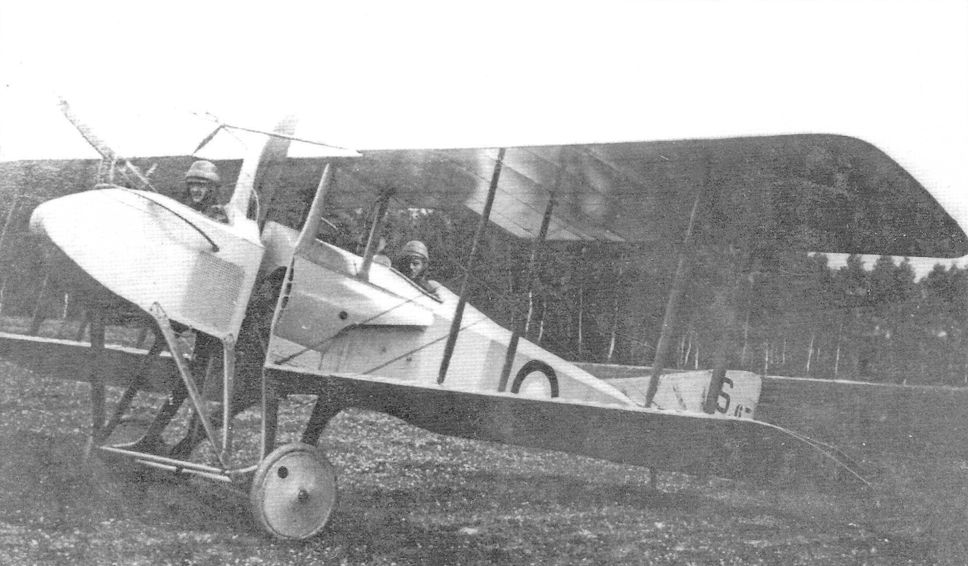
S.A.4. S-67 from the 2nd KAO 1st BAG. Podporuchik Ivan Babkin, a military pilot, is sitting in the cockpit. The observer Poruchik Alexander Akaro has a Colt machine gun on a standard installation. The airfield near Lutsk, autumn 1916.
French-built Spad A.2 (serial 67). The French sold their entire stock of Spad A.2s and A.4s to Russia after deciding the type was not adequate for frontline service. -
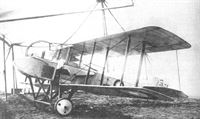
J.Herris, D.Mechin - The Spad A Series /Centennial Perspective/ (104)
S.A.4 S-71. Guards Corps aviation detachment in a canvas tent after assembly. November 1916. Senior non-commissioned officer Roman Yarmorkin flew it until June 1917. (Viktor Kulikov)
-
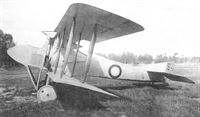
J.Herris, D.Mechin - The Spad A Series /Centennial Perspective/ (104)
S.A.4 S-75 from the 2nd KAO, the 1st BAG, autumn 1916. In February 1917, it was transferred to the 26th KAО. (Viktor Kulikov)
-
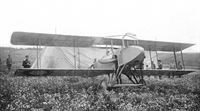
J.Herris, D.Mechin - The Spad A Series /Centennial Perspective/ (104)
S.A.4 S-79 form the 30th KAO. Summer 1916. (Viktor Kulikov)
-
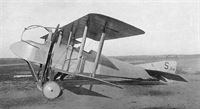
J.Herris, D.Mechin - The Spad A Series /Centennial Perspective/ (104)
S.A.4 S-80 form the 30th KAO. Military pilot Ensign Nikolai Petrov fought in it from July 1916 to April 1917. (Viktor Kulikov)
-
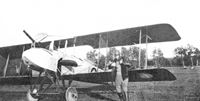
J.Herris, D.Mechin - The Spad A Series /Centennial Perspective/ (104)
S.A.4 before departure for a combat mission. There is a Lewis infantry machine gun in the observer's cabin. (Viktor Kulikov)
-
J.Herris, D.Mechin - The Spad A Series /Centennial Perspective/ (104)
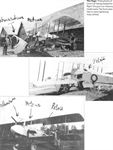
Three photos of S.A.4 S-87 being readied for flight. The gun is an infantry mode Lewis. The front plate had no extra lightening holes (SHAA)
-
J.Herris, D.Mechin - The Spad A Series /Centennial Perspective/ (104)
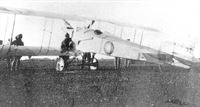
S.A.4 S-87, a typical Russian S.A.4. (SHAA)
-
J.Herris, D.Mechin - The Spad A Series /Centennial Perspective/ (104)
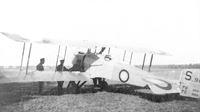
S.A.4 S-90 in IRAS service somewhere on the front. (SHAA)
-
J.Herris, D.Mechin - The Spad A Series /Centennial Perspective/ (104)
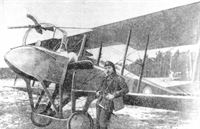
Самолет "Спад" с откидной передней кабиной
A crewman poses with his S.A.4. (SHAA) -
J.Herris, D.Mechin - The Spad A Series /Centennial Perspective/ (104)
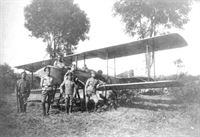
An S.A.4 in Galicia with members of an unknown unit.
-
Сайт - Pilots-and-planes /WWW/
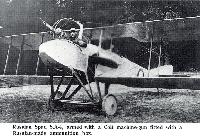
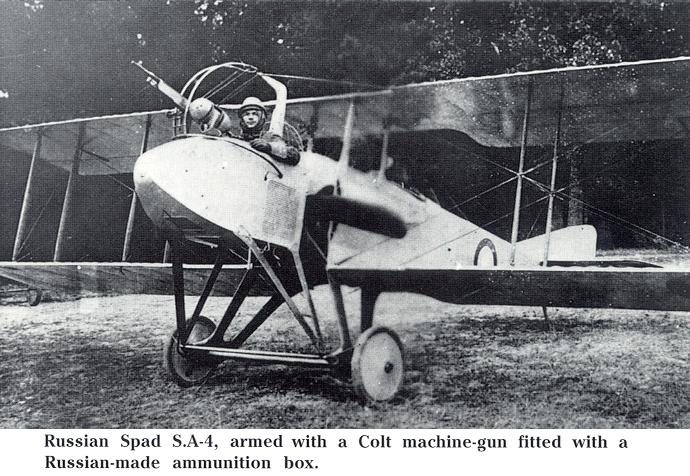
Russian Spad S.A-4, armed with a Colt machine-gun fitted with a Russian-made ammunition box
-
-
J.Herris, D.Mechin - The Spad A Series /Centennial Perspective/ (104)
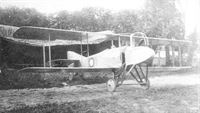
S.A.4 in IRAS service.
-
J.Herris, D.Mechin - The Spad A Series /Centennial Perspective/ (104)
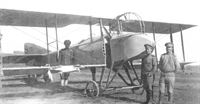
The breakdown of S.A.4 from the 2nd KAO is the 1st BAG. Autumn of 1916. (Viktor Kulikov)
-
J.Herris, D.Mechin - The Spad A Series /Centennial Perspective/ (104)
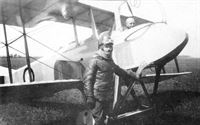
Military pilot Ensign Ivan Vinogradov is standing near his S.A.4, and Cornet Anatoly Vershkovsky is an observer in the cockpit. 30th KAO, summer of 1916. (SHAA)
-
J.Herris, D.Mechin - The Spad A Series /Centennial Perspective/ (104)
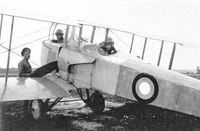
Military pilot of the 30th KAO, Podporuchik Ivan Vinogradov in the cockpit of an S.A.4. Autumn of 1916. (Viktor Kulikov)
-
J.Herris, D.Mechin - The Spad A Series /Centennial Perspective/ (104)
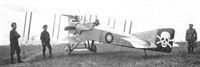
Military pilot Vladimir Shaitanov and observer Ensign Georgy Bratolyubov in their S.A.4 from the 19th KAO. November 1916, Lutsk. (SHAA)
-
J.Herris, D.Mechin - The Spad A Series /Centennial Perspective/ (104)
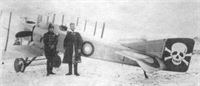
A Spad A.4 of the 19th Corps Fighter Detachment, Jassy airfield, Romania, February 1917, Smirnov (center of photo) and Lipsky flew several missions in this aircraft.
Military pilot Vladimir Shaitanov and observer Ensign Georgy Bratolyubov in front of their S.A.4 from the 19th KAO. November 1916, Lutsk. (SHAA) -
J.Herris, D.Mechin - The Spad A Series /Centennial Perspective/ (104)
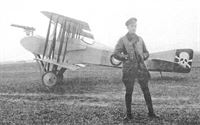
Ensign Bashinsky standing in front of a Spad A.2 from the 19th Corps Detachment. Bashinsky and Huber operated this aircraft on September 6, 1916, to assist Kozakov in shooting down a German two-seater from Feldflieger Abteilung 46. This was the first aerial victory involving a Russian-operated Spad A.2.
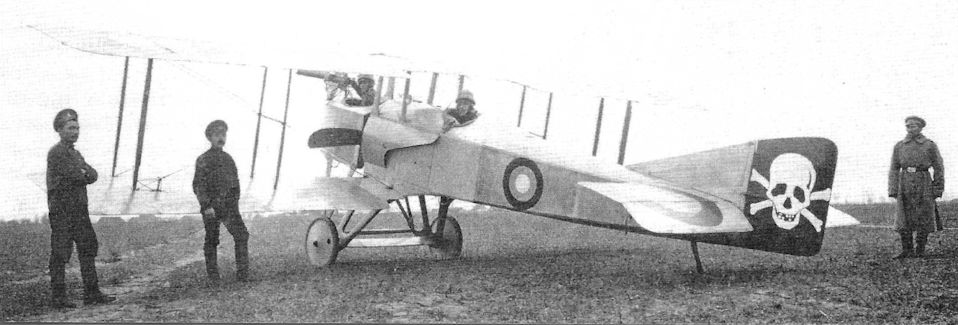
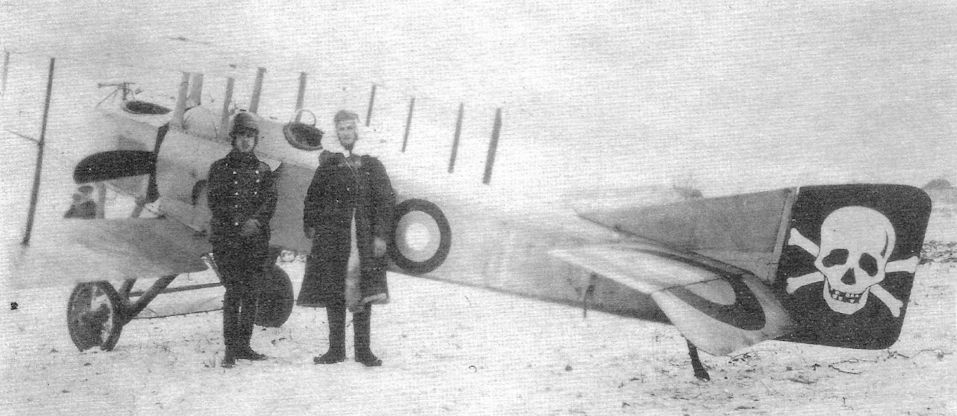
Senior non-commissioned officer pilot of the 19th KAO Vladimir Shaitanov in front of his Spad S.A.4. The observer in the front cockpit is armed with a Vickers machine gun. On the rudder is a unit marking - "Adam's head" (symbol of immortality) on a black background. The airfield near the city of Lutsk, autumn 1916. -
J.Herris, D.Mechin - The Spad A Series /Centennial Perspective/ (104)
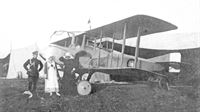
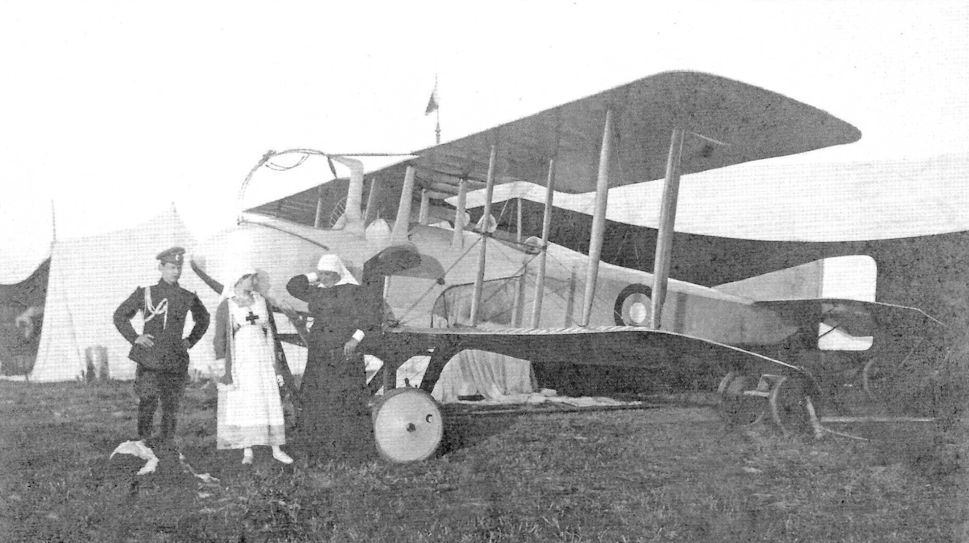
The adjutant of the 14th KAO, Poruchik Vasily Bekarevich, with the sisters of mercy - a souvenir photo of the S.A.4. The white rudder is without the usual markings. (Viktor Kulikov)
-
J.Herris, D.Mechin - The Spad A Series /Centennial Perspective/ (104)
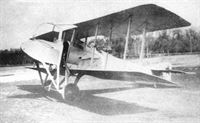
S.A.4 in Soviet service.
-
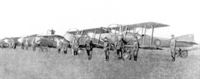
J.Herris, D.Mechin - The Spad A Series /Centennial Perspective/ (104)
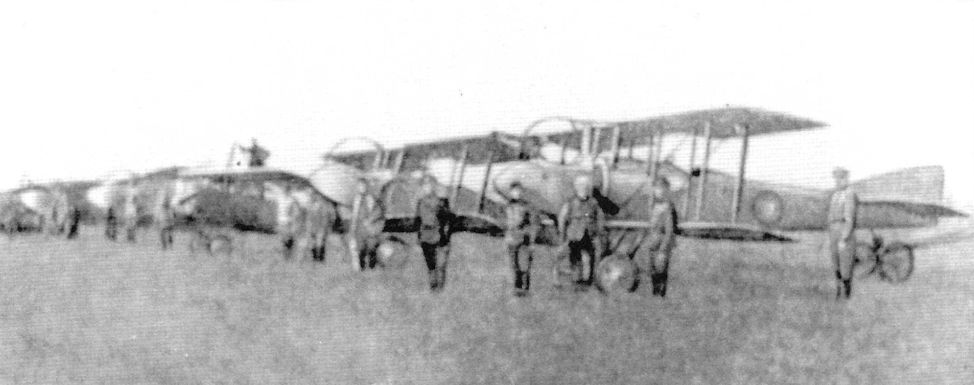
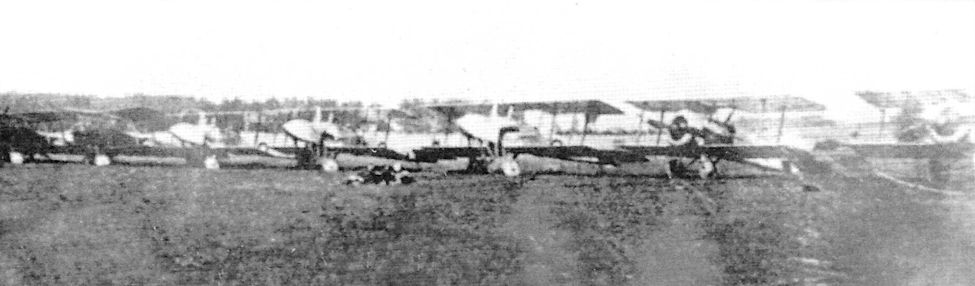
IRAS squadron lineup with S.A.4s. (SHAA)
-
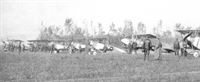
J.Herris, D.Mechin - The Spad A Series /Centennial Perspective/ (104)
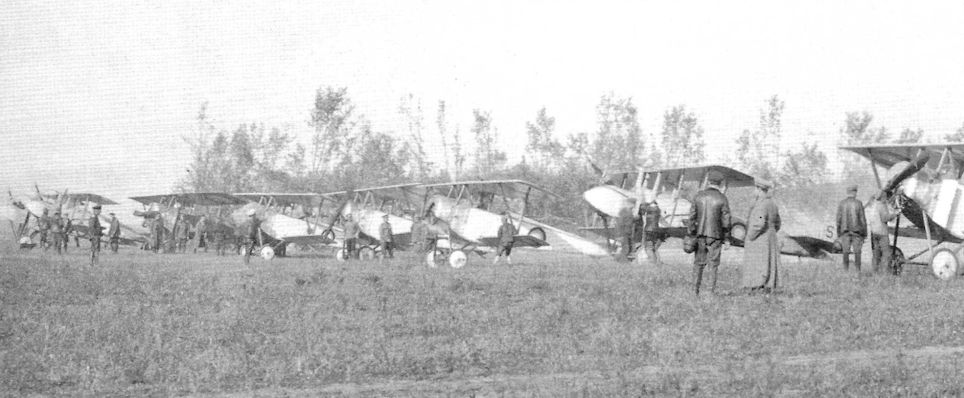
Lineup of the 1st BAG at Loutsk in September 1916. Spad S.A.4s are intersperced with Nieuport 10s.
Другие самолёты на фотографии: Nieuport Nieuport-10 - Франция - 1915
-
J.Herris, D.Mechin - The Spad A Series /Centennial Perspective/ (104)
IRAS squadron lineup with SA.4s and, on the far right, two rare Vickers FB-19s, six of which were purchased by Russia. (SHAA)
Другие самолёты на фотографии: Vickers FB.19 - Великобритания - 1916
-
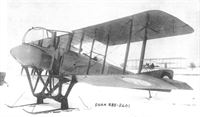
J.Herris, D.Mechin - The Spad A Series /Centennial Perspective/ (104)
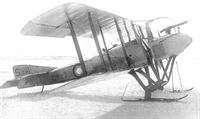
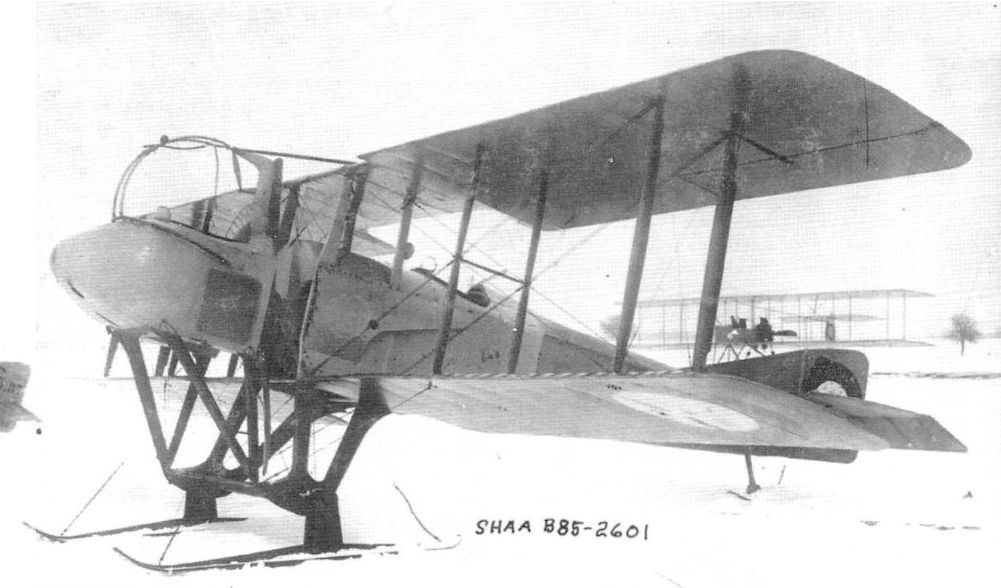
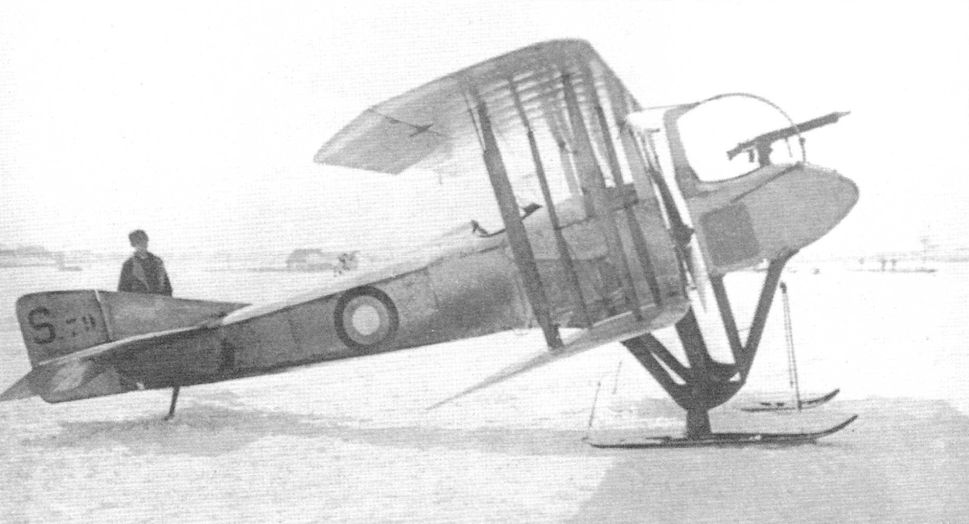
S.A.4 fitted with skiis. The omission of ailerons on the lower wings confirms it is an SA.4. (SHAA)
-

A.Durkota, T.Darcey, V.Kulikov - The Imperial Russian Air Service /Flying Machines/
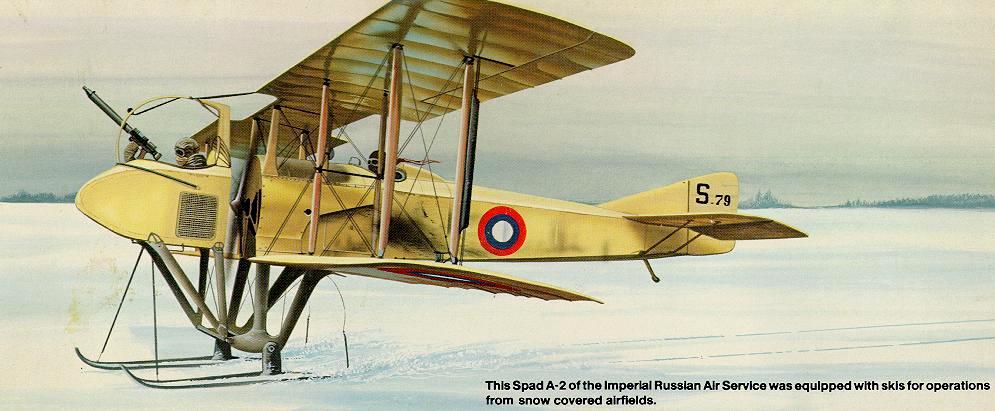
This Spad A.2 served with the Imperial Russian Air Service and was fitted with skis for operations from snow covered airfields. This aircraft carries a rear view mirror attached to the rear fuselage cabane strut.
The SPAD SA.4 was an SA.2 airframe fitted with an 80hp Le Rhone engine and had ailerons on the top wing only. -
J.Herris, D.Mechin - The Spad A Series /Centennial Perspective/ (104)
S.A.4 S.79 on 04/22/5/17: the pilot, private soldier Evgeny Nedzevetsky and the observer, senior non-commissioned officer Prokofy Rodion, both from the 30th KAO, shot down a Brandenburg. Both Austrian officers were captured; the pilots managed to burn the plane. The enemy plane was shot down in the Gura-Gumora area. Brandenburg C.I N 63.23 pilot Lieutenant of reserve Vladastimil Fiala, observer Oberleutnant Johan Baumgartner, were both from the Austrian aviation company Flik 1.
-
Сайт - Pilots-and-planes /WWW/
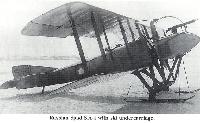
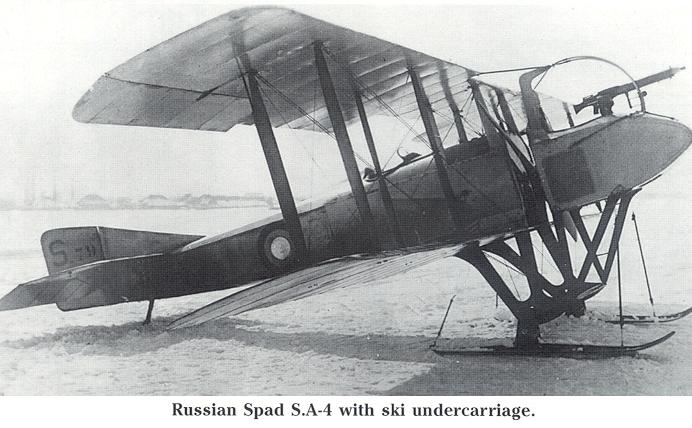
A Ukrainian (formerly Russian) biplane of the Spad biplane type, with the airscrew in the middle of the body. Note should be taken of the special skids for running on snow. The unenviable position of the gunner in front of the propeller is clearly illustrated!
French-built Spad A.2 fighter fitted with skis, winter 1916. Kokorin flew this type of aircraft during fall 1916. Armament was a Lewis machine gun mounted in the front observer/gunner's pulpit. -
J.Herris, D.Mechin - The Spad A Series /Centennial Perspective/ (104)
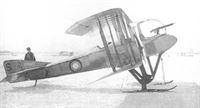
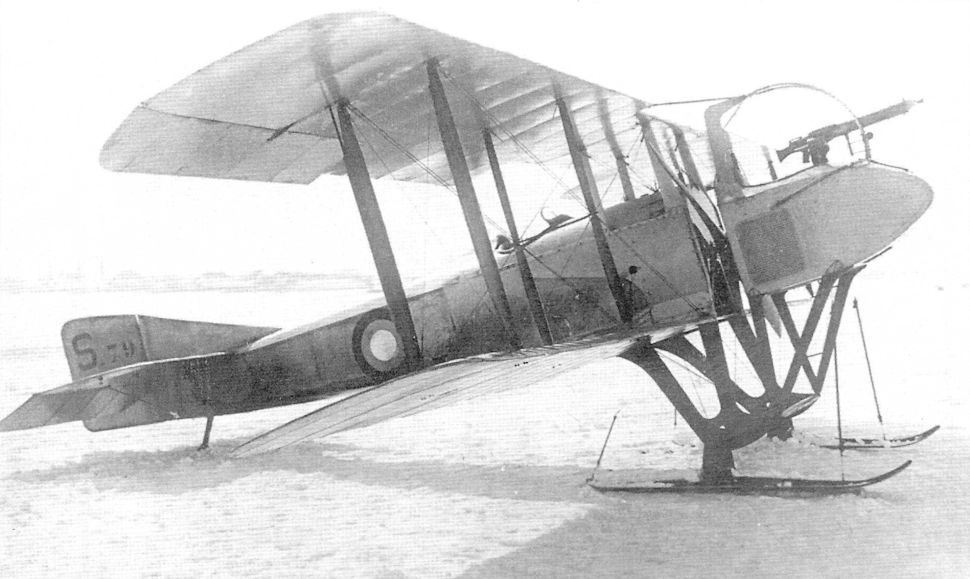
A crewman poses with his S.A.4 S.79 fitted with skiis. (SHAA)
-
Сайт - Pilots-and-planes /WWW/
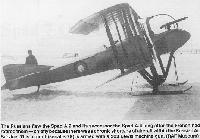
The Russians flew the Spad A.2 and its sucessor the Spad A.4 long after the French had retired them - chiefly because there was a chronic shortage of aircraft within the Russian Air Service. This aircraft (serial S.79) is armed with a .303 Lewis machine gun
-
J.Herris, D.Mechin - The Spad A Series /Centennial Perspective/ (104)
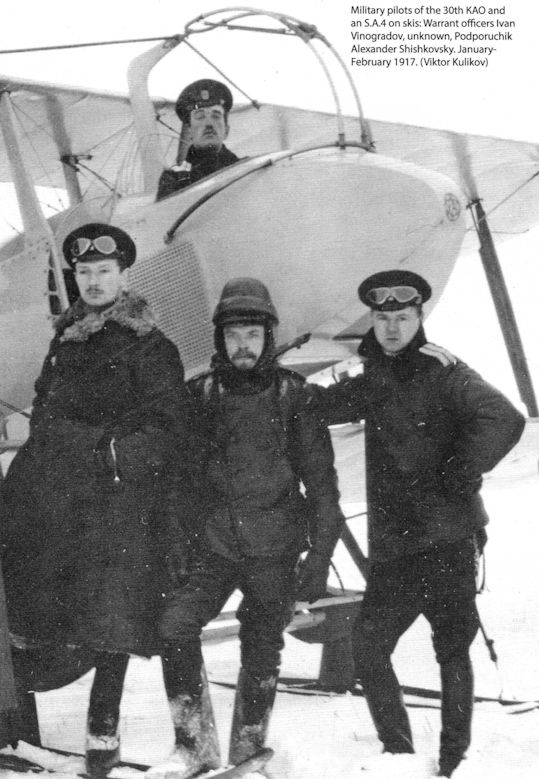
Military pilots of the 30th KAO and an S.A.4 on skis: Warrant officers Ivan Vinogradov, unknown, Podporuchik Alexander Shishkovsky. January-February 1917. (Viktor Kulikov)
-
J.Herris, D.Mechin - The Spad A Series /Centennial Perspective/ (104)
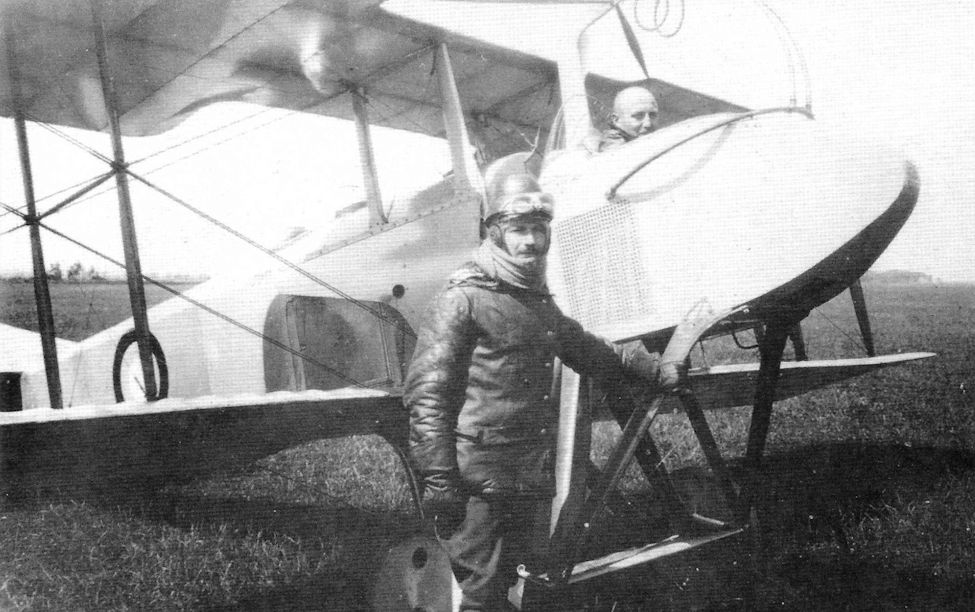
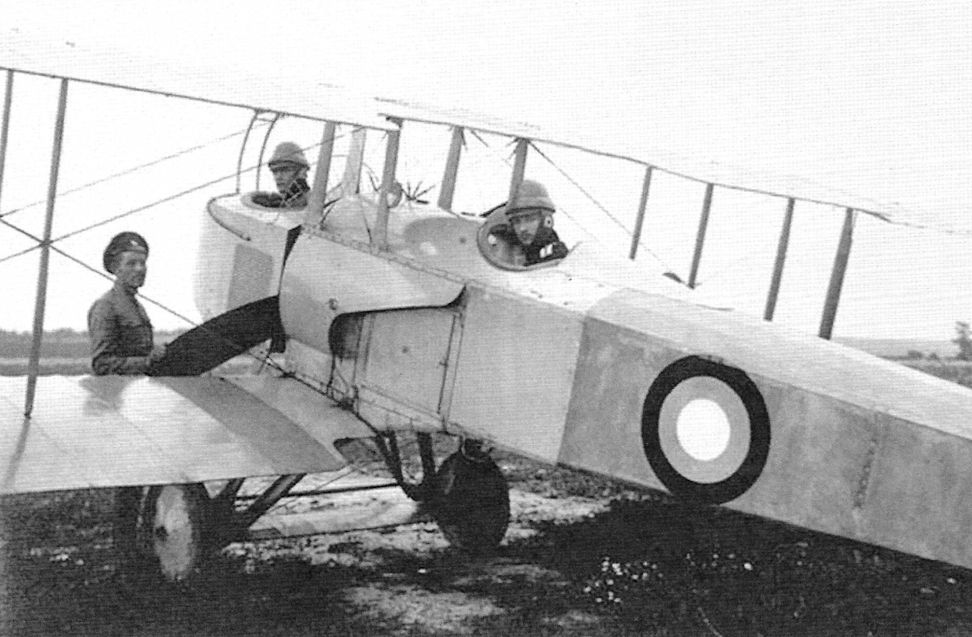
Observer Ensign Georgy Bratolyubov in an S.A.4 from the 19th KAO, November 1916, Lutsk. Note the unusual modification of the Lewis infantry machine gun in the gunners' cockpit. (Viktor Kulikov)



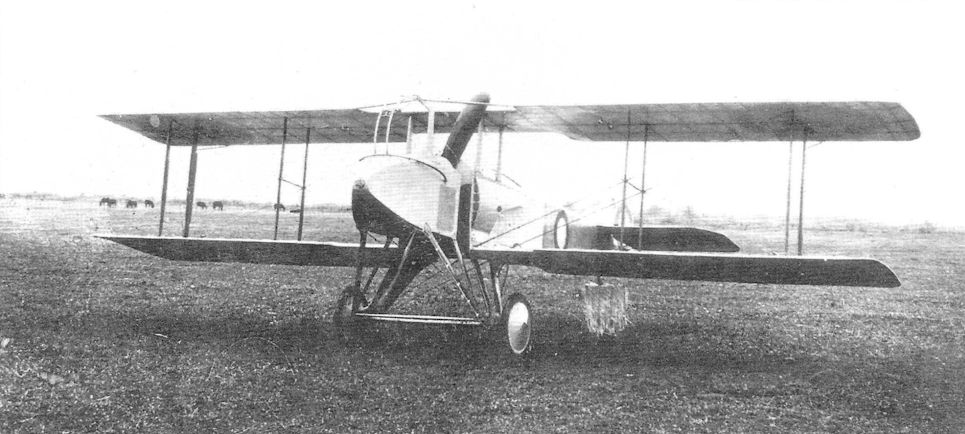
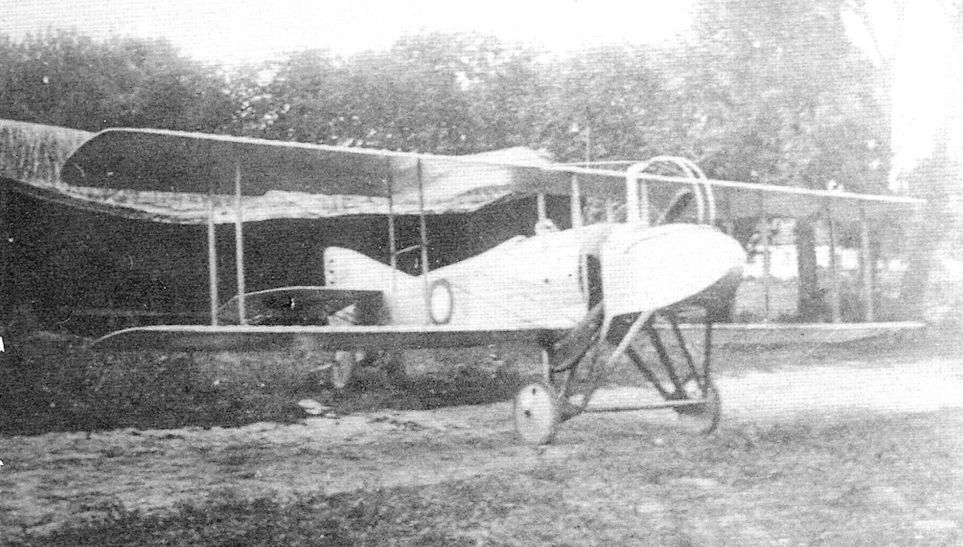
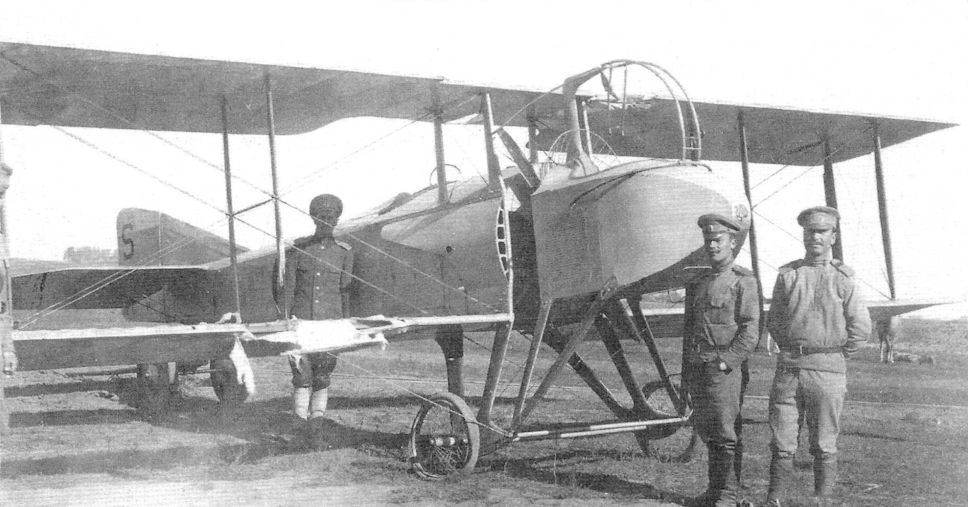



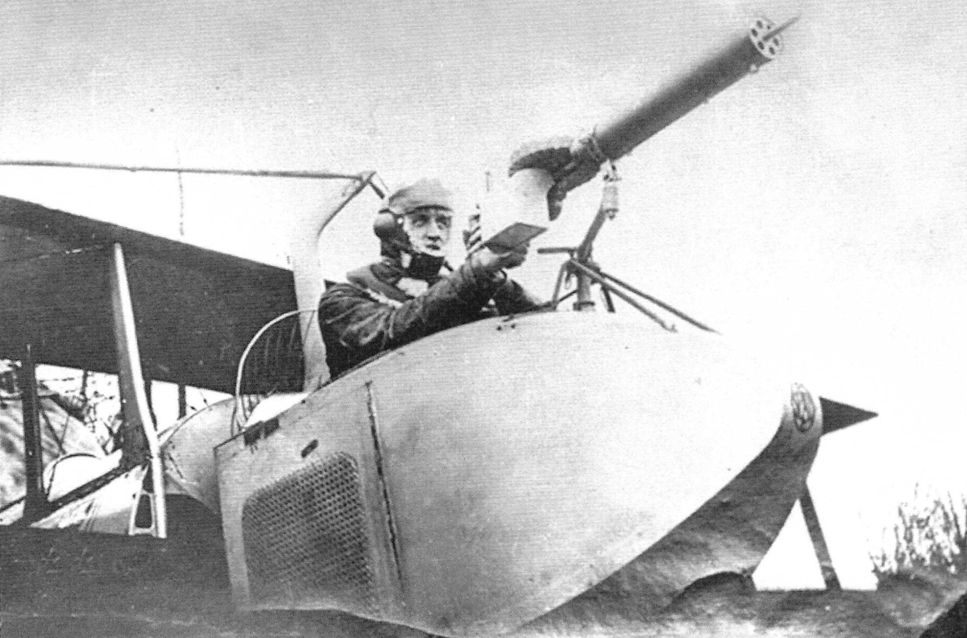
-
J.Herris, D.Mechin - The Spad A Series /Centennial Perspective/ (104)
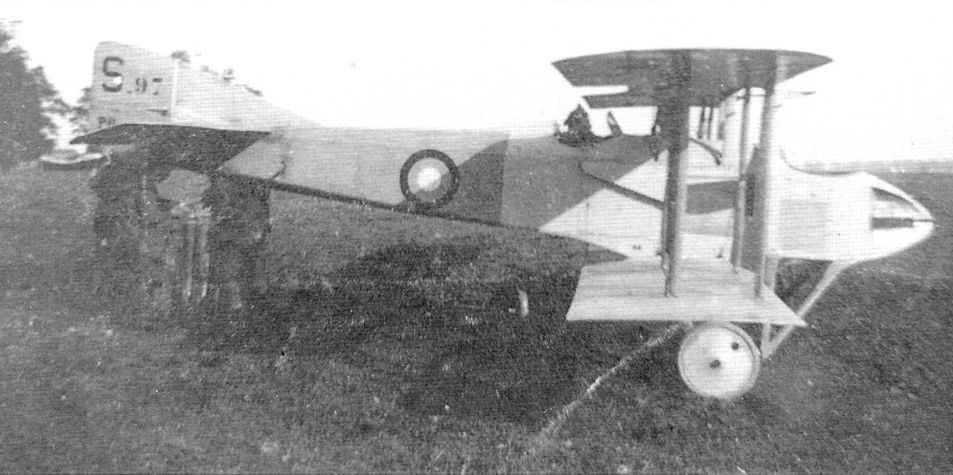
Side view of S-97 after the S.A.4 was modified.
-
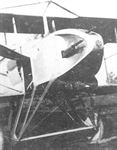
J.Herris, D.Mechin - The Spad A Series /Centennial Perspective/ (104)
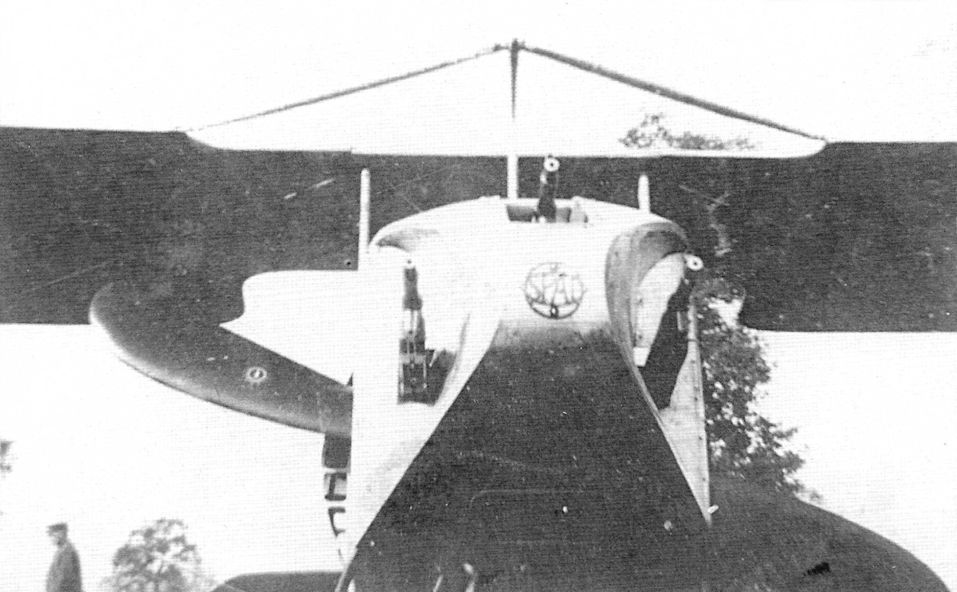
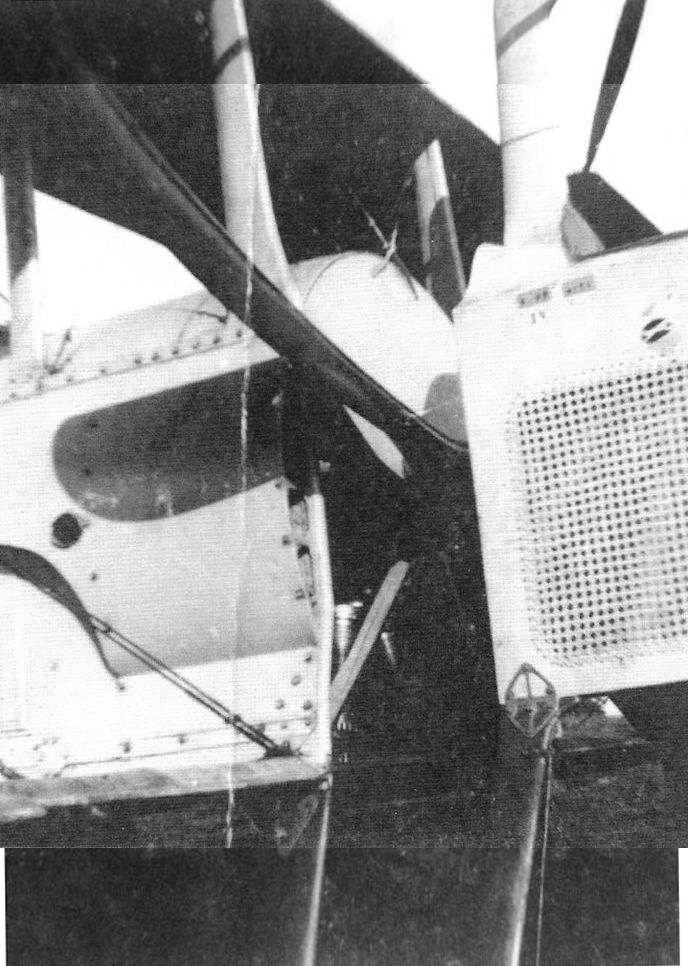
S-97 was an S.A.4 that was modified into a single-seat fighter by replacing the gunner and his flexible gun with three fixed Colt machine guns. S-97 is the highest SFA number for which we have a photograph that can be identified and is one of the ten S.A.4 fighters that had the 110 hp Le Rhone 9J engine. The result was very similar to Bechereau's original idea of four fixed machine guns fired by the pilot in a modified nacelle without gunner. This aircraft was flown by a military pilot of the Guards Aviation Detachment, Podporuchik Ivan Kortaci, from October 1916 to May 1917.
-
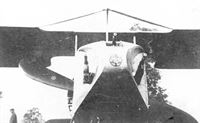
J.Herris, D.Mechin - The Spad A Series /Centennial Perspective/ (104)
Front view of S-97 showing the three fixed Colt machine guns.
-
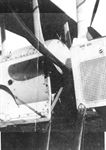
J.Herris, D.Mechin - The Spad A Series /Centennial Perspective/ (104)
Side view of S-97 after the S.A.4 was modified showing the Bowden cable that fired the guns going up the aft nacelle support. (E. Sommer).
-
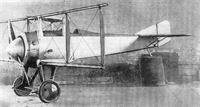
J.Herris, D.Mechin - The Spad A Series /Centennial Perspective/ (104)
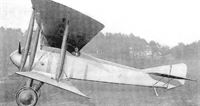
An S.A. being modified in Russia into a single-seat fighter. This paralleled the similar design changes the SPAD company made to develop the prototype of the excellent Spad VII with the exception that the SPAD company had access to the more powerful Hispano-Suiza V8 engine. The Spad A series was not an operational success but its structure formed the basis of the excellent Spad VII, which in turn led to the Spad XIII, widely considered the best Allied fighter and arguably the best fighter of the war.
-
J.Herris, D.Mechin - The Spad A Series /Centennial Perspective/ (104)
An S.A. after completion into a single-seat fighter.

-
J.Herris, D.Mechin - The Spad A Series /Centennial Perspective/ (104)
S.A.4, probably S.87, with the observer's cockpit tilted forward after a hard landing, autumn 1916. This aircraft was flown by pilot Corporal Vladimir Anders from October 1916 to June 1917. (SHAA)
-
Сайт - Pilots-and-planes /WWW/
Another view of S.A.4 S-54 captured after landing in Austrian lines. (SHAA)
-
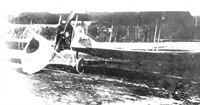
J.Herris, D.Mechin - The Spad A Series /Centennial Perspective/ (104)
S.A.4 in Russia with animal marking on the side with nacelle down for maintenance.
-

В.Кондратьев - Самолеты первой мировой войны
Российский "Спад" А4 с откинутой на шарнирах для осмотра двигателя передней кабиной.
-
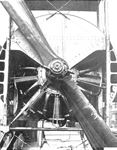
J.Herris, D.Mechin - The Spad A Series /Centennial Perspective/ (104)
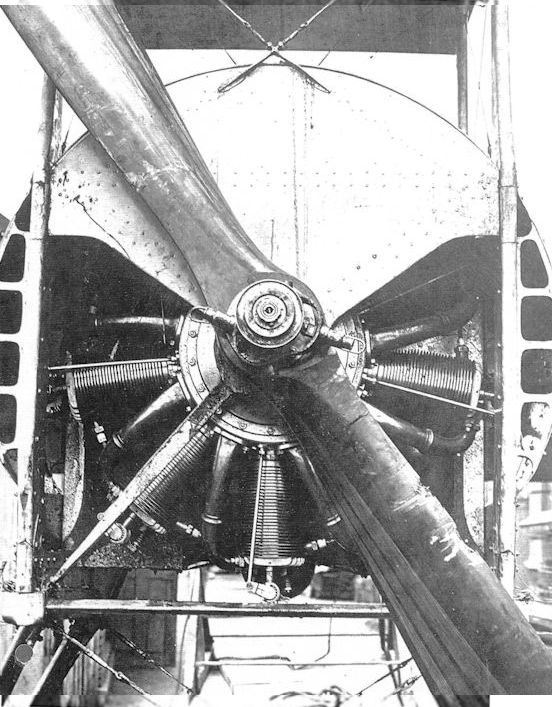
Close-up of the engine of SA.4 S-54 after capture.
Closeup of the Spad A.2's power plant - a 9 cylinder, 80 hp Le Rhone 9C rotary engine. With this power plant the aircraft could reportedly reach a top speed of 100 mph. -
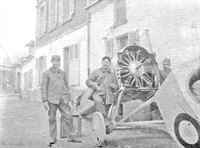
J.Herris, D.Mechin - The Spad A Series /Centennial Perspective/ (104)
Damaged S.A.2 with nacelle down because there is no remaining support structure.
-
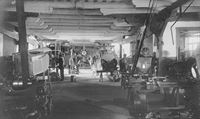
М.Маслов - Русские самолеты Первой Мировой /Эксмо/
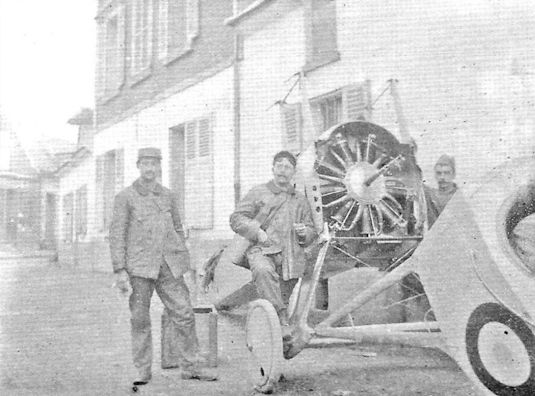
Сборка и ремонт военных самолетов в период Первой мировой войны велись в специализированных авиапарках (полевых ремонтных авиазаводах), которые комплектовались необходимым техническим персоналом и оборудованием. На снимке представлена сборочная мастерская 6-го авиапарка, размещенного в городе Львов в 1916 г. Узнаваемы самолет «Спад» SA-2 с отстыкованной передней кабиной воздушного стрелка и фюзеляж полутораплана «Ньюпор-X»
Другие самолёты на фотографии: Nieuport Nieuport-10 - Франция - 1915


-
J.Herris, D.Mechin - The Spad A Series /Centennial Perspective/ (104)
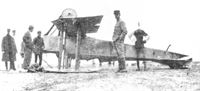
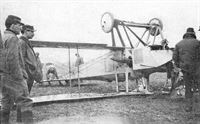
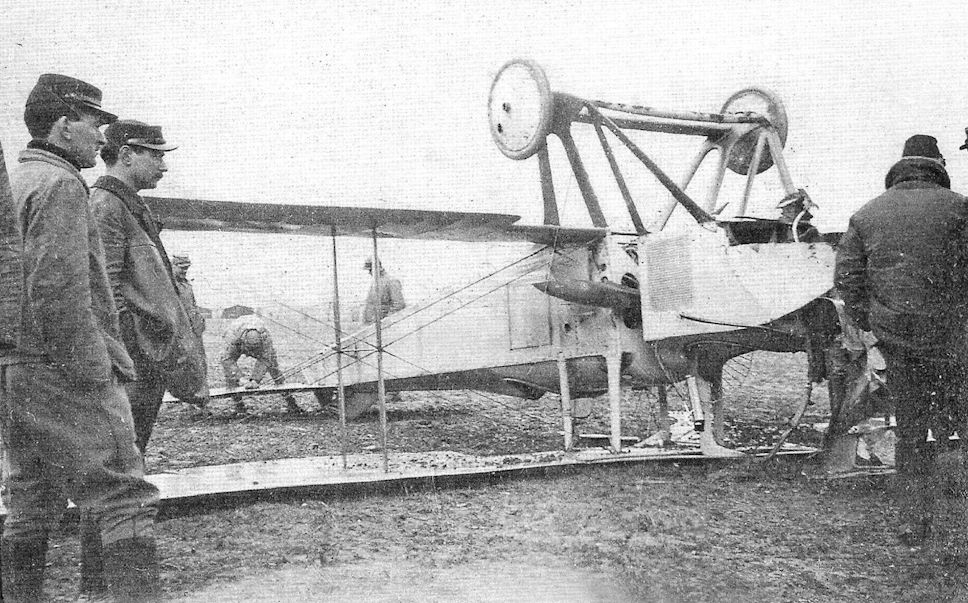
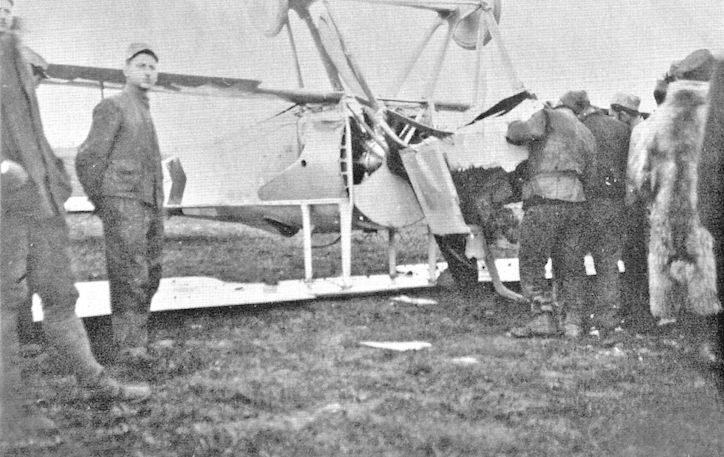
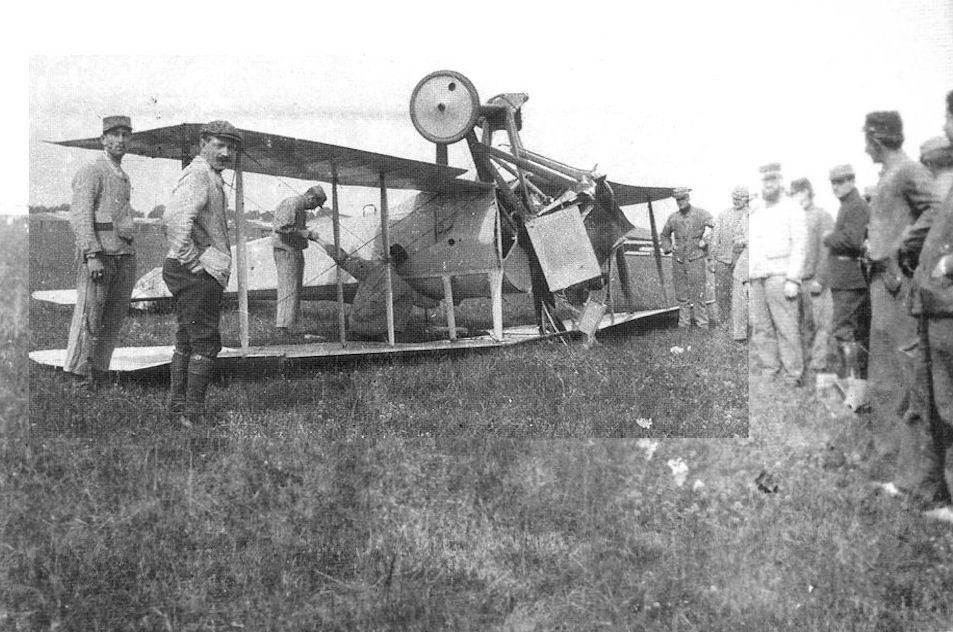
A Spad S.A.1 of the Camp Retranche de Paris (C.R.P.) at Le Bourget-Dugny has just overturned, and the expressions on the men indicate the passenger may not have fared well. The lower panel and fabric have been peeled from the nacelle. Could this be one of the accidents that Bert Hall referred to? (Musee de l'Air)
-
-
J.Herris, D.Mechin - The Spad A Series /Centennial Perspective/ (104)
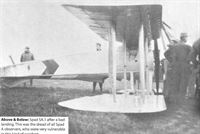
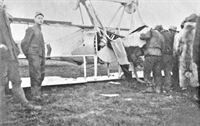
Spad SA.1 after a bad landing. This was the dread of all Spad A observers, who were very vulnerable in this kind of accident.
-
-
J.Herris, D.Mechin - The Spad A Series /Centennial Perspective/ (104)
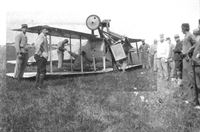
S.A.2 after a rough landing. It took a lot of courage for gunners to flying in the SA series knowing this was a not uncommon occurance. (SHAA)
-
J.Herris, D.Mechin - The Spad A Series /Centennial Perspective/ (104)
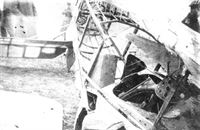
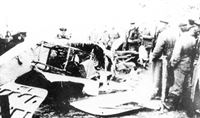
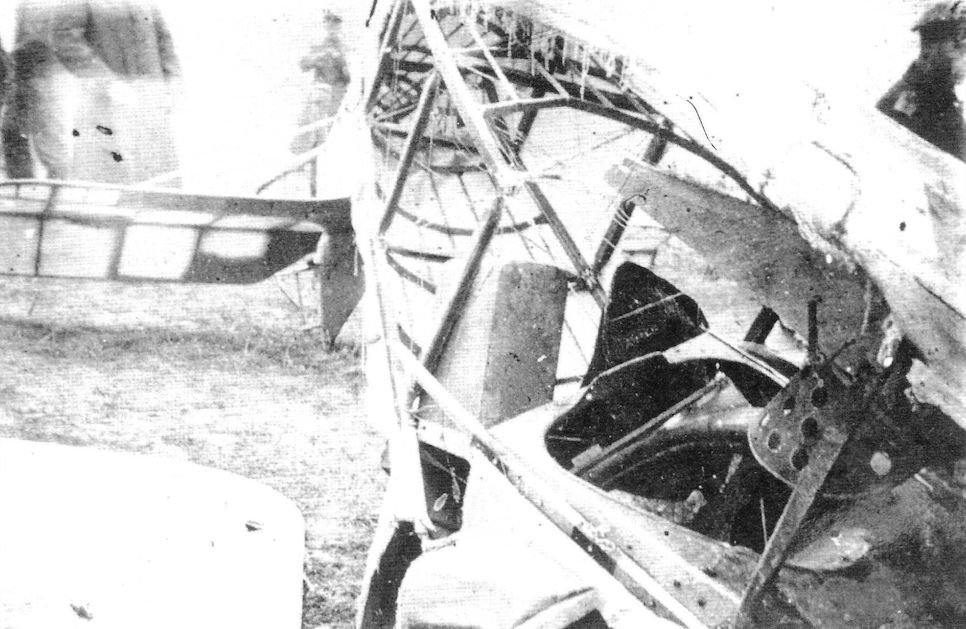
The wreck of Capitaine Maurice Schlumberger's S.A.1 S-10, shot down on 22 November 1915. Unfortunately, Capitaine Schlumberger was killed in this crash. Many construction details are visible. (SHAA)
-
-
J.Herris, D.Mechin - The Spad A Series /Centennial Perspective/ (104)
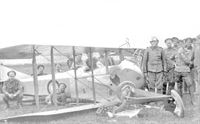
Pilot Senior non-commissioned officer Grigory Kibasov (wearing a flight helmet) near the wrecked S.A.4 S-84, which was destroyed on May 20, 1917. Forced landing due to poor engine operation outside the airport and nose over. Observer Abramov was seriously injured. (Viktor Kulikov)
-
J.Herris, D.Mechin - The Spad A Series /Centennial Perspective/ (104)
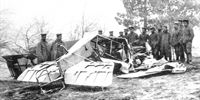
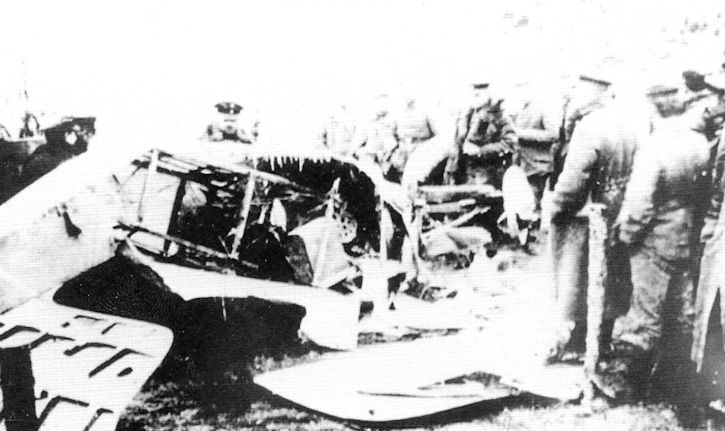
Fatal crash of a Russian S.A. (SHAA)
-
J.Herris, D.Mechin - The Spad A Series /Centennial Perspective/ (104)
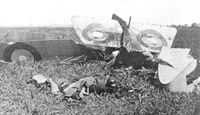
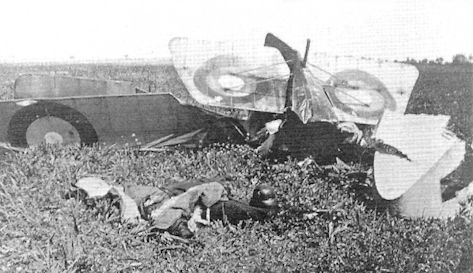
Fatal crash of a S.A.4, positively identified by the lack of an aileron on the lower wing. The bodies of the crew are visible. This may be the crash of S-64 of the 27th KAO shot down in Romania on 16/29 May, 1917, by three Fokker Eindeckers. Both types had disappeared from the Western Front a year earlier. (SHAA)
-

J.Herris, D.Mechin - The Spad A Series /Centennial Perspective/ (104)
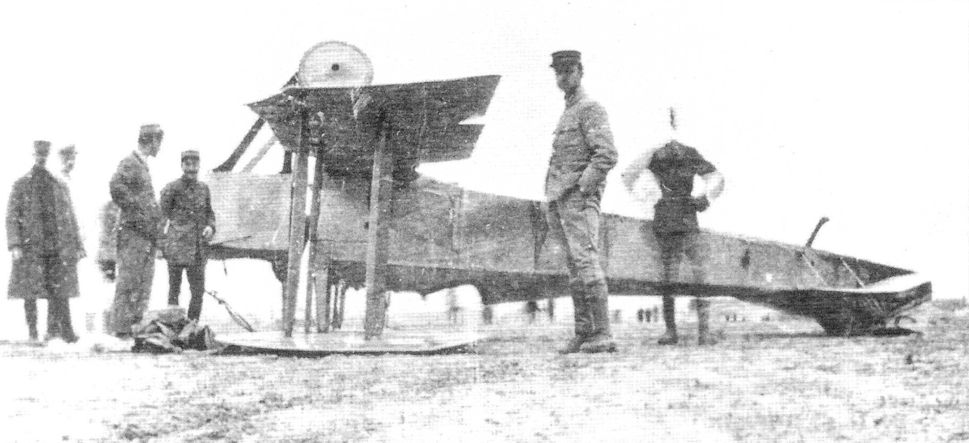
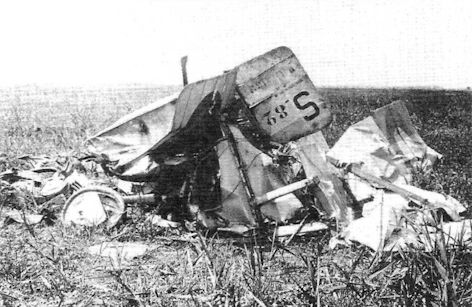
Crash of S.A.4 S-82 in Russia. (A. Toelle)



-
Сайт - Pilots-and-planes /WWW/
This Spad A-2 of the imperial Russian Air Service was equipped with skis for operations from snow covered airfields
-
-
-

A.Durkota, T.Darcey, V.Kulikov - The Imperial Russian Air Service /Flying Machines/
Spad G.1 #97, unit unknown.
-
J.Herris, D.Mechin - The Spad A Series /Centennial Perspective/ (104)
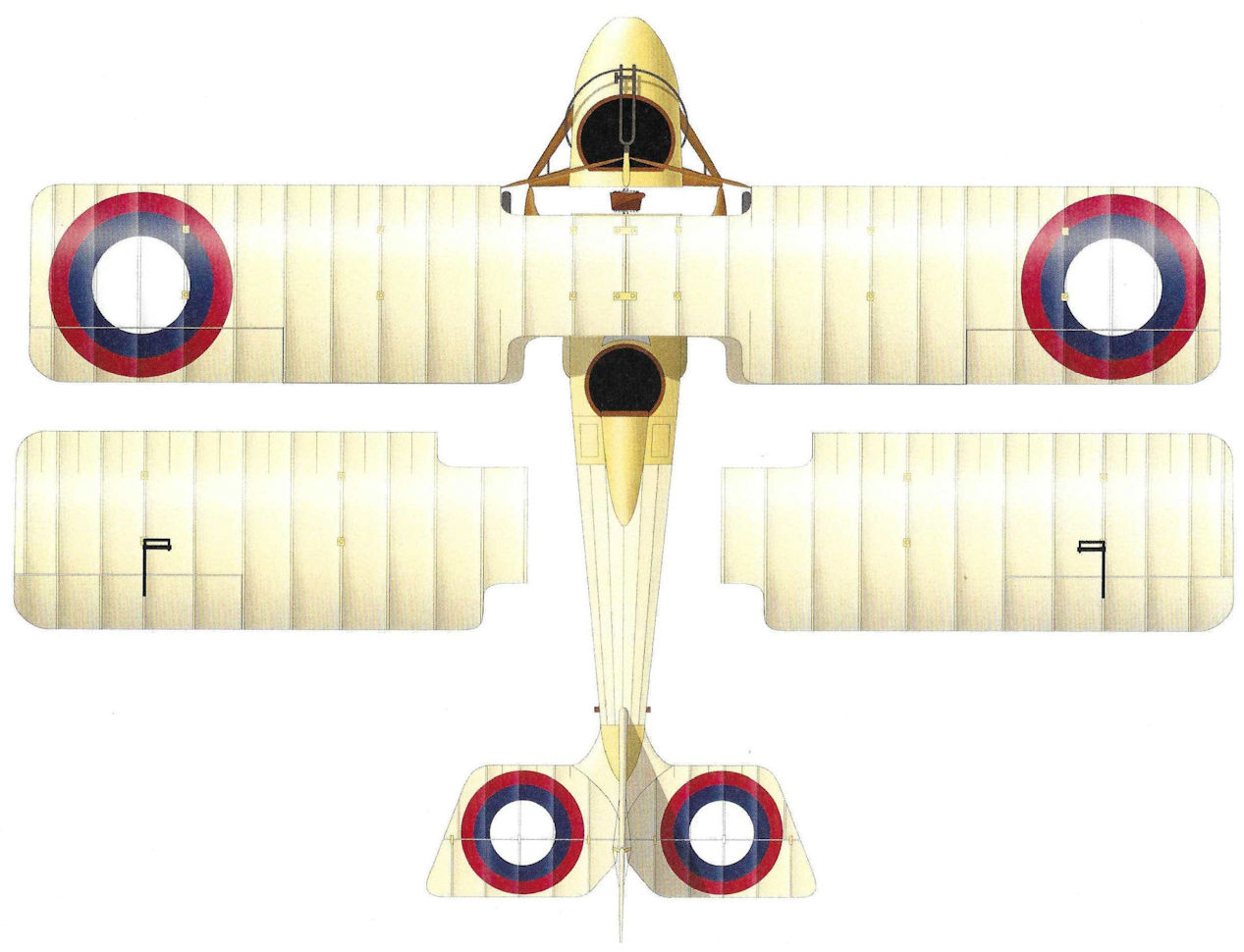
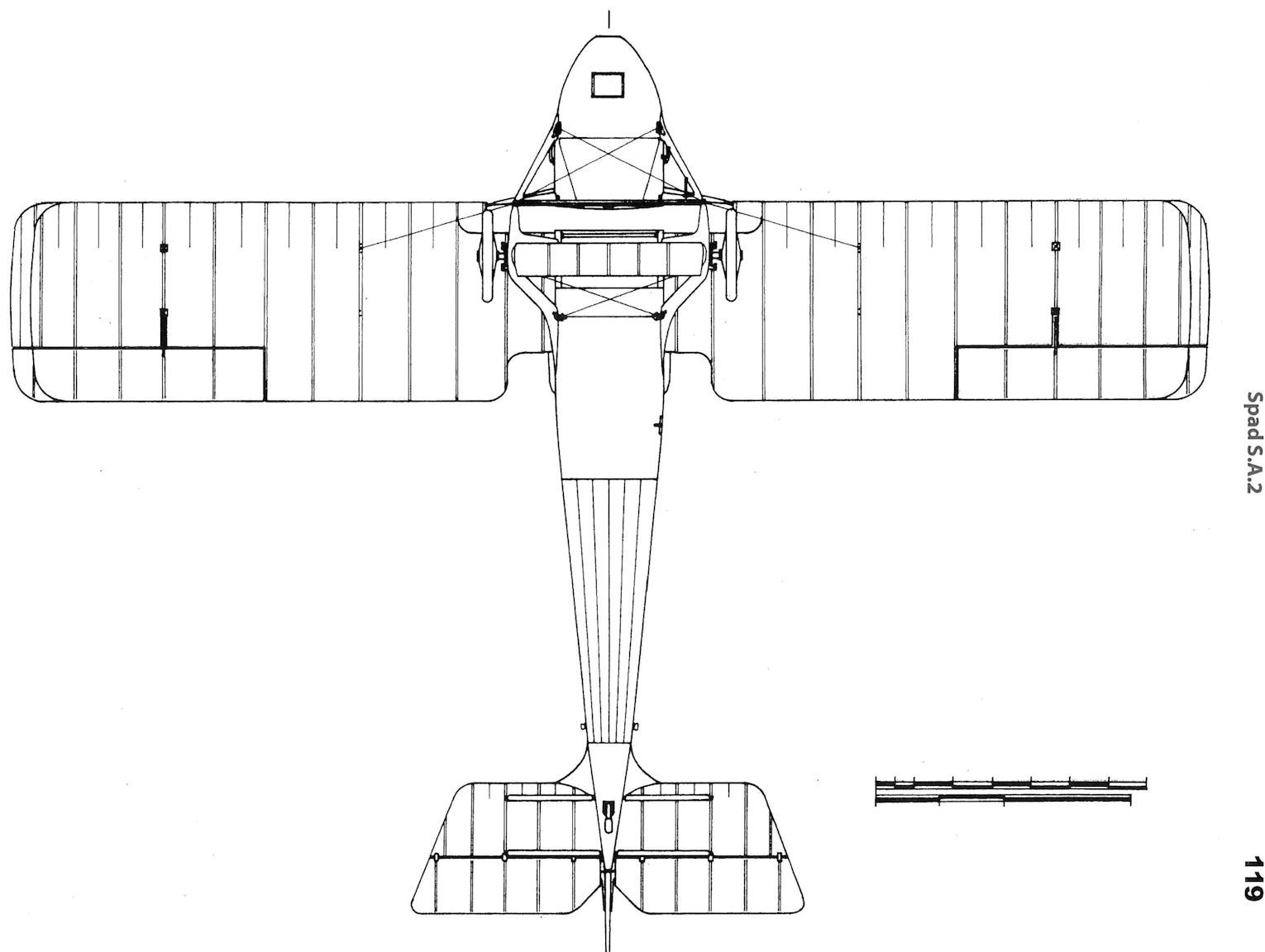
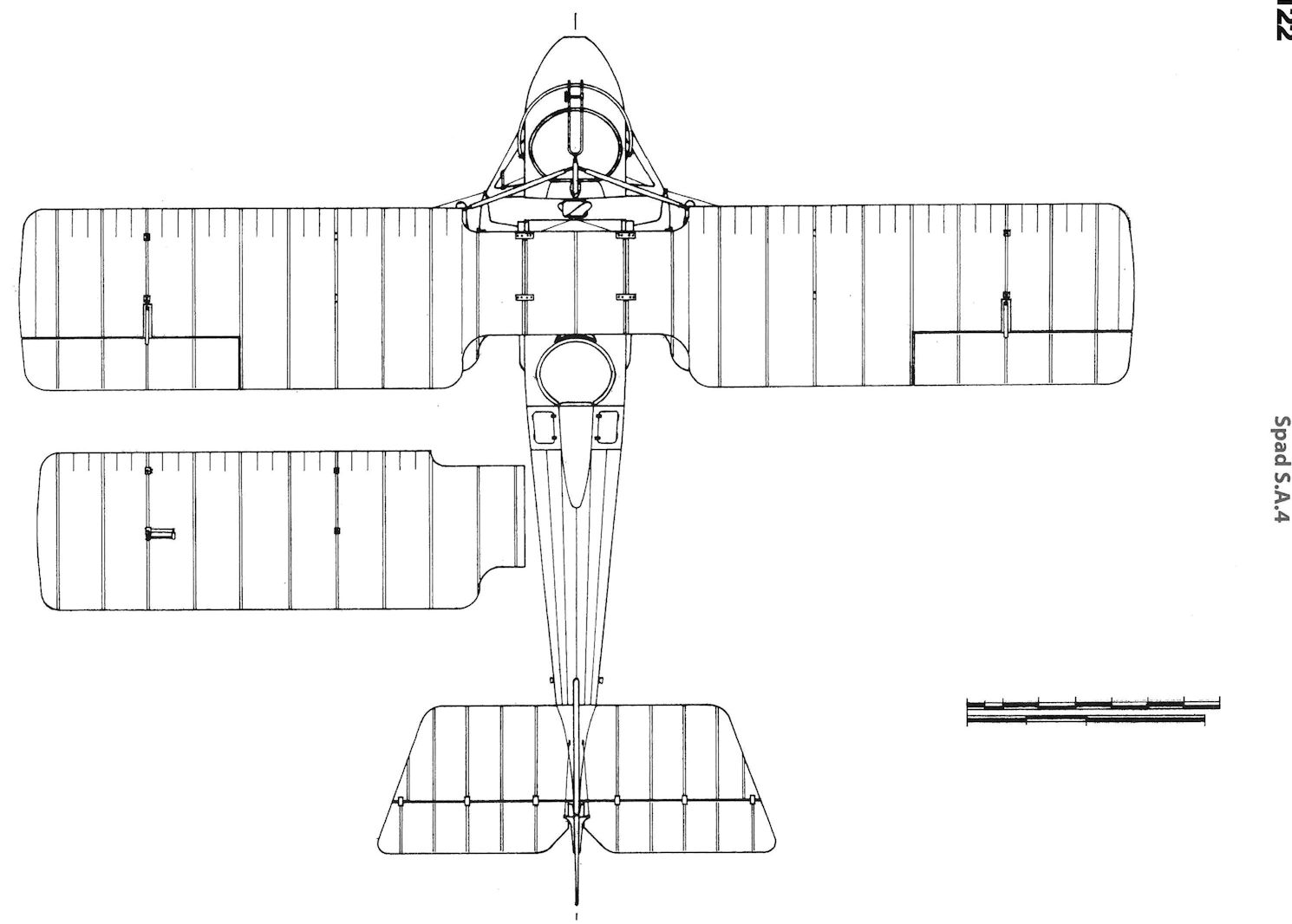
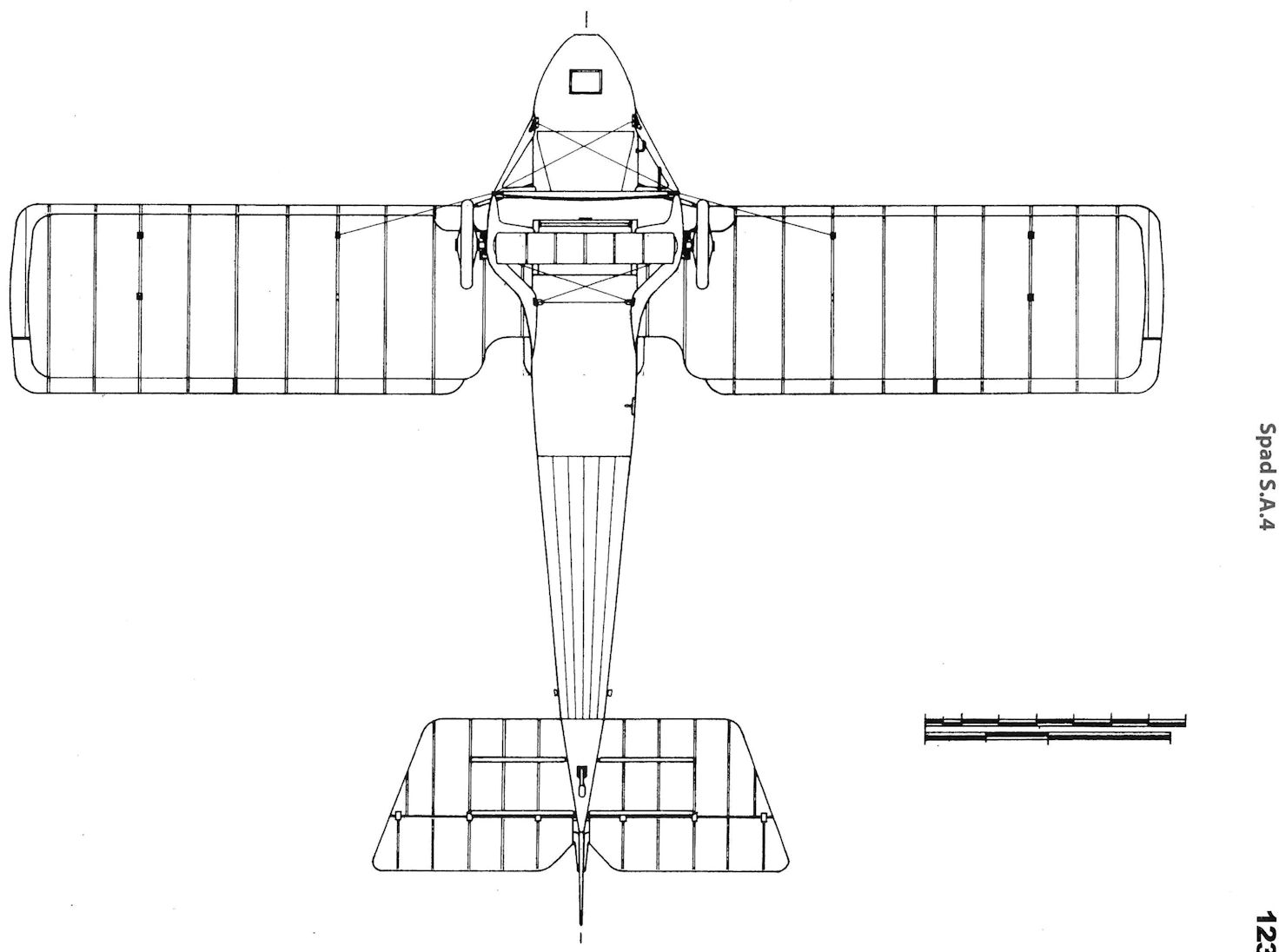
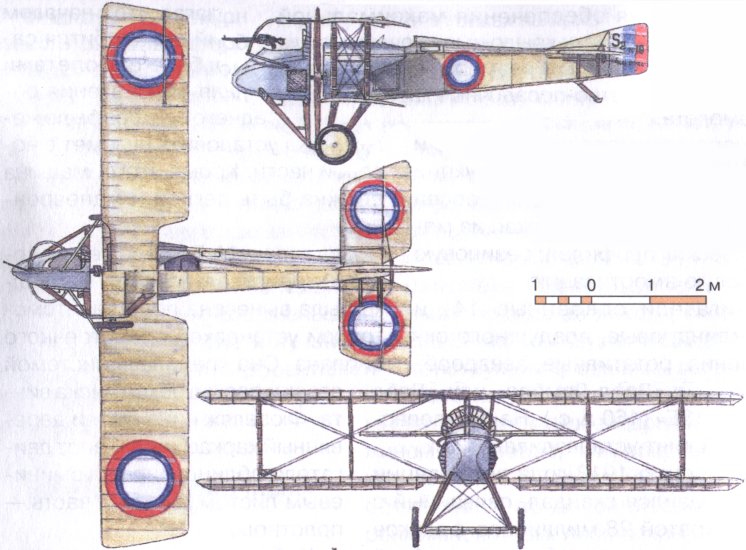
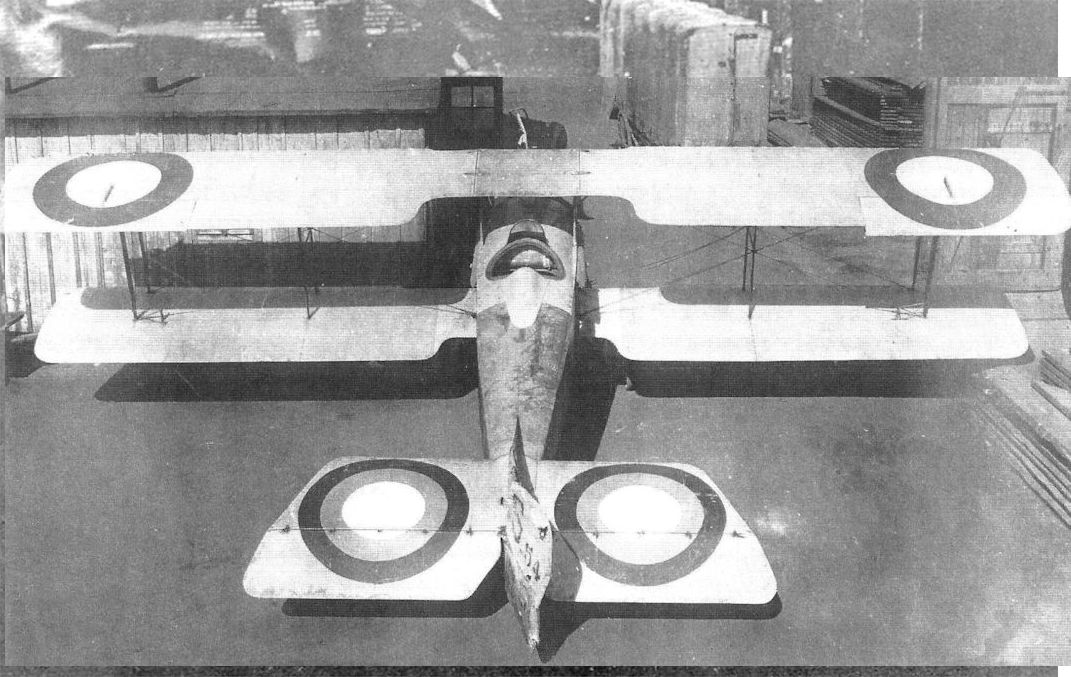
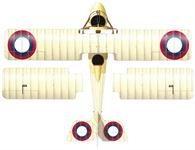
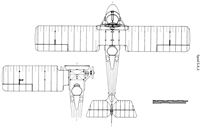
Spad S.A.2 IRAS Plan View. Spad S.A.4 IRAS similar
-

W.Green, G.Swanborough - The Complete Book of Fighters
The SA.2 saw service with both the Aviation Militaire and the Russian Imperial air arm.
-
-

-

-

-
-

-
-
-
-
-
-