
Книги
Centennial Perspective
J.Herris, D.Mechin
The Spad A Series
194
J.Herris, D.Mechin - The Spad A Series /Centennial Perspective/ (104)
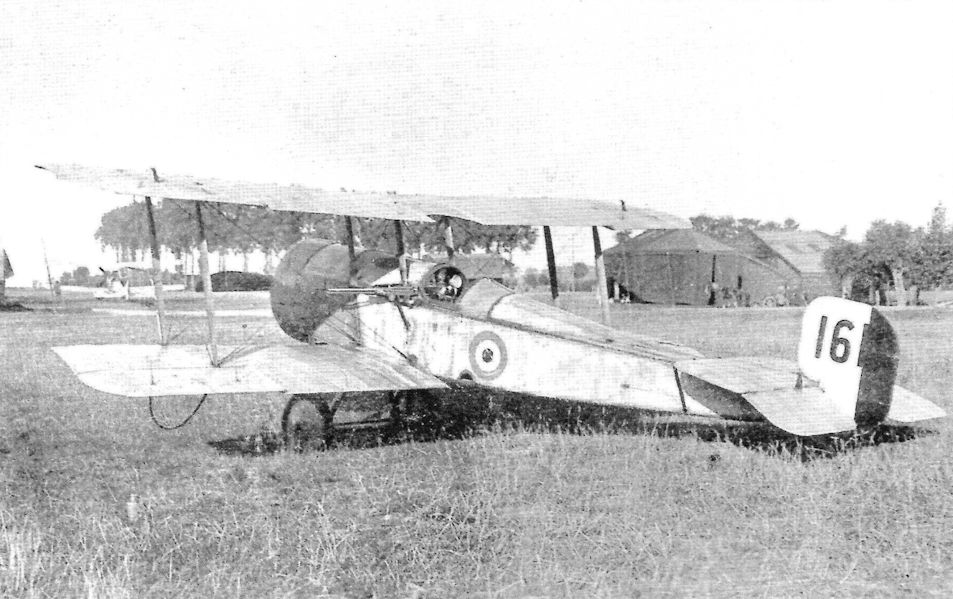
The Bristol Scout was designed as an un-armed, high-speed single-seater for scouting. Later some aircraft were fitted with armament. Lack of a synchronizer meant Scout 1611 had to avoid firing through the propeller arc, and an oblique-firing gun was fitted. Major Lanoe Hawker downed three German aircraft with this scout to become the first fighter pilot awarded the Victoria Cross, Britain's highest award for valor in combat. Hawker's tactics were simple; "Attack Everything."
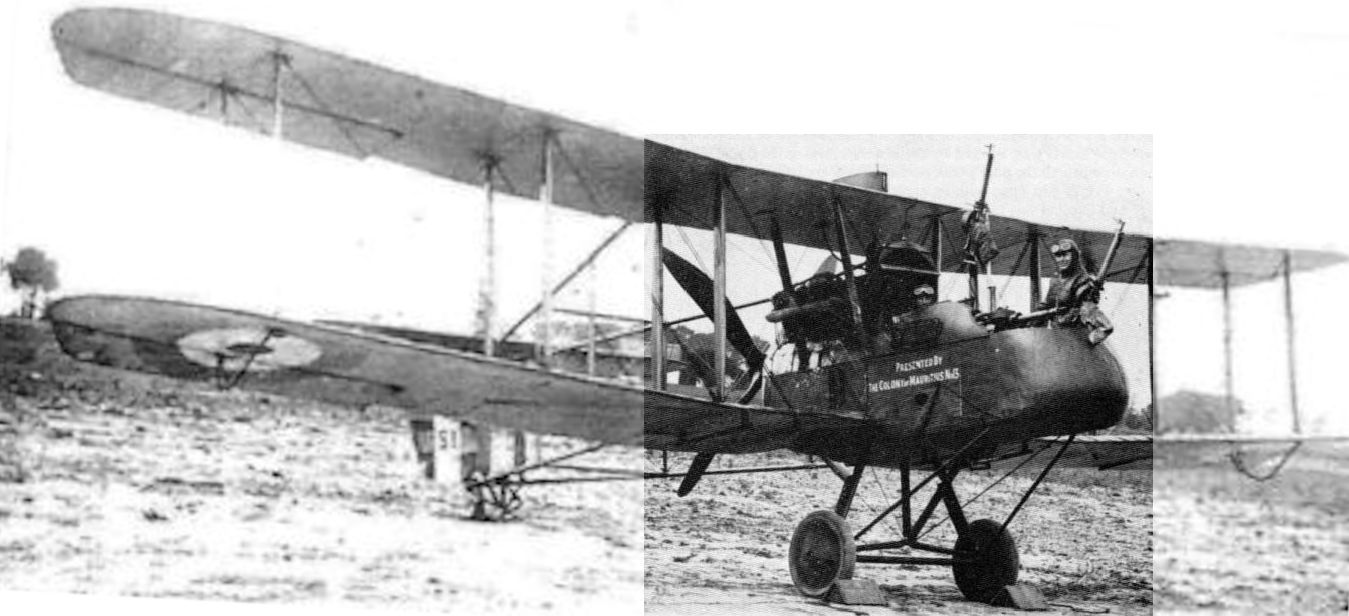
F.E.2d with two free Lewis guns and one fixed. Note also rails for bomb-carriers under wings.
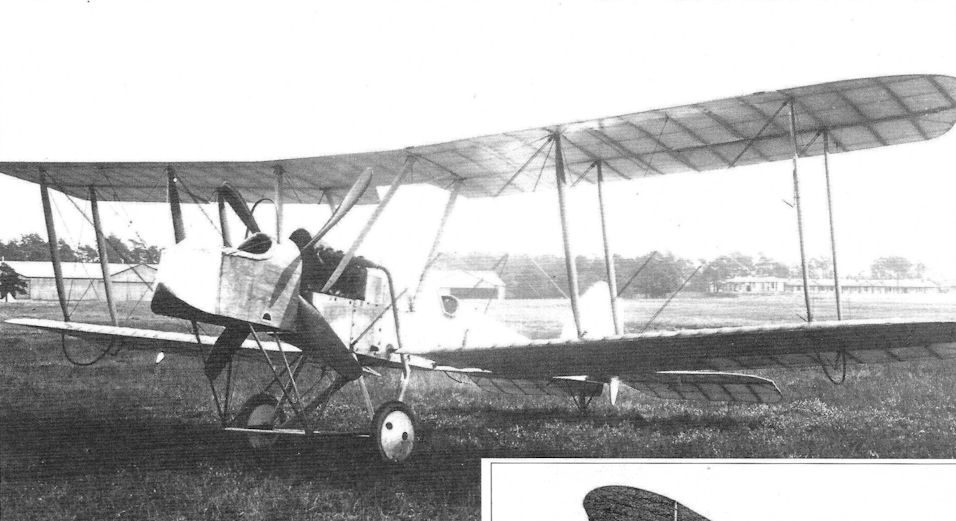
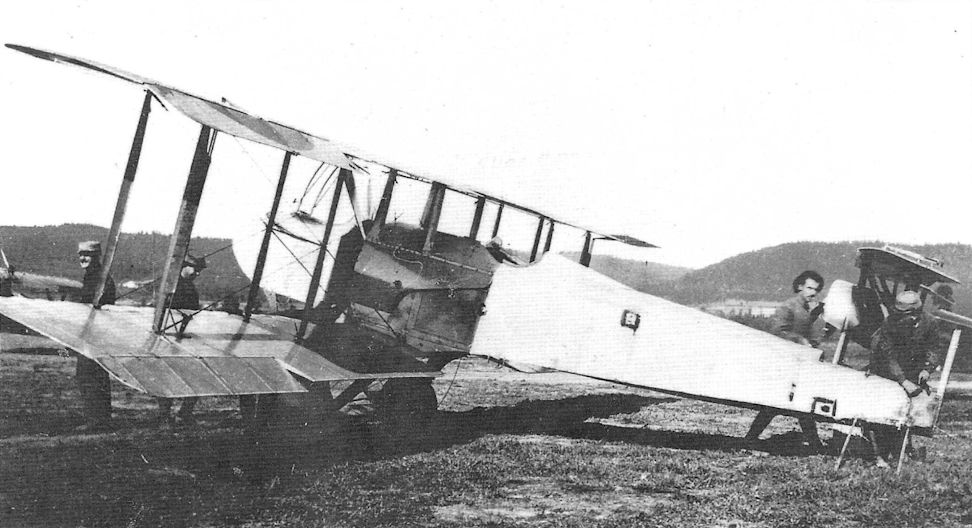
Developed from the B.E.2, the B.E.9 featured the same 'pulpit' gunner's cockpit configuration as the Spad S.A.series. B.E.9 serial 1700 was sent for operational testing in France in September 1915; Capt Robin Rowell test flew this and said he was happy it was crashed.
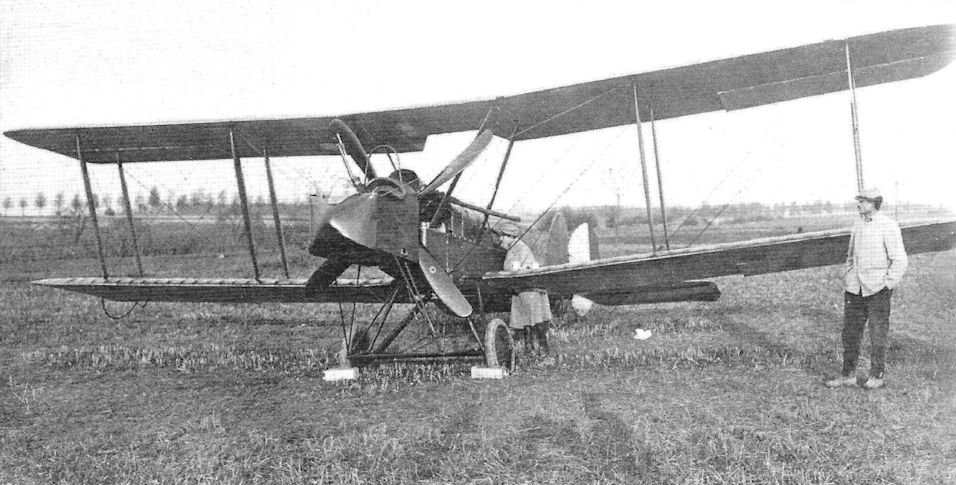
Developed from the B.E.2, the B.E.9 featured the same 'pulpit' gunner's cockpit configuration as the Spad SA series. B.E.9 serial 1700 was sent for operational testing in France in September 1915; Capt Robin Rowell test flew this and said he was happy it was crashed. (Greg VanWyngarden)
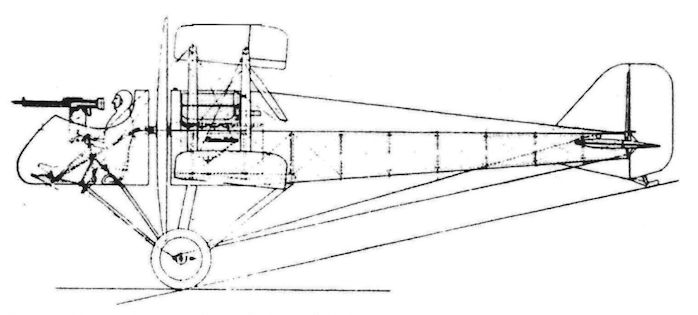
The S.E.10 design was similar to the successful S.E.5 but was never built.
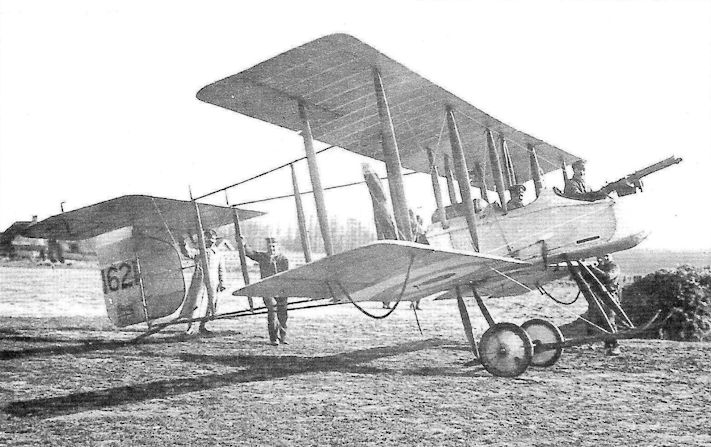
The Vickers F.B.5 "Gun Bus" was a pre-war concept that attempted to create an aircraft to intercept enemy airplanes. Like many similar designs, it was a pusher with the gunner in the front cockpit with a flexible machine gun. Reaching the front in January 1915, it was reasonably successful against the unarmed reconnaissance aircraft of the time - if it could catch them. This one was forced down behind German lines.
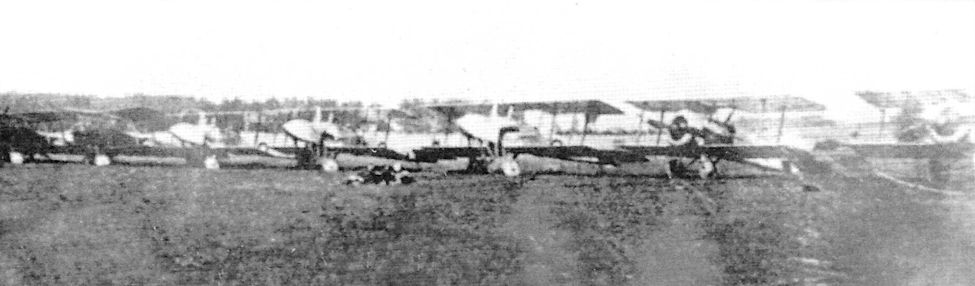
IRAS squadron lineup with SA.4s and, on the far right, two rare Vickers FB-19s, six of which were purchased by Russia. (SHAA)
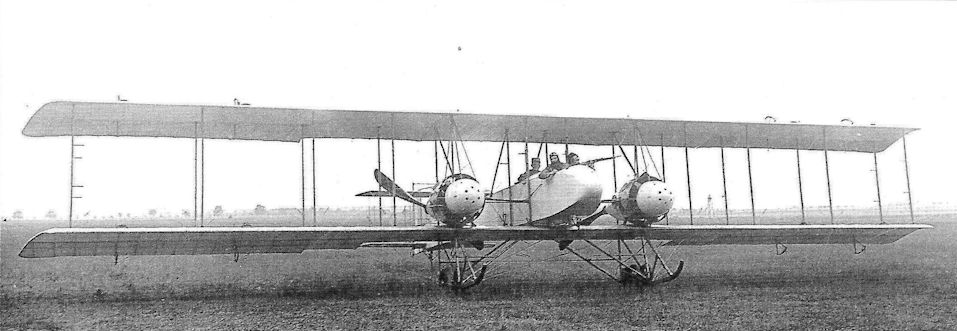
Dorand Armored Interceptor. There were two 80-hp Le Rhone engines; the propellers were fitted as a pushers.
A 1913 design for an aerial cruiser, the French Dorand Armored Interceptor had two 80hp engines coupled together to power both propellers in case of an engine failure. There was a pilot in the middle with gunners fore and aft. Development of armored aircraft was abandoned because of poor performance due to the armor's weight.
A 1913 design for an aerial cruiser, the French Dorand Armored Interceptor had two 80hp engines coupled together to power both propellers in case of an engine failure. There was a pilot in the middle with gunners fore and aft. Development of armored aircraft was abandoned because of poor performance due to the armor's weight.
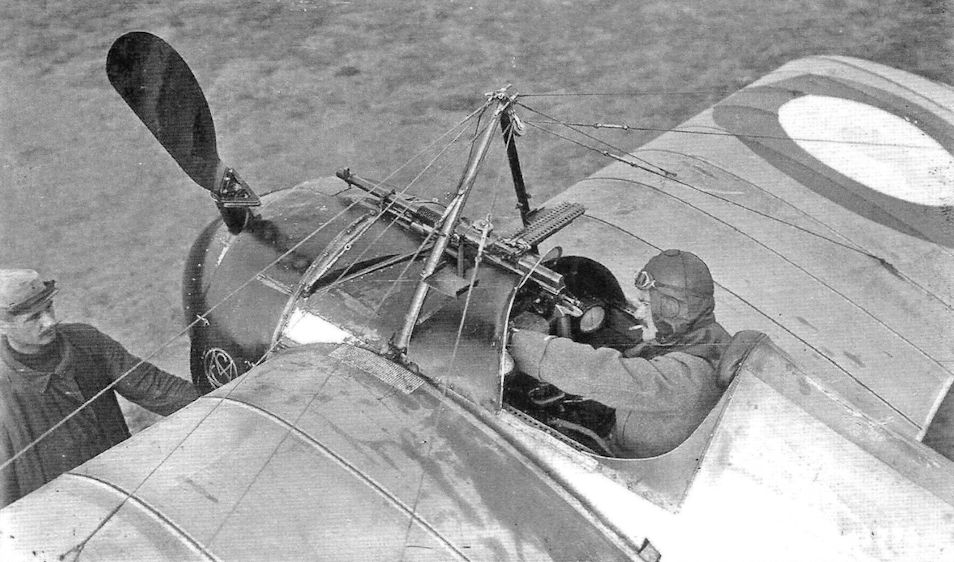
Отсекатели пуль, установленные на лопастях винта истребителя "Моран". Пулемет "Сент-Этьенн", установленный на Моран-Солнье, имел магазинное заряжание
Jules Vedrines in the cockpit of his Morane-Saulnier N before a sortie; the metal deflector wedge on the propeller is clearly seen together with the un-synchronized Hotchkiss machine gun.
Jules Vedrines in the cockpit of his Morane-Saulnier N before a sortie; the metal deflector wedge on the propeller is clearly seen together with the un-synchronized Hotchkiss machine gun.
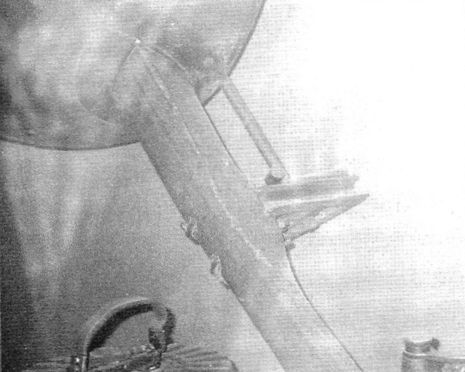
The metal deflector plate mounted on a Morane-Saulnier propeller blade.
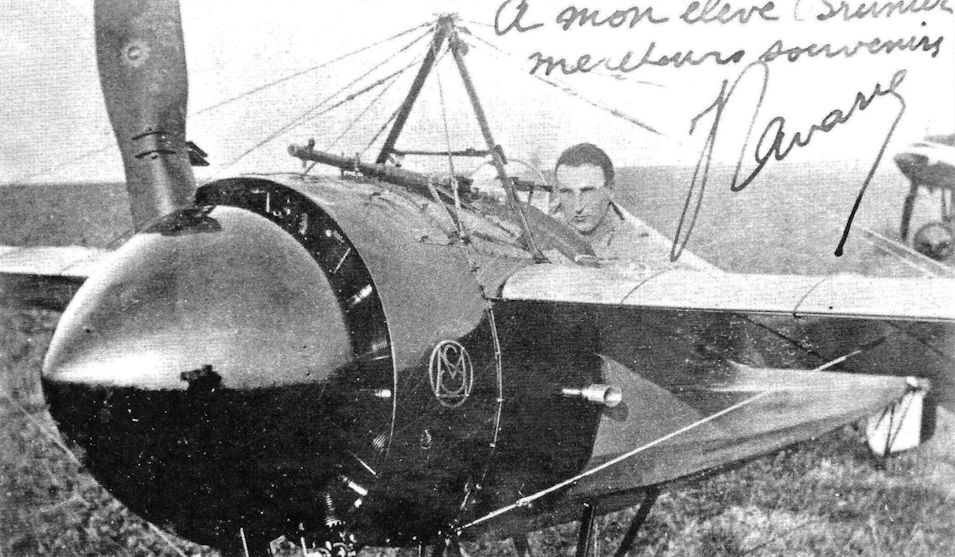
Jean Navarre in the cockpit of his Morane-Saulnier N. The aircraft was fitted with an un-synchronized Hotchkiss machine gun with metal deflector wedges on the propeller. The M-S N debuted in June 1914, just before the war.
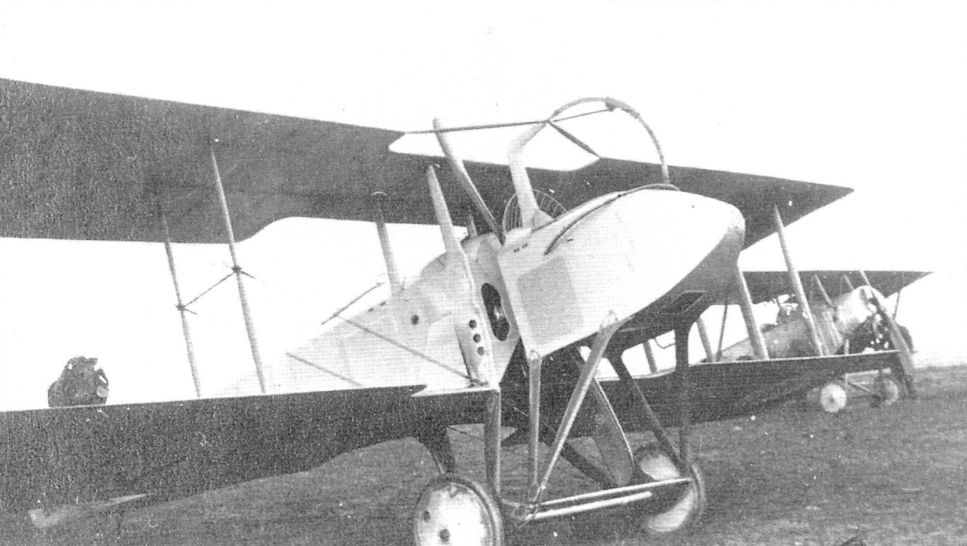
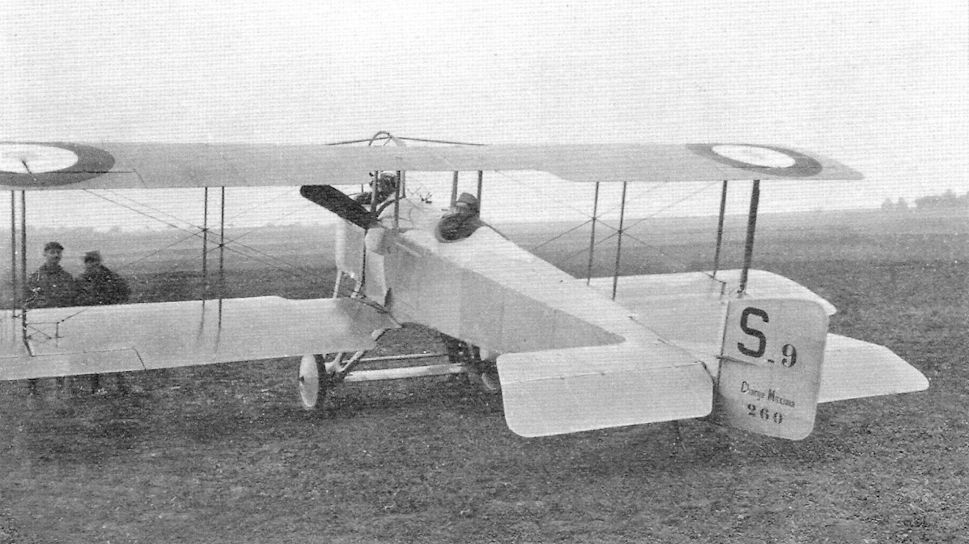
S-9 of Capitaine Brocard next to a single-seat Nieuport 10 (with 110 hp special) of Sergeant Georges Guynemer (probably N436) with over-wing gun at N 3, winter 1915–1916. Note there is no incidence bracing between the interplane false struts of S-9. (SHAA)
This appears to be Capitaine Brocard's SA.1 S-9 with Guynemer's single-seat Nieuport 10 in the background. (SHAA)
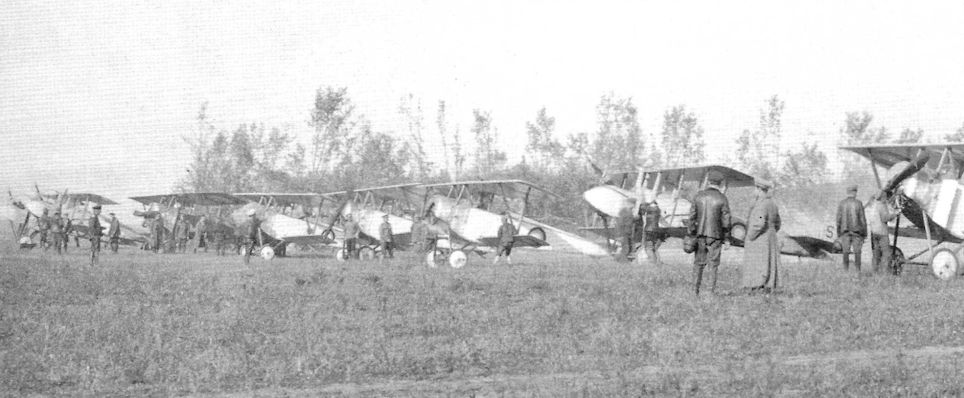
Lineup of the 1st BAG at Loutsk in September 1916. Spad S.A.4s are intersperced with Nieuport 10s.
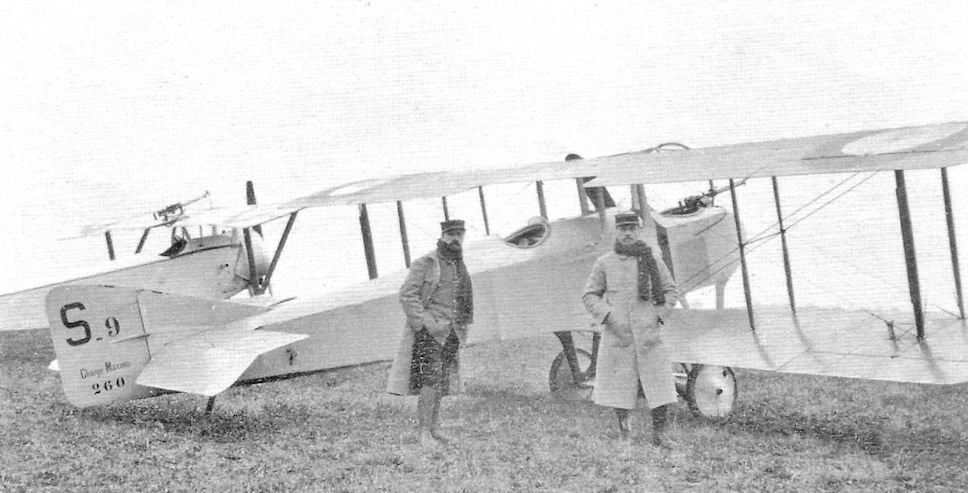
Spad S.A.1 S-9 from Escadrille N-3 nest to the Nieuport 11 prototype (N-402). (SHAA)
Spad S.A.Prototype
At the start of WWI the SPAD company began to make the Caudron G.3 and then the G.4 under license. Early on the chief designer, Louis Bechereau, realized a fighting airplane would need a forward-firing gun because "a hunting animal does not get his dinner by running away from it."
Bechereau had been chief designer for Deperdussin, so he modified a Deperdussin design into the TT, a two-seater with gunner in front. Unfortunately, the gunner had to stand to fire the gun over the propeller arc, creating a lot of drag and limiting performance. The engine vibration also made aiming difficult.
So Bechereau choose a different configuration when designing a fighting aircraft from scratch. There was no synchronizing gear for machine guns available when the SPAD S.A. was designed, so that limited Bechereau's choices.
Bechereau chose to place the gunner in front of the propeller in his own nacelle, or "pulpit" as it was popularly called. This gave him an excellent field of fire and of view like that of gunners in pusher aircraft, but with lower drag since the "lattice" structure supporting the tail was replaced by a more streamlined fuselage. Bechereau was granted patent number 22.088 for this design. The configuration required the engine and propeller within the fuselage and a relatively complicated support structure for the nacelle.
Both monoplane and biplane designs were contemplated, but the monoplane was abandoned in favor of the biplane. A second patent, 022.088, was filed on 7 June 1915, two weeks after the first flight of the S.A.prototype. This patent addressed the nacelle support system.
Bechereau submitted a third patent, 0488.191, on 4 June, 1915, describing a new system of interplane bracing for biplanes. This was incorporated into the S.A.prototype. This allowed a long-span wing with two bays of bracing be rigged as a single-bay wing; this reduced the amount of bracing cable exposed to the airstream, reducing drag.
Bechereau incorporated two features in the SPAD A that were used in all subsequent wartime SPADs. One was the hinging of the landing gear half-axle so that it moved up and down to more neatly track the forces encountered when the wheel contacted the ground while moving down and forward. The second was the aileron control system, also used on subsequent SPADs.
The S.A.prototype was built in the spring of 1915 and the first flight was on 21 May 1915. Because of the interest expressed by the Army, it was immediately presented to the SFA (Service de Fabrication Aeronautique) at Meudon, where it was tested by the Commission d'Examen des Avions et Moteurs. Lieutenant Toussaint, secretary of the Board of Examiners, wrote a short report on 29 May 1915 and submitted more complete reports on 2 and 3 June 1915. Extracts from the two reports are given in the table.
The report of 2 June 1915 ended in remarks concerning the good and bad points of the aircraft divided into five categories.
Advantages
1. The field of fire and observation of the gunner is nearly unobstructed.
2. According to the manufacturer it is possible to replace the gunner with a special armament: for example, several machine guns that could be controlled by the pilot with a line-of-sight [perhaps a gun sight] that makes it possible for the pilot to aim, etc.
Disadvantages
1. The nacelle could obstruct cooling, although there was no overheating experienced during the 55-minute flight conducted on 31 May 1915. [This became a problem in operational service.]
2. The placement of the gunner could cause apprehension in the men assigned to that position due to the danger of serious injury if the aircraft is overturned on landing. The attachment of the nacelle to the propeller shaft is also criticized because with use it could possibly experience severe vibration. Currently there are very marked vibrations in the rear of the gunner. [Passage underlined in the report.] According to the manufacturer it would be possible to replace this configuration with another incorporating additional bracing to the upper wing. This would give greater safety but would significantly increase drag.
Prototype S.A.Flight Test Results
Characteristic Test 1 Test 2 Test 3
Fuel 68.5 kg, Oil 24 kg As Test1 As Test1
Payload 74 kg (pilot Maurice Prevost), observer 82 kg (Lt ArdouinDumazet) As Test1 74 kg (pilot Maurice Prevost), observer 82 kg (unknown)
Rate of climb
500 m 2 min 10 sec 2 min 5 sec 2 min 50 sec
1000 m 4 min 33 sec 5 min 45 sec 6 min 40 sec
1500 m 7 min 40 sec 9 min 30 sec -
2000 m 11 min 35 sec - 16 min 0 sec
2500 m 16 min 5 sec 20 min 30 sec 21 min 45 sec
3000 m 21 min 5 sec - 33 min 0 sec
3270 m - - 50 min 0 sec
Top Speed - 150 km/h at ground level -
- 142 km/h at 2,100 m -
- 137 km/h at 3250 m -
Stall Speed - 89 km/h at ground level -
On Test 3 the maximum ceiling "seemed to be" 3400 m.
Notes:
- The aircraft tested was not provided with a machine gun. It would be interesting to carry out tests under real conditions, and to require that all fighting aircraft be presented with a machine gun, or a model of one, and the required mounting structure.
- At the present time there does not exist for the gunner a means of access to the nacelle.
- The visibility for the pilot could be improved.
- According to the tests, the aircraft presented by SPAD meets the conditions imposed for fighting machines except that the time to climb to 2,000 m was 11 minutes 35 seconds instead of the required 10 minutes.
- The large wing area is a good quality of the airplane. The wing loading is 28 kg/m2 (5.7 lb per square foot). This figure does not appreciably exceed the figures for the Caudron G.3 and Morane Parasol. From that point of view the airplane presents a certain safety factor, which a static test could confirm.
On 3 June 1915 Lt.Toussaint wrote a supplementary report concerning two climbing tests carried out at Meudon on 2 and 3 June 1915.
The prototypes wing bracing was described in patent number 0488.191 and the detail design was described in the Manual d'Aviation de la Premiere Guerre Mondiale, Tome II. The vertical members in the middle of the span were not true struts; they were intended only to act as vibration dampers and to limit deflection of the wings at mid-span. The complicated bracing in the cabane structure was not as effective as the designers expected, so production aircraft had diagonal bracing between the front cabane struts. Early photos of the prototype show no bracing between the upper wing and nacelle and it was probably flown that way at least once. Cables were added from the upper wing to the nacelle but it is not known when this was done.
Disposition of the Prototype
The prototype was given the SFA number S-11 and returned to the manufacturer. SPAD retained it for tests for an unknown time before returning it to the military. Photographed at Buc in March 1916, the aircraft was almost completely modified into the standard S.A.1 configuration; the difference is that the original horizontal tail surfaces had been retained. There also appears to be only a single bracing strut between the tailplane and the fuselage and no national markings.
Prototype S.A.Specifications
Wingspan 9.10 m (29 ft. 10 inches)
Length 7.30 m (23 ft. 11 inches)
Height 2.60 m (8 ft. 6 inches)
Wing Area 23.85 m2 (256.5 ft2)
Tailplane Area 1.5 m2 (16.1 ft2)
Elevator Area 1.25 m2 (13.5 ft2)
Rudder Area 0.6 m2 (6.5 ft2)
Engine 80 hp Le Rhone
Propeller Chauviere of 2.55m (100.4 in.) diam., 2m pitch
Airframe Wt. 237 kg (522.5 lb)
Engine, prop, hub 140 kg (308.6 lb)
Fuel & oil 95 kg (209.4 lb)
Fuel & oil tanks 23 kg (50.7 lb)
Payload 180 kg (396.8 lb) (pilot, gunner, gun & ammo)
Gross Wt. 675 kg (1488.1 lb)
Spad S.A.1
The SPAD S.A.1 was the first new two-seat fighter brought into service in the Aviation Militaire Francaise (French Military Aviation); all preceding two-seat fighters were adaptations of existing aircraft.
Following the tests carried out on the prototype in May and June 1915, on 5 June the Ministry of War directed the commandant the SFA at Meudon to buy the prototype and place an order for 10 type SA.1 production aircraft from the SPAD company.
The Ministerial Order Stated:
Because of the tests carried out by the type S.A.L. (sic), the heavy artillery section with the 80 hp Le Rhone and because of the potential which it will present as a fighter, I decide to put in an order for ten of this type. Moreover, you will proceed to purchase the test machine, which will be issued to the General Reserve where it will accomplish a flight of three hours endurance. I draw your attention the advantage there would be to be able to provide the 10 aircraft referred to above with 110 hp Le Rhone instead of the 80 hp Le Rhone.
There are several items to note:
1. The aircraft is described in the text as being of type S.A.L. This name is found in other period documents and requires an explanation. It is a result of a typographical error due to the use of the lower case letter "I" on typewriters of the time to stand for the number "1". Because of this similarity someone transformed the "1" into "L". This error was corrected almost immediately in later reports as of 12 June 1915.
2. This order required the prototype of carry out a flight of 3 hours endurance with the Reserve Generale Aeronautique (Aeronautical General Reserve, R.G.A.). This was the wish expressed by Lt. Toussaint, secretary of the Centre d'Essais Aeriens Militaires (Military Aviation Test Center) on 29 May 1915. The test was intended to determine whether the cooling of the 80 hp Le Rhone was adequate in spite of the restricted cooling airflow due to the nacelle. (In retrospect the cooling would never be satisfactory for any SA type.)
3. As early as the first order for the machine, the French military wanted to install the more powerful 110 hp Le Rhone 9J. This only became available in production quantity a few months later for installation on the SA.2.
A 30 June 1915 War Ministry message to G.Q.G. Aeronautics notes the fate of the prototype: The Bechereau S.P.A.D. test aircraft will be delivered to Buc next 2 July and assigned to the R.G.A. after reception if no new modification is necessary.
The prototype was photographed at Buc in March 1916, by which time it had been modified into the S.A.1 configuration, except that the triangular horizontal tailplane was retained. It was assigned the SFA number S-11, but at the time of the photograph the number had not been painted on the rudder or longerons. Unanswered questions include: Why was the triangular tailplane retained when so much effort was spent changing everything else? At what time was the SFA number assigned? Was the SFA number ever applied to the prescribed locations on the aircraft? What was the final fate of the aircraft?
The British RFC, which had only the Vickers FB-5 Gunbus at the time, very early on expressed an interest in the SPAD S.A. Two RFC officers, Major S. Lewis (commander of No.3 Squadron) and Captain T. O'Brian, examined a dismantled SA and submitted the following report on 2 August 1915:
Report on the New SPAD Biplane
This was dismantled. It appears to be a well-designed machine.
The passenger sits in a nacelle fixed in front of the propeller. This gives a perfect field of fire and view.
It is about the same speed as the Morane biplane with the same engine, probably rather faster.
It probably lands faster and is harder to get into a smaller field.
It would be expensive in observers if piloted by indifferent pilots. A French flying officer told me that it was easier to fly than either a Morane Parasol or a Nieuport.
I consider that it should be tried when re-assembled.
Instead of a passenger, five or six machine guns can be fixed in the nacelle and fired from the pilot's seat.
It cannot be flown without the equivalent of a passenger's weight in front.
Did the officers mistake a Rhone 9C for a 9J, or was there actually a 110 hp Rhone installed? The 1915 model of the 110 hp Le Rhone, which had a smaller diameter than the eventual 9J, was being tested in August 1915 in Moranes and Nieuports, but it tended to routinely burn its valves and was abandoned. Apparently there was an S.A.2 with the 1915 model engine received around 20 October 1915, but it was not sent to the front until it had a 9J installed. Because the British officers looked at a dismantled aircraft, it may have been the S.A.2 that had the early model engine and after testing it was dismantled for repairs, which is reasonable considering the history of the early engine. How far the dismantling had progressed was not mentioned; the engine may have been removed. In any case a later, undated, anonymous British report was less than complimentary:
In this machine the passenger is slung in a small fuselage in front of a tractor propeller. This arrangement is considered to be unnecessarily dangerous and it is not justified by the objects attained as regards arc of fire.
All the Spad machines are of similar type and are considered to be of no interest in their present form.
In his book "One Man's War", Bert Hall describes a macabre episode at Avord on 11 October 1915 at Escadrille N68:
The first Spads were powered by an 80 hp Rhone engine and had a little wicker nacelle out in front of the actual body of the machine where the observer sat and did his fighting. The pilot sat back of the top wing, the ship being a biplane.
The front nacelle was attached to the top wing and to the landing carriage. The first one they tried turned over taking off and mashed the observer flat as a flapjack. Everyone on the field tried to argue them out of trying the second one, but nothing would do but a test flight. So a second one was hauled out and two Frenchmen hopped it. It was their last hop. The pilot was a friend of mine, and I regretted his death a great deal. His name was Lieutenant Stromeyer. The machine took off all right but when Stromeyer tried to pull it out of a gradual dive, the front nacelle came off and the wings buckled up. And that was the end of the first model Spad. The design was washed out and a new one was developed. (Stromeyer survived, gunner Soldat Michel was killed.)
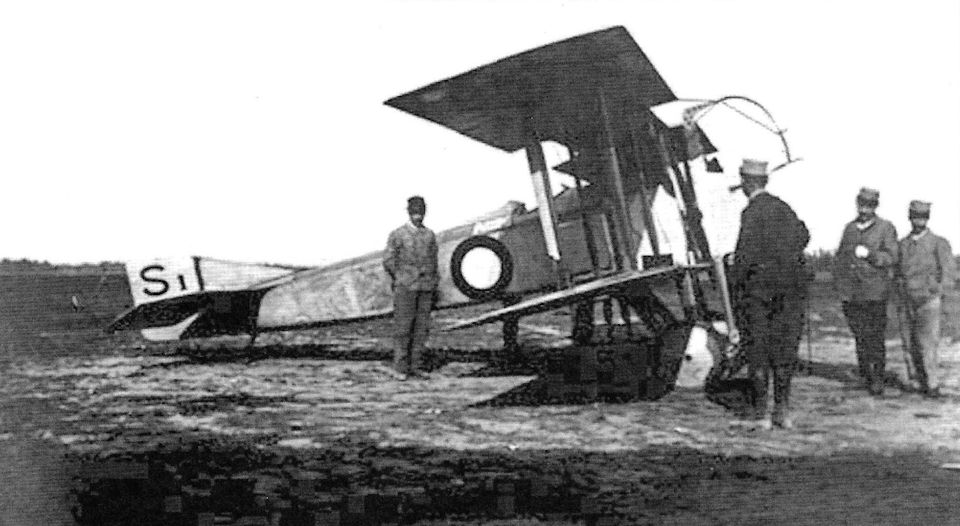
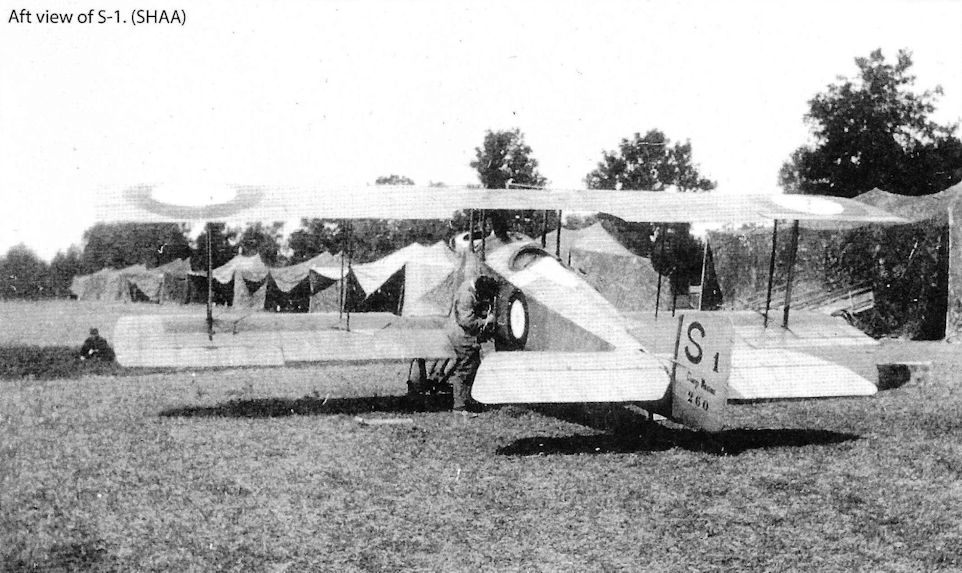
The first SFA number S.A.1 was S-1 and it was sent to Escadrille MS 23 at Chalons-en-Champagne during the summer of 1915. Photos show an aircraft that is almost but not quite the final configuration. A steel fitting at the top of the inverted "L" gun mount is not seen on later S.A.1 aircraft starting with S-3. No photo is available of S-2.
The prototype had no diagonal bracing between the front cabane struts but S-1 had these cables. Photos of S-3 show tie rods between mid-points of the false struts between the wings. The first S.A.2, S.12, appears to be the first aircraft to have incidence bracing between the false struts. On S-1 the front of the fuselage and side ducts were different shape and the three holes for exhaust and oil seen on later production aircraft are missing from the forward fuselage.
Delivery of the ten S.A.1 aircraft got underway in September 1915 when they started to arrive at Buc. They joined the R.G.A. about October and were then delivered to some frontline escadrilles. Only MS 23 can be positively identified. French fighter units were in the midst of standardizing on the Nieuport 10 and then the Nieuport 12 two-seaters and the single-seat Nieuport 11. The underpowered S.A.1 aircraft were soon replaced by the more powerful S.A.2s, and after frontline service were sent to serve out their lives at the flying schools.
S.A.1 Specifications
Wingspan, Upper 9.100 m (29 ft. 11 inches)
Chord 1.544 m (5 ft.)
Length 7.300 m (23 ft. 11 inches)
Height 2.600 m (8 ft. 6 inches)
Wing Area 25.35 m2 (276.9 ft.2)
Empty Wt. 425 kg (937.0 lb)
Useful Load 300 kg (661.4 lb.)
Total Wt 710 kg (1,565.3 lb.)
Engine 80 hp Le Rhone 9C rotary
Propeller 2.55 m (8 ft. 4 in) diam. Chauviere
Ceiling 4,300 m (14,108 ft.)
Endurance 2 hr. 45 min.
Top Speed 135 km.h (83.4 mph) at sea level
Climb Rate
1000 m 6 min. 30 sec.
2000 m 12 min. 30 sec.
3000 m 23 min. 30 sec.
Spad S.A.2
From the beginning the French military authorities wanted more power and performance and the additional weight and drag of the gun and mounting reduced performance compared to the unarmed prototype, making additional power essential. Finally, availability of the more powerful 110 hp Le Rhone 9J enabled production of the more powerful SA.2. Visually, the SA.2 adopted larger cooling vents to help cool the more powerful engine.
A purchase order for 40 SPAD SA.1, SA.2, and SA.3 aircraft was dated 6 September 1915. Each aircraft was priced at Fr 17.000 for a total cost of Fr 680.000. The prototype had been purchased for Fr 28,000. The following is extracted from a dispatch send on 2 September 1915.
In the conference of the inspectors of aviation material for the armies on 20 August, the pilots at the front expressed the desire that the replacements of planes and engines of the three SPAD escadrilles to be formed would be sent to 2nd reserve of supply. This provision would make it possible to hasten the use of the planes while waiting for the delivery of the rolling stock (ground equipment) and the accessories other than the replacements.
The dispatch proves that French Military Aviation originally wanted to establish up to three escadrilles of fighters equipped with SPAD SA aircraft. The three escadrilles were to be S 67, S 68, and S 69. S 67 was to be formed on 10 October 1915, S 68 on 30 October, and S 69 formed in November. This did not happen because the military passed the SA.2 aircraft out in small numbers to various escadrilles as was done with the SA.1. The French may have wanted to test their operational abilities without crippling any one escadrille. However, superior aircraft were in the pipeline and the career of the SA series was short.
The September purchase order was for 29 SA.2 aircraft, ten SA.1 aircraft, and one SA.3 aircraft. With the modification of the prototype into an SA.1, that makes a total of 41 SPAD SA series in French service.
Characteristics
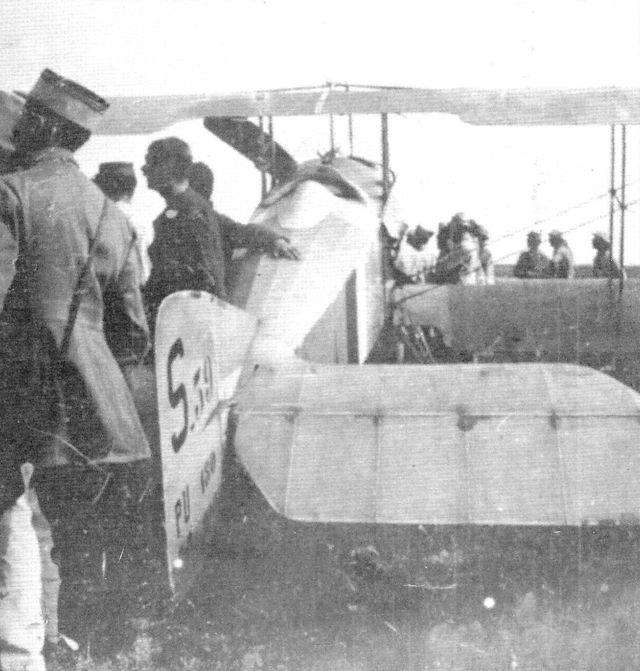
Installation of a more powerful engine in the SA airframe required some changes to the airframe. Because cooling was marginal in the SA.1 and would be an even worse in the more powerful SA.2, the SA.2 had larger cooling ducts and expanded cooling area in the front engine mount. The extra weight of the larger engine partially solved the tail heaviness of the SA.1. Photos indicate the larger cooling ducts were retrofitted to a few SA.1 aircraft. Also, there were SA.4 aircraft with and without the larger ducts. Additionally, a few SA.2 aircraft may have reverted to the 80 hp Le Rhone 9C. This is shown in a photo of S-46 SA.2 with PU 160/PC 100, which indicates the 89 hp engine.
The SA.2 used a modified gun mount with the addition of a second curved tube so the gun was now mounted between two tubes. Interestingly, S-4 was used to evaluate both the larger cooling ducts and the double-tube gun mount.
Frontline Service
Starting in December 1915 the SA.2 aircraft were dispensed in small numbers similarly to the SA.1 experience. Deployment of the SA.2 was complete in March 1916. Only four "SPAD-Bechereau" were in frontline service and five were in reserve and training schools. This small number of aircraft at the front were insufficient to supply an escadrille and the idea of forming units specifically with SPAD SA aircraft was not pursued. The SA's poor performance definitely contributed to outcome.
The majority of the SAs were assigned to the Camp Retranche de Paris (C.R.P.), an assignment that was quiet compared to frontline units. The SA.2 was assigned at different times to Escadrilles N 3, N 23, N 49, N 73, and the C.R.P.
The SAs contemporaries were likewise primitive, as was the SA series. Aside from the nacelle supporting structure, the SA was otherwise sturdy and had good flying qualities. However, the nacelle configuration was forced on the SA due to lack of a synchronizing gear when it was designed and built. The result limited their operational service to about six months and kept production small.
On 17 May 1916, N 73 was notified of an incursion by a German reconnaissance aircraft. Caporal Robert Sabatier had no other aircraft so took the training machine, an S.A.2, SFA number S-31. He had no gunner so talked another pilot Caporal Claude Funck-Brentano, into going with him as gunner. Climbing for altitude they spotted three enemy aircraft on their way back to the German lines and immediately went on the attack. The crew of S-31 persisted attacking the enemy despite their aircraft being damaged. One of the three Germans crashed in French lines but the modest performance of the SA made it unable to catch the other aircraft. The SA crew brought their badly damaged aircraft back to their airfield where it was immediately dismantled. Both Frenchmen received the Medaille Militaire. In addition Funckh-Brentano was mentioned in dispatches and was promoted sergeant. He achieved one more confirmed victory before he was killed in aerial combat less than two months later.
As far as is known, this is the only victory of a SPAD SA in France.
Around the same time, Escadrille N.67, stationed at Froidos on the Verdun front, received a Spad A.2 that Jean Navarre, the ace nicknamed "the Sentinel of Verdun," wanted to try out, taking on board a young observer, Second Lieutenant Jacques Leps (a future ace with 12 victories), as a gunner. However, he was wounded almost immediately, and Leps flew with another pilot. Leps's account, preserved by the French Air Force Historical Service, is very informative about the aircraft's flight characteristics:
"On June 19, 1916, I took off for the first time in the Spad A.2 over the lines. We had a dogfight during which there were, naturally, many acrobatic maneuvers by both the Germans and the French. It was the first time the pilot, Sergeant Jules Moulias, had flown this aircraft. When this aircraft dived, it dived much faster than my body. I was leaving my seat, held only vaguely by my tethers and the makeshift roof of the gondola. Firing was impossible. On the contrary, at the pilot's aid, I was literally crushed in my seat: impossible to fire a single shot... The pilot finally realized I couldn't fire. He left the battle zone and returned to the Froidos airfield. The entire squadron, with Captain de Saint Sauveur at the head, was there to see the aircraft land and ask for our impressions. The pilot approached the ground as best he could, at over 100 kilometers per hour, and he flipped over. The pilot was in no danger. But me, in my small gondola, with the large rotary engine spinning behind me? I was literally crushed! The entire squadron rushed over. There were 20, 50 arms pulling me from the wreckage. I regained consciousness, and my first words were: "I don't want to be piloted anymore, I want to pilot!" The emotion was so intense that I was taken directly to another airfield. I never saw that Spad A.2 again..."
Leps quickly obtained his transfer to flight school... As for the Spad A.2s, he claims that they were grounded. In any case, they disappeared from the squadrons and were relegated to training duties after barely three months of use at the front.
S.A.2 Specifications
Wingspan, Upper 9.555 m (31 ft. 4 inches)
Wingspan, Lower 9.250 m (30 ft. 4 inches)
Chord 1.544 m (5 ft.)
Length 7.300 m (23 ft. 11 inches)
Height 2.600 m (8 ft. 6 inches)
Wing Area 23.36 m2 (250.8 ft2)
Empty Wt. 435 kg (959.0 lb)
Useful Load 300 kg (661.4 lb.)
Total Wt 735 kg (1,620.4 lb.)
Engine 110 hp Le Rhone 9J rotary
Ceiling 4,300 m (14,108 ft.)
Endurance 2 hr. 30 min.
Top Speed 154 km.h (95.7 mph) at sea level
Climb Rate
1000 m 6 min. 30 sed.
2000 m 12 min. 30 sec.
3000 m 23 min. 30 sec.
Spad S.A.4
Russia had very limited aircraft and aeroengine production in WWI, and France was a major foreign supplier for both. Thus Russia expressed an interest in the SA series and ordered 50 machines from France on 6 March 1916 at a cost of Fr. 17.000 each, or a total of Fr 850.000. The order appears to specify six SA.2 aircraft with 110 Le Rhone 9J and 44 SA.4 aircraft with 80 hp Le Rhone 9C engines. Six additional SA.4 airframes without engines were ordered directly from the SPAD company. The 56 machines left the factory for Russian be the end of June 1916. The S.A.2 aircraft likely had SFA numbers S-42 through S-47 and the SA.4 aircraft likely had SFA numbers S-48 through S-97.
However opening of Russian records after the fall of the Soviet Union show slightly different number; 60 aircraft with 54 on a military order - 44 with the 80 hp engine (S-48 thought S-91) and 10 with the 110 hp engine. The aircraft with 110 hp engines may have been the 10 additional S.A.2 aircraft on a French purchase order of 17 May 1916, S-92 through S-101) and six airframes without engines ordered directly from SPAD. These could be SFA numbers S-102 through S-107, although no SFA numbers may have been assigned.
The S.A.4 had the following differences from the S.A.2:
1. A center section which made assembly much easier.
2. The lower wing ailerons were eliminated.
3. The two tie rods between the cabane struts were eliminated.
4. The chord of the lower wing was reduced.
5. The stabilizer chord was increased to 1.25 m and the small fairing was eliminated.
6. Moving the airfoil aft on the spars so that the structure of the fuselage would not be disturbed moving the wings aft, which reduced the tail heaviness.
The 110 hp 9J was just coming into production when the Russian order was made. The specification of the 80 hp 9C engine likely resulted in earlier delivery, which was urgent. The enemy deployed second line aircraft on the Eastern Front, making maximum performance not as critical as on the Western Front. In addition, cooling problems were always a concern with the SA, and were even more of an issues with the 110 hp engine. Apparently S.A.2 S-48 was modified into the SA.4 with the changes noted above.
S.A.4 Specifications
Wingspan, Upper 9.55 m (31 ft. 4 inches)
Wingspan, Lower 9.25 m (30 ft. 4 inches
Chord 1.544 m (5 ft.)
Length 7.5 m (24 ft. 1 inches)
Height 2.65 m (8 ft. 8 inches)
Wing Area 24.5 m2 (263.7 ft2)
Empty Wt. 414 kg (912.7 lb.)
Useful Load 260 kg (573.2 lb.)
Armament 15 kg (33.1 lb.)
Crew 150 kg (330.7 lb.)
Fuel & Oil 95 kg (209.4 lb.)
Total Wt 734 kg (1,485.9 lb.)
Engine 80 hp Le Rhone 9C rotary
Ceiling 4,300 m (14,108 ft.)
Endurance 3 hr.
Top Speed 140 km.h (87 mph)
Climb Rate
2000 m 13 min.
Spad S.A.4 (& S.A.2) in Russia
The Eastern Front was 600 miles wide and the Imperial Russian Air Service (IRAS) did not have enough aircraft to support it in 1916. Arrival of the SA series permitted a partial reorganization of its squadrons into specialized units to oppose the German air units more effectively.
Starting with the 18th KAO, which received S.A.4 S-53 on 18 June, more than 10 KAO received the S.A.2 and S.A.4 in the summer of 1916. The 18th KAO was followed closely by the 8th, 14th, 19th, 30th KAO, 1st Guards KАO, 2nd Siberian KAO, 4th Artillery Aviation Detachment (Art. AO), and 7th Army Aviation Detachment (Arm KAO). For example, the 4th Art AO received S.A.2 S-47 on 2 September and 7th Art. AO received S.A.4s S-95 and S-100 on 20 August.
By late 1916 it was obvious the SA was being outclassed by enemy aircraft even though the enemy was using second-rate equipment. The SA could interrupt reconnaissance planes away from their planned missions but for most ot the cases the two-seaters could outrun the SA fighters. Despite this, four claims of aerial victories attributed to Spad A aircraft can be identified in Russian archives.
On September 6, 1916, a German plane was seen around the airfield of 19th KAO based at Loutsk (today's Ukraine). The commander of the unit, the top Russian ace Shtabs Rotmistr A.A. Kozakov, took off on a single seat Nieuport X to attack it. During the fight, the German plane failed to notice the approach of a Spad A.4 from 19th KAO piloted by Podporuchik G.V. Bashinskiy with Podporuchik Boris A. Guber as observer. The enemy plane tried to escape but was shot down by the Spad, and fell in Berezoluky (Ukraine, 26 km NE Loutsk). The enemy flyers, Ltn Muller and Ltn Berger were wounded and burned their plane before being taken prisoners. This was the first victory by the group and likely by a Spad A in Russia.
A second victory possibly won by a Spad A from 19th KAO occurred on November 25, 1916, when Podporuchik V.V. Karpov (pilot) and Kornet G.A. Bratolyubov (observer) began an air battle with an enemy aeroplane between Loutsk and Rojychtche (Ukraine). As they met, the German opened fire first and damaged the Russian plane's left wing with explosive cartridges. After Bratolyubov fired an entire clip the German lost altitude. After locating him, the Russian crew fired off another clip and a half. The enemy then descended steeply near the ground and began to dodge, landing near a Russian artillery brigade. The enemy crew escaped after burning their plane, an Aviatik with a Mercedes 160 hp engine, who was recovered by Russian troops with a wing burnt. The fact that the Russian crew was flying a Spad remains unsure, and the claim cannot be identified in German archives.
On March 3, 1917, Shtabs Kapitan Kotov (pilot and commander officer of 2nd Siberian KAO), flying with observer Kornet Dilinka, claimed while flying a Spad A.2 an enemy aircraft shot down near Dusche. The claim cannot be confirmed in German or Austro-Hungarian archives.
Then, on May 5, 1917, Spad A.4 S-79 from 30th KAO piloted by Efrietor E.S. Nedzevetskiy with Starshiy unterofitser Rodin as observer, while protecting a photoreconnaissance flight, met an Austro-Hungarian Hansa-Brandenburg two-seater and attacked it at Gura Humorului (Romania). The enemy plane was Brandenburg C.I (U) 63.23 of Flik 1. The pilot, Leutnant Vlastimil Fiala, and observer Oberleutnant Johann Baumgartner, were captured.
During the winter 1916-1917, IRAS started to receive Nieuports and later Spad VII in numbers. This allowed the elite units to transfer their SA machines to less prestigious units. The more elite units replaced their last SA aircraft in the spring of 1917.
On May 28, 1917, S.A.4 S-64 was shot down by three Fokker Eindeckers, killing the Russian crew, Feldwebel Bigel (pilot) and Podporuchik Tarkho (observer), from 27th KAO, crashing in Focsani (Romania). The fixed, synchronized guns of the Fokkers made the difference because they were not stellar performers. The Fokkers were also obsolete on the Western Front a year previously.
Last mention of a Spad A in Russian archives came on June 27, 1917, when S-54 landed by mistake behind the Austrian lines in Krasne, 30 km east of Lviv (Ukraine), and was extensively photographed. According to Austrian documents, pilot Jemeljan Kusmitsch Myskin and mechanic Valentin Konstantinovich Ledilin were taken prisoners. The plane was from 1st Turkestan KAO based at Loutsk (Ukraine).
Altogether, at least 17 Russian units used the Spad SAs, some to the end of hostilities. The SA soldiered on after the armistice for training. The Russians used the SA series on skis during the winter. Russian aviators had the same complaints as the French aviators. The nacelle support system was complex and could fall off if damaged in combat. One observer had his neck broken when his scarf became entangled in a rotating propeller.
Other designs Derived from the SA
There is no record of a rumored S.A.5.
The Spad SC. was a design study for a type derived from the S.A.The design had a 220 hp Renault V12 but was not built.
The 110 hp Clerget was considered as a replacement for the delayed 110 Le Rhone but was abandoned since the Clergets were reserved for Nieuport two-seaters from August 1915.
<...>
Summary
Fokker Eindeckers with synchronized guns arrived at the front essentially simultaneously with the SA, making the SA obsolete on arrival. The SA was not a success on operations However, the basic structural design was very strong and with the proper modifications and addition of the Hispano-Suiza V-8 engine, SPAD developed the Spad VII, one of the most successful fighters of the war and sire of the Spad XIII, widely acknowledged as the Allies' best fighter.
At the start of WWI the SPAD company began to make the Caudron G.3 and then the G.4 under license. Early on the chief designer, Louis Bechereau, realized a fighting airplane would need a forward-firing gun because "a hunting animal does not get his dinner by running away from it."
Bechereau had been chief designer for Deperdussin, so he modified a Deperdussin design into the TT, a two-seater with gunner in front. Unfortunately, the gunner had to stand to fire the gun over the propeller arc, creating a lot of drag and limiting performance. The engine vibration also made aiming difficult.
So Bechereau choose a different configuration when designing a fighting aircraft from scratch. There was no synchronizing gear for machine guns available when the SPAD S.A. was designed, so that limited Bechereau's choices.
Bechereau chose to place the gunner in front of the propeller in his own nacelle, or "pulpit" as it was popularly called. This gave him an excellent field of fire and of view like that of gunners in pusher aircraft, but with lower drag since the "lattice" structure supporting the tail was replaced by a more streamlined fuselage. Bechereau was granted patent number 22.088 for this design. The configuration required the engine and propeller within the fuselage and a relatively complicated support structure for the nacelle.
Both monoplane and biplane designs were contemplated, but the monoplane was abandoned in favor of the biplane. A second patent, 022.088, was filed on 7 June 1915, two weeks after the first flight of the S.A.prototype. This patent addressed the nacelle support system.
Bechereau submitted a third patent, 0488.191, on 4 June, 1915, describing a new system of interplane bracing for biplanes. This was incorporated into the S.A.prototype. This allowed a long-span wing with two bays of bracing be rigged as a single-bay wing; this reduced the amount of bracing cable exposed to the airstream, reducing drag.
Bechereau incorporated two features in the SPAD A that were used in all subsequent wartime SPADs. One was the hinging of the landing gear half-axle so that it moved up and down to more neatly track the forces encountered when the wheel contacted the ground while moving down and forward. The second was the aileron control system, also used on subsequent SPADs.
The S.A.prototype was built in the spring of 1915 and the first flight was on 21 May 1915. Because of the interest expressed by the Army, it was immediately presented to the SFA (Service de Fabrication Aeronautique) at Meudon, where it was tested by the Commission d'Examen des Avions et Moteurs. Lieutenant Toussaint, secretary of the Board of Examiners, wrote a short report on 29 May 1915 and submitted more complete reports on 2 and 3 June 1915. Extracts from the two reports are given in the table.
The report of 2 June 1915 ended in remarks concerning the good and bad points of the aircraft divided into five categories.
Advantages
1. The field of fire and observation of the gunner is nearly unobstructed.
2. According to the manufacturer it is possible to replace the gunner with a special armament: for example, several machine guns that could be controlled by the pilot with a line-of-sight [perhaps a gun sight] that makes it possible for the pilot to aim, etc.
Disadvantages
1. The nacelle could obstruct cooling, although there was no overheating experienced during the 55-minute flight conducted on 31 May 1915. [This became a problem in operational service.]
2. The placement of the gunner could cause apprehension in the men assigned to that position due to the danger of serious injury if the aircraft is overturned on landing. The attachment of the nacelle to the propeller shaft is also criticized because with use it could possibly experience severe vibration. Currently there are very marked vibrations in the rear of the gunner. [Passage underlined in the report.] According to the manufacturer it would be possible to replace this configuration with another incorporating additional bracing to the upper wing. This would give greater safety but would significantly increase drag.
Prototype S.A.Flight Test Results
Characteristic Test 1 Test 2 Test 3
Fuel 68.5 kg, Oil 24 kg As Test1 As Test1
Payload 74 kg (pilot Maurice Prevost), observer 82 kg (Lt ArdouinDumazet) As Test1 74 kg (pilot Maurice Prevost), observer 82 kg (unknown)
Rate of climb
500 m 2 min 10 sec 2 min 5 sec 2 min 50 sec
1000 m 4 min 33 sec 5 min 45 sec 6 min 40 sec
1500 m 7 min 40 sec 9 min 30 sec -
2000 m 11 min 35 sec - 16 min 0 sec
2500 m 16 min 5 sec 20 min 30 sec 21 min 45 sec
3000 m 21 min 5 sec - 33 min 0 sec
3270 m - - 50 min 0 sec
Top Speed - 150 km/h at ground level -
- 142 km/h at 2,100 m -
- 137 km/h at 3250 m -
Stall Speed - 89 km/h at ground level -
On Test 3 the maximum ceiling "seemed to be" 3400 m.
Notes:
- The aircraft tested was not provided with a machine gun. It would be interesting to carry out tests under real conditions, and to require that all fighting aircraft be presented with a machine gun, or a model of one, and the required mounting structure.
- At the present time there does not exist for the gunner a means of access to the nacelle.
- The visibility for the pilot could be improved.
- According to the tests, the aircraft presented by SPAD meets the conditions imposed for fighting machines except that the time to climb to 2,000 m was 11 minutes 35 seconds instead of the required 10 minutes.
- The large wing area is a good quality of the airplane. The wing loading is 28 kg/m2 (5.7 lb per square foot). This figure does not appreciably exceed the figures for the Caudron G.3 and Morane Parasol. From that point of view the airplane presents a certain safety factor, which a static test could confirm.
On 3 June 1915 Lt.Toussaint wrote a supplementary report concerning two climbing tests carried out at Meudon on 2 and 3 June 1915.
The prototypes wing bracing was described in patent number 0488.191 and the detail design was described in the Manual d'Aviation de la Premiere Guerre Mondiale, Tome II. The vertical members in the middle of the span were not true struts; they were intended only to act as vibration dampers and to limit deflection of the wings at mid-span. The complicated bracing in the cabane structure was not as effective as the designers expected, so production aircraft had diagonal bracing between the front cabane struts. Early photos of the prototype show no bracing between the upper wing and nacelle and it was probably flown that way at least once. Cables were added from the upper wing to the nacelle but it is not known when this was done.
Disposition of the Prototype
The prototype was given the SFA number S-11 and returned to the manufacturer. SPAD retained it for tests for an unknown time before returning it to the military. Photographed at Buc in March 1916, the aircraft was almost completely modified into the standard S.A.1 configuration; the difference is that the original horizontal tail surfaces had been retained. There also appears to be only a single bracing strut between the tailplane and the fuselage and no national markings.
Prototype S.A.Specifications
Wingspan 9.10 m (29 ft. 10 inches)
Length 7.30 m (23 ft. 11 inches)
Height 2.60 m (8 ft. 6 inches)
Wing Area 23.85 m2 (256.5 ft2)
Tailplane Area 1.5 m2 (16.1 ft2)
Elevator Area 1.25 m2 (13.5 ft2)
Rudder Area 0.6 m2 (6.5 ft2)
Engine 80 hp Le Rhone
Propeller Chauviere of 2.55m (100.4 in.) diam., 2m pitch
Airframe Wt. 237 kg (522.5 lb)
Engine, prop, hub 140 kg (308.6 lb)
Fuel & oil 95 kg (209.4 lb)
Fuel & oil tanks 23 kg (50.7 lb)
Payload 180 kg (396.8 lb) (pilot, gunner, gun & ammo)
Gross Wt. 675 kg (1488.1 lb)
Spad S.A.1
The SPAD S.A.1 was the first new two-seat fighter brought into service in the Aviation Militaire Francaise (French Military Aviation); all preceding two-seat fighters were adaptations of existing aircraft.
Following the tests carried out on the prototype in May and June 1915, on 5 June the Ministry of War directed the commandant the SFA at Meudon to buy the prototype and place an order for 10 type SA.1 production aircraft from the SPAD company.
The Ministerial Order Stated:
Because of the tests carried out by the type S.A.L. (sic), the heavy artillery section with the 80 hp Le Rhone and because of the potential which it will present as a fighter, I decide to put in an order for ten of this type. Moreover, you will proceed to purchase the test machine, which will be issued to the General Reserve where it will accomplish a flight of three hours endurance. I draw your attention the advantage there would be to be able to provide the 10 aircraft referred to above with 110 hp Le Rhone instead of the 80 hp Le Rhone.
There are several items to note:
1. The aircraft is described in the text as being of type S.A.L. This name is found in other period documents and requires an explanation. It is a result of a typographical error due to the use of the lower case letter "I" on typewriters of the time to stand for the number "1". Because of this similarity someone transformed the "1" into "L". This error was corrected almost immediately in later reports as of 12 June 1915.
2. This order required the prototype of carry out a flight of 3 hours endurance with the Reserve Generale Aeronautique (Aeronautical General Reserve, R.G.A.). This was the wish expressed by Lt. Toussaint, secretary of the Centre d'Essais Aeriens Militaires (Military Aviation Test Center) on 29 May 1915. The test was intended to determine whether the cooling of the 80 hp Le Rhone was adequate in spite of the restricted cooling airflow due to the nacelle. (In retrospect the cooling would never be satisfactory for any SA type.)
3. As early as the first order for the machine, the French military wanted to install the more powerful 110 hp Le Rhone 9J. This only became available in production quantity a few months later for installation on the SA.2.
A 30 June 1915 War Ministry message to G.Q.G. Aeronautics notes the fate of the prototype: The Bechereau S.P.A.D. test aircraft will be delivered to Buc next 2 July and assigned to the R.G.A. after reception if no new modification is necessary.
The prototype was photographed at Buc in March 1916, by which time it had been modified into the S.A.1 configuration, except that the triangular horizontal tailplane was retained. It was assigned the SFA number S-11, but at the time of the photograph the number had not been painted on the rudder or longerons. Unanswered questions include: Why was the triangular tailplane retained when so much effort was spent changing everything else? At what time was the SFA number assigned? Was the SFA number ever applied to the prescribed locations on the aircraft? What was the final fate of the aircraft?
The British RFC, which had only the Vickers FB-5 Gunbus at the time, very early on expressed an interest in the SPAD S.A. Two RFC officers, Major S. Lewis (commander of No.3 Squadron) and Captain T. O'Brian, examined a dismantled SA and submitted the following report on 2 August 1915:
Report on the New SPAD Biplane
This was dismantled. It appears to be a well-designed machine.
The passenger sits in a nacelle fixed in front of the propeller. This gives a perfect field of fire and view.
It is about the same speed as the Morane biplane with the same engine, probably rather faster.
It probably lands faster and is harder to get into a smaller field.
It would be expensive in observers if piloted by indifferent pilots. A French flying officer told me that it was easier to fly than either a Morane Parasol or a Nieuport.
I consider that it should be tried when re-assembled.
Instead of a passenger, five or six machine guns can be fixed in the nacelle and fired from the pilot's seat.
It cannot be flown without the equivalent of a passenger's weight in front.
Did the officers mistake a Rhone 9C for a 9J, or was there actually a 110 hp Rhone installed? The 1915 model of the 110 hp Le Rhone, which had a smaller diameter than the eventual 9J, was being tested in August 1915 in Moranes and Nieuports, but it tended to routinely burn its valves and was abandoned. Apparently there was an S.A.2 with the 1915 model engine received around 20 October 1915, but it was not sent to the front until it had a 9J installed. Because the British officers looked at a dismantled aircraft, it may have been the S.A.2 that had the early model engine and after testing it was dismantled for repairs, which is reasonable considering the history of the early engine. How far the dismantling had progressed was not mentioned; the engine may have been removed. In any case a later, undated, anonymous British report was less than complimentary:
In this machine the passenger is slung in a small fuselage in front of a tractor propeller. This arrangement is considered to be unnecessarily dangerous and it is not justified by the objects attained as regards arc of fire.
All the Spad machines are of similar type and are considered to be of no interest in their present form.
In his book "One Man's War", Bert Hall describes a macabre episode at Avord on 11 October 1915 at Escadrille N68:
The first Spads were powered by an 80 hp Rhone engine and had a little wicker nacelle out in front of the actual body of the machine where the observer sat and did his fighting. The pilot sat back of the top wing, the ship being a biplane.
The front nacelle was attached to the top wing and to the landing carriage. The first one they tried turned over taking off and mashed the observer flat as a flapjack. Everyone on the field tried to argue them out of trying the second one, but nothing would do but a test flight. So a second one was hauled out and two Frenchmen hopped it. It was their last hop. The pilot was a friend of mine, and I regretted his death a great deal. His name was Lieutenant Stromeyer. The machine took off all right but when Stromeyer tried to pull it out of a gradual dive, the front nacelle came off and the wings buckled up. And that was the end of the first model Spad. The design was washed out and a new one was developed. (Stromeyer survived, gunner Soldat Michel was killed.)
The first SFA number S.A.1 was S-1 and it was sent to Escadrille MS 23 at Chalons-en-Champagne during the summer of 1915. Photos show an aircraft that is almost but not quite the final configuration. A steel fitting at the top of the inverted "L" gun mount is not seen on later S.A.1 aircraft starting with S-3. No photo is available of S-2.
The prototype had no diagonal bracing between the front cabane struts but S-1 had these cables. Photos of S-3 show tie rods between mid-points of the false struts between the wings. The first S.A.2, S.12, appears to be the first aircraft to have incidence bracing between the false struts. On S-1 the front of the fuselage and side ducts were different shape and the three holes for exhaust and oil seen on later production aircraft are missing from the forward fuselage.
Delivery of the ten S.A.1 aircraft got underway in September 1915 when they started to arrive at Buc. They joined the R.G.A. about October and were then delivered to some frontline escadrilles. Only MS 23 can be positively identified. French fighter units were in the midst of standardizing on the Nieuport 10 and then the Nieuport 12 two-seaters and the single-seat Nieuport 11. The underpowered S.A.1 aircraft were soon replaced by the more powerful S.A.2s, and after frontline service were sent to serve out their lives at the flying schools.
S.A.1 Specifications
Wingspan, Upper 9.100 m (29 ft. 11 inches)
Chord 1.544 m (5 ft.)
Length 7.300 m (23 ft. 11 inches)
Height 2.600 m (8 ft. 6 inches)
Wing Area 25.35 m2 (276.9 ft.2)
Empty Wt. 425 kg (937.0 lb)
Useful Load 300 kg (661.4 lb.)
Total Wt 710 kg (1,565.3 lb.)
Engine 80 hp Le Rhone 9C rotary
Propeller 2.55 m (8 ft. 4 in) diam. Chauviere
Ceiling 4,300 m (14,108 ft.)
Endurance 2 hr. 45 min.
Top Speed 135 km.h (83.4 mph) at sea level
Climb Rate
1000 m 6 min. 30 sec.
2000 m 12 min. 30 sec.
3000 m 23 min. 30 sec.
Spad S.A.2
From the beginning the French military authorities wanted more power and performance and the additional weight and drag of the gun and mounting reduced performance compared to the unarmed prototype, making additional power essential. Finally, availability of the more powerful 110 hp Le Rhone 9J enabled production of the more powerful SA.2. Visually, the SA.2 adopted larger cooling vents to help cool the more powerful engine.
A purchase order for 40 SPAD SA.1, SA.2, and SA.3 aircraft was dated 6 September 1915. Each aircraft was priced at Fr 17.000 for a total cost of Fr 680.000. The prototype had been purchased for Fr 28,000. The following is extracted from a dispatch send on 2 September 1915.
In the conference of the inspectors of aviation material for the armies on 20 August, the pilots at the front expressed the desire that the replacements of planes and engines of the three SPAD escadrilles to be formed would be sent to 2nd reserve of supply. This provision would make it possible to hasten the use of the planes while waiting for the delivery of the rolling stock (ground equipment) and the accessories other than the replacements.
The dispatch proves that French Military Aviation originally wanted to establish up to three escadrilles of fighters equipped with SPAD SA aircraft. The three escadrilles were to be S 67, S 68, and S 69. S 67 was to be formed on 10 October 1915, S 68 on 30 October, and S 69 formed in November. This did not happen because the military passed the SA.2 aircraft out in small numbers to various escadrilles as was done with the SA.1. The French may have wanted to test their operational abilities without crippling any one escadrille. However, superior aircraft were in the pipeline and the career of the SA series was short.
The September purchase order was for 29 SA.2 aircraft, ten SA.1 aircraft, and one SA.3 aircraft. With the modification of the prototype into an SA.1, that makes a total of 41 SPAD SA series in French service.
Characteristics
Installation of a more powerful engine in the SA airframe required some changes to the airframe. Because cooling was marginal in the SA.1 and would be an even worse in the more powerful SA.2, the SA.2 had larger cooling ducts and expanded cooling area in the front engine mount. The extra weight of the larger engine partially solved the tail heaviness of the SA.1. Photos indicate the larger cooling ducts were retrofitted to a few SA.1 aircraft. Also, there were SA.4 aircraft with and without the larger ducts. Additionally, a few SA.2 aircraft may have reverted to the 80 hp Le Rhone 9C. This is shown in a photo of S-46 SA.2 with PU 160/PC 100, which indicates the 89 hp engine.
The SA.2 used a modified gun mount with the addition of a second curved tube so the gun was now mounted between two tubes. Interestingly, S-4 was used to evaluate both the larger cooling ducts and the double-tube gun mount.
Frontline Service
Starting in December 1915 the SA.2 aircraft were dispensed in small numbers similarly to the SA.1 experience. Deployment of the SA.2 was complete in March 1916. Only four "SPAD-Bechereau" were in frontline service and five were in reserve and training schools. This small number of aircraft at the front were insufficient to supply an escadrille and the idea of forming units specifically with SPAD SA aircraft was not pursued. The SA's poor performance definitely contributed to outcome.
The majority of the SAs were assigned to the Camp Retranche de Paris (C.R.P.), an assignment that was quiet compared to frontline units. The SA.2 was assigned at different times to Escadrilles N 3, N 23, N 49, N 73, and the C.R.P.
The SAs contemporaries were likewise primitive, as was the SA series. Aside from the nacelle supporting structure, the SA was otherwise sturdy and had good flying qualities. However, the nacelle configuration was forced on the SA due to lack of a synchronizing gear when it was designed and built. The result limited their operational service to about six months and kept production small.
On 17 May 1916, N 73 was notified of an incursion by a German reconnaissance aircraft. Caporal Robert Sabatier had no other aircraft so took the training machine, an S.A.2, SFA number S-31. He had no gunner so talked another pilot Caporal Claude Funck-Brentano, into going with him as gunner. Climbing for altitude they spotted three enemy aircraft on their way back to the German lines and immediately went on the attack. The crew of S-31 persisted attacking the enemy despite their aircraft being damaged. One of the three Germans crashed in French lines but the modest performance of the SA made it unable to catch the other aircraft. The SA crew brought their badly damaged aircraft back to their airfield where it was immediately dismantled. Both Frenchmen received the Medaille Militaire. In addition Funckh-Brentano was mentioned in dispatches and was promoted sergeant. He achieved one more confirmed victory before he was killed in aerial combat less than two months later.
As far as is known, this is the only victory of a SPAD SA in France.
Around the same time, Escadrille N.67, stationed at Froidos on the Verdun front, received a Spad A.2 that Jean Navarre, the ace nicknamed "the Sentinel of Verdun," wanted to try out, taking on board a young observer, Second Lieutenant Jacques Leps (a future ace with 12 victories), as a gunner. However, he was wounded almost immediately, and Leps flew with another pilot. Leps's account, preserved by the French Air Force Historical Service, is very informative about the aircraft's flight characteristics:
"On June 19, 1916, I took off for the first time in the Spad A.2 over the lines. We had a dogfight during which there were, naturally, many acrobatic maneuvers by both the Germans and the French. It was the first time the pilot, Sergeant Jules Moulias, had flown this aircraft. When this aircraft dived, it dived much faster than my body. I was leaving my seat, held only vaguely by my tethers and the makeshift roof of the gondola. Firing was impossible. On the contrary, at the pilot's aid, I was literally crushed in my seat: impossible to fire a single shot... The pilot finally realized I couldn't fire. He left the battle zone and returned to the Froidos airfield. The entire squadron, with Captain de Saint Sauveur at the head, was there to see the aircraft land and ask for our impressions. The pilot approached the ground as best he could, at over 100 kilometers per hour, and he flipped over. The pilot was in no danger. But me, in my small gondola, with the large rotary engine spinning behind me? I was literally crushed! The entire squadron rushed over. There were 20, 50 arms pulling me from the wreckage. I regained consciousness, and my first words were: "I don't want to be piloted anymore, I want to pilot!" The emotion was so intense that I was taken directly to another airfield. I never saw that Spad A.2 again..."
Leps quickly obtained his transfer to flight school... As for the Spad A.2s, he claims that they were grounded. In any case, they disappeared from the squadrons and were relegated to training duties after barely three months of use at the front.
S.A.2 Specifications
Wingspan, Upper 9.555 m (31 ft. 4 inches)
Wingspan, Lower 9.250 m (30 ft. 4 inches)
Chord 1.544 m (5 ft.)
Length 7.300 m (23 ft. 11 inches)
Height 2.600 m (8 ft. 6 inches)
Wing Area 23.36 m2 (250.8 ft2)
Empty Wt. 435 kg (959.0 lb)
Useful Load 300 kg (661.4 lb.)
Total Wt 735 kg (1,620.4 lb.)
Engine 110 hp Le Rhone 9J rotary
Ceiling 4,300 m (14,108 ft.)
Endurance 2 hr. 30 min.
Top Speed 154 km.h (95.7 mph) at sea level
Climb Rate
1000 m 6 min. 30 sed.
2000 m 12 min. 30 sec.
3000 m 23 min. 30 sec.
Spad S.A.4
Russia had very limited aircraft and aeroengine production in WWI, and France was a major foreign supplier for both. Thus Russia expressed an interest in the SA series and ordered 50 machines from France on 6 March 1916 at a cost of Fr. 17.000 each, or a total of Fr 850.000. The order appears to specify six SA.2 aircraft with 110 Le Rhone 9J and 44 SA.4 aircraft with 80 hp Le Rhone 9C engines. Six additional SA.4 airframes without engines were ordered directly from the SPAD company. The 56 machines left the factory for Russian be the end of June 1916. The S.A.2 aircraft likely had SFA numbers S-42 through S-47 and the SA.4 aircraft likely had SFA numbers S-48 through S-97.
However opening of Russian records after the fall of the Soviet Union show slightly different number; 60 aircraft with 54 on a military order - 44 with the 80 hp engine (S-48 thought S-91) and 10 with the 110 hp engine. The aircraft with 110 hp engines may have been the 10 additional S.A.2 aircraft on a French purchase order of 17 May 1916, S-92 through S-101) and six airframes without engines ordered directly from SPAD. These could be SFA numbers S-102 through S-107, although no SFA numbers may have been assigned.
The S.A.4 had the following differences from the S.A.2:
1. A center section which made assembly much easier.
2. The lower wing ailerons were eliminated.
3. The two tie rods between the cabane struts were eliminated.
4. The chord of the lower wing was reduced.
5. The stabilizer chord was increased to 1.25 m and the small fairing was eliminated.
6. Moving the airfoil aft on the spars so that the structure of the fuselage would not be disturbed moving the wings aft, which reduced the tail heaviness.
The 110 hp 9J was just coming into production when the Russian order was made. The specification of the 80 hp 9C engine likely resulted in earlier delivery, which was urgent. The enemy deployed second line aircraft on the Eastern Front, making maximum performance not as critical as on the Western Front. In addition, cooling problems were always a concern with the SA, and were even more of an issues with the 110 hp engine. Apparently S.A.2 S-48 was modified into the SA.4 with the changes noted above.
S.A.4 Specifications
Wingspan, Upper 9.55 m (31 ft. 4 inches)
Wingspan, Lower 9.25 m (30 ft. 4 inches
Chord 1.544 m (5 ft.)
Length 7.5 m (24 ft. 1 inches)
Height 2.65 m (8 ft. 8 inches)
Wing Area 24.5 m2 (263.7 ft2)
Empty Wt. 414 kg (912.7 lb.)
Useful Load 260 kg (573.2 lb.)
Armament 15 kg (33.1 lb.)
Crew 150 kg (330.7 lb.)
Fuel & Oil 95 kg (209.4 lb.)
Total Wt 734 kg (1,485.9 lb.)
Engine 80 hp Le Rhone 9C rotary
Ceiling 4,300 m (14,108 ft.)
Endurance 3 hr.
Top Speed 140 km.h (87 mph)
Climb Rate
2000 m 13 min.
Spad S.A.4 (& S.A.2) in Russia
The Eastern Front was 600 miles wide and the Imperial Russian Air Service (IRAS) did not have enough aircraft to support it in 1916. Arrival of the SA series permitted a partial reorganization of its squadrons into specialized units to oppose the German air units more effectively.
Starting with the 18th KAO, which received S.A.4 S-53 on 18 June, more than 10 KAO received the S.A.2 and S.A.4 in the summer of 1916. The 18th KAO was followed closely by the 8th, 14th, 19th, 30th KAO, 1st Guards KАO, 2nd Siberian KAO, 4th Artillery Aviation Detachment (Art. AO), and 7th Army Aviation Detachment (Arm KAO). For example, the 4th Art AO received S.A.2 S-47 on 2 September and 7th Art. AO received S.A.4s S-95 and S-100 on 20 August.
By late 1916 it was obvious the SA was being outclassed by enemy aircraft even though the enemy was using second-rate equipment. The SA could interrupt reconnaissance planes away from their planned missions but for most ot the cases the two-seaters could outrun the SA fighters. Despite this, four claims of aerial victories attributed to Spad A aircraft can be identified in Russian archives.
On September 6, 1916, a German plane was seen around the airfield of 19th KAO based at Loutsk (today's Ukraine). The commander of the unit, the top Russian ace Shtabs Rotmistr A.A. Kozakov, took off on a single seat Nieuport X to attack it. During the fight, the German plane failed to notice the approach of a Spad A.4 from 19th KAO piloted by Podporuchik G.V. Bashinskiy with Podporuchik Boris A. Guber as observer. The enemy plane tried to escape but was shot down by the Spad, and fell in Berezoluky (Ukraine, 26 km NE Loutsk). The enemy flyers, Ltn Muller and Ltn Berger were wounded and burned their plane before being taken prisoners. This was the first victory by the group and likely by a Spad A in Russia.
A second victory possibly won by a Spad A from 19th KAO occurred on November 25, 1916, when Podporuchik V.V. Karpov (pilot) and Kornet G.A. Bratolyubov (observer) began an air battle with an enemy aeroplane between Loutsk and Rojychtche (Ukraine). As they met, the German opened fire first and damaged the Russian plane's left wing with explosive cartridges. After Bratolyubov fired an entire clip the German lost altitude. After locating him, the Russian crew fired off another clip and a half. The enemy then descended steeply near the ground and began to dodge, landing near a Russian artillery brigade. The enemy crew escaped after burning their plane, an Aviatik with a Mercedes 160 hp engine, who was recovered by Russian troops with a wing burnt. The fact that the Russian crew was flying a Spad remains unsure, and the claim cannot be identified in German archives.
On March 3, 1917, Shtabs Kapitan Kotov (pilot and commander officer of 2nd Siberian KAO), flying with observer Kornet Dilinka, claimed while flying a Spad A.2 an enemy aircraft shot down near Dusche. The claim cannot be confirmed in German or Austro-Hungarian archives.
Then, on May 5, 1917, Spad A.4 S-79 from 30th KAO piloted by Efrietor E.S. Nedzevetskiy with Starshiy unterofitser Rodin as observer, while protecting a photoreconnaissance flight, met an Austro-Hungarian Hansa-Brandenburg two-seater and attacked it at Gura Humorului (Romania). The enemy plane was Brandenburg C.I (U) 63.23 of Flik 1. The pilot, Leutnant Vlastimil Fiala, and observer Oberleutnant Johann Baumgartner, were captured.
During the winter 1916-1917, IRAS started to receive Nieuports and later Spad VII in numbers. This allowed the elite units to transfer their SA machines to less prestigious units. The more elite units replaced their last SA aircraft in the spring of 1917.
On May 28, 1917, S.A.4 S-64 was shot down by three Fokker Eindeckers, killing the Russian crew, Feldwebel Bigel (pilot) and Podporuchik Tarkho (observer), from 27th KAO, crashing in Focsani (Romania). The fixed, synchronized guns of the Fokkers made the difference because they were not stellar performers. The Fokkers were also obsolete on the Western Front a year previously.
Last mention of a Spad A in Russian archives came on June 27, 1917, when S-54 landed by mistake behind the Austrian lines in Krasne, 30 km east of Lviv (Ukraine), and was extensively photographed. According to Austrian documents, pilot Jemeljan Kusmitsch Myskin and mechanic Valentin Konstantinovich Ledilin were taken prisoners. The plane was from 1st Turkestan KAO based at Loutsk (Ukraine).
Altogether, at least 17 Russian units used the Spad SAs, some to the end of hostilities. The SA soldiered on after the armistice for training. The Russians used the SA series on skis during the winter. Russian aviators had the same complaints as the French aviators. The nacelle support system was complex and could fall off if damaged in combat. One observer had his neck broken when his scarf became entangled in a rotating propeller.
Other designs Derived from the SA
There is no record of a rumored S.A.5.
The Spad SC. was a design study for a type derived from the S.A.The design had a 220 hp Renault V12 but was not built.
The 110 hp Clerget was considered as a replacement for the delayed 110 Le Rhone but was abandoned since the Clergets were reserved for Nieuport two-seaters from August 1915.
<...>
Summary
Fokker Eindeckers with synchronized guns arrived at the front essentially simultaneously with the SA, making the SA obsolete on arrival. The SA was not a success on operations However, the basic structural design was very strong and with the proper modifications and addition of the Hispano-Suiza V-8 engine, SPAD developed the Spad VII, one of the most successful fighters of the war and sire of the Spad XIII, widely acknowledged as the Allies' best fighter.
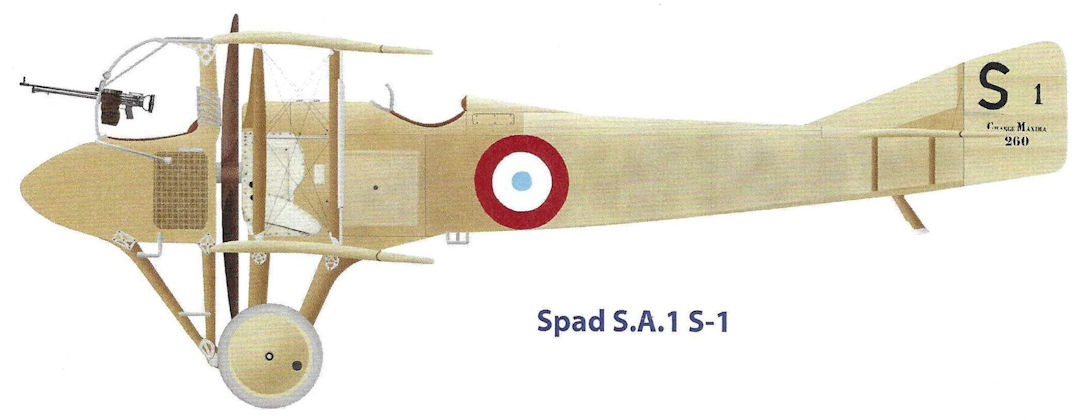
Spad S.A.1 S-1
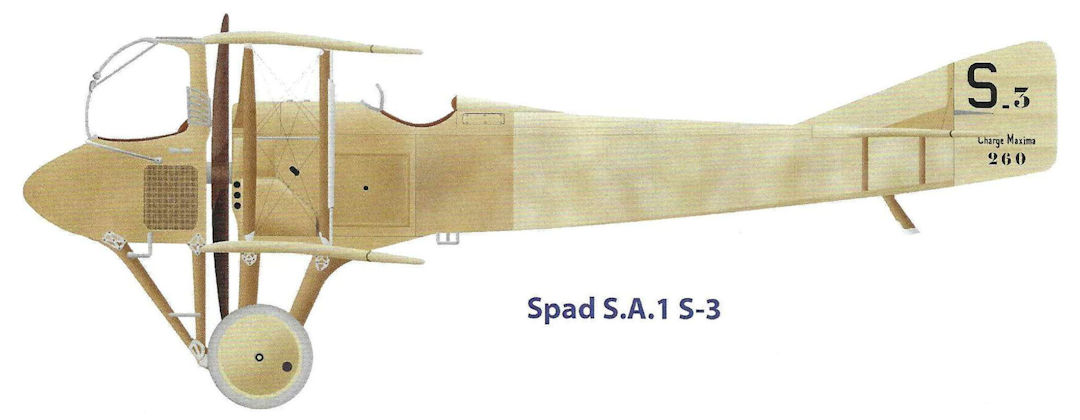
Spad S.A.1 S-3

Spad S.A.1 S-5

Spad S.A.1 S-9, Early markings
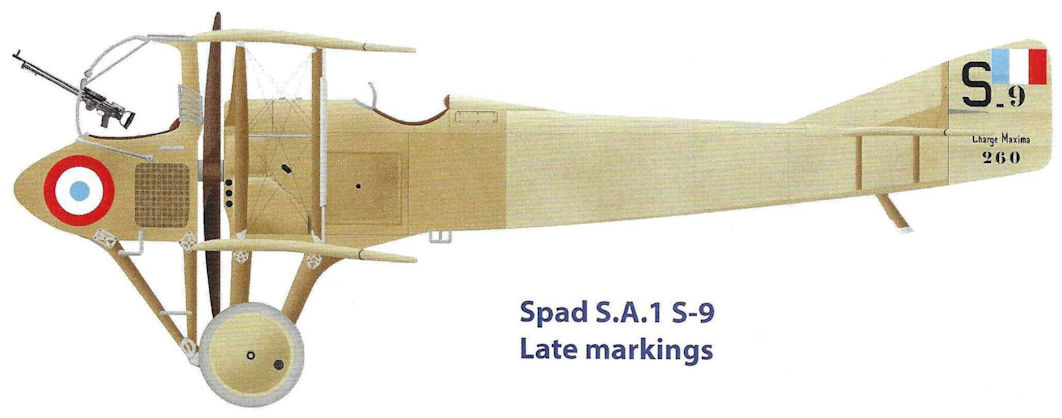
Spad S.A.1 S-9, Late markings
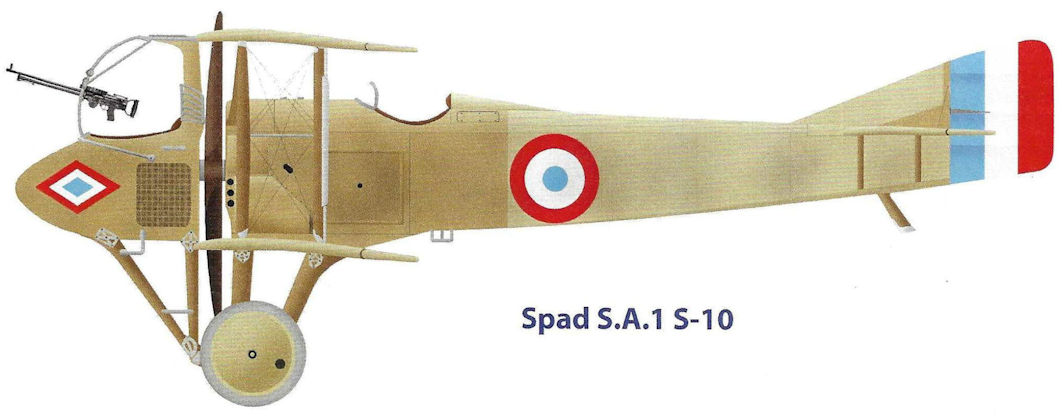
Spad S.A.1 S-10
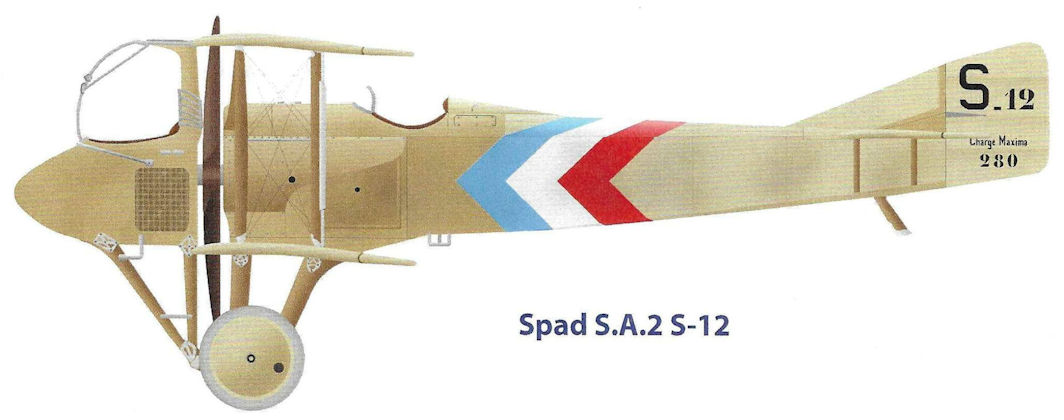
Spad S.A.1 S-12
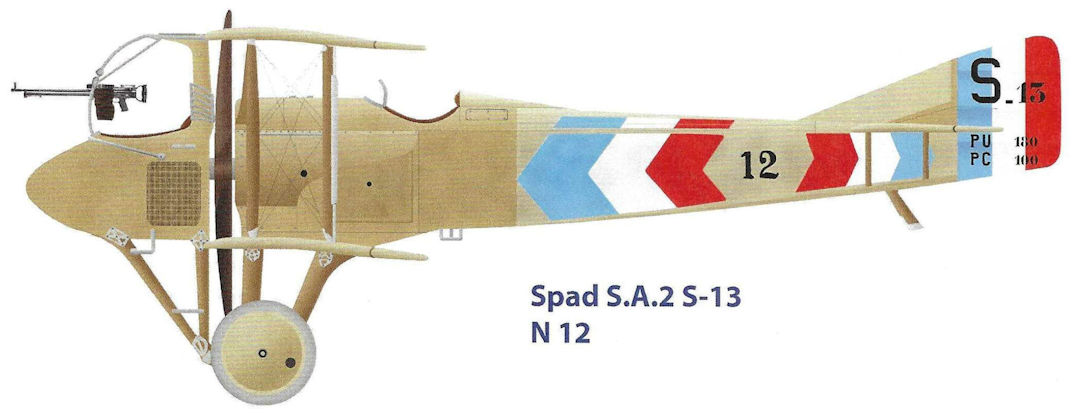
Spad S.A.1 S-13, N 12
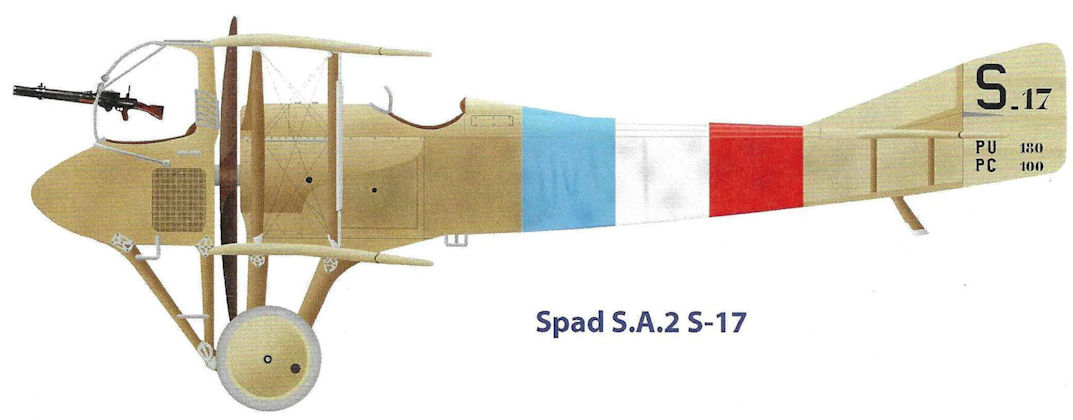
Spad S.A.2 S-17
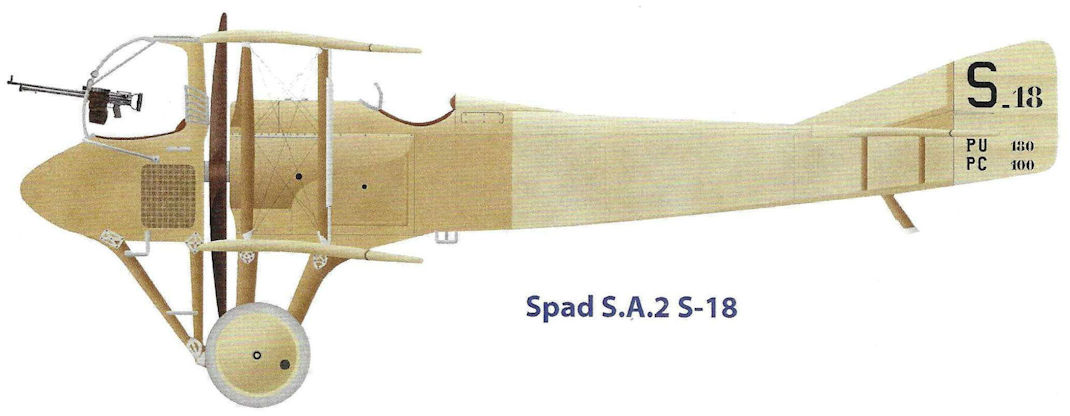
Spad S.A.2 S-18
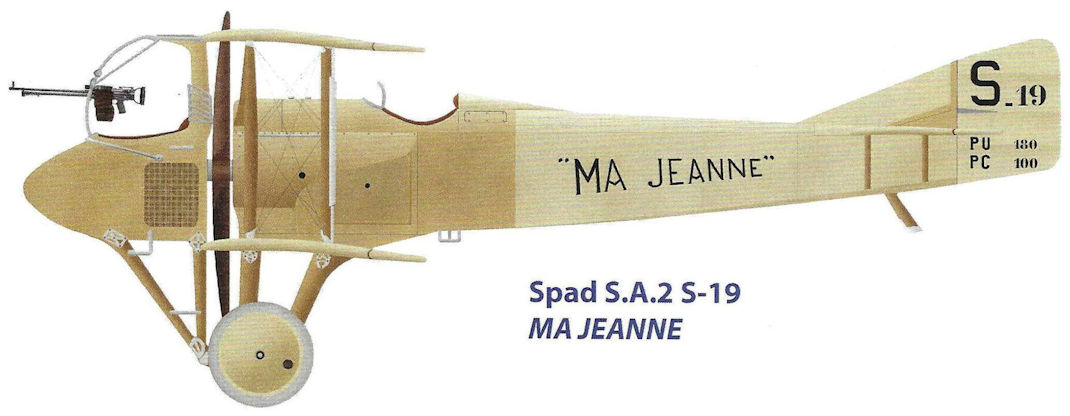
Spad S.A.2 S-19, MA JEANNE
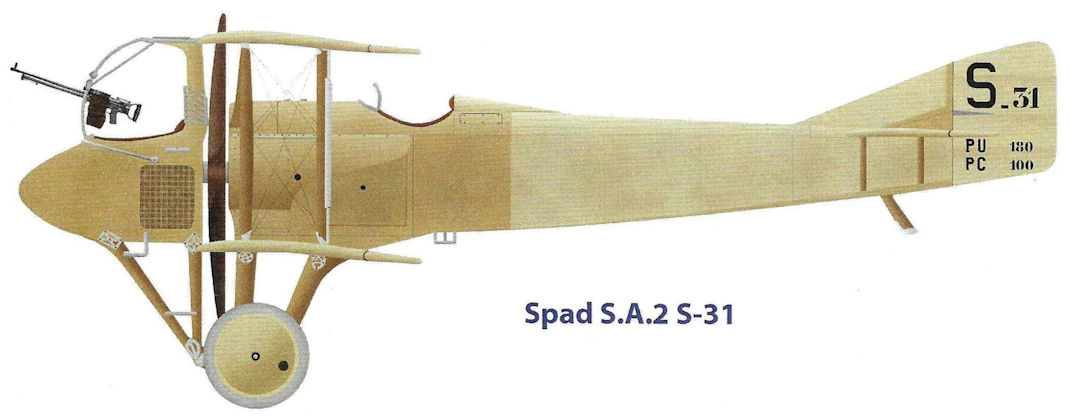
Spad S.A.2 S-31

Spad S.A.2
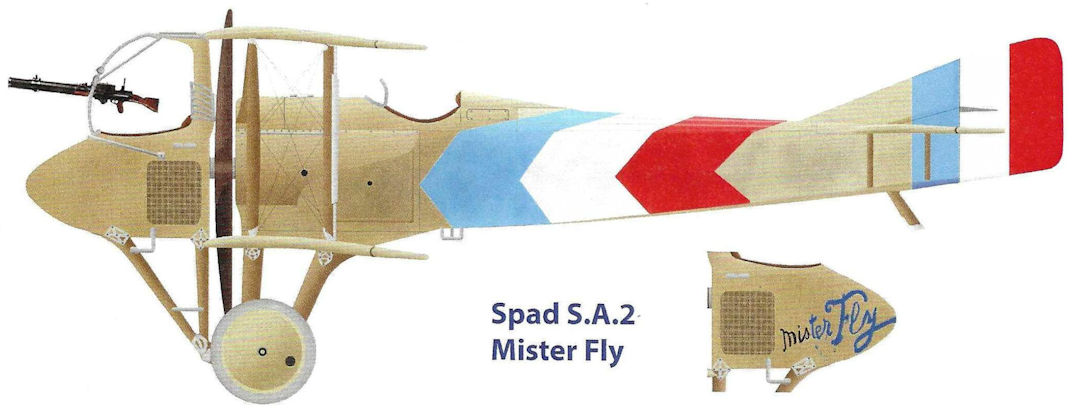
Spad S.A.2 Mister Fly
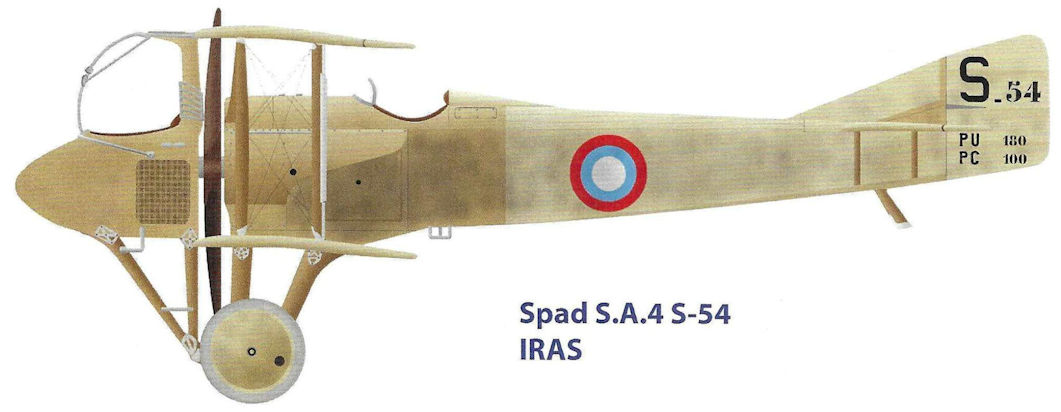
Spad S.A.4 S-54, IRAS

Spad S.A.4, 19th KAO, IRAS
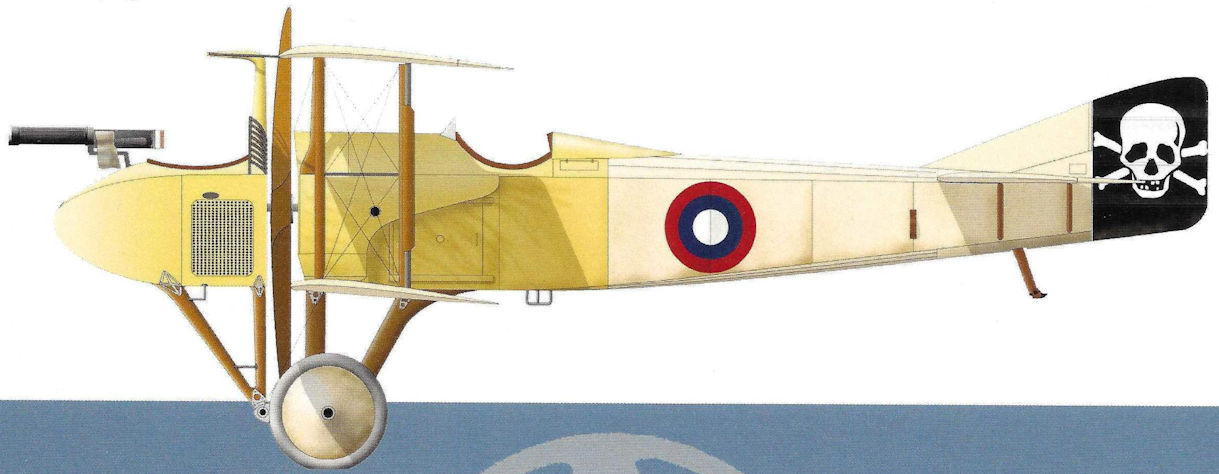

Spad S.A.4 S-97, IRAS
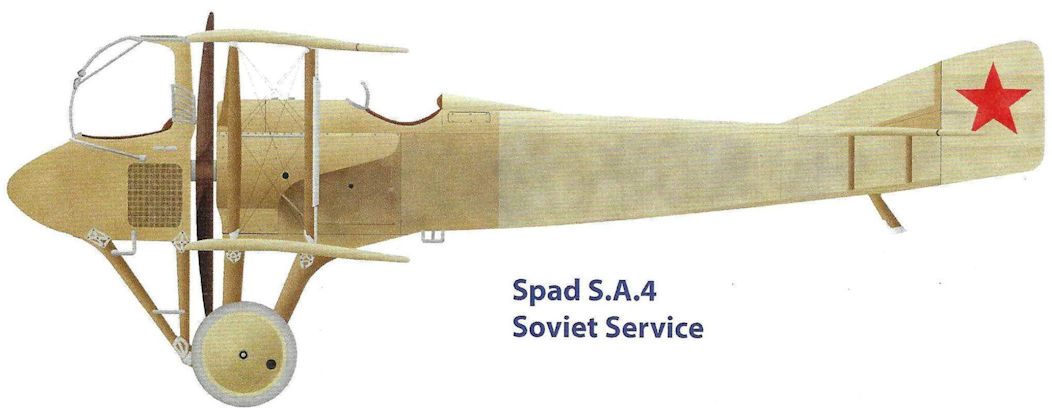
Spad S.A.4, Soviet Service
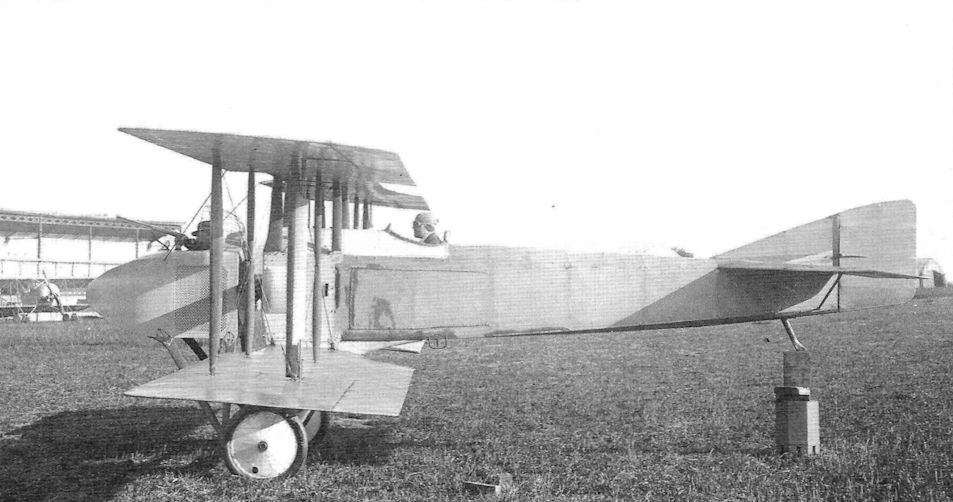
The Spad S.A.prototype at Buc in May-June 1915. The crew is test pilot Maurice Prevost and possibly Capitaine Pierra. (Musee de l'Air)
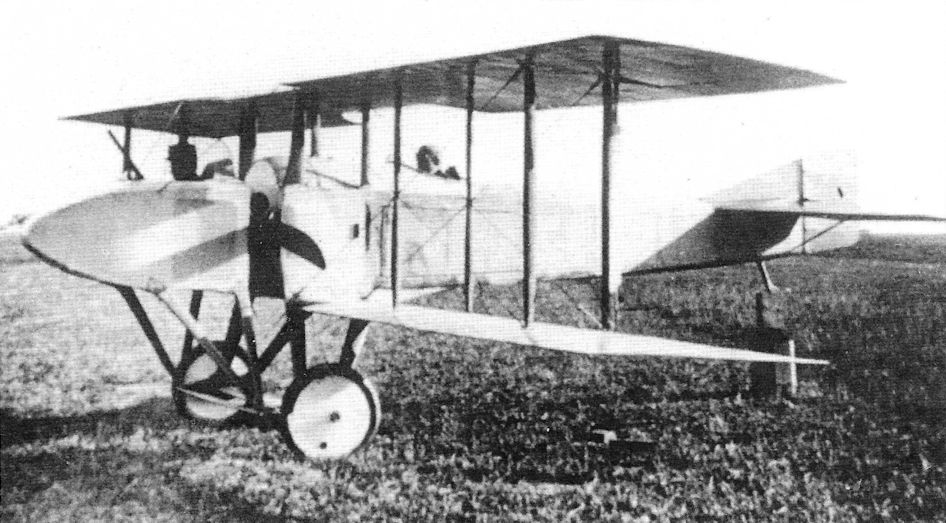
The Spad S.A.prototype at Buc in May-June 1915. No gun mount is installed; the officer is the nacelle is armed with a carbine. (Musee de l'Air)
Spad S.A.prototype fitted with flight test probes. In this early configuration there are no bracing cables from the wing to the gunner's nacelle. (Musee de l'Air)
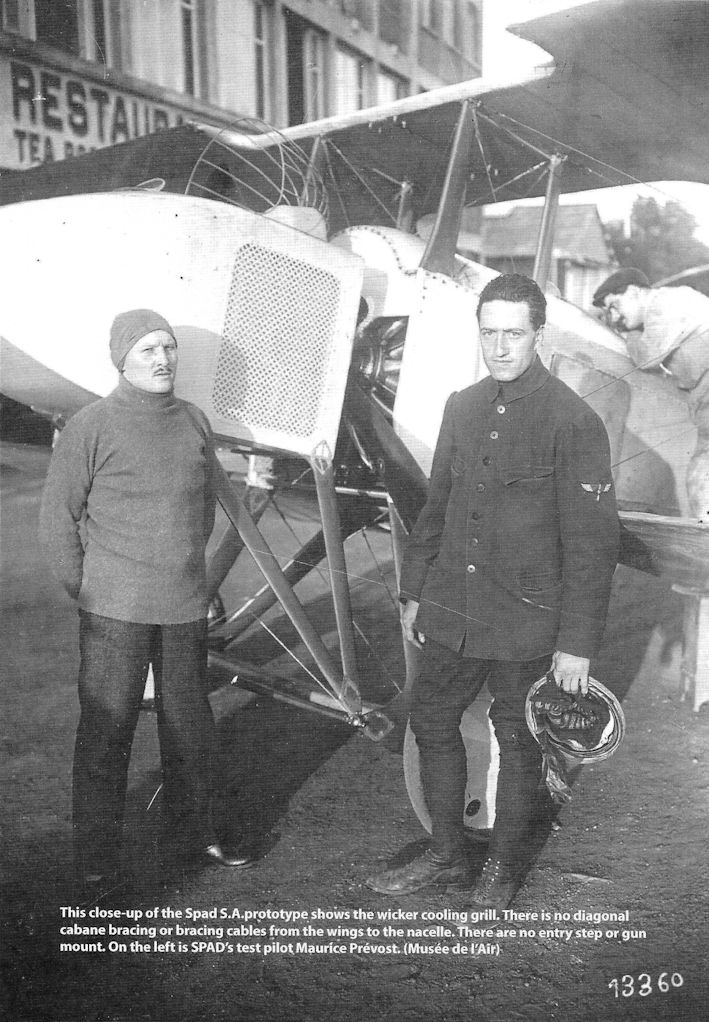
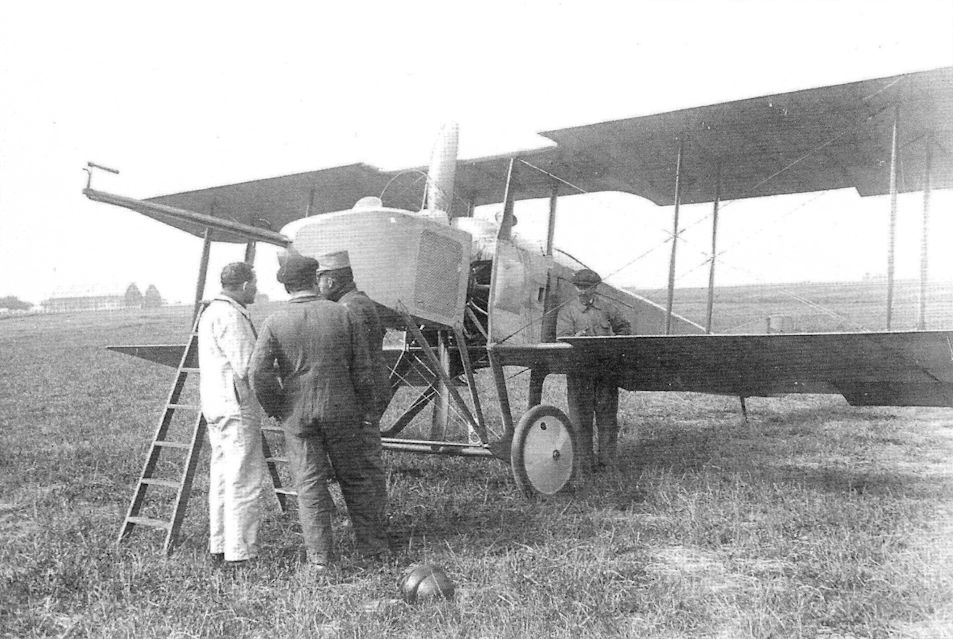
This close-up of the Spad S.A.prototype shows the wicker cooling grill. There is no diagonal cabane bracing or bracing cables from the wings to the nacelle. There are no entry step or gun mount. On the left is SPAD's test pilot Maurice Prevost. (Musee de l'Air)
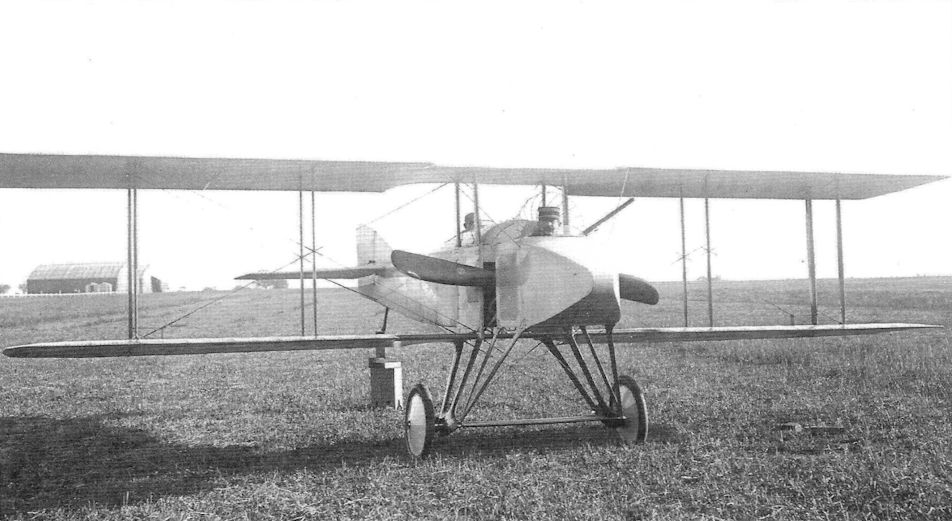
The Spad S.A.prototype at Buc in May-June 1915 during testing. The crew is test pilot Maurice Prevost and possibly Capitaine Pierra. (SHAA)
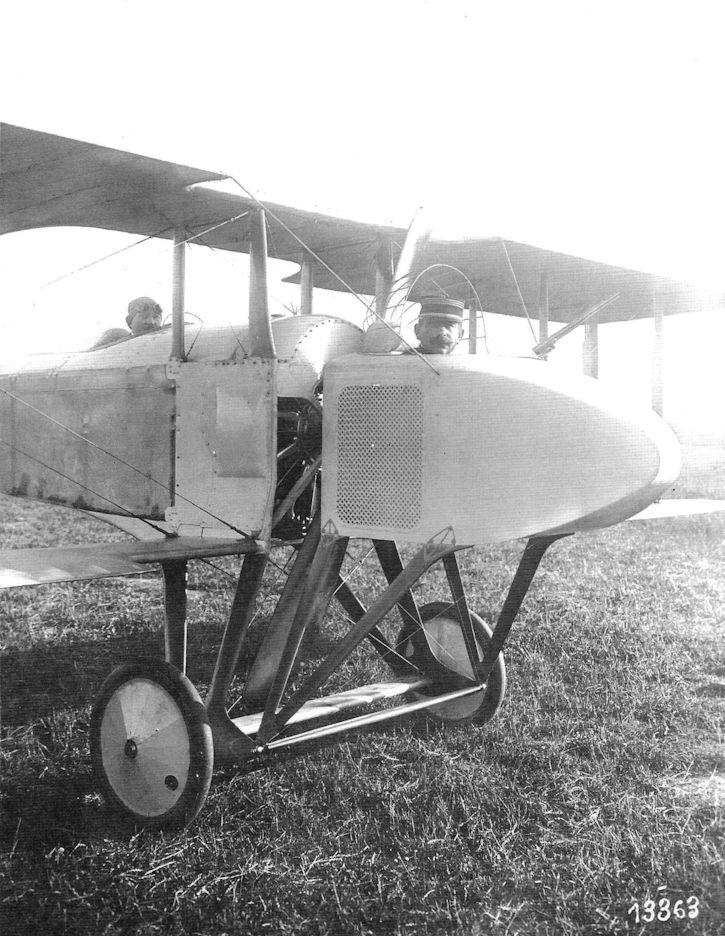
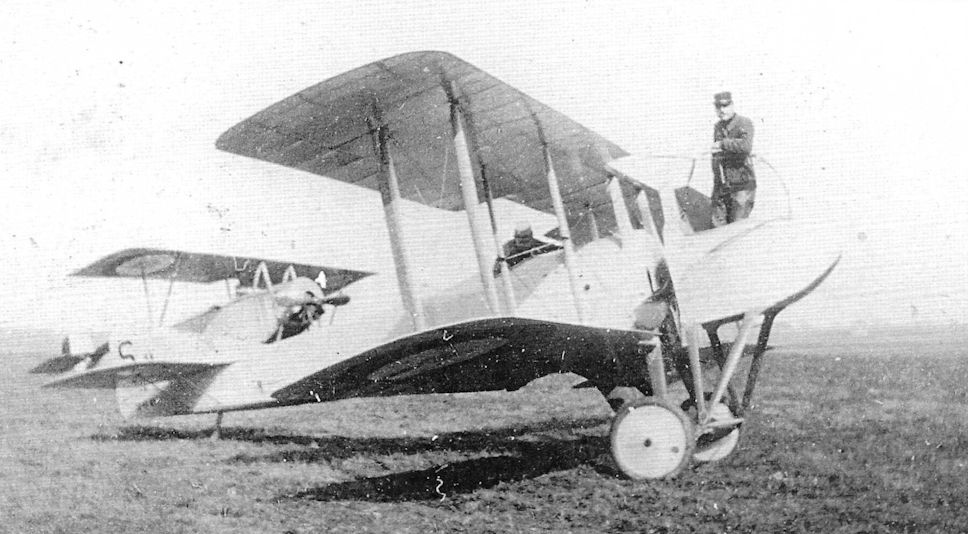
Near View of the "Front-gun" Spad A.2 fighter with the gunner in place. The position seems unenviable, despite the wire guard. A.2s and few later A.4s served briefly with French and Russian forces.
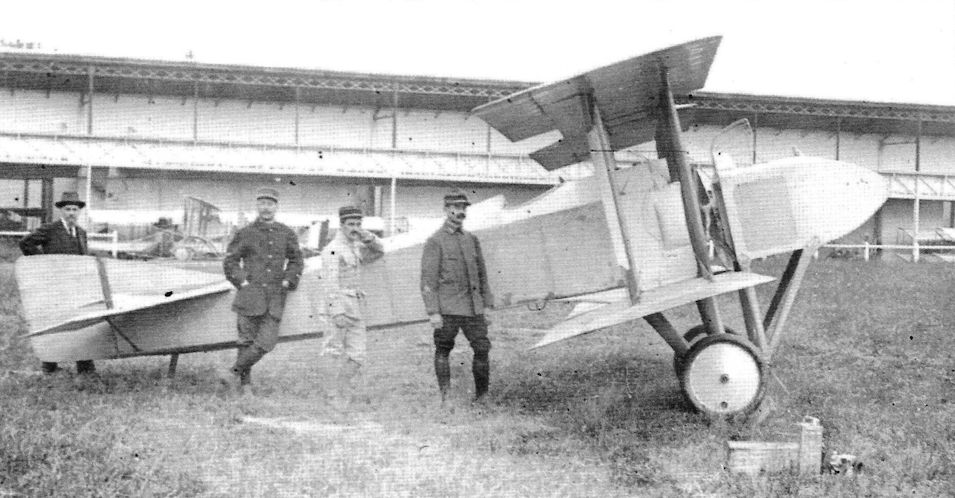
The Spad S.A.prototype at Buc in May-June 1915. There are no bracing cables from the upper wing to the nacelle, but there are windshields for both pilot and gunner. (Musee de l'Air)
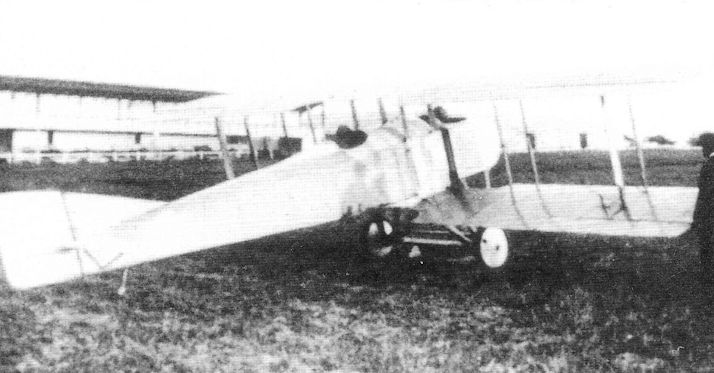
The Spad S.A.prototype at Buc in May-June 1915. The observer does not appear to be armed. (Musee de l'Air)
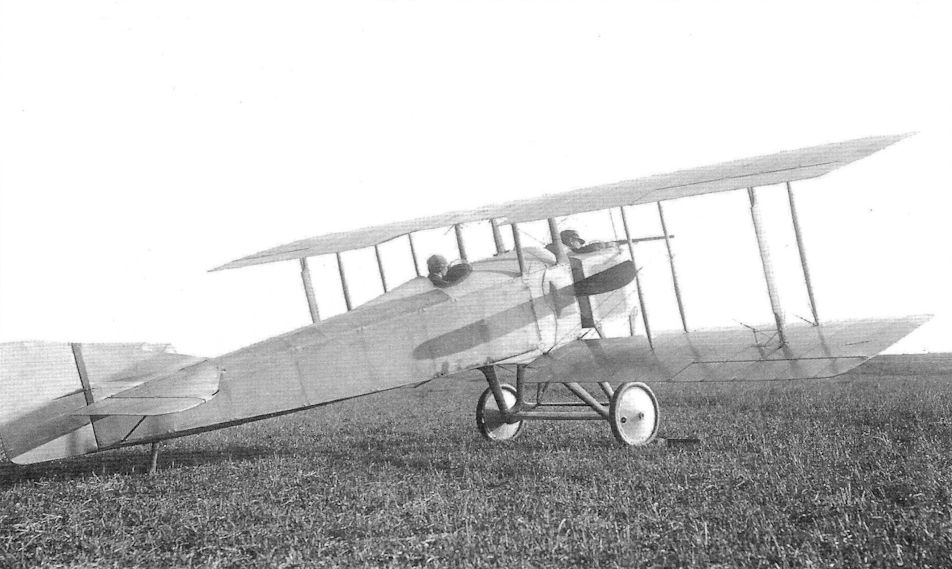
The Spad S.A.prototype at Buc in May-June 1915 during testing. The crew is test pilot Maurice Prevost and possibly Capitaine Pierra. (Musee de l'Air)
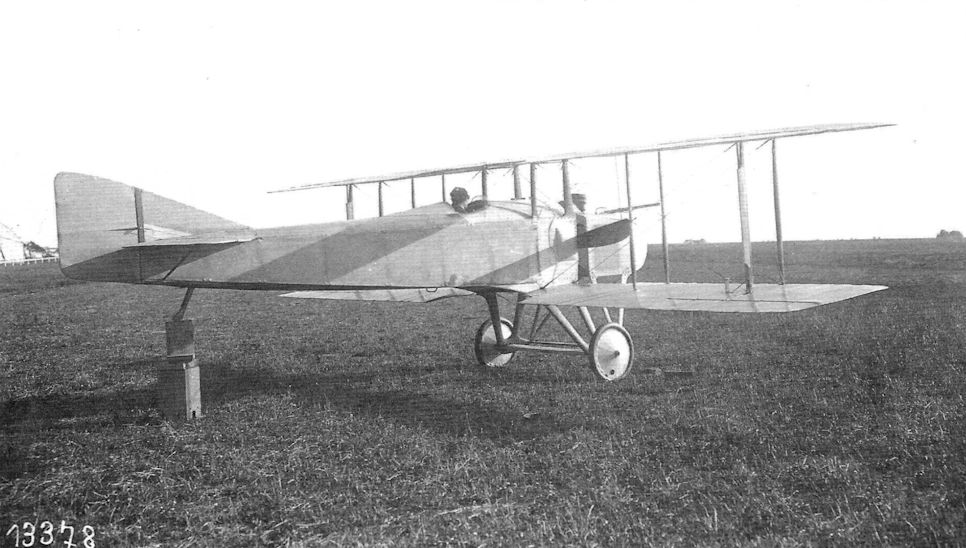
The Spad A prototype with crewmen.
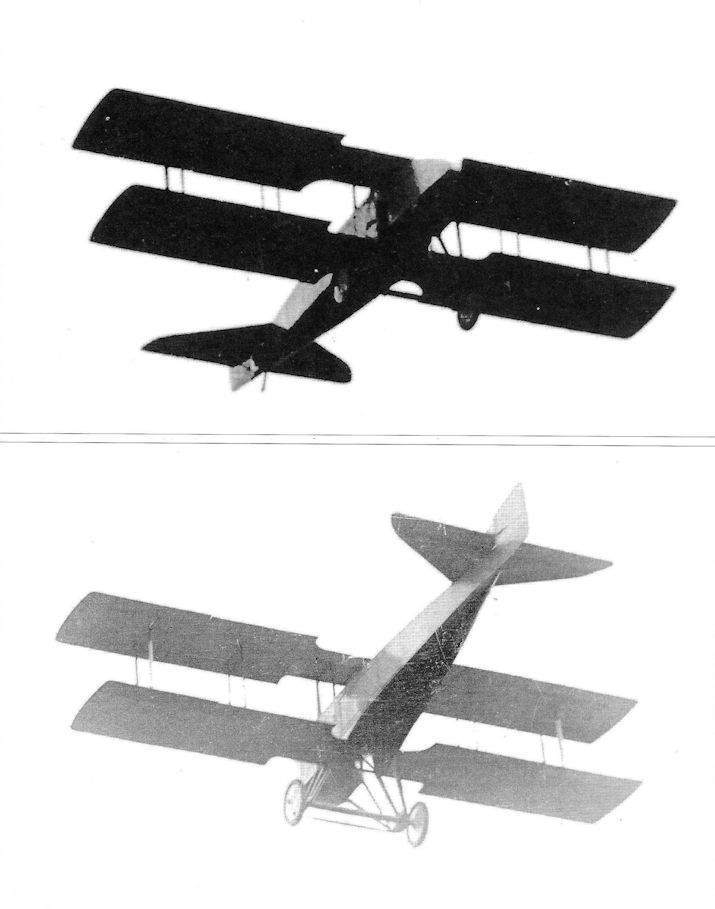
The Spad S.A.prototype in flight at Buc in May-June 1915. The crew is test pilot Maurice Prevost and possibly Capitaine Pierra. (Upper photo: SHAA, lower photo: Musee de l'Air)
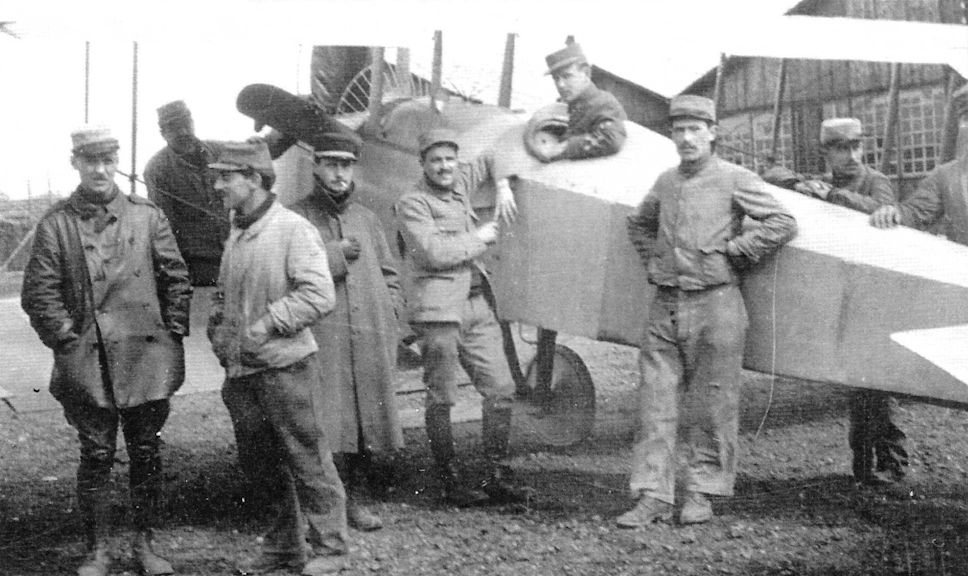
The Spad S.A.prototype is the center of a lot of attention. (Musee de l'Air)

The Spad S.A. prototype with standard gunner's nacelle showing how the nacelle folded forward for engine maintenance. The engine is an 80 hp Le Rhone rotary. (Musee de l'Air)
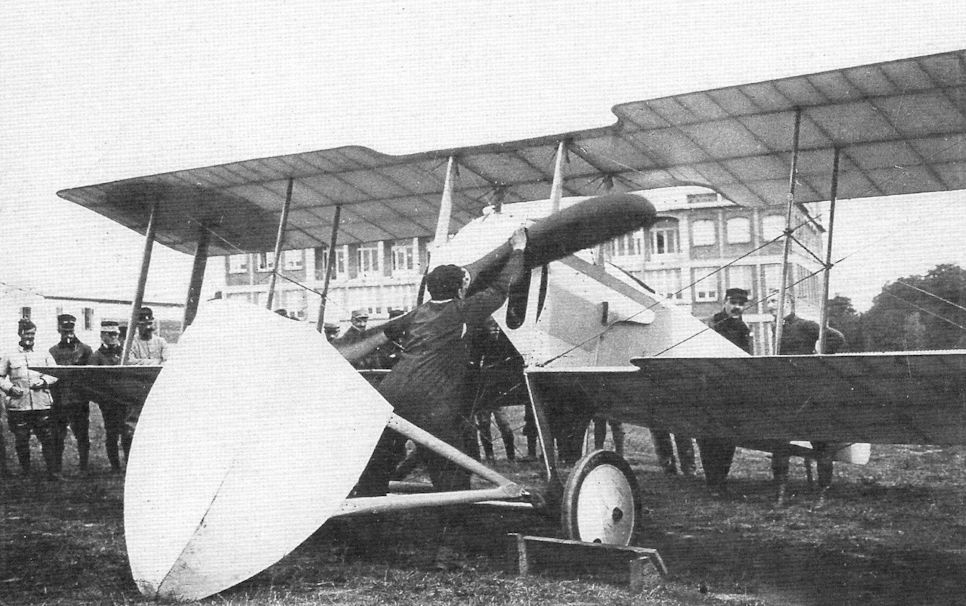
The Spad S.A. prototype fitted with a pulpit without gunner's position. The cooling vents have been enlarged also. (Jean-Amigues)
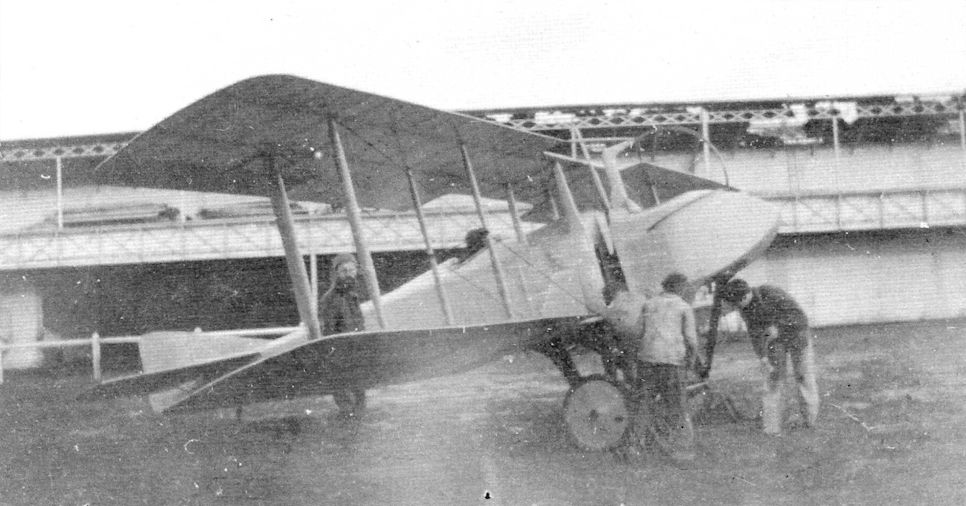
The Spad S.A. prototype in March 1916. The horizontal stabilizers are original, but otherwise the aircraft has been modified into the production S.A.1 configuration. (Musee de l'Air)
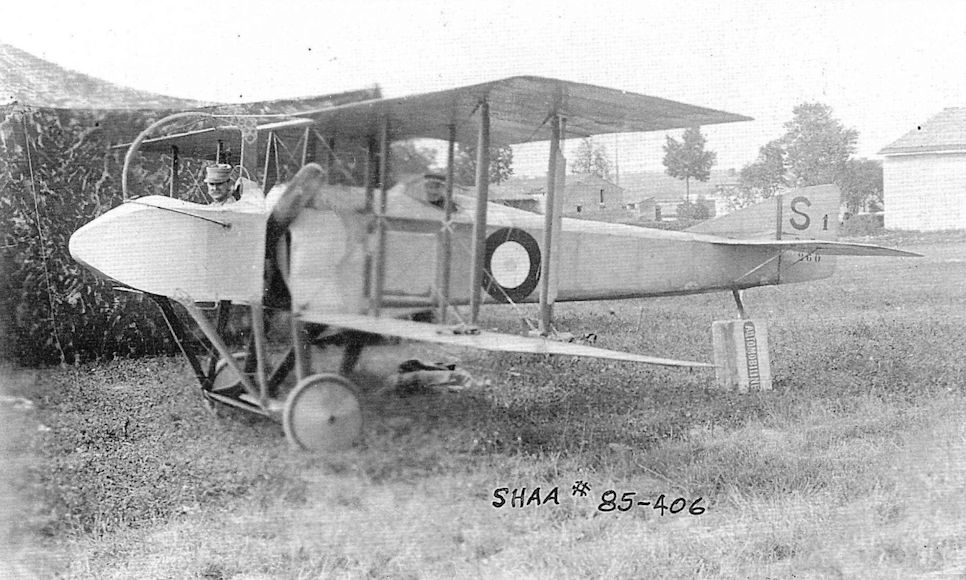
S-1 was the first production example of the Spad S.A.1 but was not quite the final design. The steel fitting at the top of the pylon differs from the production standard and the three holes at the front of the fuselage seen on later production S.A.1 aircraft are not present. The cover over the engine resembles the prototype more than the production S.A.1. This aircraft was sent to MS 23 at Chalons-en-Champagne in the summer of 1915. The pilot is Capitaine Maurice Schlumberger and the gunner is Capitaine Max Bousche. (SHAA)

Capitaine Maurice Schlumberger posing in front of S-1. He had a great deal to do with the development of the S.A.1. Unfortunately, he was KIA in S.A.1 S-10 near Aure on 22 November 1915. (SHAA)
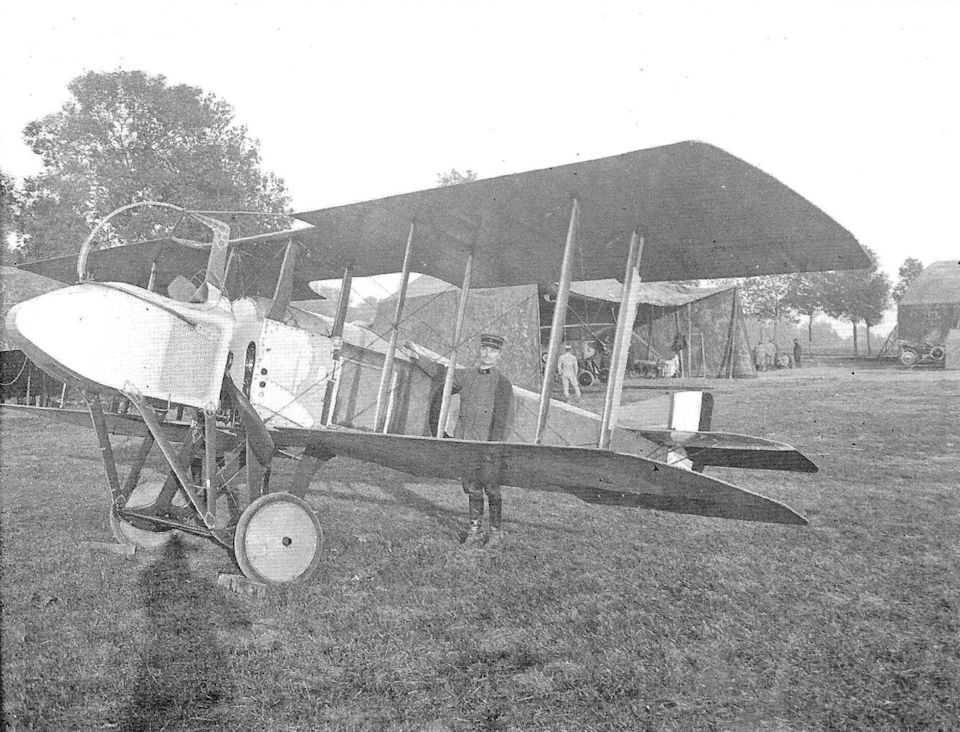
S.A.1 S-1. (SHAA)
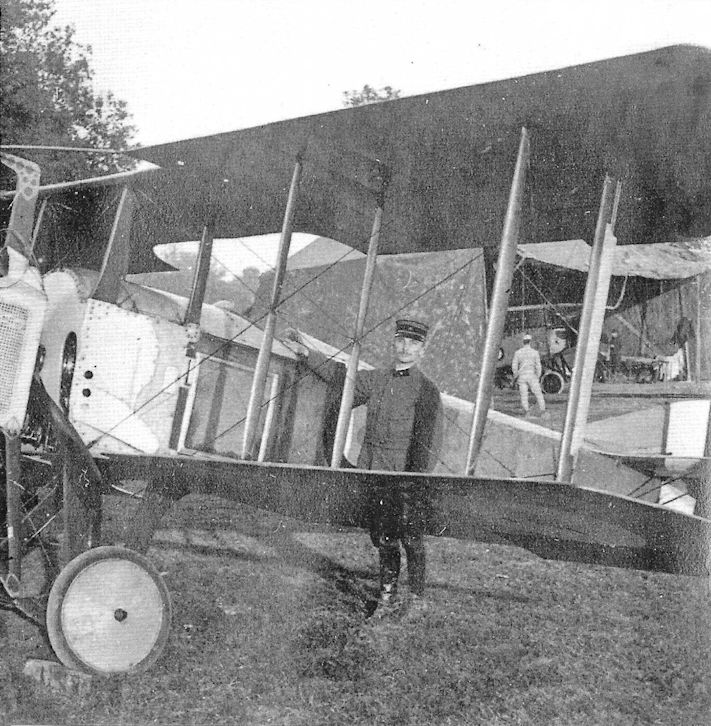
S.A.1 S-1. (SHAA)
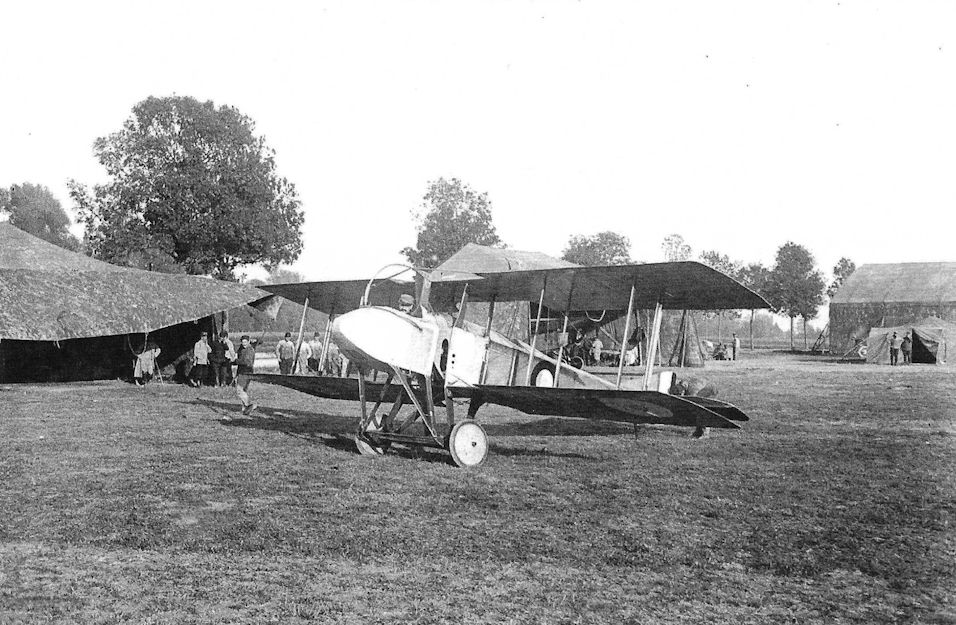
S.A.1 S-1. (SHAA)
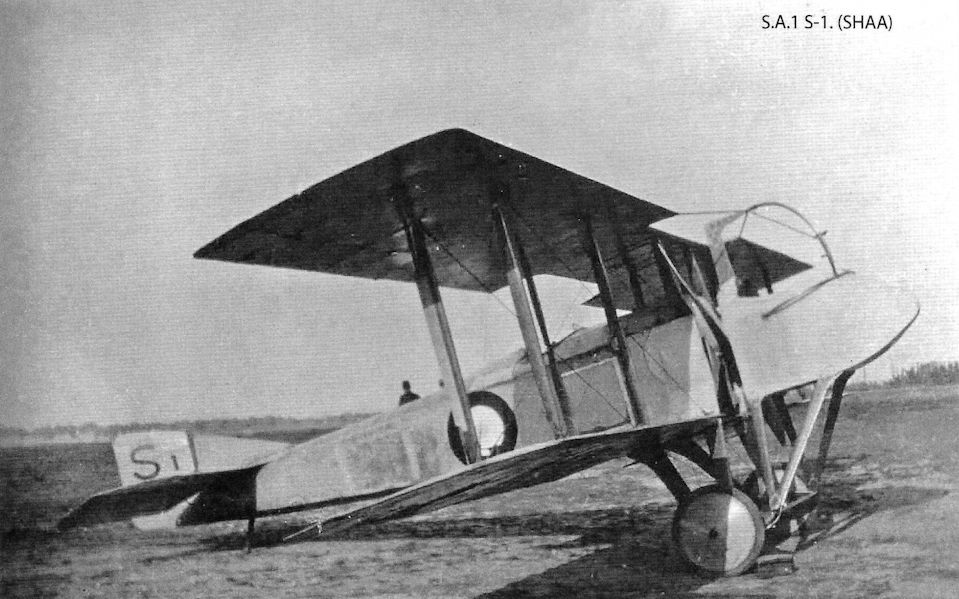
S.A.1 S-1. (SHAA)
S.A.1 S-1. (SHAA)
Aft view of S-1. (SHAA)
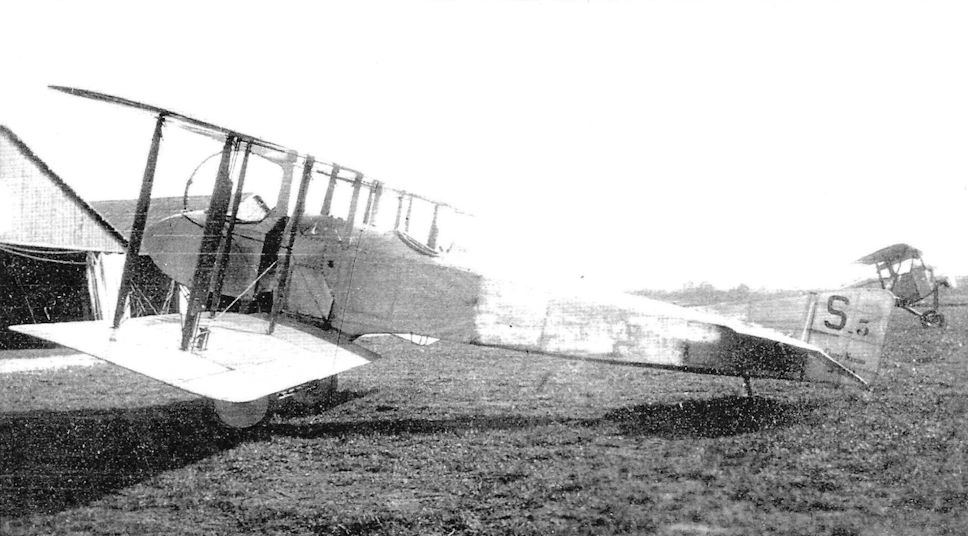
Cadet pilot Jacques Roques at the School of Aviation at Pau photographed in S-3 in August 1916, where is was being used as a trainer. The aircraft appears well used since the fabric looks ragged. (SHAA)
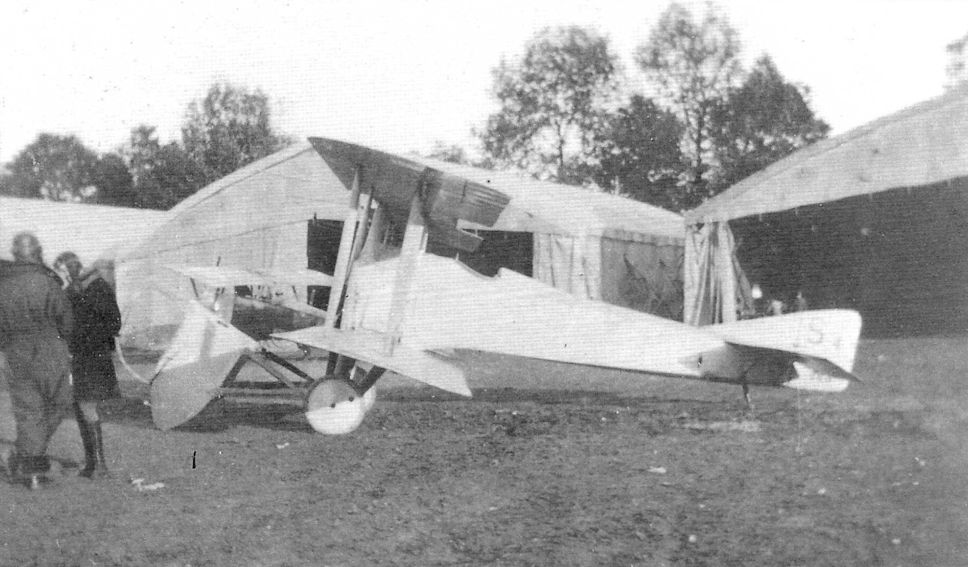
SPAD SA.1 at the R.G.A. The front cockpit could be lowered to service or start the engine.
SA.1 S-4 undergoing maintenance. (SHAA)
SA.1 S-4 undergoing maintenance. (SHAA)
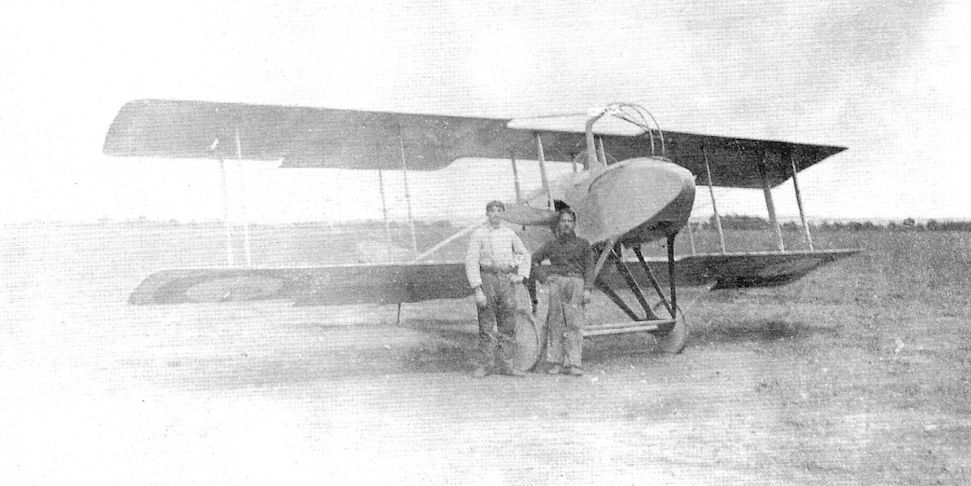
Probably S-4, a Spad S.A.1 that has apparently been modified with larger side ducts and a double-tube machine gun mount. (SHAA)
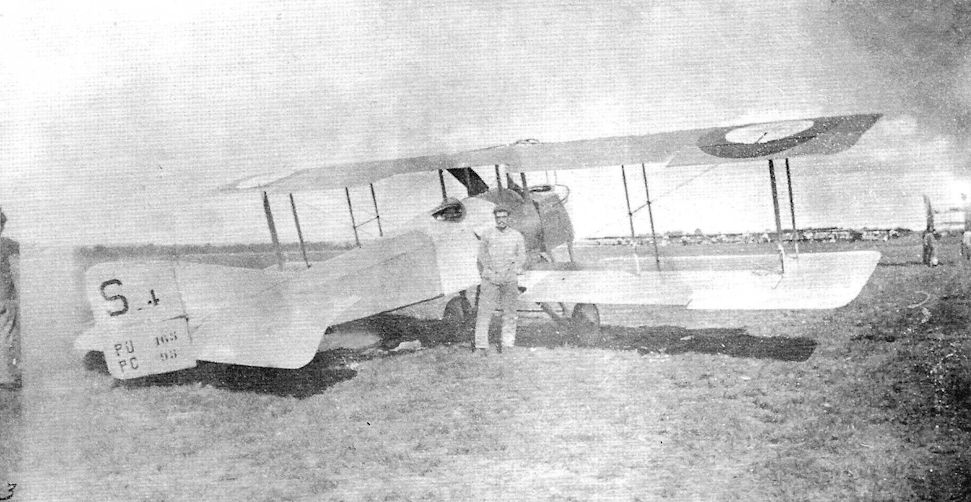
SFA number S-4, a production S.A.1.
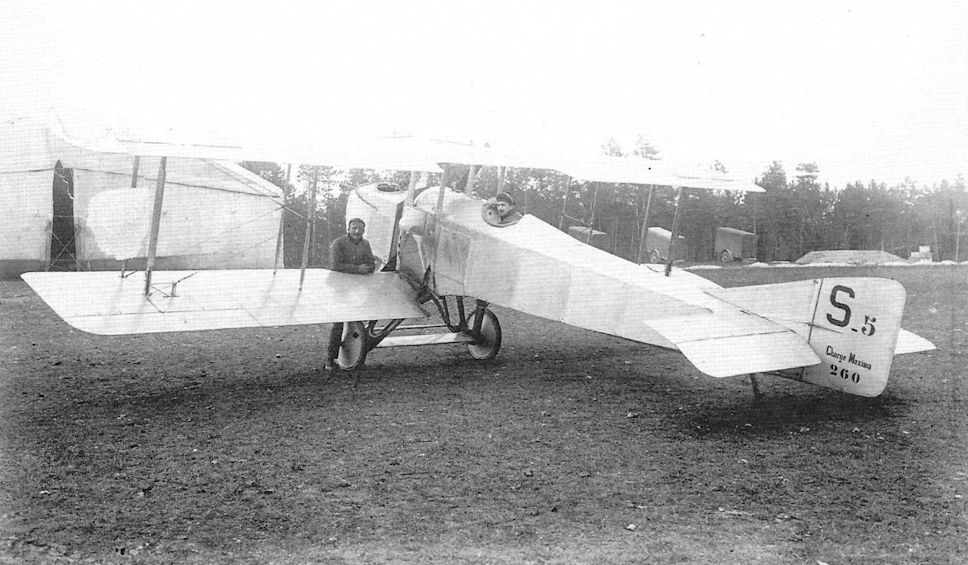
SFA number S-5 a production SA.1.
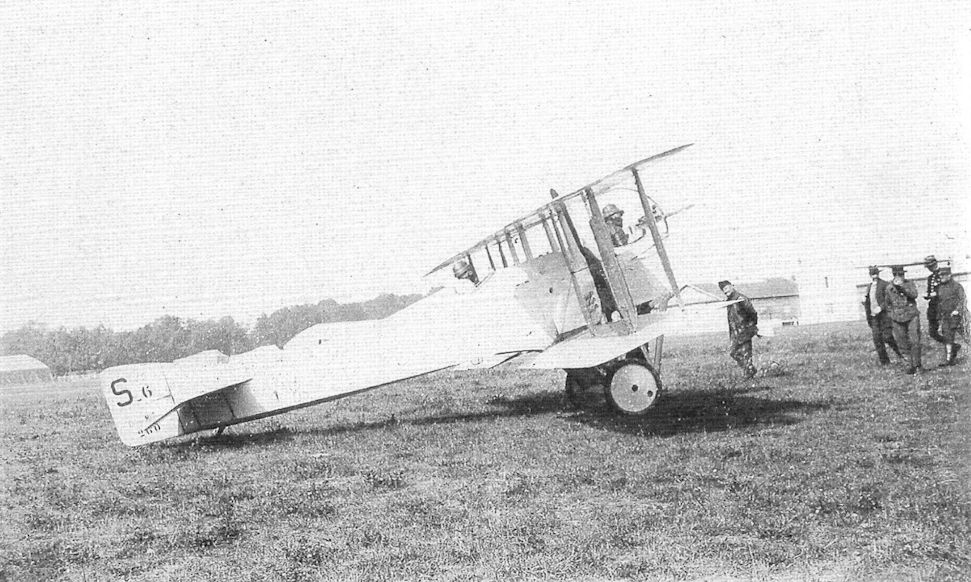
Spad S.A.1 S-6. (Jean-Amigues)
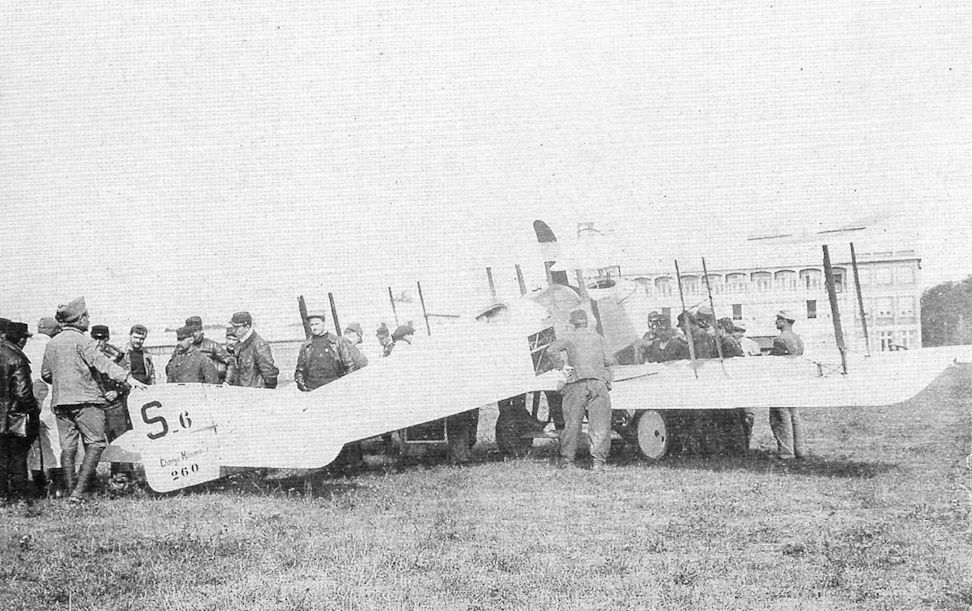
Spad S.A.1 S-6. (Jean-Amigues)
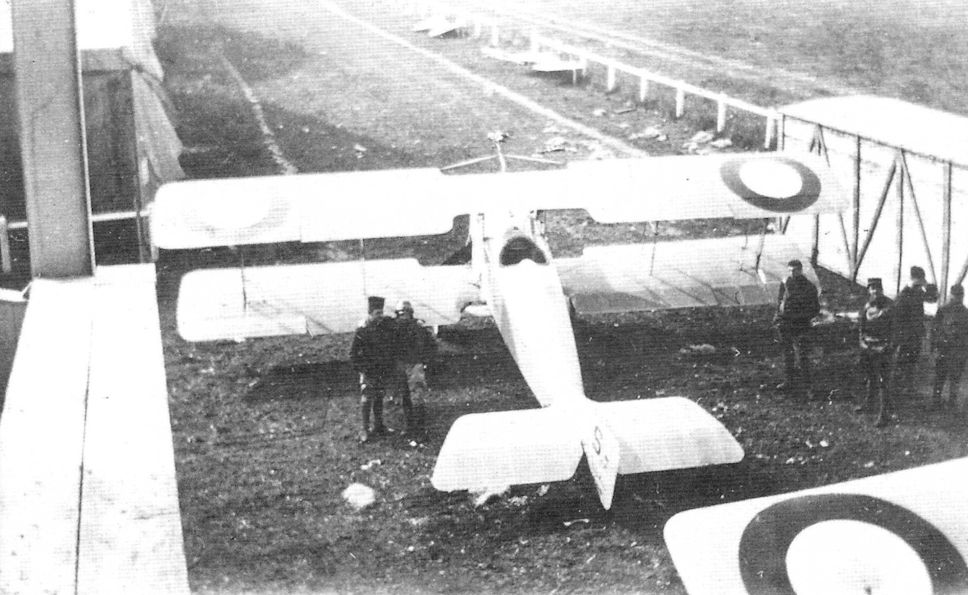
S-7, a production Spad S.A.1, being delivered at Buc in September 1915. (SHAA)
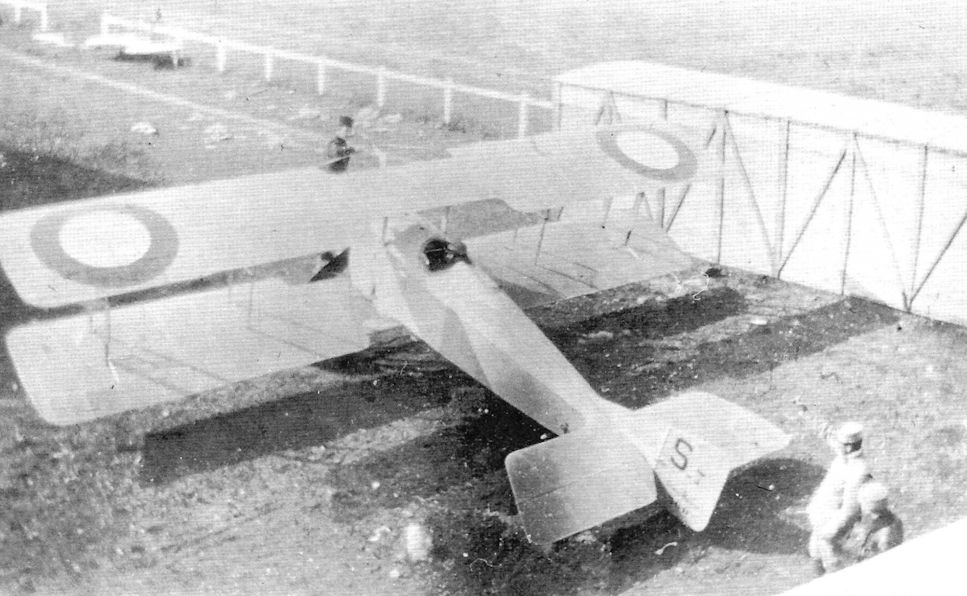
S-7, a production Spad S.A.1, being delivered at Buc in September 1915 (SHAA)
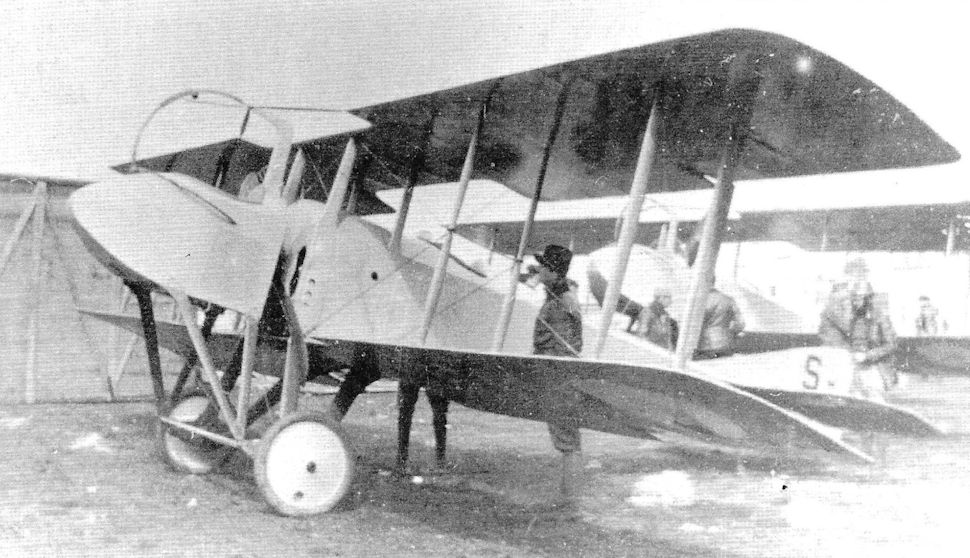
S-7. Note there is no incidence bracing between the interplane false struts of S-9. (SHAA)
S-9 of Capitaine Brocard next to a single-seat Nieuport 10 (with 110 hp special) of Sergeant Georges Guynemer (probably N436) with over-wing gun at N 3, winter 1915–1916. Note there is no incidence bracing between the interplane false struts of S-9. (SHAA)
This appears to be Capitaine Brocard's SA.1 S-9 with Guynemer's single-seat Nieuport 10 in the background. (SHAA)
Spad S.A.1 S-9 from Escadrille N-3 nest to the Nieuport 11 prototype (N-402). (SHAA)
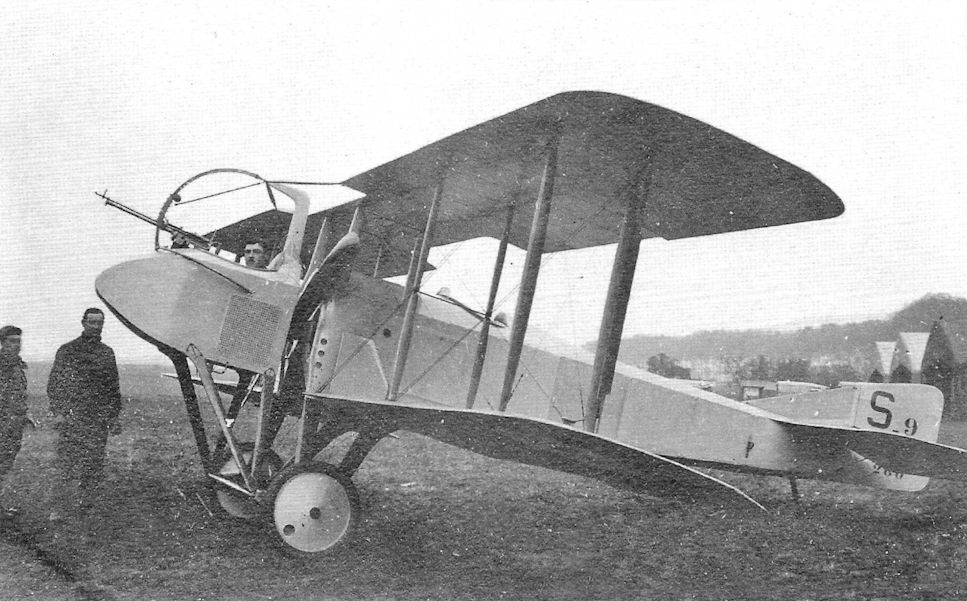
S-9 of Capitaine Brocard, winter 1915–1916. (SHAA)
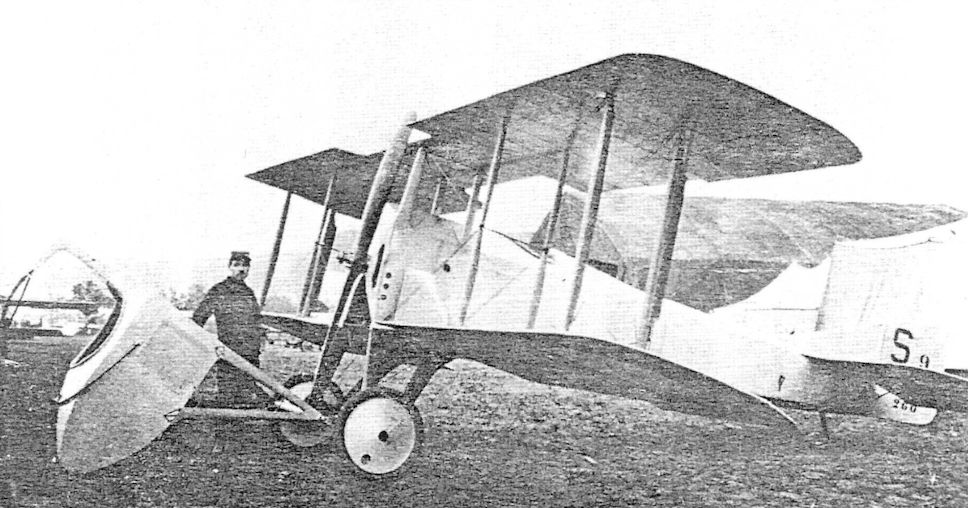
S-9 of Capitaine Brocard, winter 1915-1916. Note there is no incidence bracing between the interplane false struts of S-9. (SHAA)
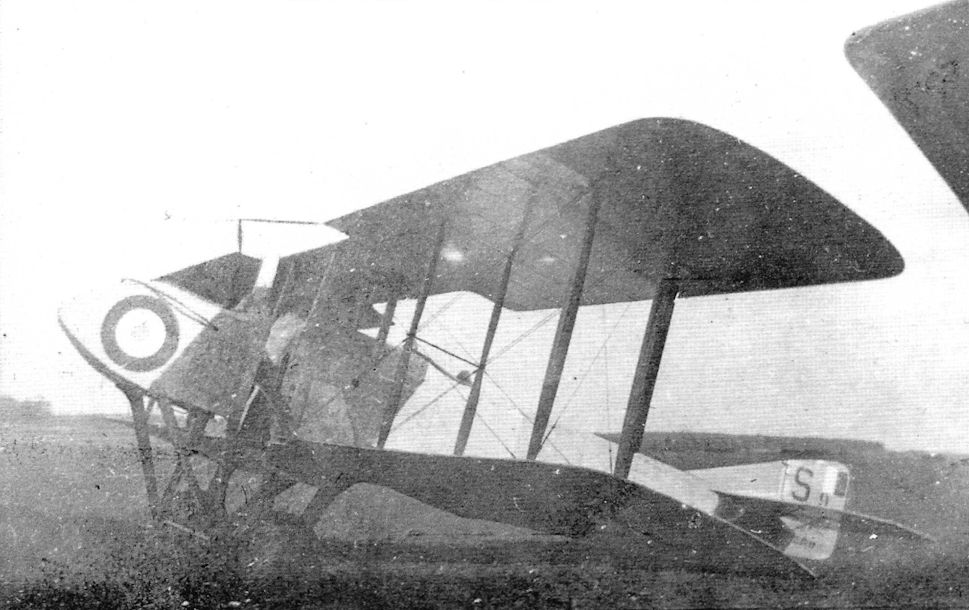
S.A.1 S-9 from escadrille N-3, wearing late markings - a little tricolor flag on the tail, and a cockade on nacelle. (SHAA)
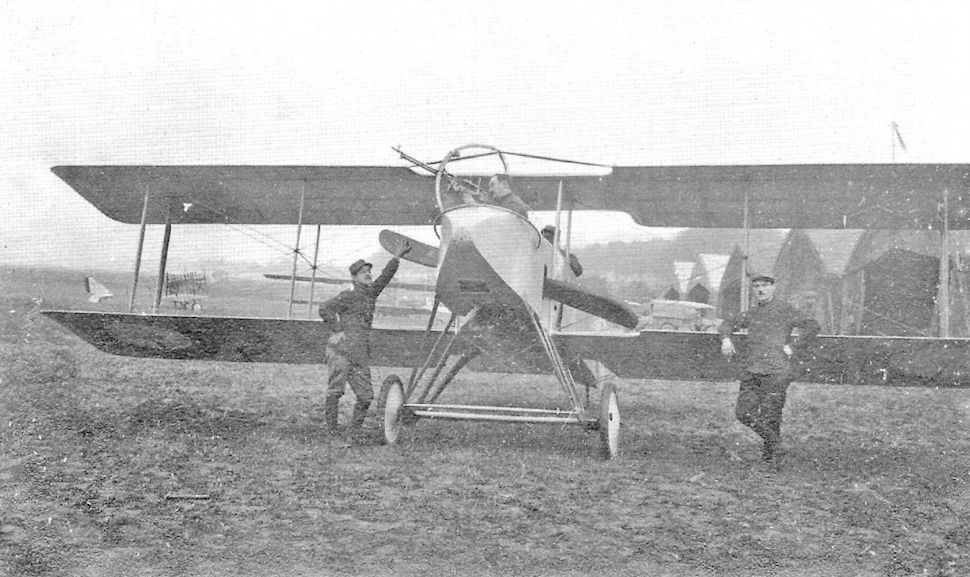
Spad S.A.1 S-9 from Escadrille N-3 next to the Nieuport 11 prototype (N-402). (SHAA)
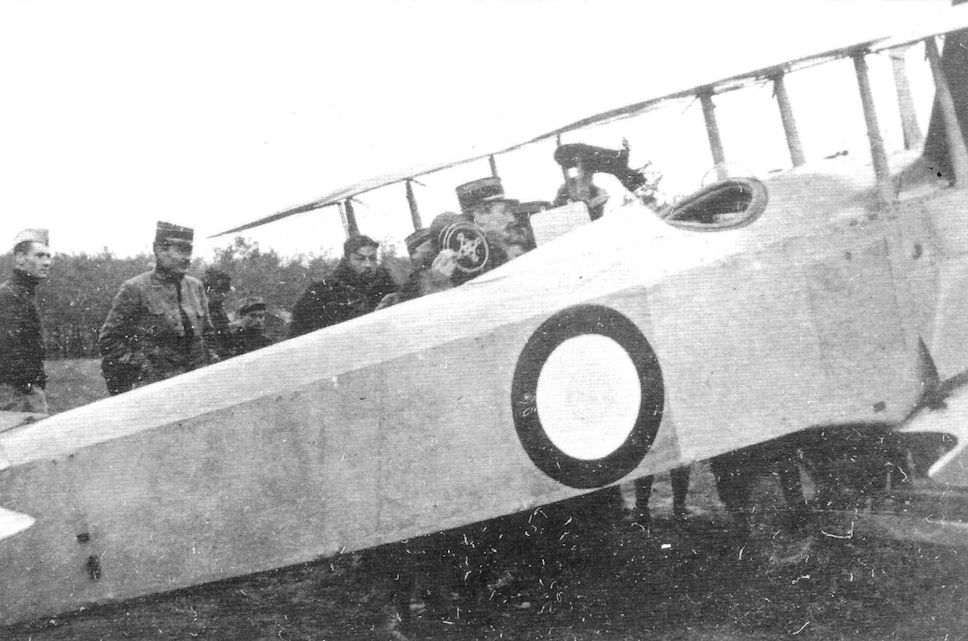
S-9 from escadrille N-3, during winter 1915-1916. (SHAA)
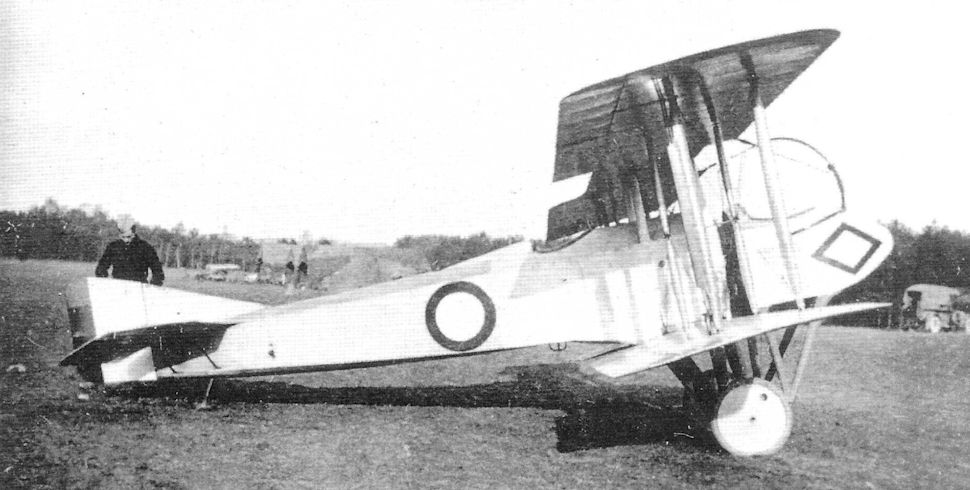
Probably S-10, a production Spad S.A.1, of Capitaine Maurice Schlumberger. The gun mounts is pointed to the right, indicating the centering springs were overridden. This aircraft was assigned to N 23 at the end of 1915. The SFA number of the rudder has been painted over. The diamond marking on the nacelle is red, white, and blue, the blue being a center diamond washed out in these images. (SHAA)
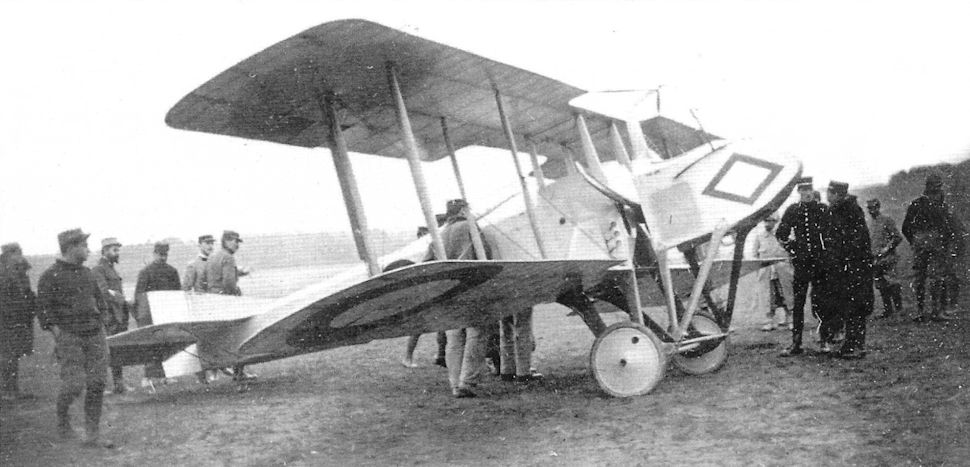
Probably S-10, a production Spad S.A.1, of Capitaine Maurice Schlumberger, the tall officer in the center wearing a kepi. French soldiers removing things out of the left baggage compartment.
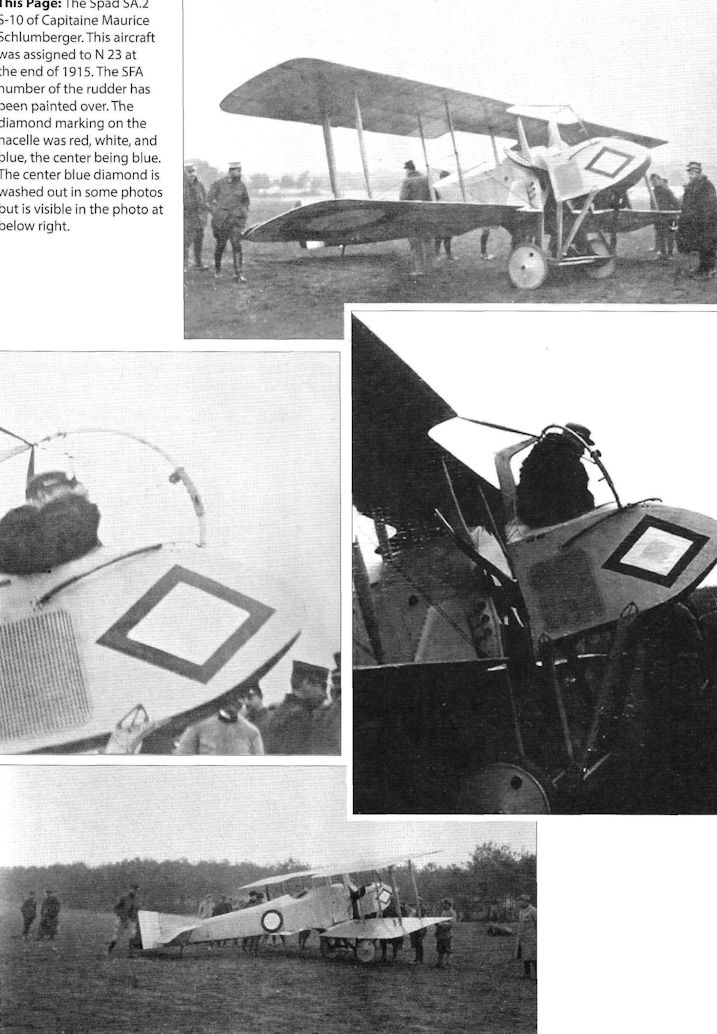
The Spad SA.2 S-10 of Capitaine Maurice Schlumberger. This aircraft was assigned to N 23 at the end of 1915. The SFA number of the rudder has been painted over. The diamond marking on the nacelle was red, white, and blue, the center being blue. The center blue diamond is washed out in some photos but is visible in the photo at centre right.
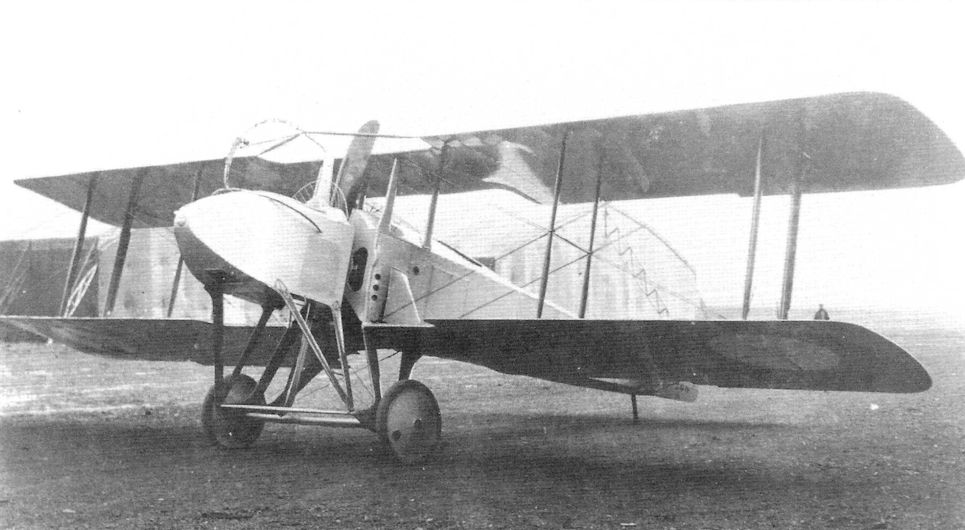
An S.A.1 possibly photographed at the R.G.A. at Bourget-Dungny.
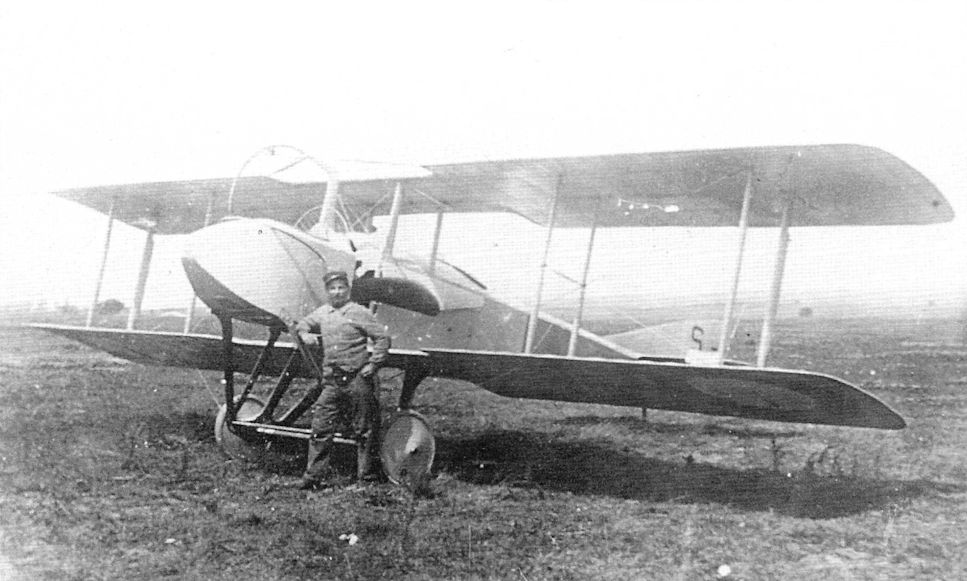
Pilot posting with an S.A.1. The document attached to the left wing may indicate delivery of a new airplane, (SHAA)
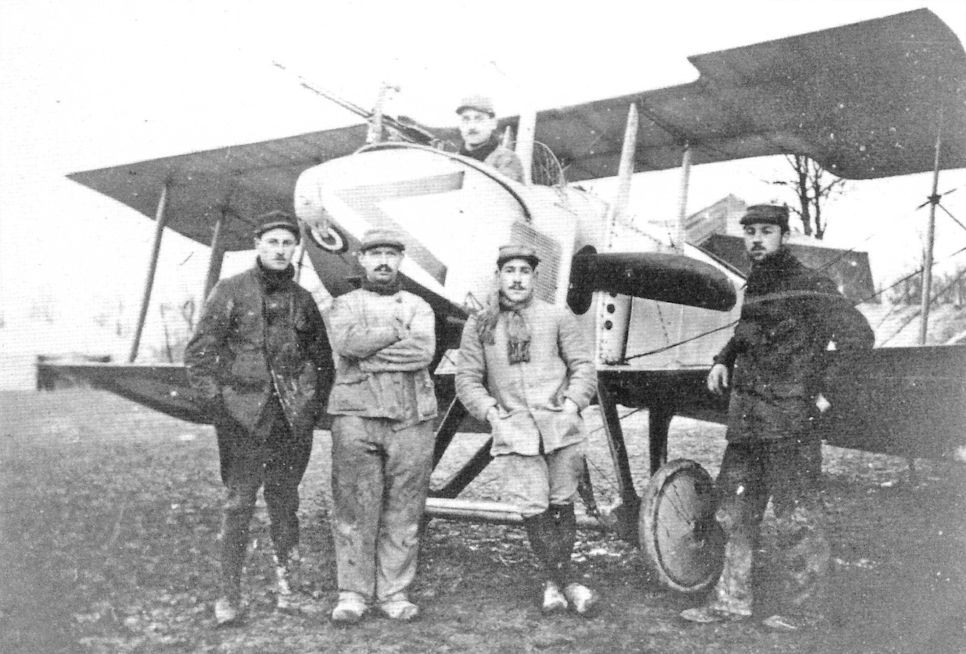
S.A.1 from escadrille N-23 during January 1916. (David Mechin)
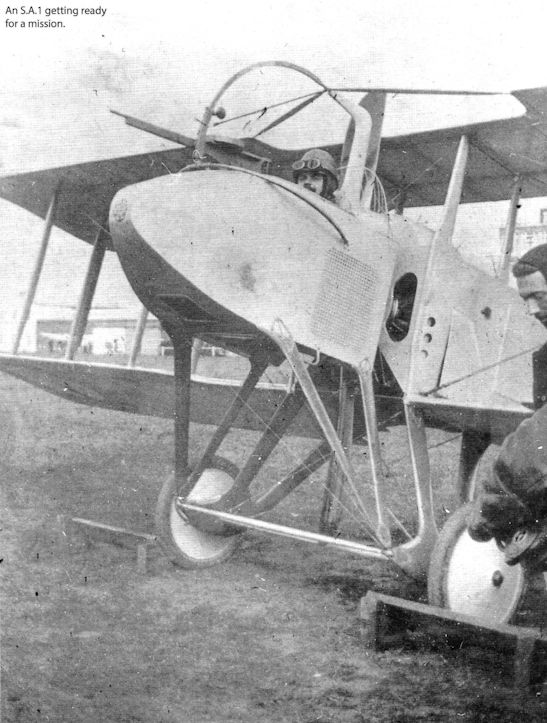
An S.A.1 getting ready for a mission.
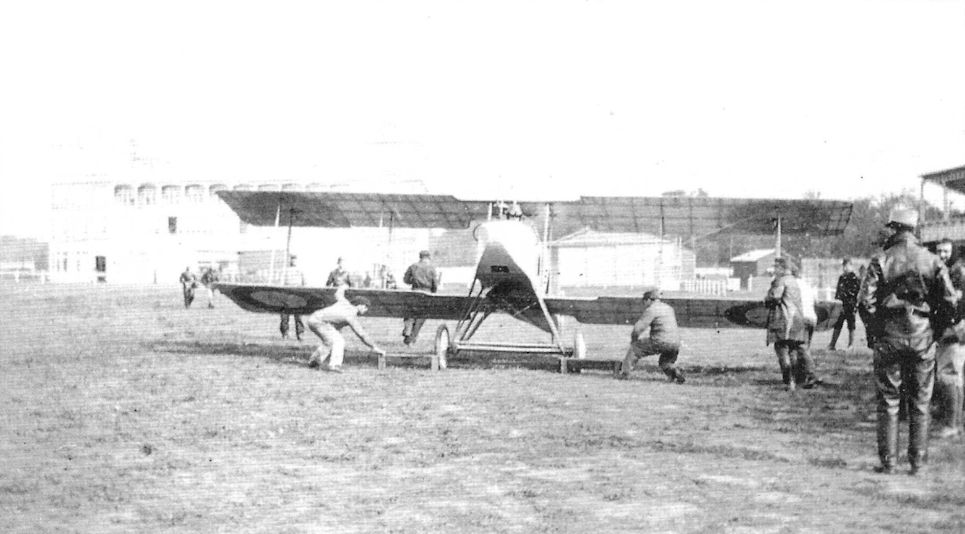
S.A.1 being prepared for flight. (SHAA)
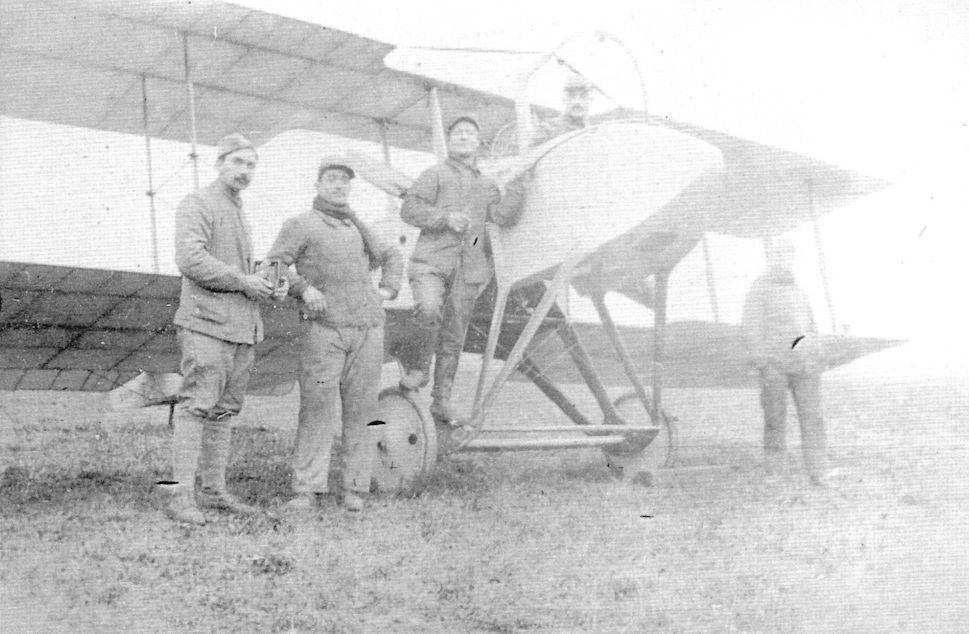
S.A.1 with ground crew. (SHAA)

An S.A.1. (Jean-Amigues)
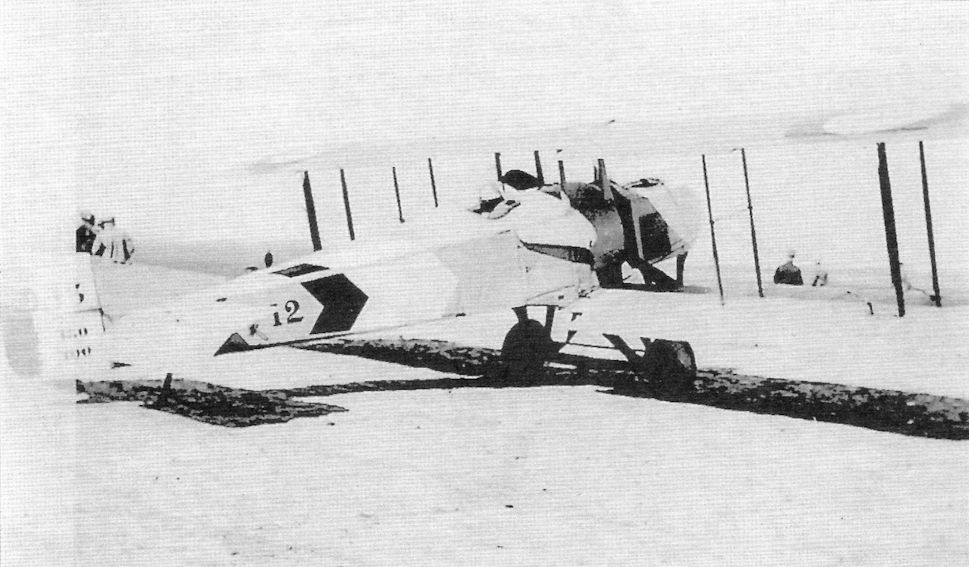
S-13 was the second production SA.2. The number '12' on the fuselage is the early marking of Escadrille 12. But S-13 on the tail is its serial number. The SA.2 adopted the more powerful 110 hp Le Rhone and revised cooling louvers. It is shown after a red-white-blue chevron marking was applied. (SHAA)
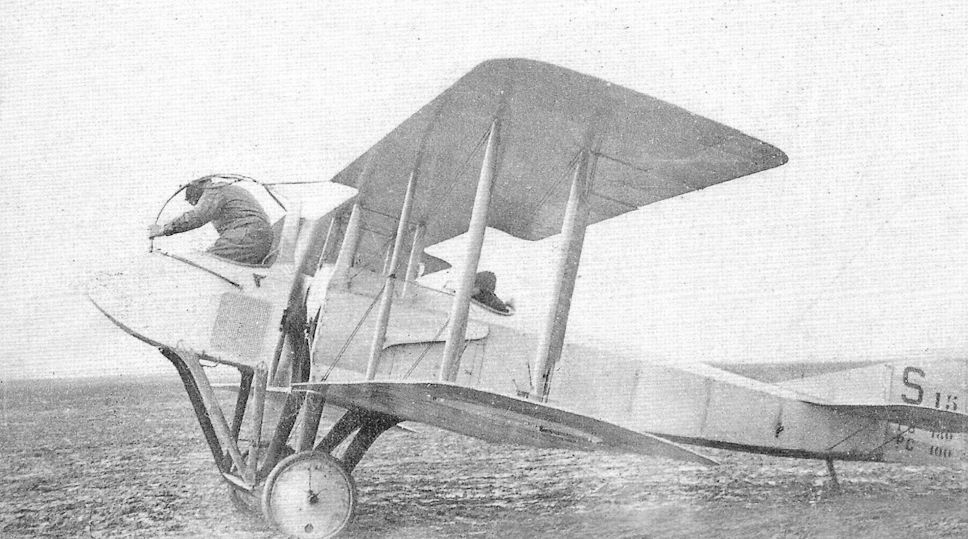
Standard mid-production S.A.2 S-15 clearly showing the large cooling ducts. (SHAA)
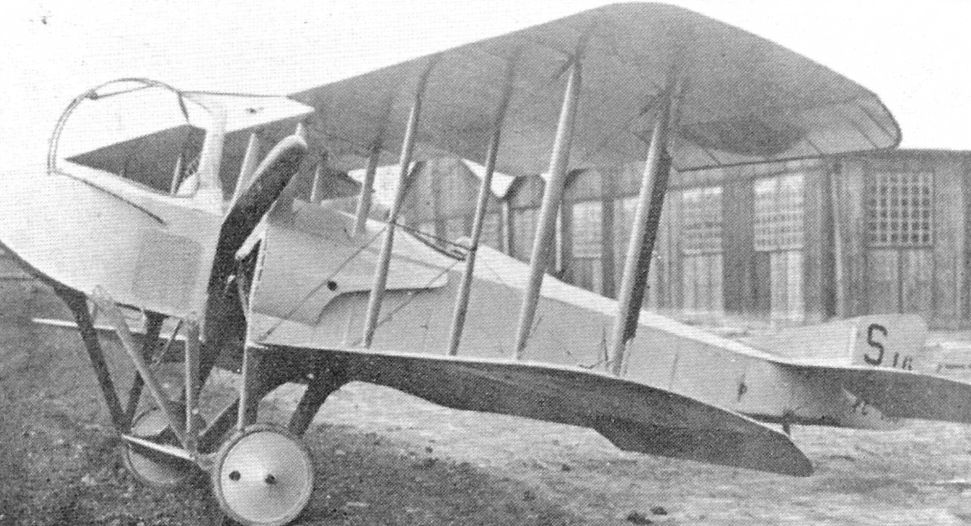
S.A.2 S-16. A mid-production SA.2, it clearly shows the large cooling ducts and standard dual tube machine gun mount. (SHAA)
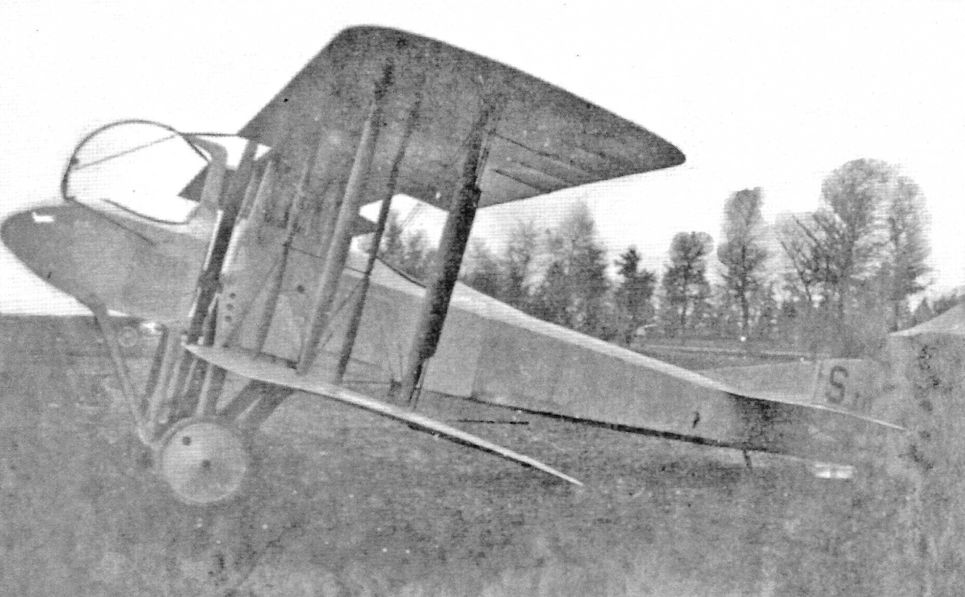
Standard mid-production S.A.2 S-16. (SHAA)
Standard mid-production S.A.2 S-16. (SHAA)
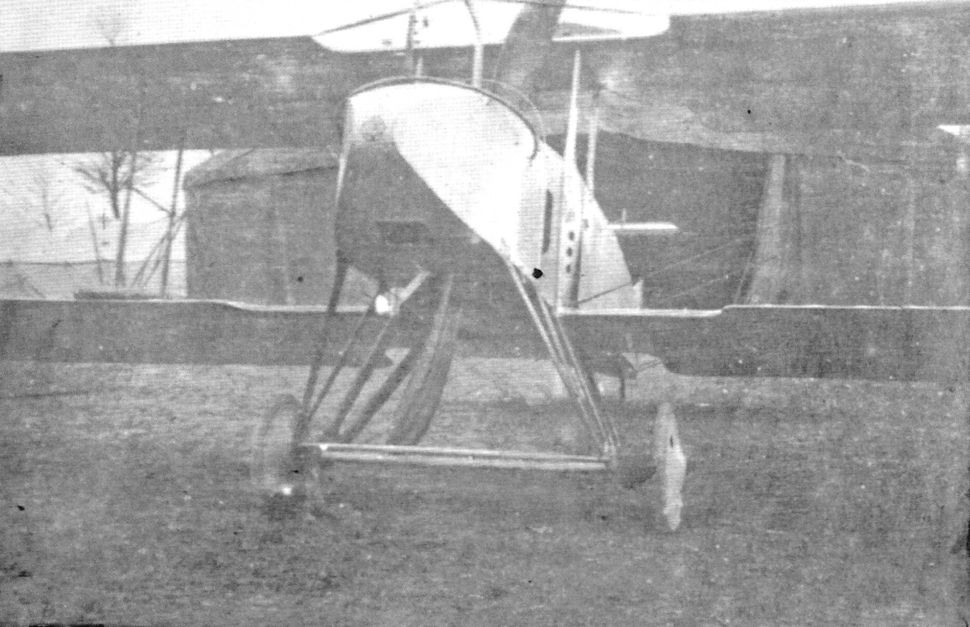
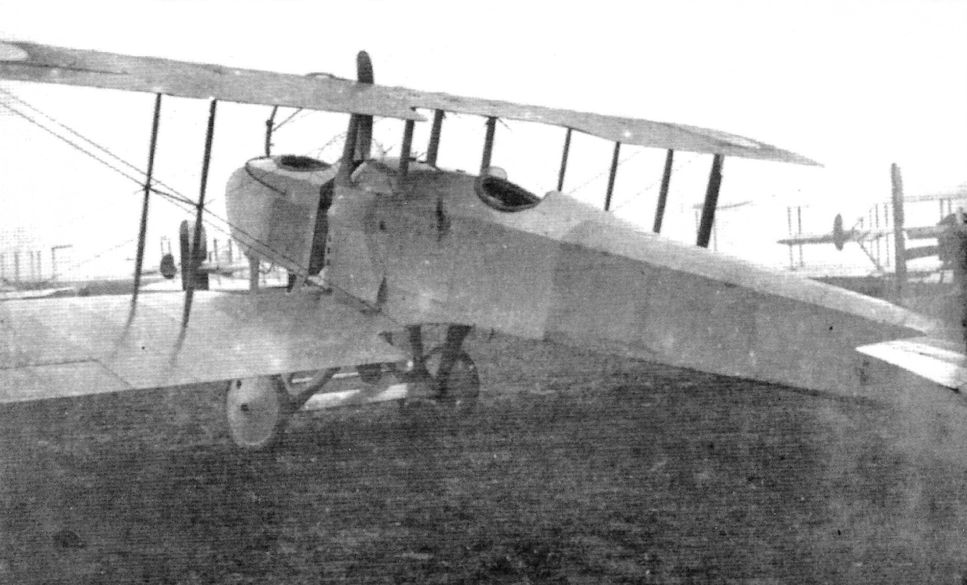
S.A.2 S-16. (SHAA)
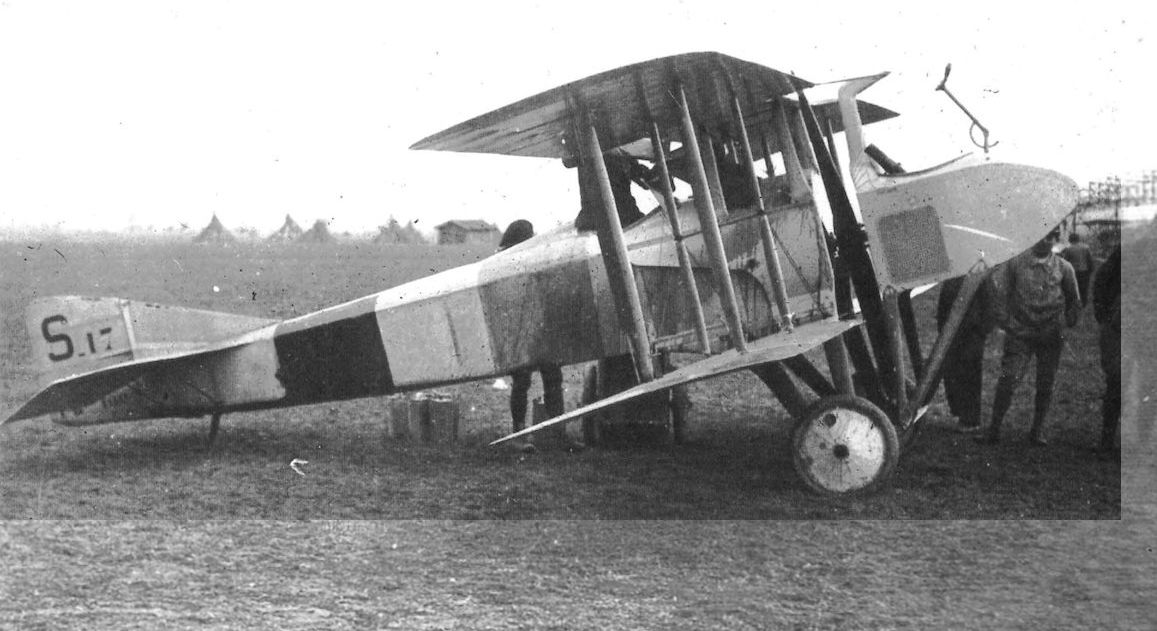
SPAD SA.2 serial S.17 with pillar-type gun mount. Via Colin Owers.
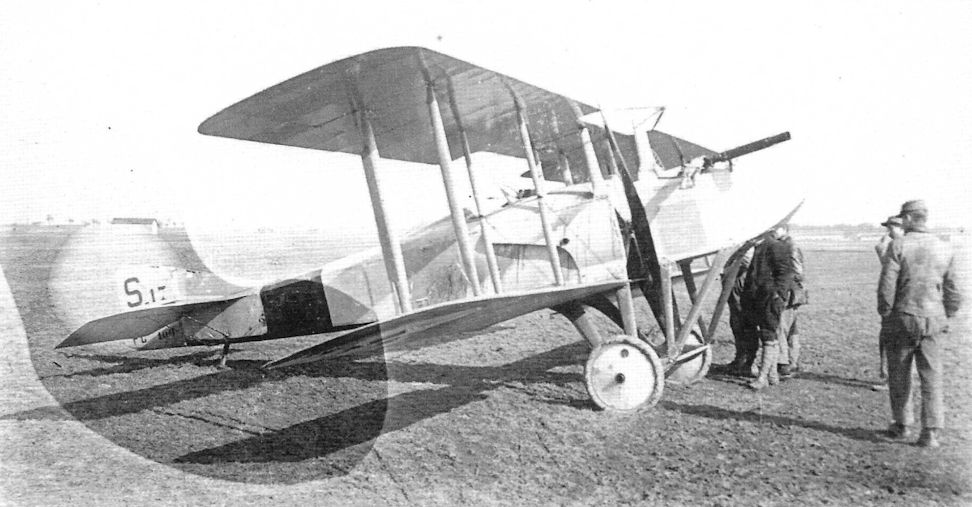
Another photo of S.A.2 S-17. A mid-production SA.2, it clearly shows the larger cooling ducts and standard machine gun mount. (SHAA)
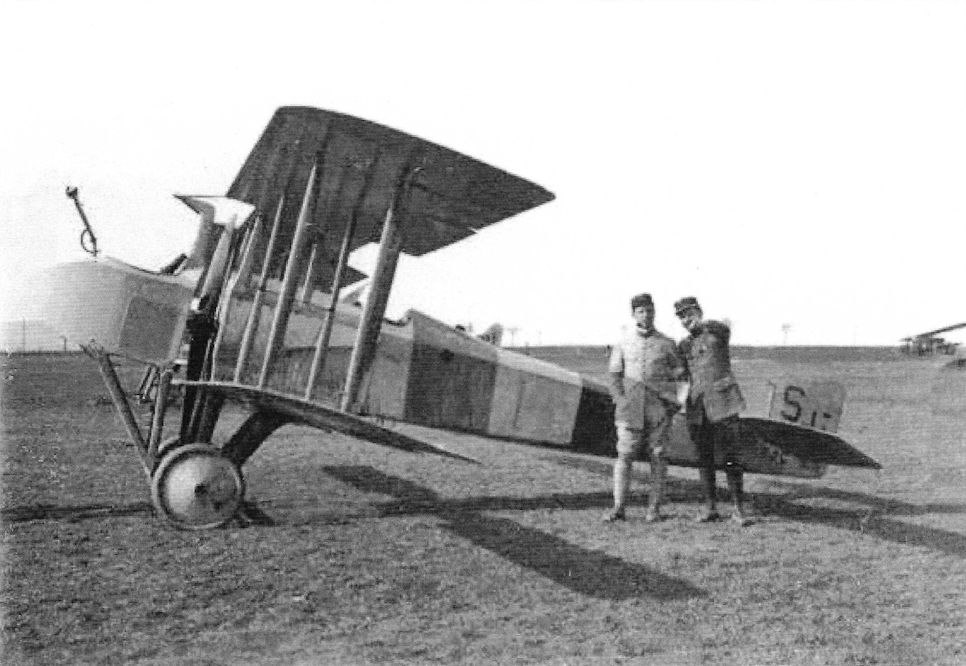
S.A.2 S-17. A mid-production SA.2, it clearly shows the larger cooling ducts and standard machine gun mount. (SHAA)
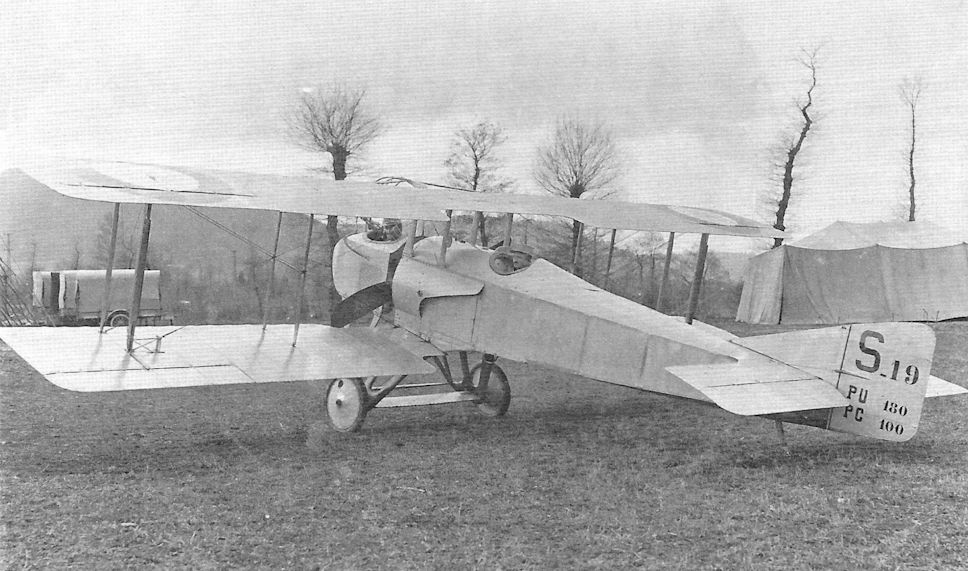
S.A.2 S-19 before it received the inscription "MA JEANNE". (SHAA)
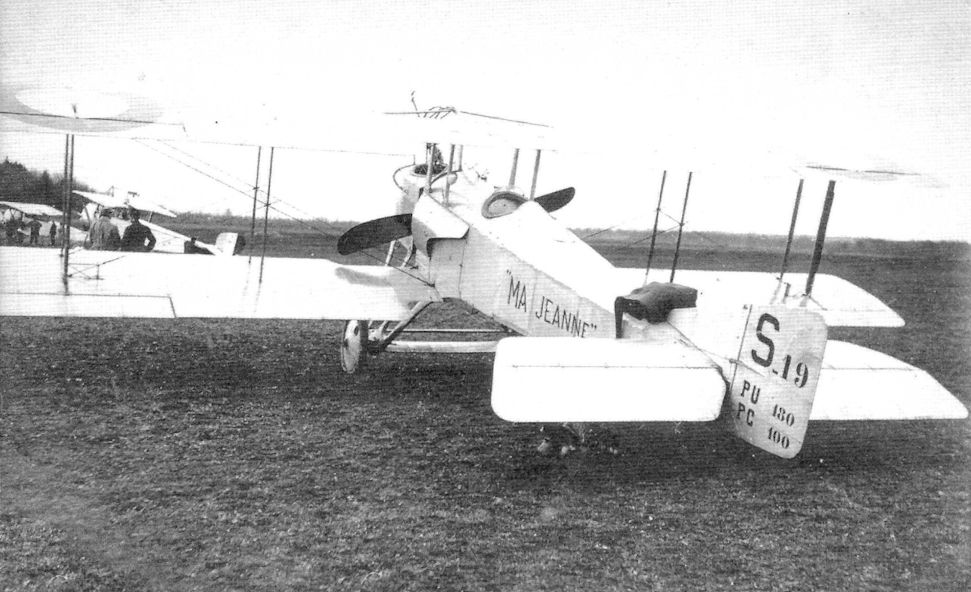
MA JEANNE, S.A.2 S-19. A mid-production S.A.2, it clearly shows the larger cooling ducts and standard machine gun mount with dual metal tubes. (SHAA)
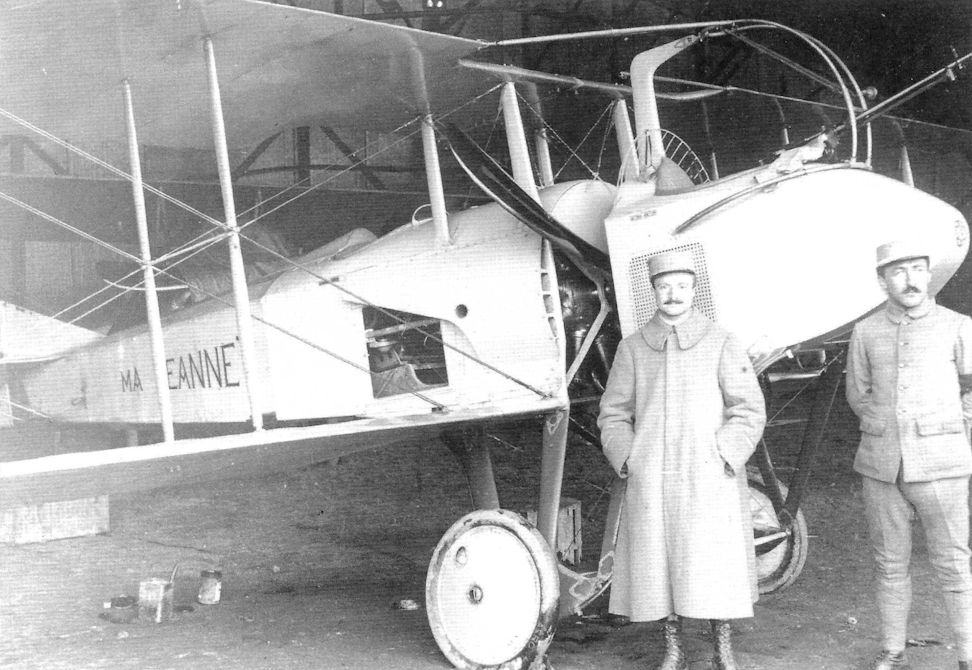
MA JEANNE (“My Jane" in English) was S.A.2 S-19. (SHAA)
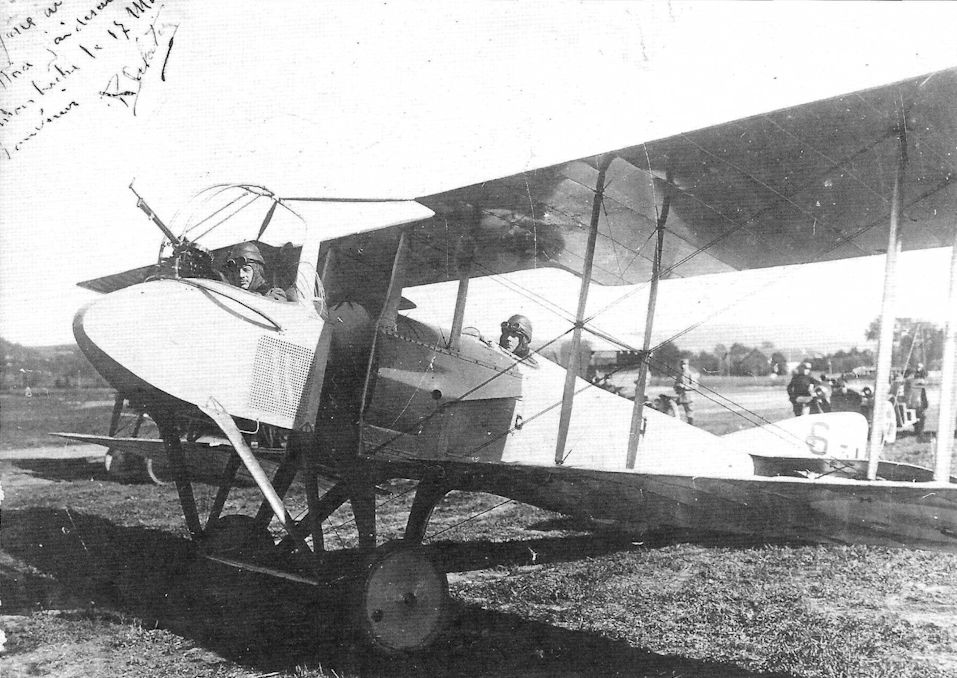
S.A.2 S-31 and crewman. (SHAA)

On May 17, 1916, Sgt Theophile Funck-Brentano and Sgt Robert Sabatier pose on the return from their victory against an Aviatik C which crashed in the vicinity of Chatas (88) - During this fight, they were flying on board SPAD A2 No.31 and although they were both qualified military pilots, it was Sabatier who was piloting. Their plane was damaged by enemy fire. (Jean Amigues)
SPAD A.2 No.31 being repaired. (Jean Amigues)
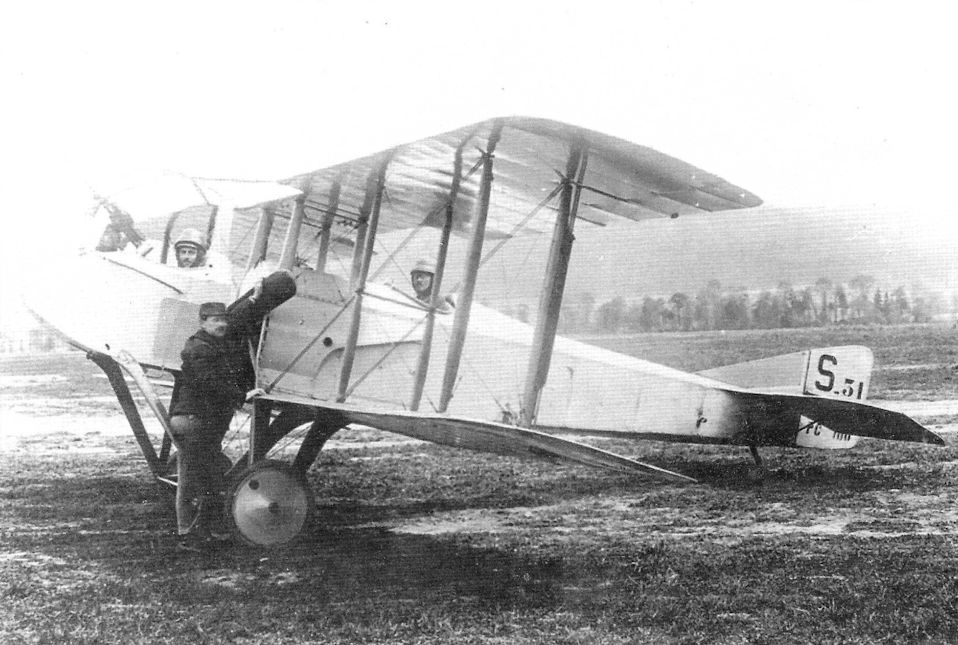
Spad SA.2 S.31 scored the only confirmed SA-series victory on the Western Front. The SA.2 and SA.4 were more successful with the IRAS on the Eastern Front, where aerial opposition was not as intense.
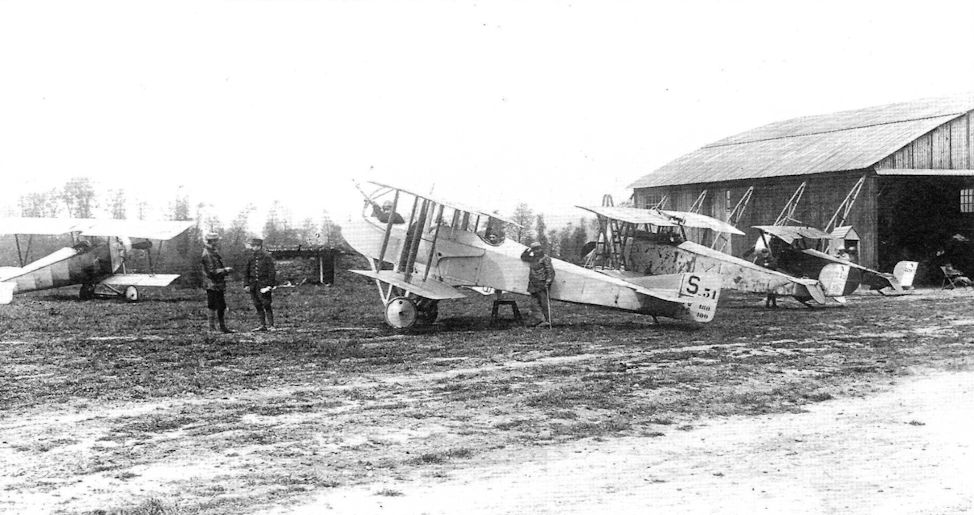
S.A.2 S-31 when assigned to N 73. S-31 scored the only confirmed victory of an SA on the Western Front. (SHAA)
S.A.2 S-39 with unit crewman. (SHAA)
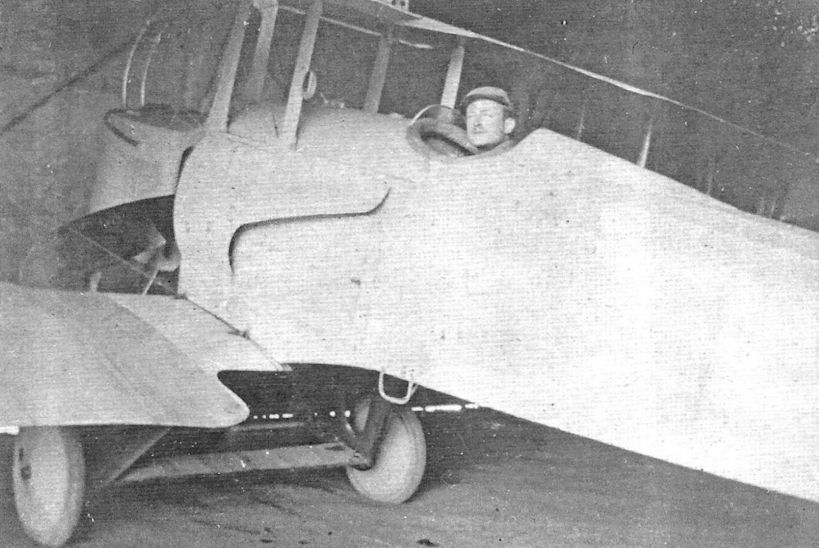
Pilot sitting in an S.A.2 cockpit.
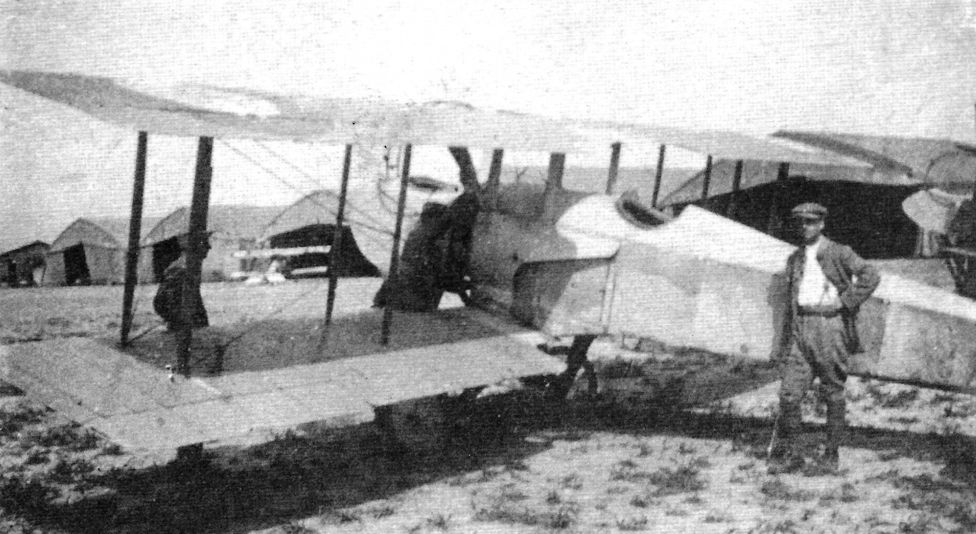
S.A.2 at the front with crewmembers.
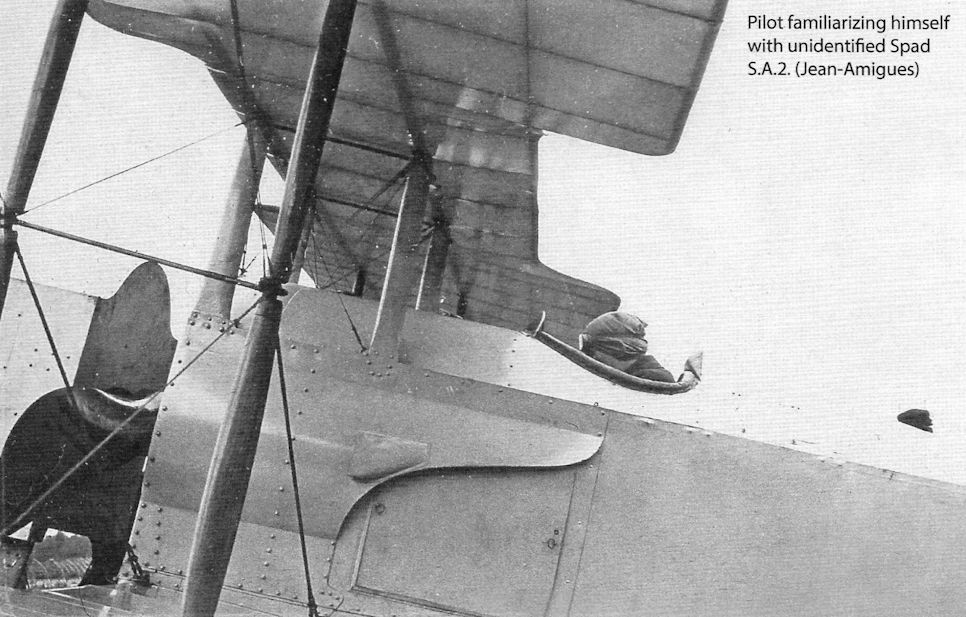
Pilot familiarizing himself with unidentified Spad S.A.2. (Jean-Amigues)
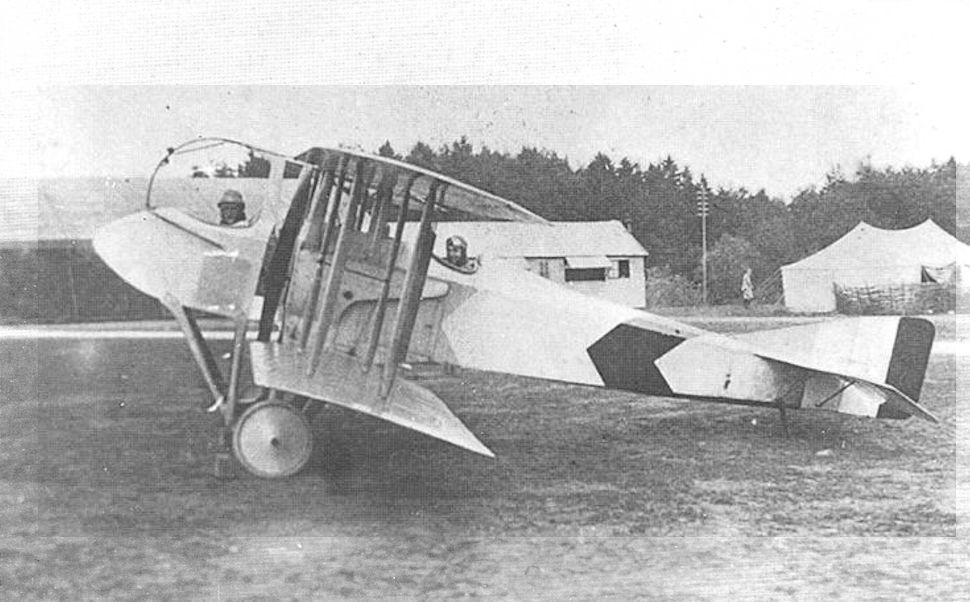
A mid-production SPAD A.2, very probably "Mister Fly". (SHAA)
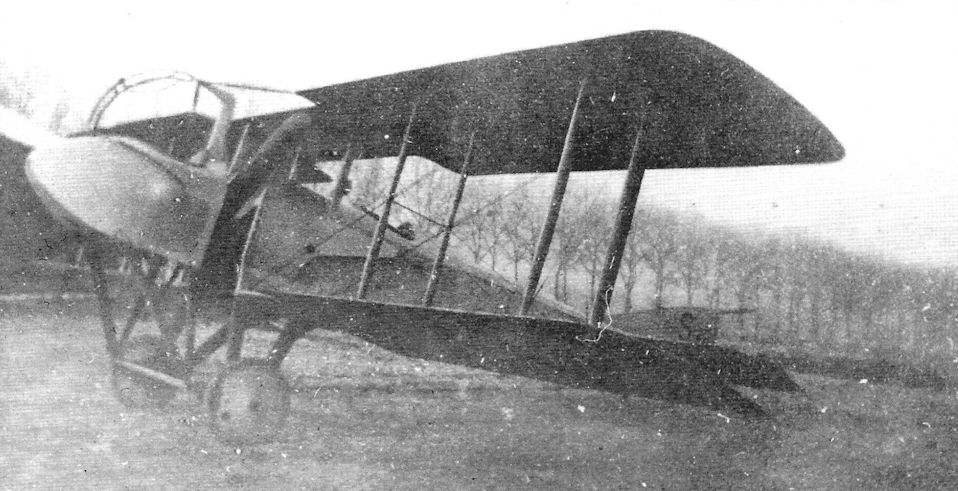
Unidentified S.A.2 at the front.
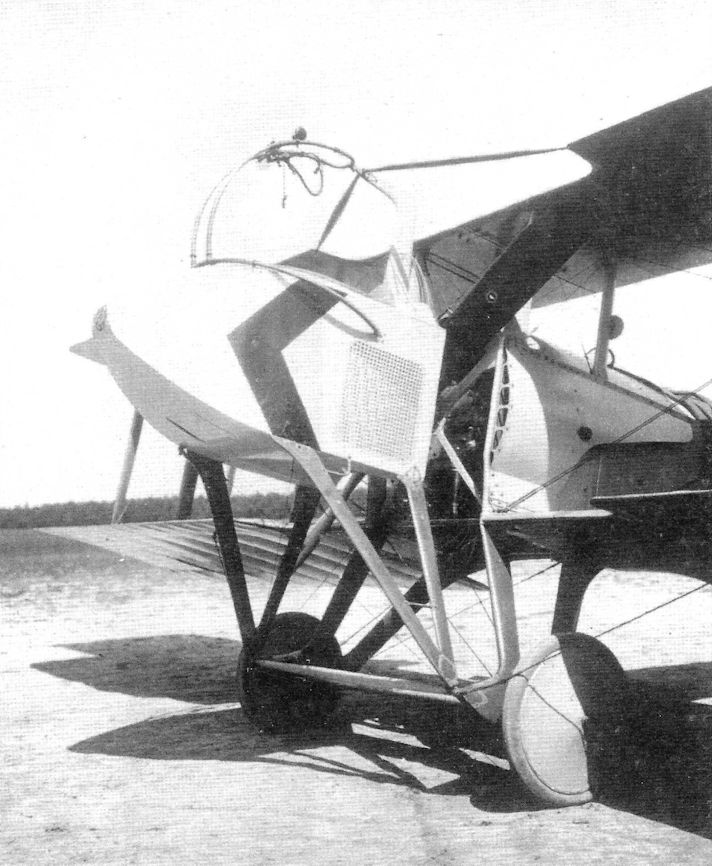
Spad A.2 decorated with a two-color chevron, possibly blue and red, suggesting an airplane from Camp Retranche de Paris (CRP). (David Mechin)
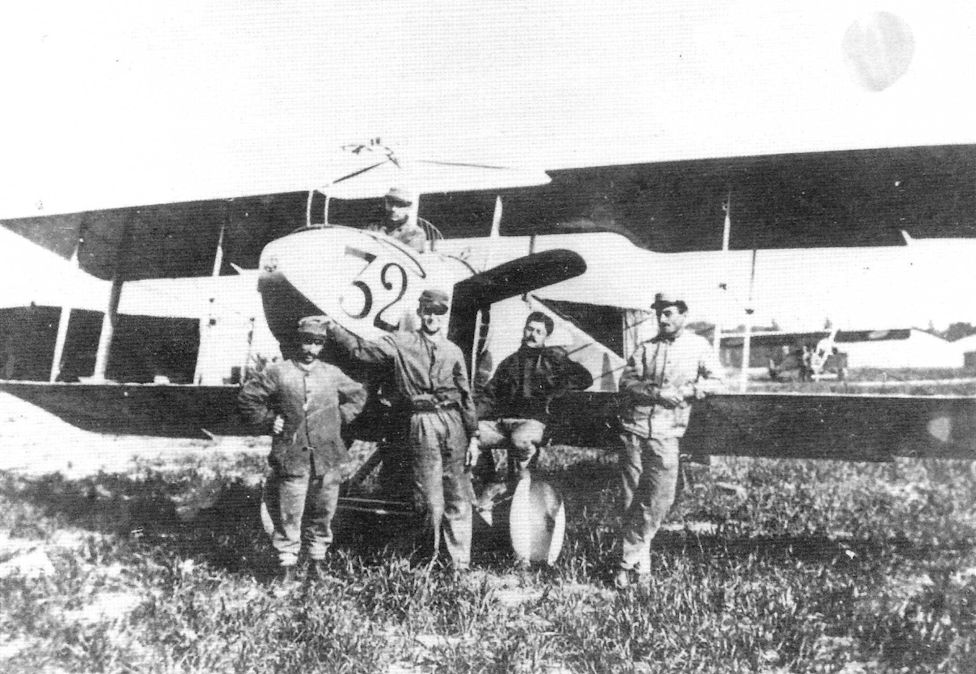
This SPAD A.2 marked with the number 32 on its nacelle was used for training on the Buc airfield. (SHAA)
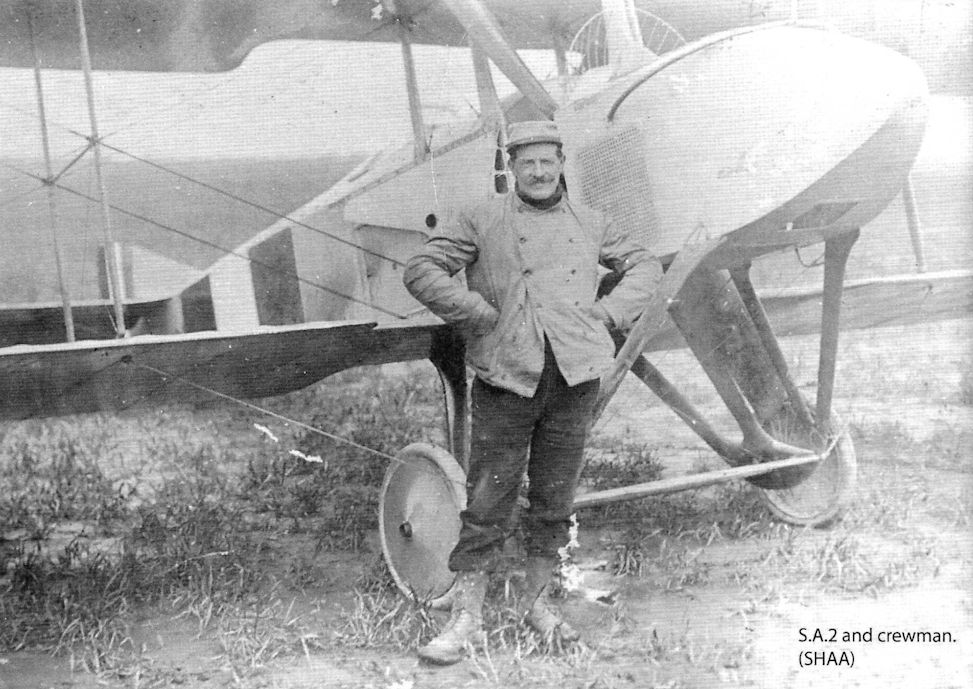
S.A.2 and crewman. (SHAA)

The Spad SA series was another radical approach to an 'aerial cruiser' that served in modest numbers, at least 96 being built. Cooling problems limited the usable engine power and thus limited performance.
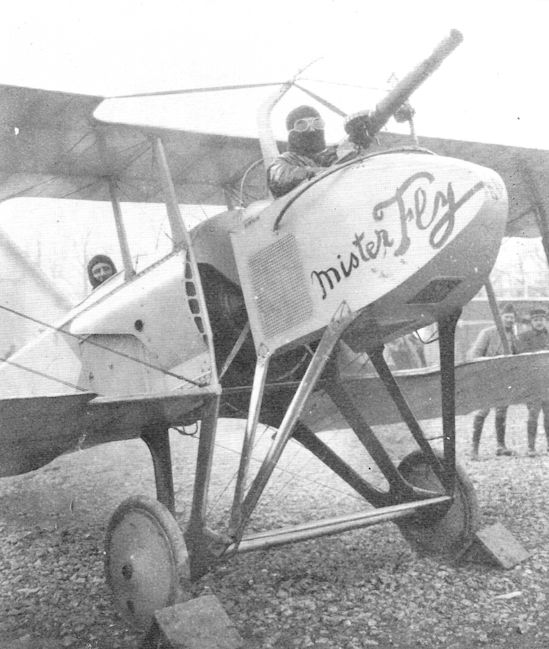
S.A.2 Mister Fly showing the larger cooling ducts and machine gun mount. (SHAA)
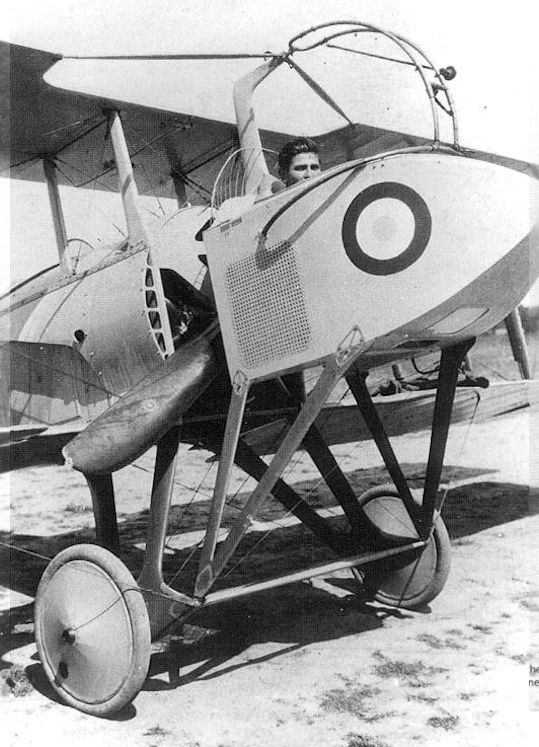
Close-up of an S.A.2 with the standard dual tube machine gun mount. (SHAA)
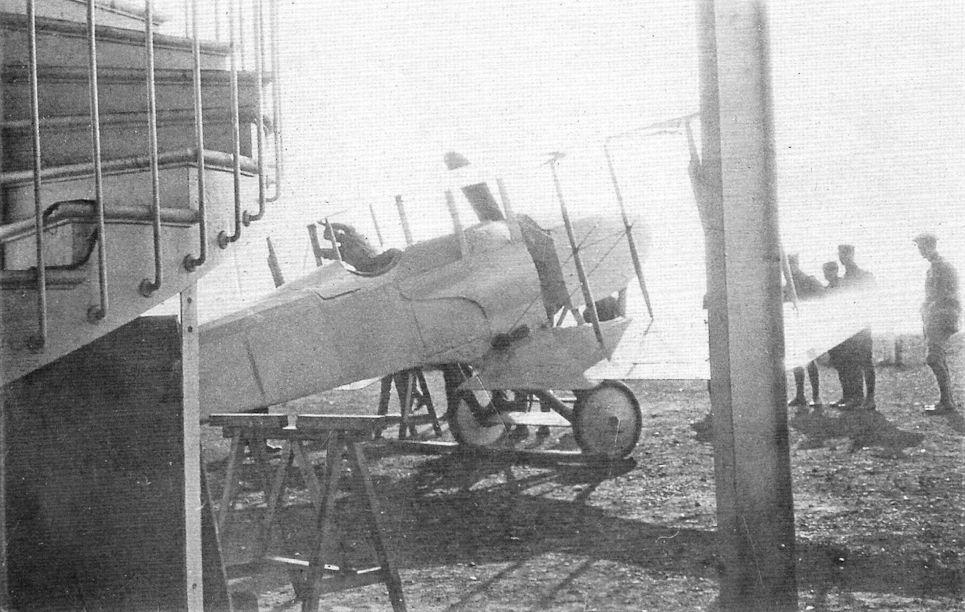
Unidentified Spad S.A.2. (Jean-Amigues)
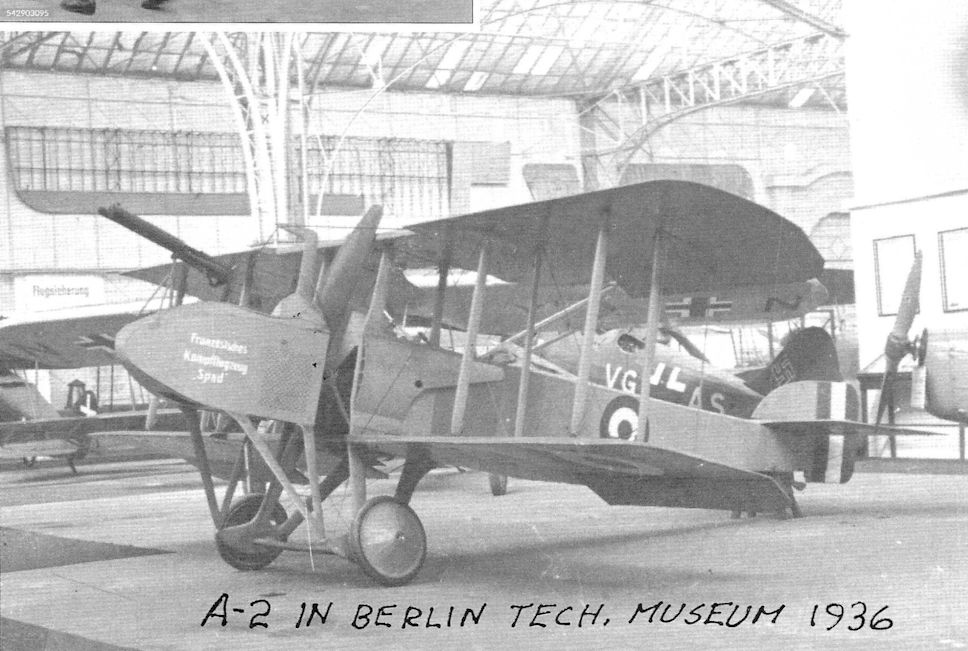
The Franzosischer Kampfflugzeug SPAD was captured nearly intact by the Germans in 1916. It had been in storage for years and had been a collection of parts. The turtledeck and cockpit were incorrect, along with other errors such as the double bay bracing. This was on display in the Deutsche Luftfahrt sammlung Berlin (German Air Collection). (MVT)
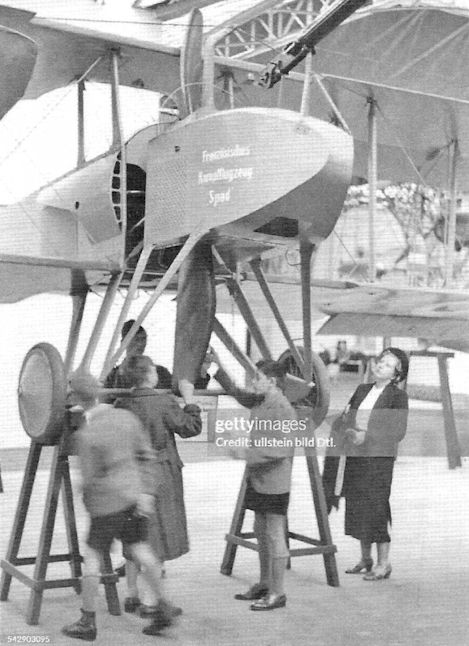
The Franzosischer Kampfflugzeug SPAD was captured nearly intact by the Germans in 1916. It had been in storage for years and had been a collection of parts. This was on display in the Deutsche Luftfahrt sammlung Berlin and is being viewed by visitors. (Gettyimages).
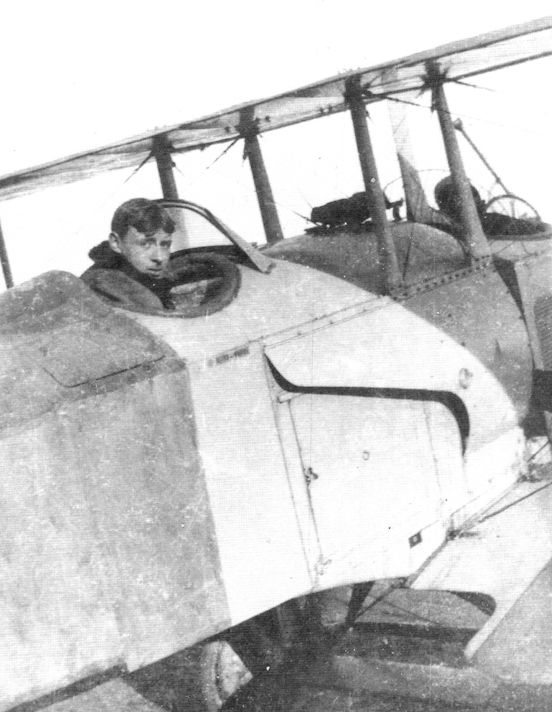
Standard mid-production S.A.2 clearly showing the large cooling ducts. (SHAA)
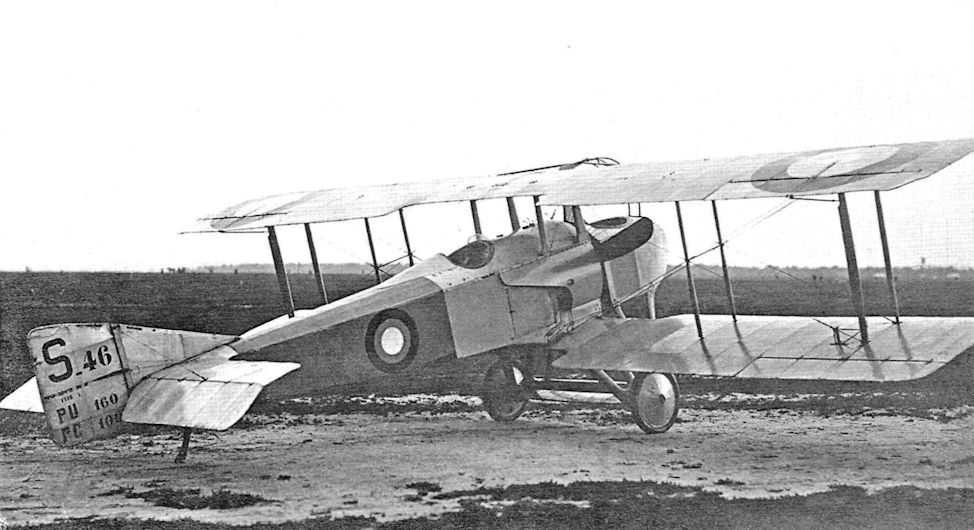
"Спад" А4, построенный во Франции по российскому заказу. (Spad A-2 S.46 with the Russian aviation service)
S.A.2 S-46 was sold to the IRAS.
S.A.2 S-46 was sold to the IRAS.
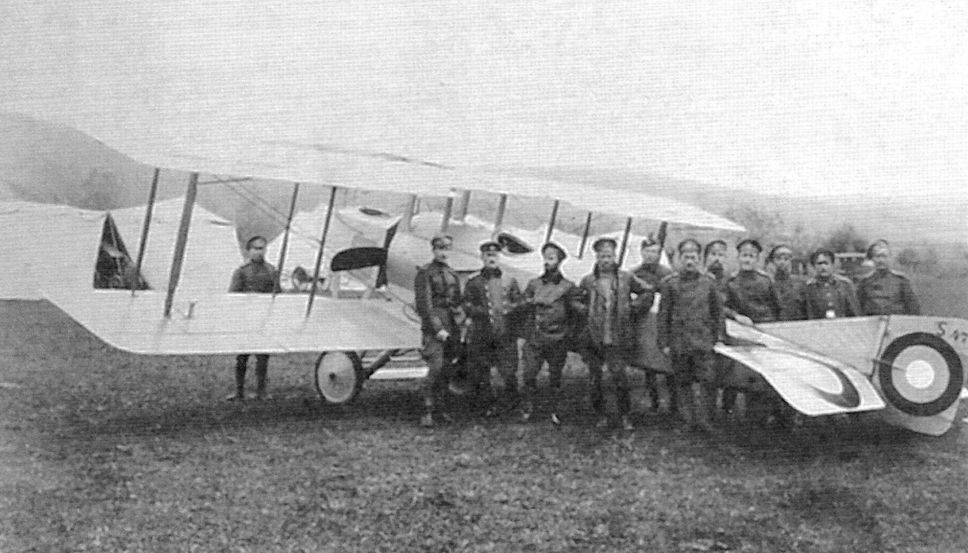
S.A.2 S-47 from the 4th Artillery aviation detachment with a group of pilots, autumn 1916. This aircraft was flown by military pilot Shtabs-Rotmistr Mikhail Shirkov from September 1916 to April 1917. (Viktor Kulikov)
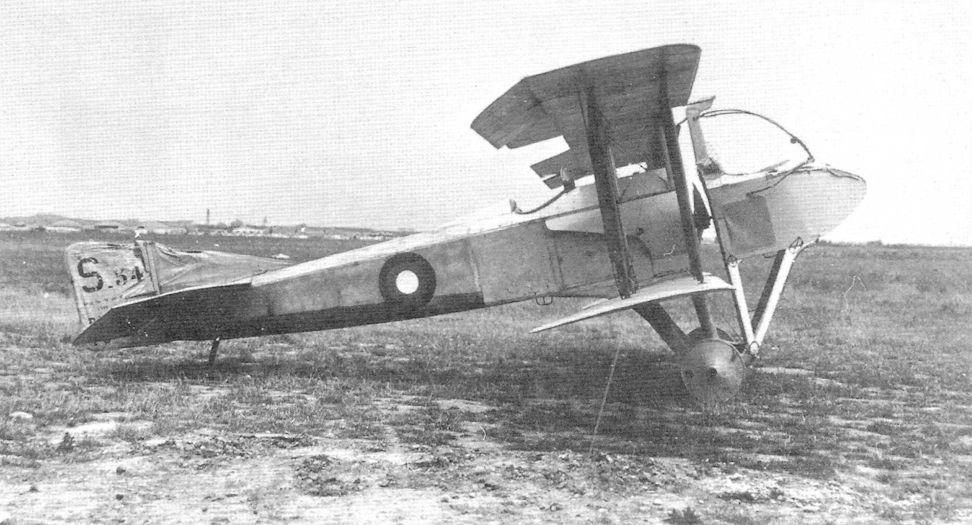
This Russian S.A-4 fell into Austro-Hungarian hands on June 28 1917
Another view of S.A.4 S-54 after capture. (SHAA)
Another view of S.A.4 S-54 after capture. (SHAA)

S.A.4 S-54 being transported to Flik 14, then on to Aviation Part 4. (SHAA)
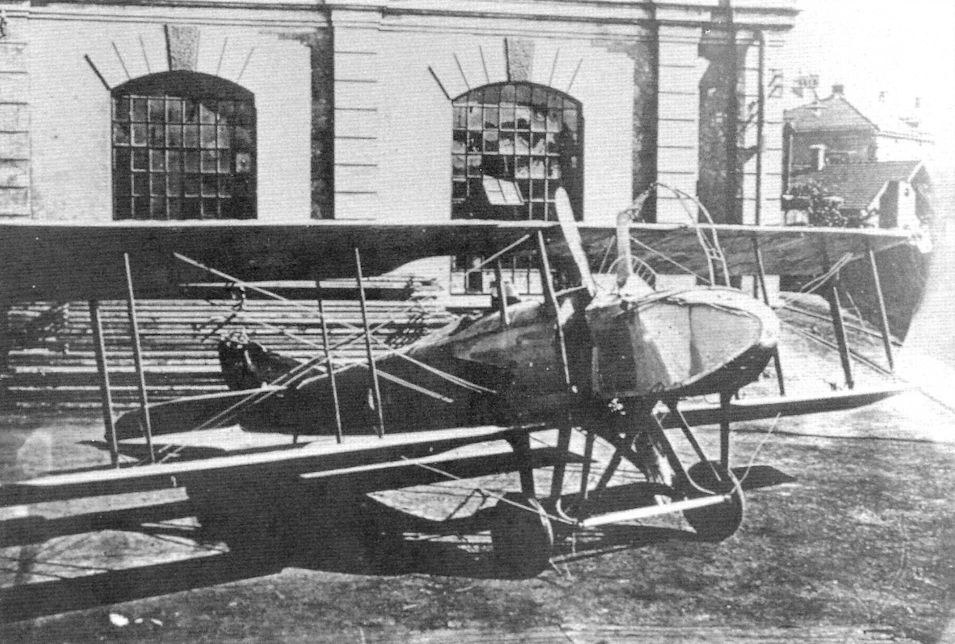
S.A.4 S-54 captured after landing in Austrian lines. (SHAA)
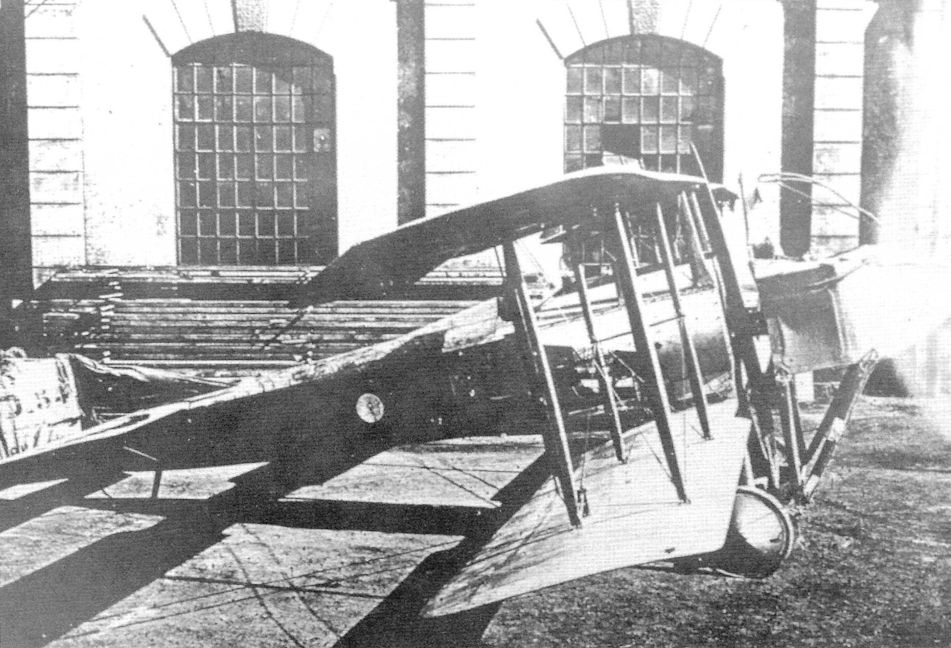
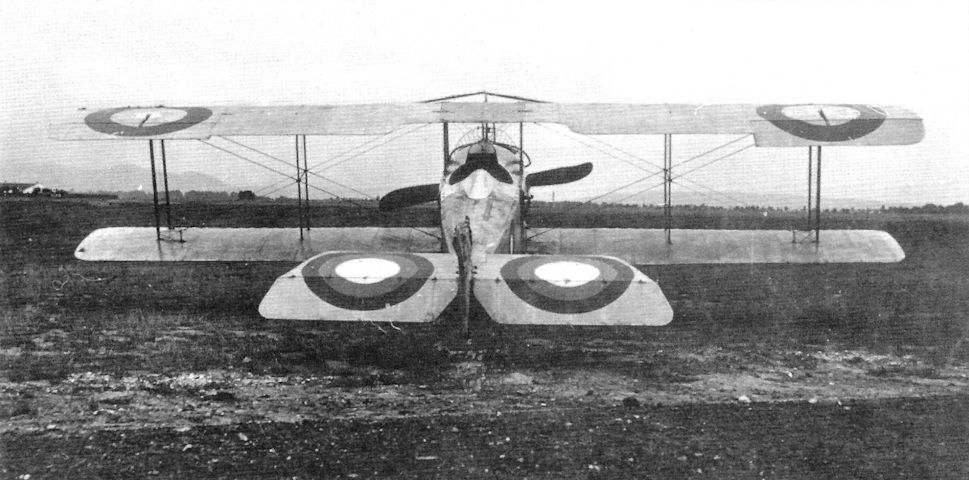
On 15 June 1917 S.A.4 S-54 landed in Austrian lines by mistake and was captured. It created a sensation in the Austrian troops and was widely photographed. The extensive use of national markings is a omment on recognition standards of the time. (SHAA)
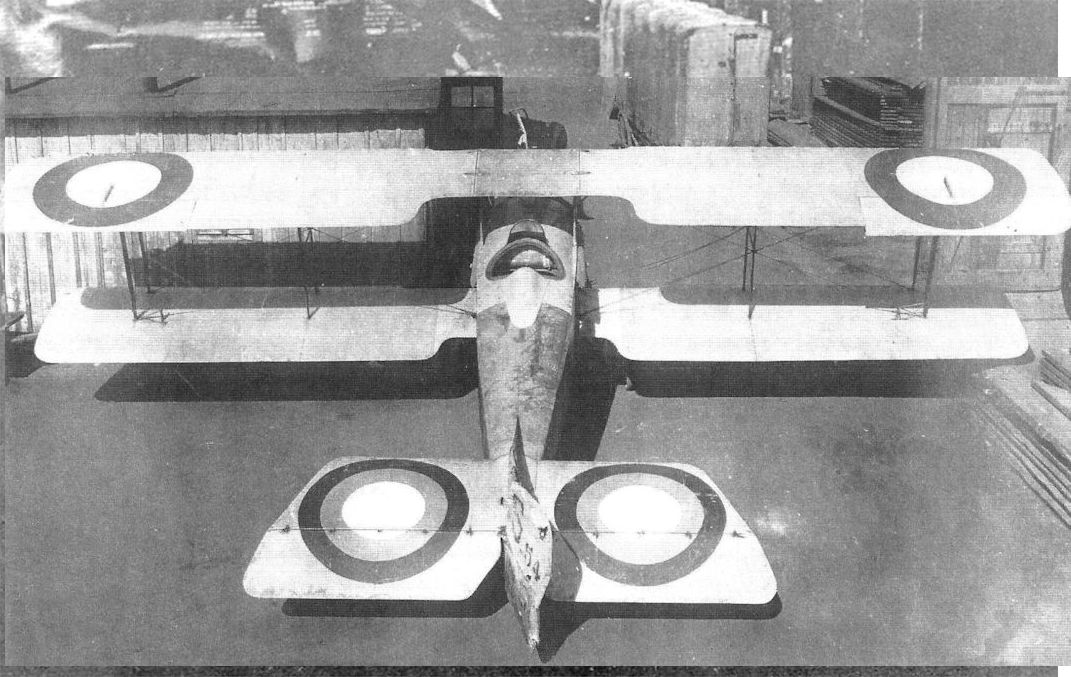
Military prey... Overtime, the Russian airforce used better and better French-made flying equipment. The photo shows a Russian type fighter SPAD SA.4 S-54, which on November 27, 1917, after a forced landing near Lviv (visible rudder shot in an air fight), was in the hands of Flik 14 pilots. Different, two-way nationality markings visible on the panels and on the horizontal tail - source: Fotoarchiv SAW-KA.
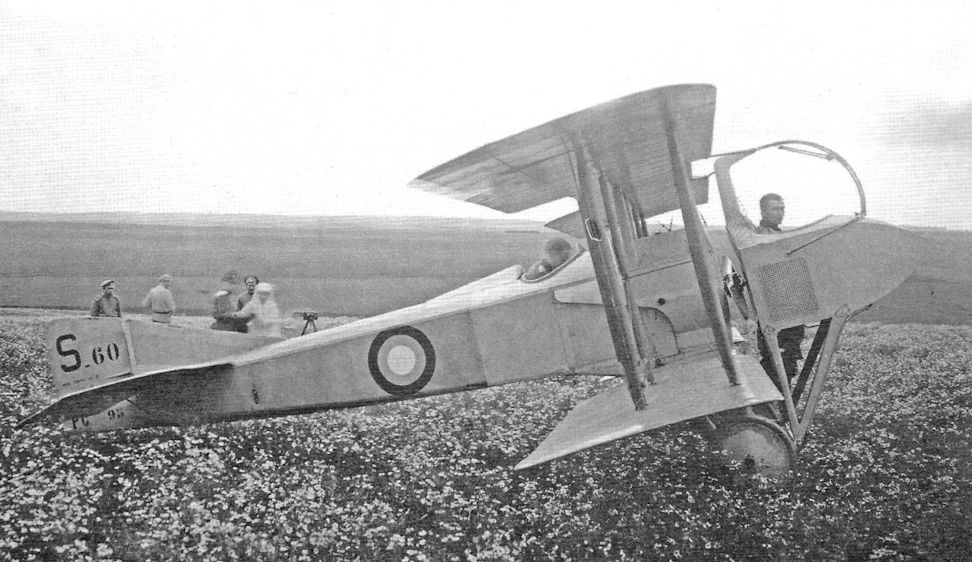
S.A.4 S-60 from the 30th KAO. This aircraft entered the detachment on July 22, 1916 and was in service until the end of the year. It was flown by senior non-commissioned officers Ryabokon and Kibasov and Ensign Petrov. (Viktor Kulikov)
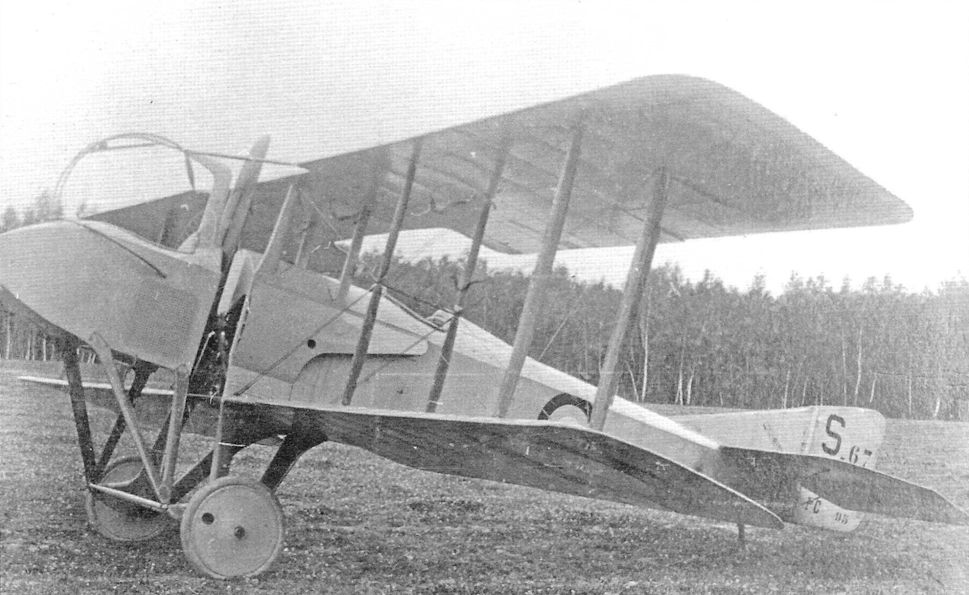
S.A.4. S-67 of the 1st BAG at Loutsk, September 1916.
S-67 was a typical S.A.4. It was assigned to the 2nd KAO of the 1st BAG in summer/autumn 1916.
S-67 was a typical S.A.4. It was assigned to the 2nd KAO of the 1st BAG in summer/autumn 1916.
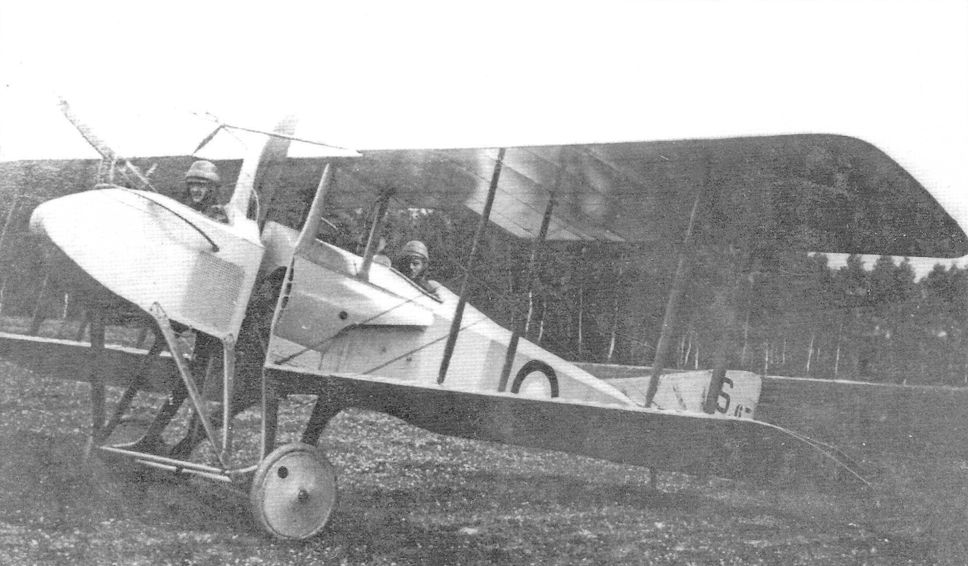
S.A.4. S-67 from the 2nd KAO 1st BAG. Podporuchik Ivan Babkin, a military pilot, is sitting in the cockpit. The observer Poruchik Alexander Akaro has a Colt machine gun on a standard installation. The airfield near Lutsk, autumn 1916.
French-built Spad A.2 (serial 67). The French sold their entire stock of Spad A.2s and A.4s to Russia after deciding the type was not adequate for frontline service.
French-built Spad A.2 (serial 67). The French sold their entire stock of Spad A.2s and A.4s to Russia after deciding the type was not adequate for frontline service.
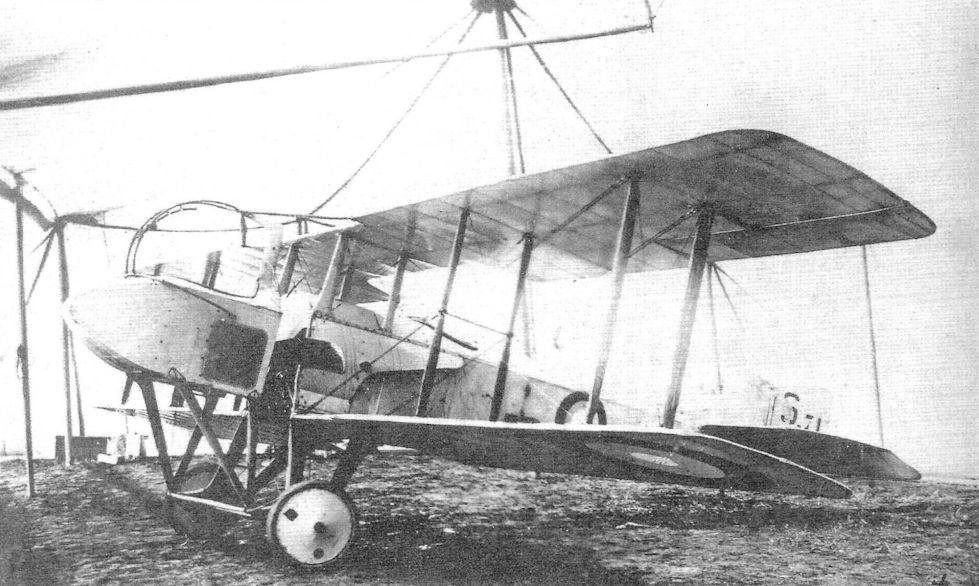
S.A.4 S-71. Guards Corps aviation detachment in a canvas tent after assembly. November 1916. Senior non-commissioned officer Roman Yarmorkin flew it until June 1917. (Viktor Kulikov)
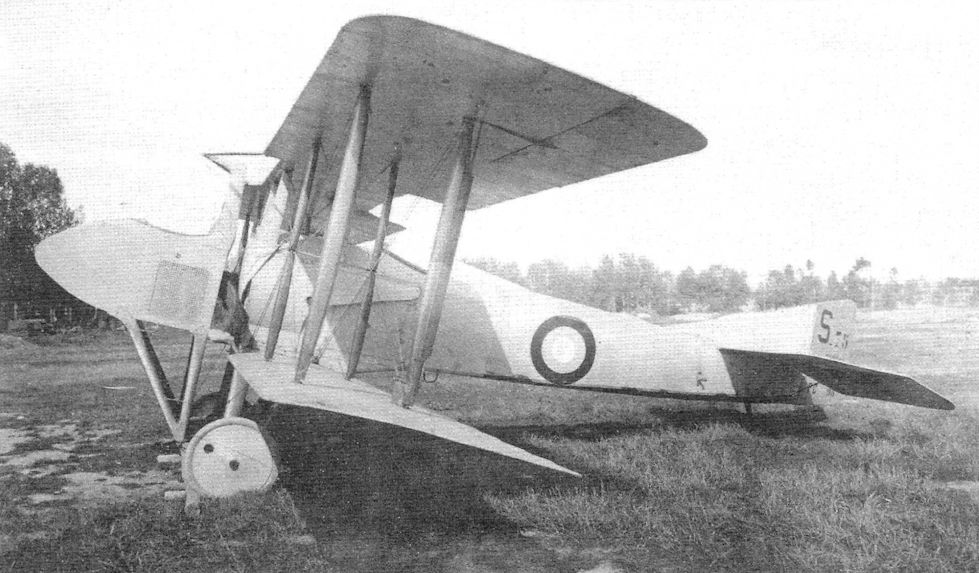
S.A.4 S-75 from the 2nd KAO, the 1st BAG, autumn 1916. In February 1917, it was transferred to the 26th KAО. (Viktor Kulikov)
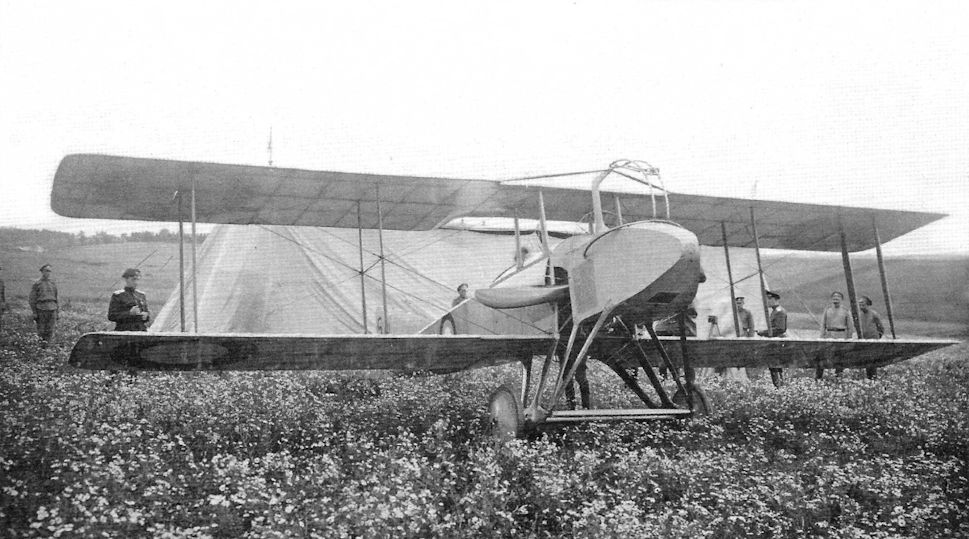
S.A.4 S-79 form the 30th KAO. Summer 1916. (Viktor Kulikov)
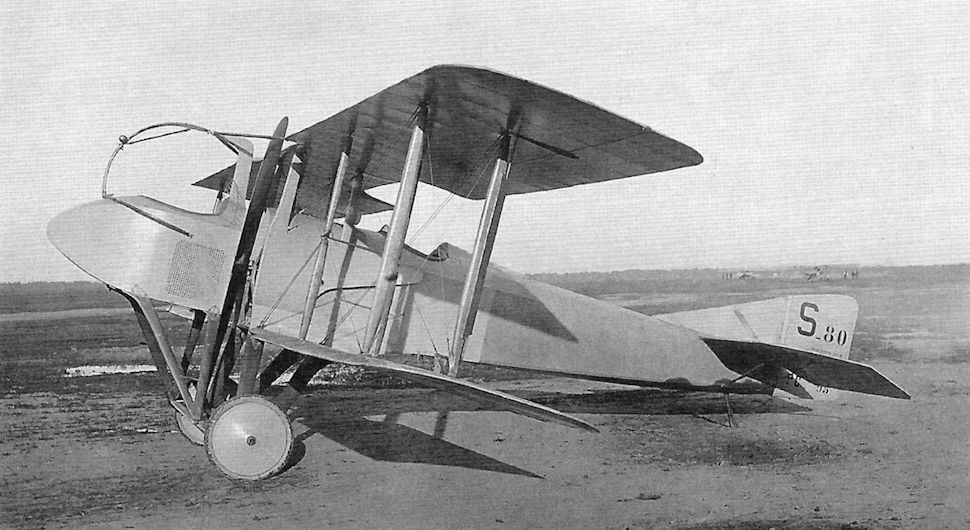
S.A.4 S-80 form the 30th KAO. Military pilot Ensign Nikolai Petrov fought in it from July 1916 to April 1917. (Viktor Kulikov)
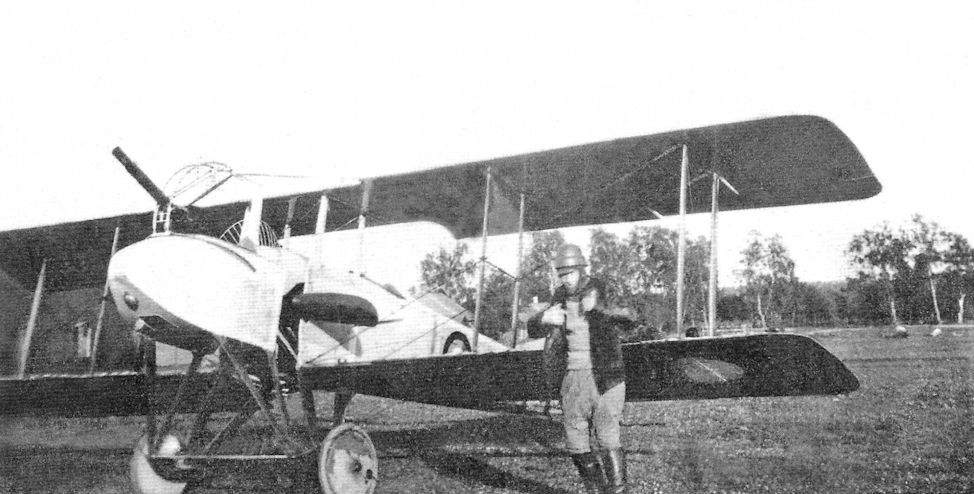
S.A.4 before departure for a combat mission. There is a Lewis infantry machine gun in the observer's cabin. (Viktor Kulikov)

Three photos of S.A.4 S-87 being readied for flight. The gun is an infantry mode Lewis. The front plate had no extra lightening holes (SHAA)

S.A.4 S-87, a typical Russian S.A.4. (SHAA)
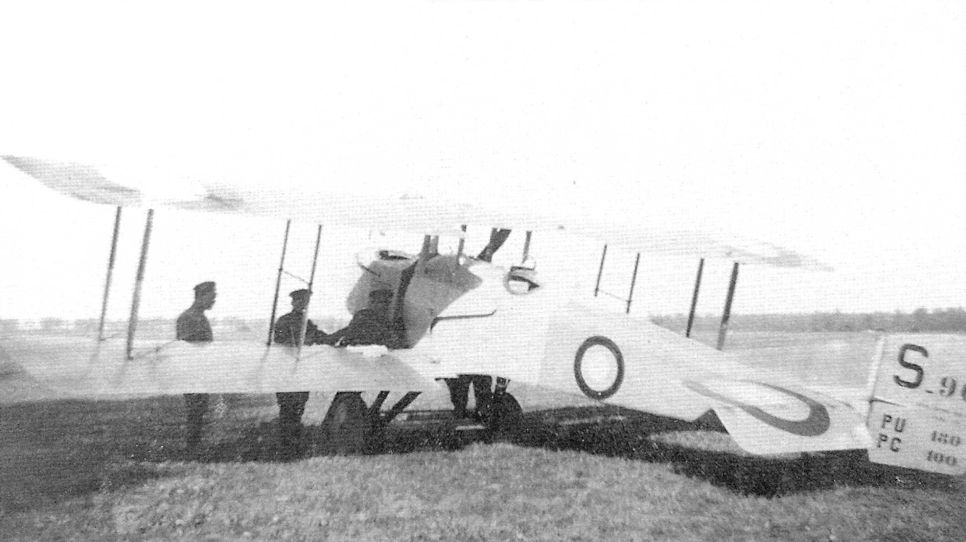
S.A.4 S-90 in IRAS service somewhere on the front. (SHAA)
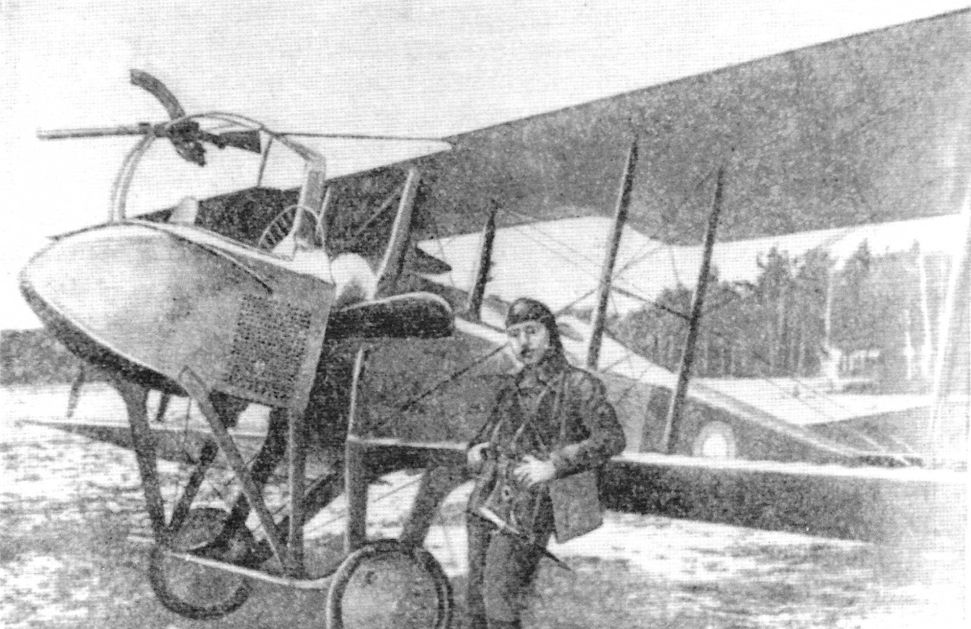
Самолет "Спад" с откидной передней кабиной
A crewman poses with his S.A.4. (SHAA)
A crewman poses with his S.A.4. (SHAA)
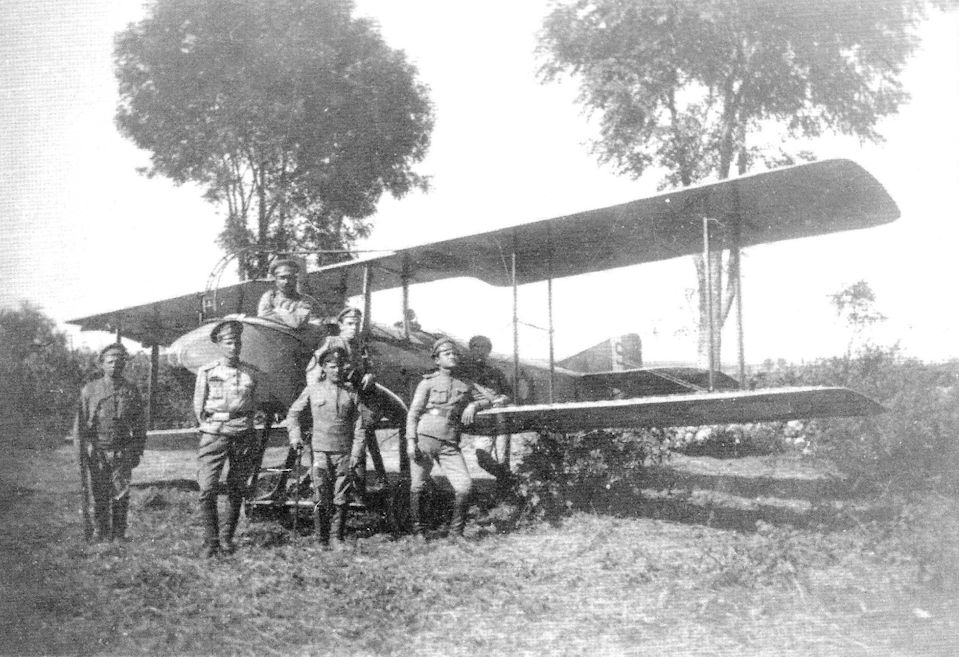
An S.A.4 in Galicia with members of an unknown unit.
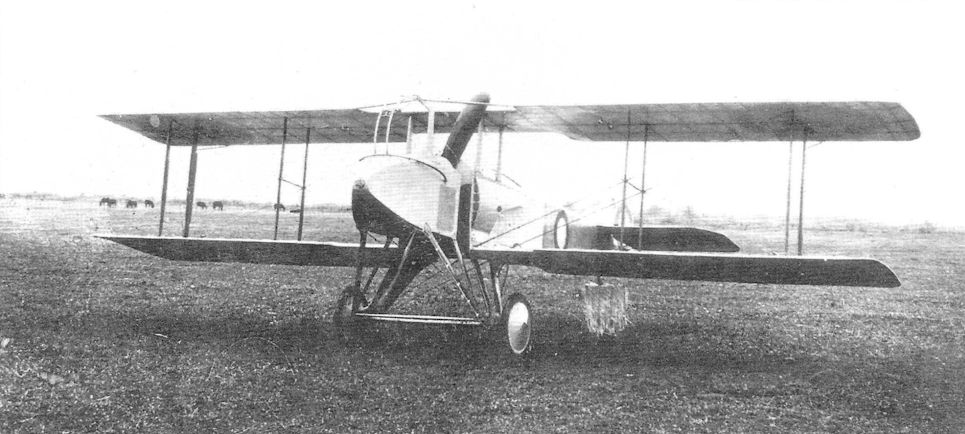
S.A.2 in Russia.
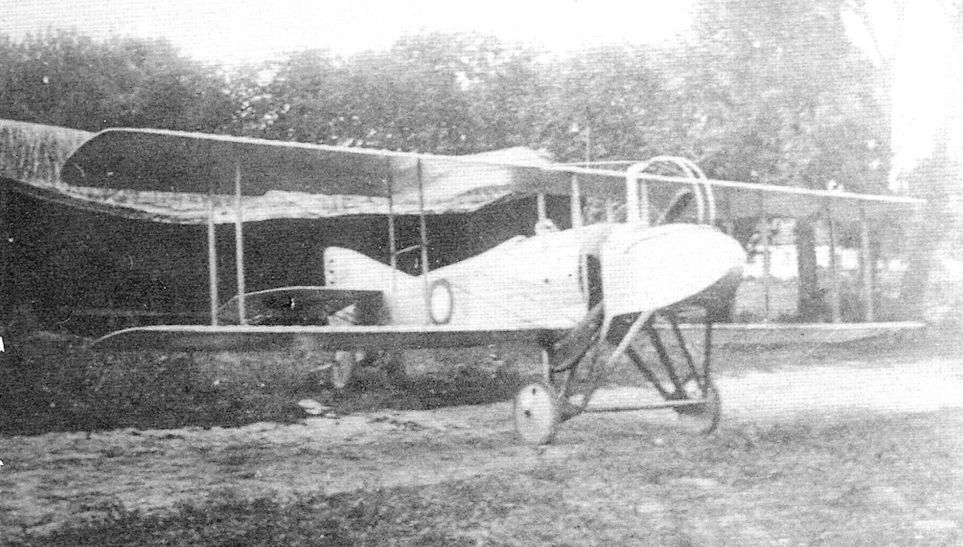
S.A.4 in IRAS service.
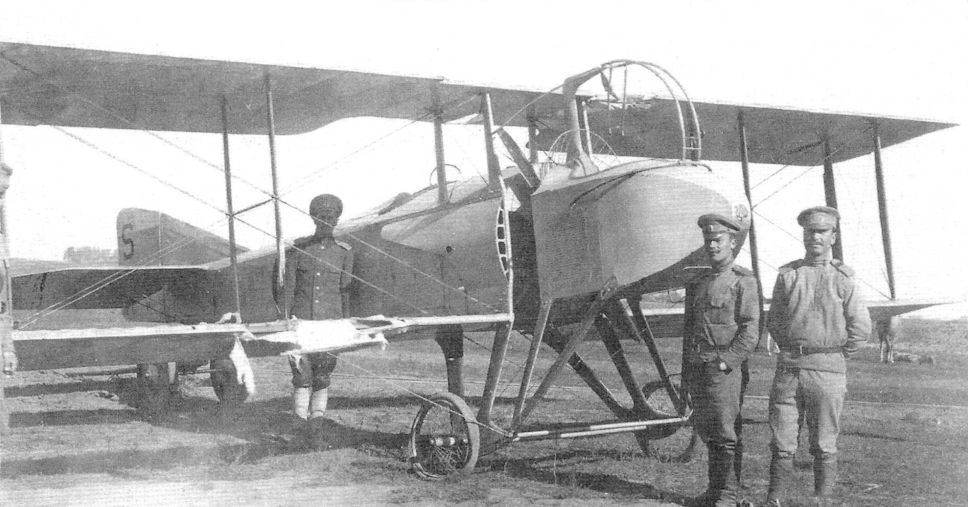
The breakdown of S.A.4 from the 2nd KAO is the 1st BAG. Autumn of 1916. (Viktor Kulikov)
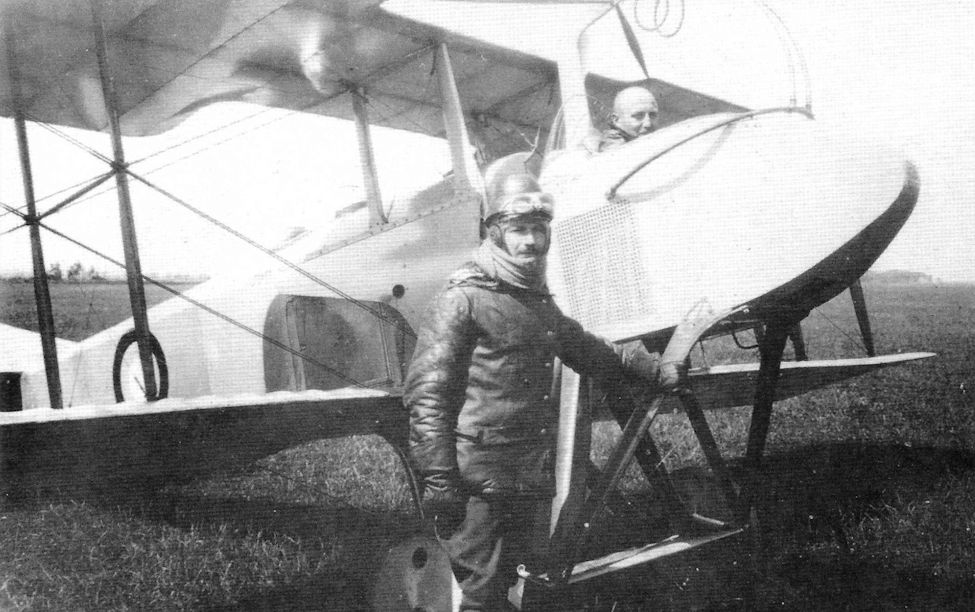
Military pilot Ensign Ivan Vinogradov is standing near his S.A.4, and Cornet Anatoly Vershkovsky is an observer in the cockpit. 30th KAO, summer of 1916. (SHAA)
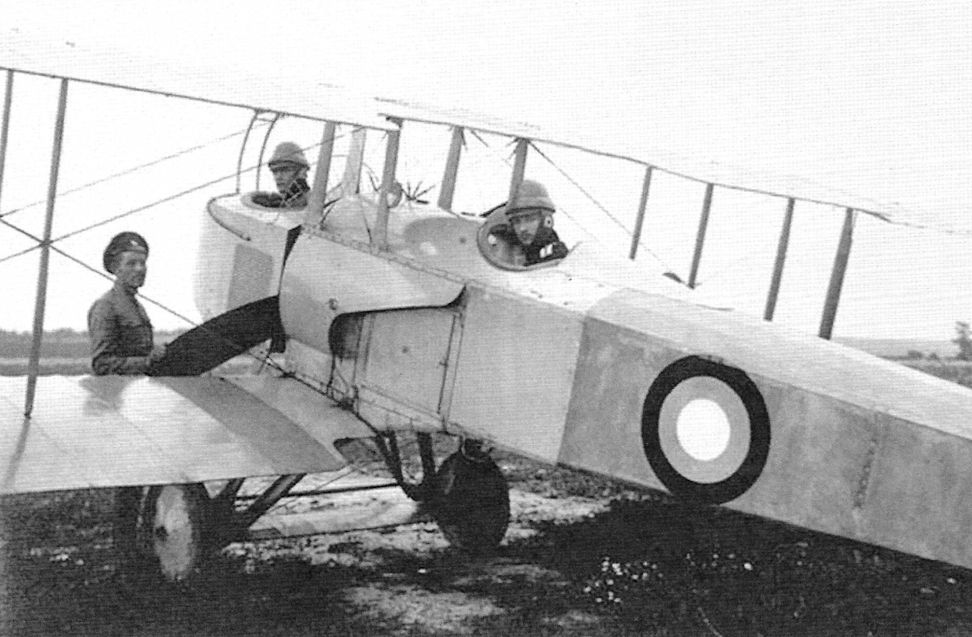
Military pilot of the 30th KAO, Podporuchik Ivan Vinogradov in the cockpit of an S.A.4. Autumn of 1916. (Viktor Kulikov)
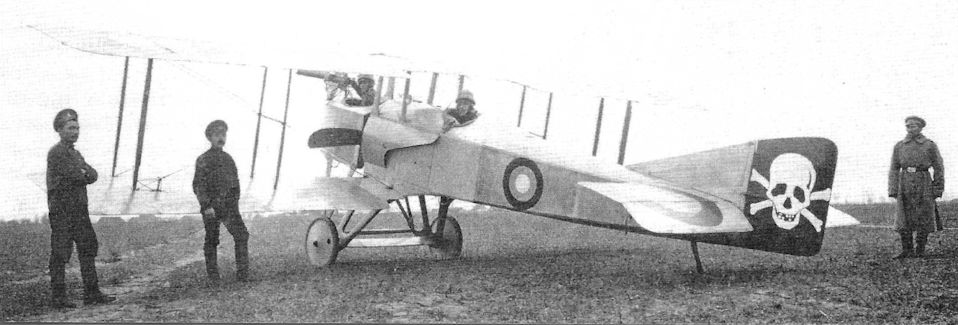
Military pilot Vladimir Shaitanov and observer Ensign Georgy Bratolyubov in their S.A.4 from the 19th KAO. November 1916, Lutsk. (SHAA)
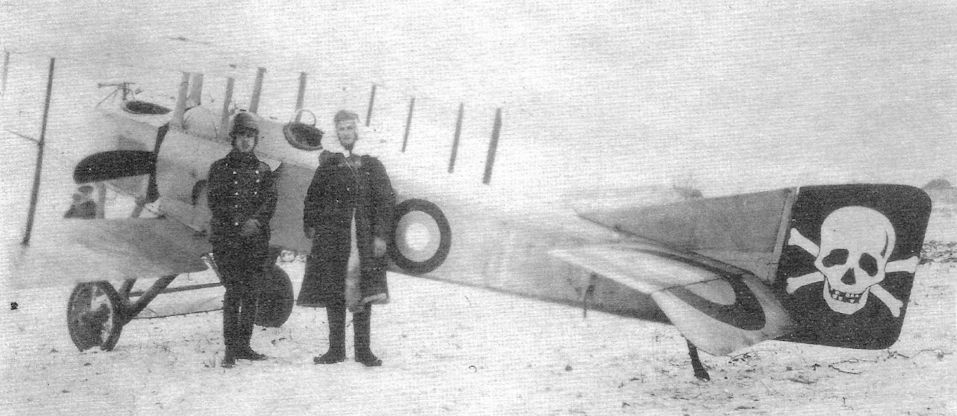
A Spad A.4 of the 19th Corps Fighter Detachment, Jassy airfield, Romania, February 1917, Smirnov (center of photo) and Lipsky flew several missions in this aircraft.
Military pilot Vladimir Shaitanov and observer Ensign Georgy Bratolyubov in front of their S.A.4 from the 19th KAO. November 1916, Lutsk. (SHAA)
Military pilot Vladimir Shaitanov and observer Ensign Georgy Bratolyubov in front of their S.A.4 from the 19th KAO. November 1916, Lutsk. (SHAA)

Ensign Bashinsky standing in front of a Spad A.2 from the 19th Corps Detachment. Bashinsky and Huber operated this aircraft on September 6, 1916, to assist Kozakov in shooting down a German two-seater from Feldflieger Abteilung 46. This was the first aerial victory involving a Russian-operated Spad A.2.
Senior non-commissioned officer pilot of the 19th KAO Vladimir Shaitanov in front of his Spad S.A.4. The observer in the front cockpit is armed with a Vickers machine gun. On the rudder is a unit marking - "Adam's head" (symbol of immortality) on a black background. The airfield near the city of Lutsk, autumn 1916.
Senior non-commissioned officer pilot of the 19th KAO Vladimir Shaitanov in front of his Spad S.A.4. The observer in the front cockpit is armed with a Vickers machine gun. On the rudder is a unit marking - "Adam's head" (symbol of immortality) on a black background. The airfield near the city of Lutsk, autumn 1916.
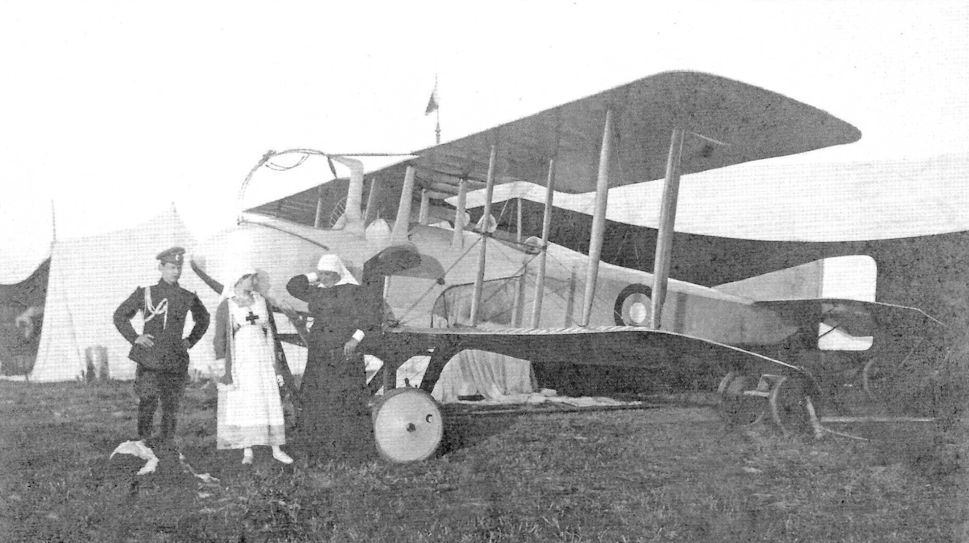
The adjutant of the 14th KAO, Poruchik Vasily Bekarevich, with the sisters of mercy - a souvenir photo of the S.A.4. The white rudder is without the usual markings. (Viktor Kulikov)
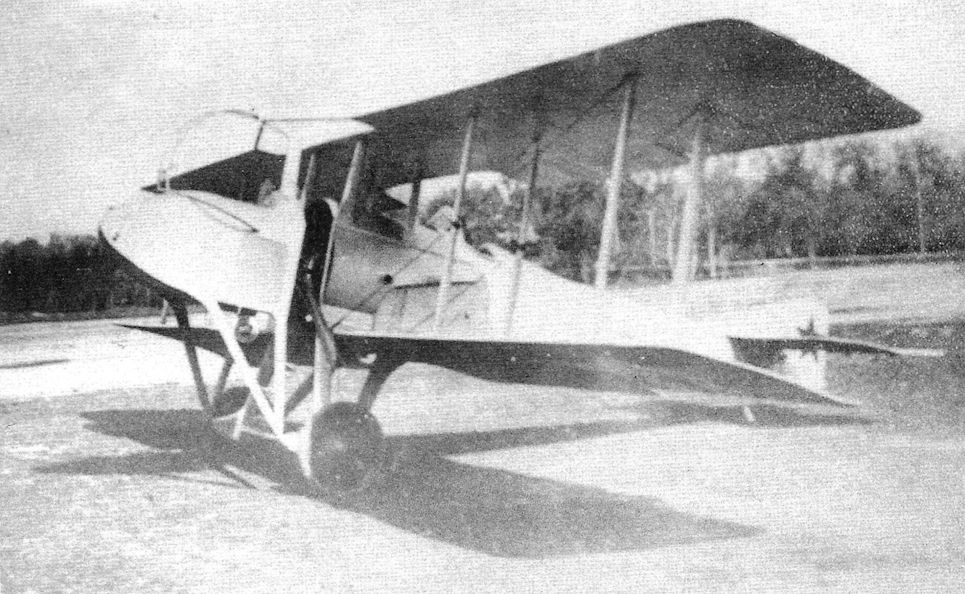
S.A.4 in Soviet service.
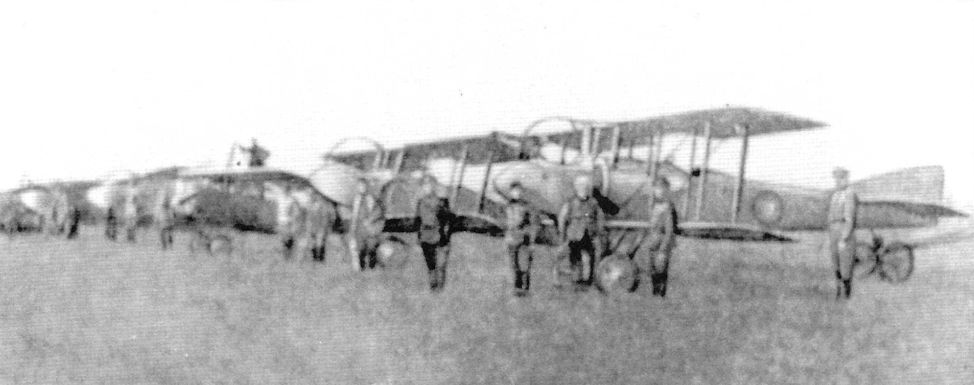
IRAS squadron lineup with S.A.4s. (SHAA)
Lineup of the 1st BAG at Loutsk in September 1916. Spad S.A.4s are intersperced with Nieuport 10s.
IRAS squadron lineup with SA.4s and, on the far right, two rare Vickers FB-19s, six of which were purchased by Russia. (SHAA)
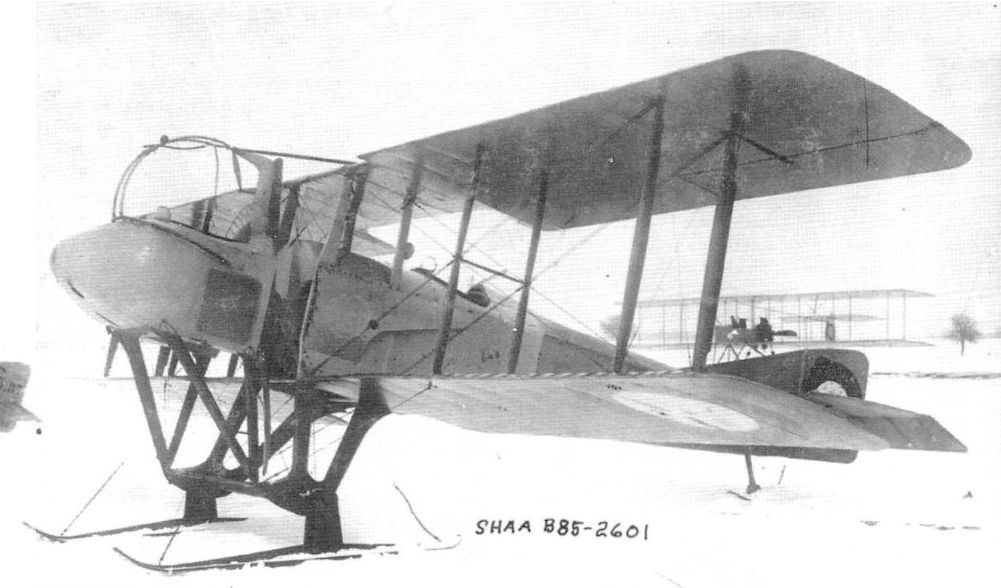
S.A.4 fitted with skiis. The omission of ailerons on the lower wings confirms it is an SA.4. (SHAA)
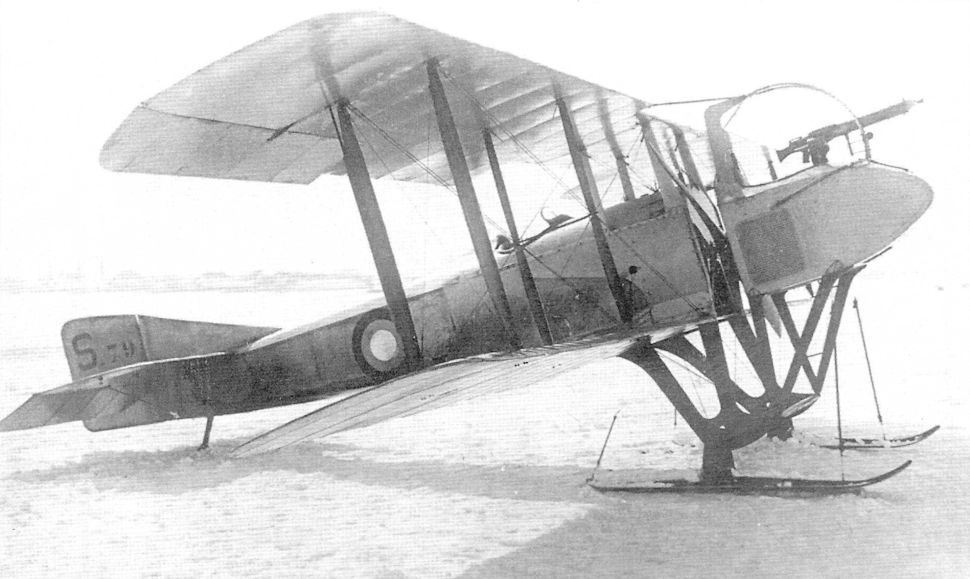
S.A.4 S.79 on 04/22/5/17: the pilot, private soldier Evgeny Nedzevetsky and the observer, senior non-commissioned officer Prokofy Rodion, both from the 30th KAO, shot down a Brandenburg. Both Austrian officers were captured; the pilots managed to burn the plane. The enemy plane was shot down in the Gura-Gumora area. Brandenburg C.I N 63.23 pilot Lieutenant of reserve Vladastimil Fiala, observer Oberleutnant Johan Baumgartner, were both from the Austrian aviation company Flik 1.
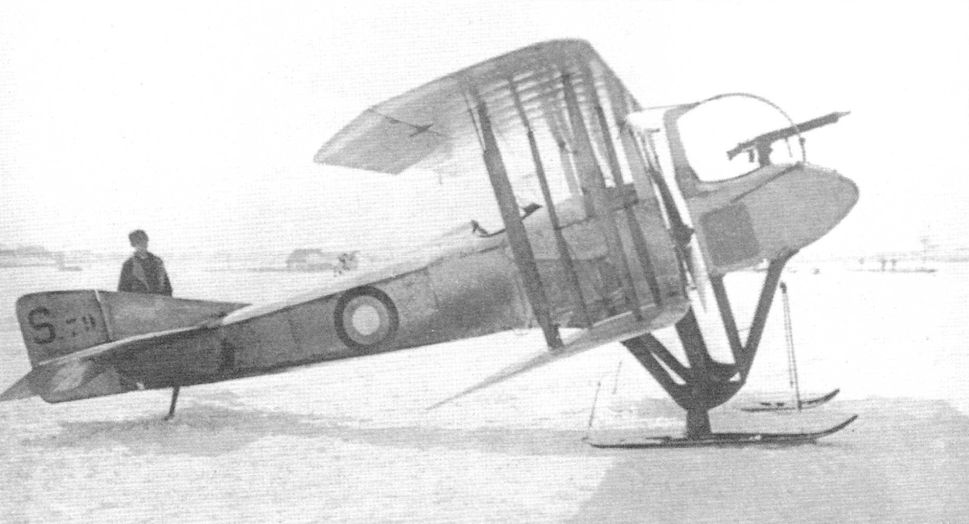
A crewman poses with his S.A.4 S.79 fitted with skiis. (SHAA)
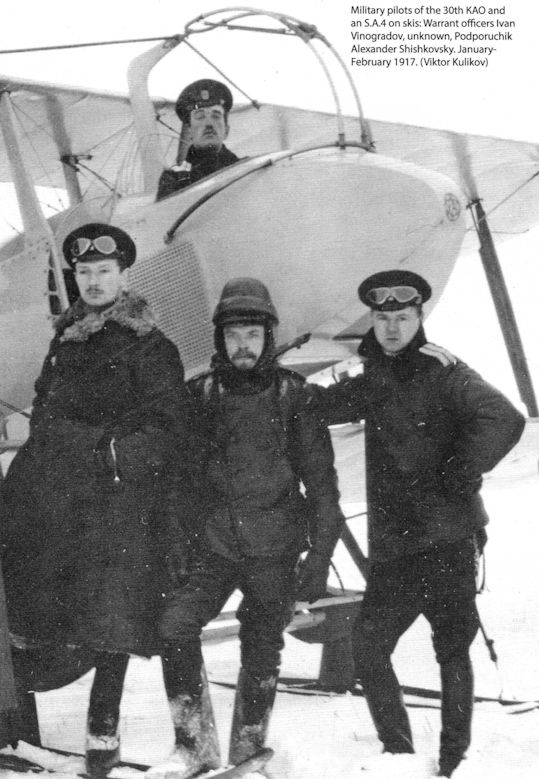
Military pilots of the 30th KAO and an S.A.4 on skis: Warrant officers Ivan Vinogradov, unknown, Podporuchik Alexander Shishkovsky. January-February 1917. (Viktor Kulikov)
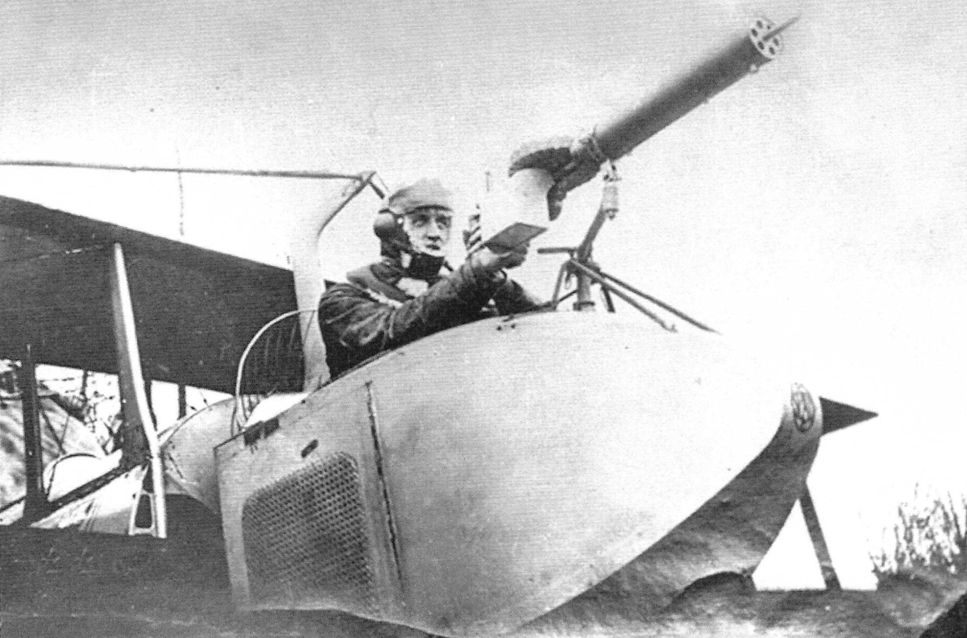
Observer Ensign Georgy Bratolyubov in an S.A.4 from the 19th KAO, November 1916, Lutsk. Note the unusual modification of the Lewis infantry machine gun in the gunners' cockpit. (Viktor Kulikov)
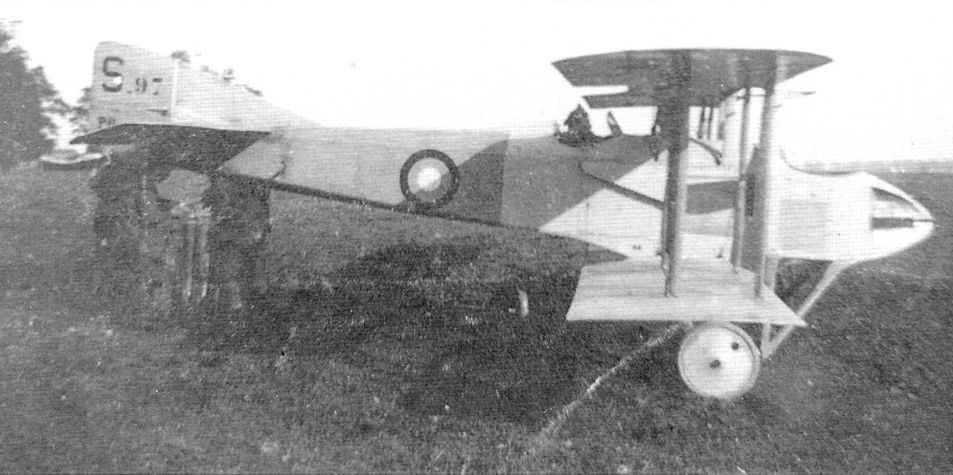
Side view of S-97 after the S.A.4 was modified.

S-97 was an S.A.4 that was modified into a single-seat fighter by replacing the gunner and his flexible gun with three fixed Colt machine guns. S-97 is the highest SFA number for which we have a photograph that can be identified and is one of the ten S.A.4 fighters that had the 110 hp Le Rhone 9J engine. The result was very similar to Bechereau's original idea of four fixed machine guns fired by the pilot in a modified nacelle without gunner. This aircraft was flown by a military pilot of the Guards Aviation Detachment, Podporuchik Ivan Kortaci, from October 1916 to May 1917.
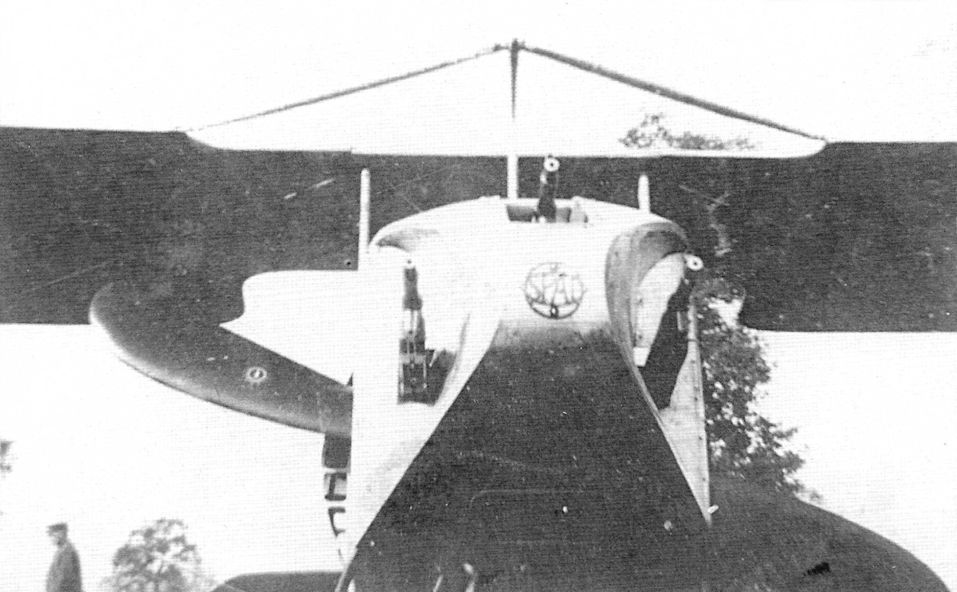
Front view of S-97 showing the three fixed Colt machine guns.
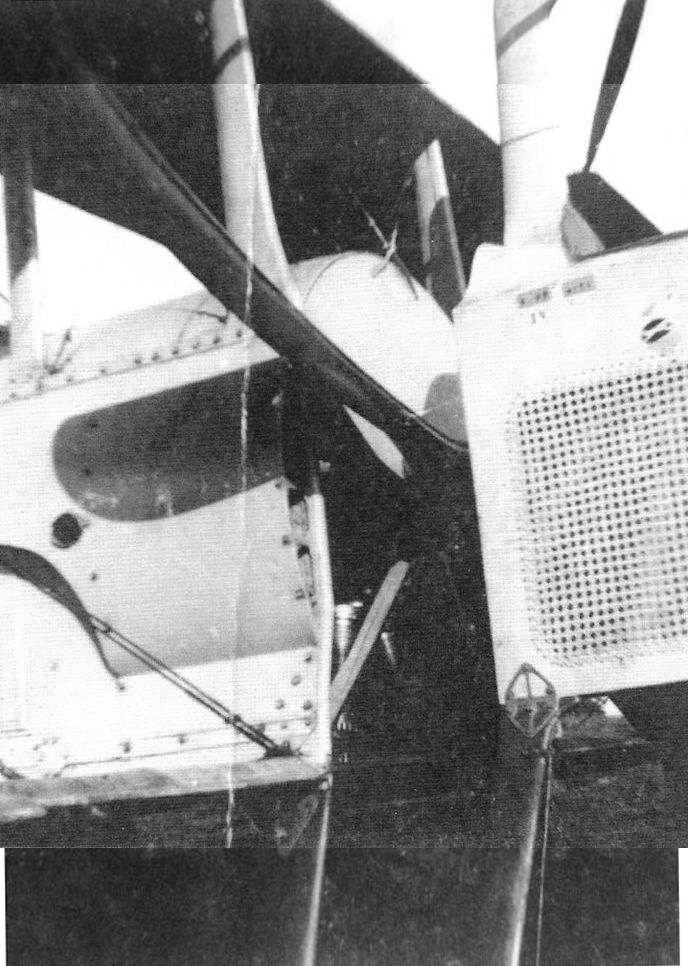
Side view of S-97 after the S.A.4 was modified showing the Bowden cable that fired the guns going up the aft nacelle support. (E. Sommer).
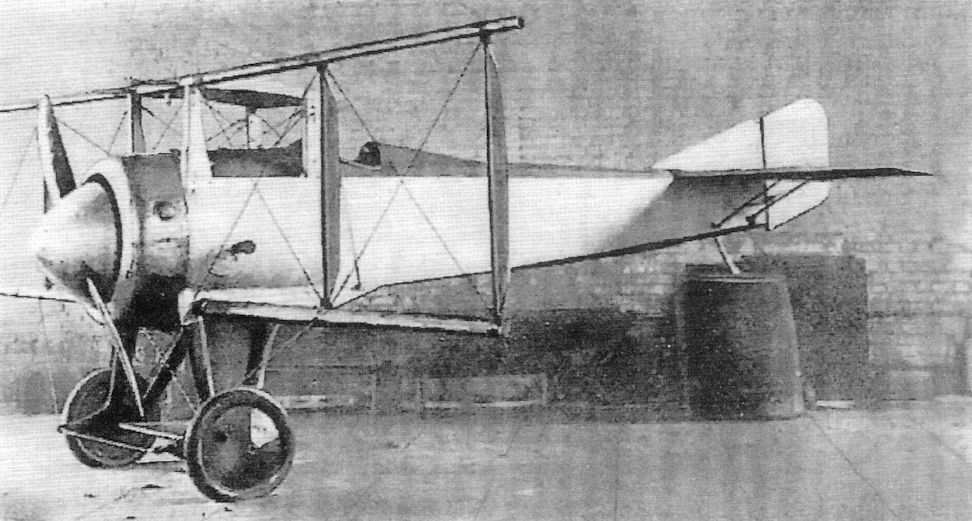
An S.A. being modified in Russia into a single-seat fighter. This paralleled the similar design changes the SPAD company made to develop the prototype of the excellent Spad VII with the exception that the SPAD company had access to the more powerful Hispano-Suiza V8 engine. The Spad A series was not an operational success but its structure formed the basis of the excellent Spad VII, which in turn led to the Spad XIII, widely considered the best Allied fighter and arguably the best fighter of the war.
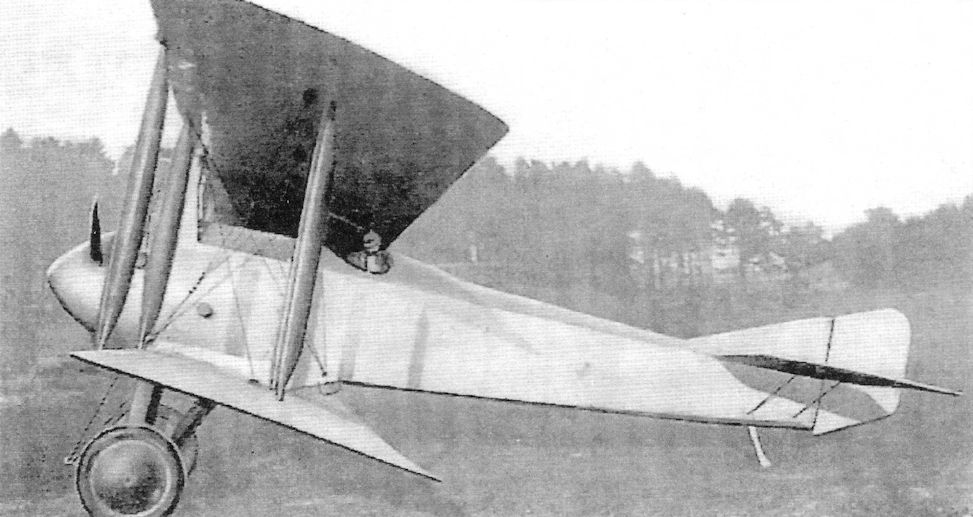
An S.A. after completion into a single-seat fighter.
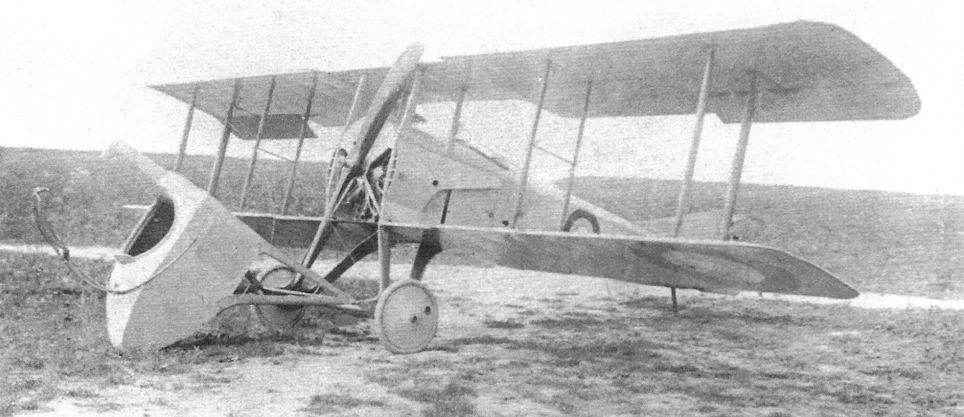
S.A.4, probably S.87, with the observer's cockpit tilted forward after a hard landing, autumn 1916. This aircraft was flown by pilot Corporal Vladimir Anders from October 1916 to June 1917. (SHAA)

S.A.4 in Russia with animal marking on the side with nacelle down for maintenance.
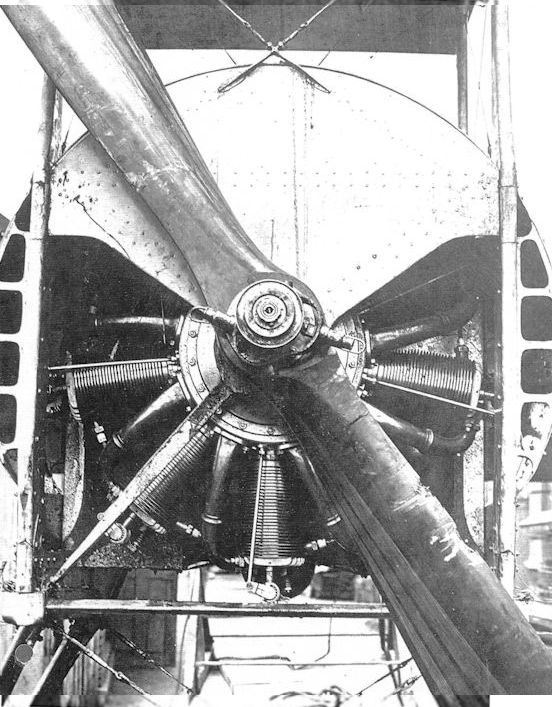
Close-up of the engine of SA.4 S-54 after capture.
Closeup of the Spad A.2's power plant - a 9 cylinder, 80 hp Le Rhone 9C rotary engine. With this power plant the aircraft could reportedly reach a top speed of 100 mph.
Closeup of the Spad A.2's power plant - a 9 cylinder, 80 hp Le Rhone 9C rotary engine. With this power plant the aircraft could reportedly reach a top speed of 100 mph.
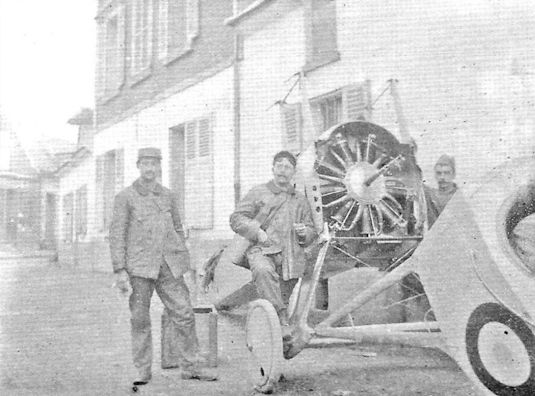
Damaged S.A.2 with nacelle down because there is no remaining support structure.
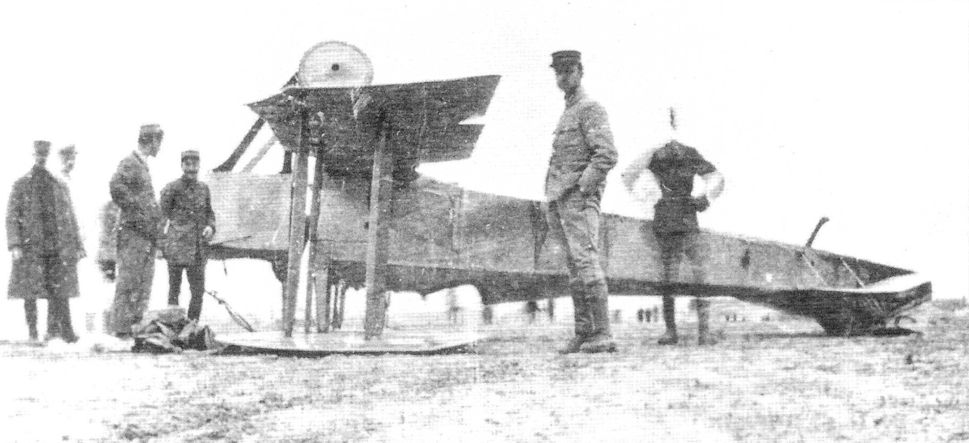
A Spad S.A.1 of the Camp Retranche de Paris (C.R.P.) at Le Bourget-Dugny has just overturned, and the expressions on the men indicate the passenger may not have fared well. The lower panel and fabric have been peeled from the nacelle. Could this be one of the accidents that Bert Hall referred to? (Musee de l'Air)
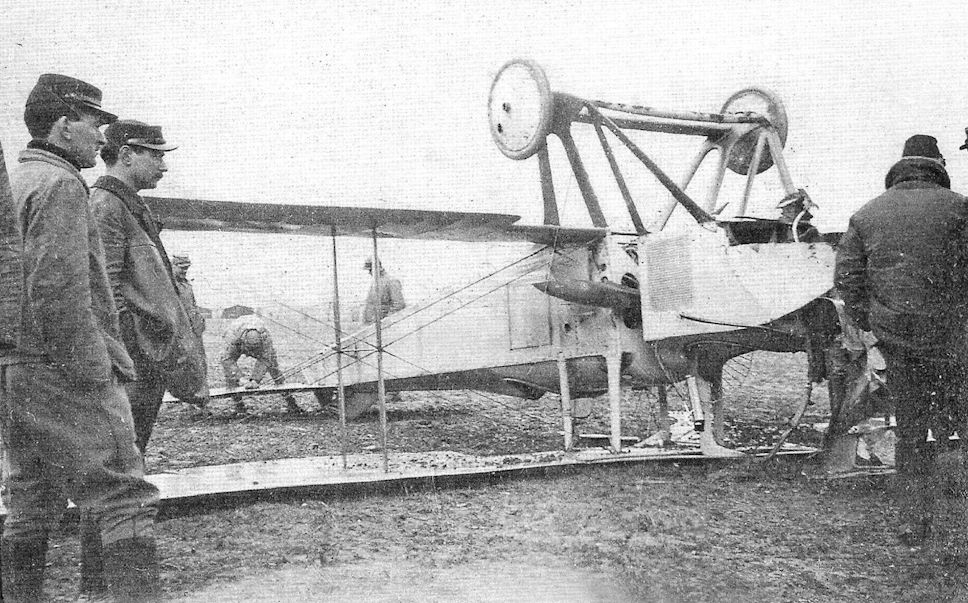

Spad SA.1 after a bad landing. This was the dread of all Spad A observers, who were very vulnerable in this kind of accident.
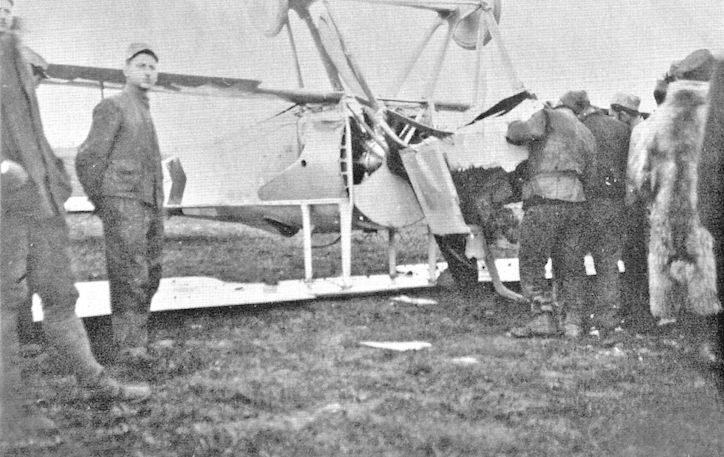
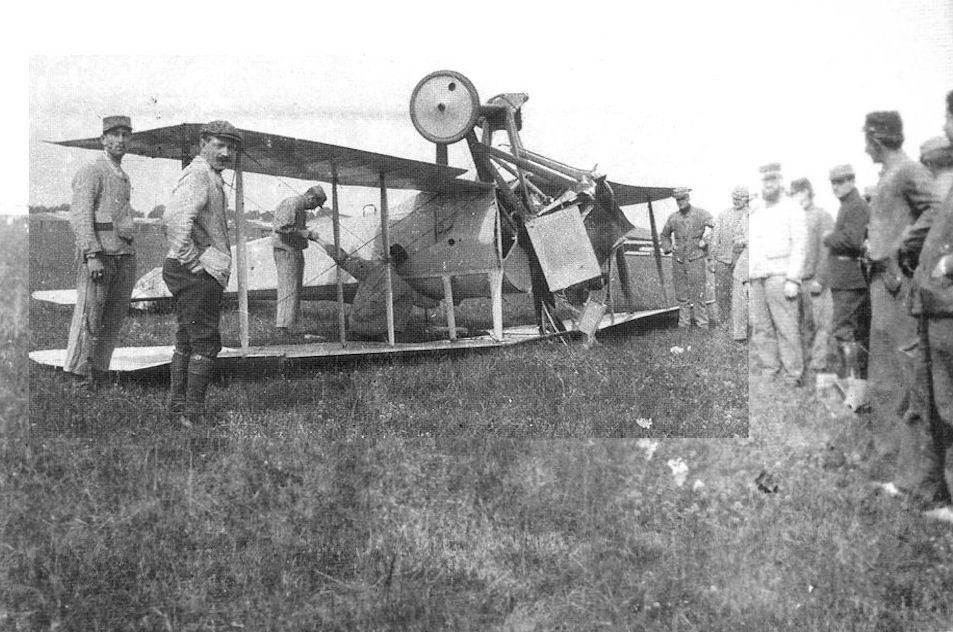
S.A.2 after a rough landing. It took a lot of courage for gunners to flying in the SA series knowing this was a not uncommon occurance. (SHAA)
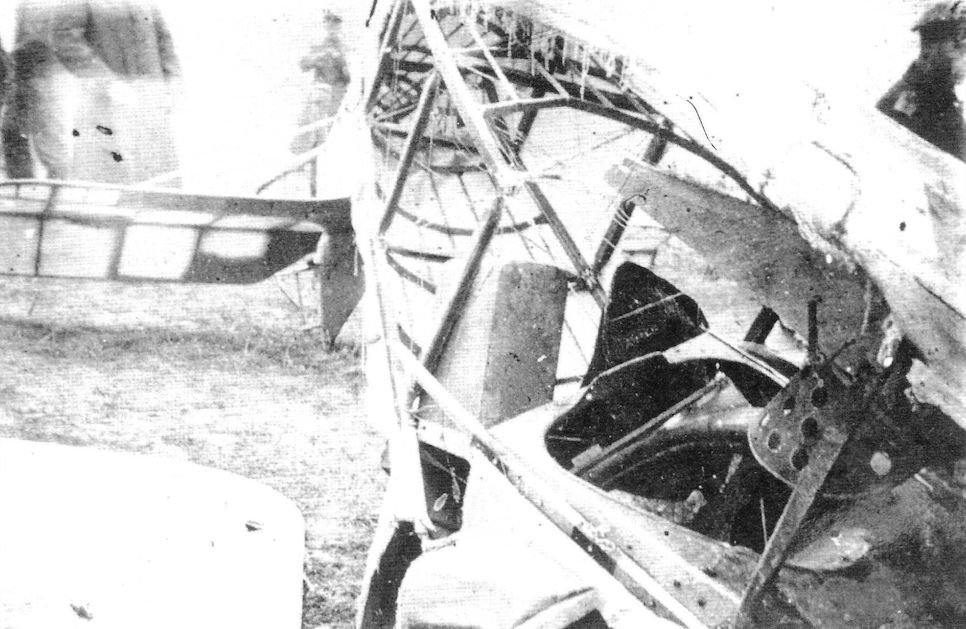
The wreck of Capitaine Maurice Schlumberger's S.A.1 S-10, shot down on 22 November 1915. Unfortunately, Capitaine Schlumberger was killed in this crash. Many construction details are visible. (SHAA)
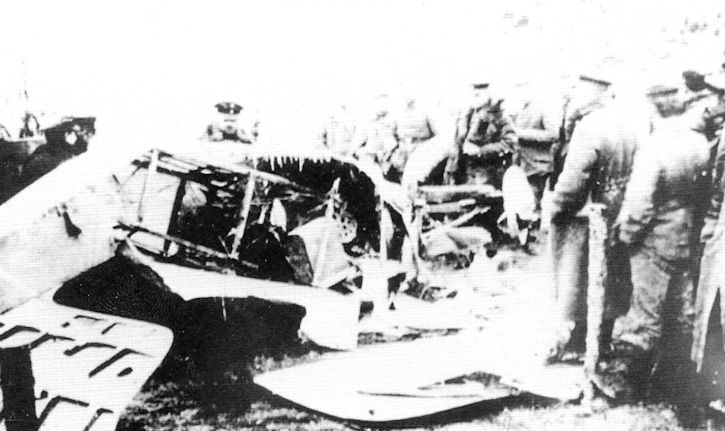

Pilot Senior non-commissioned officer Grigory Kibasov (wearing a flight helmet) near the wrecked S.A.4 S-84, which was destroyed on May 20, 1917. Forced landing due to poor engine operation outside the airport and nose over. Observer Abramov was seriously injured. (Viktor Kulikov)

Fatal crash of a Russian S.A. (SHAA)
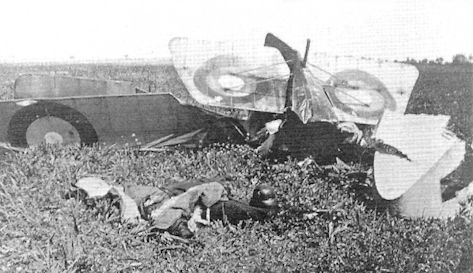
Fatal crash of a S.A.4, positively identified by the lack of an aileron on the lower wing. The bodies of the crew are visible. This may be the crash of S-64 of the 27th KAO shot down in Romania on 16/29 May, 1917, by three Fokker Eindeckers. Both types had disappeared from the Western Front a year earlier. (SHAA)
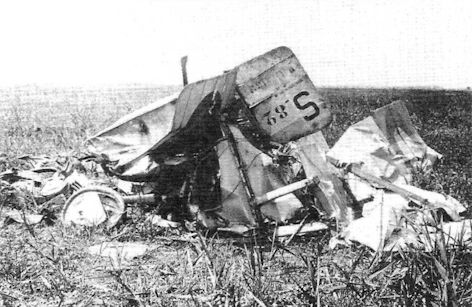
Crash of S.A.4 S-82 in Russia. (A. Toelle)
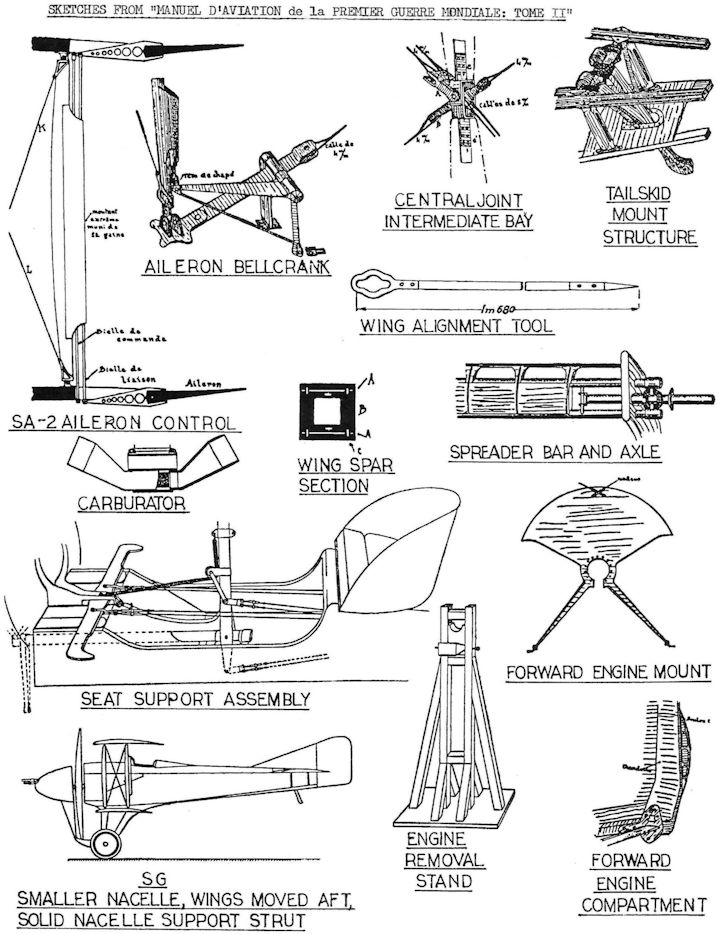

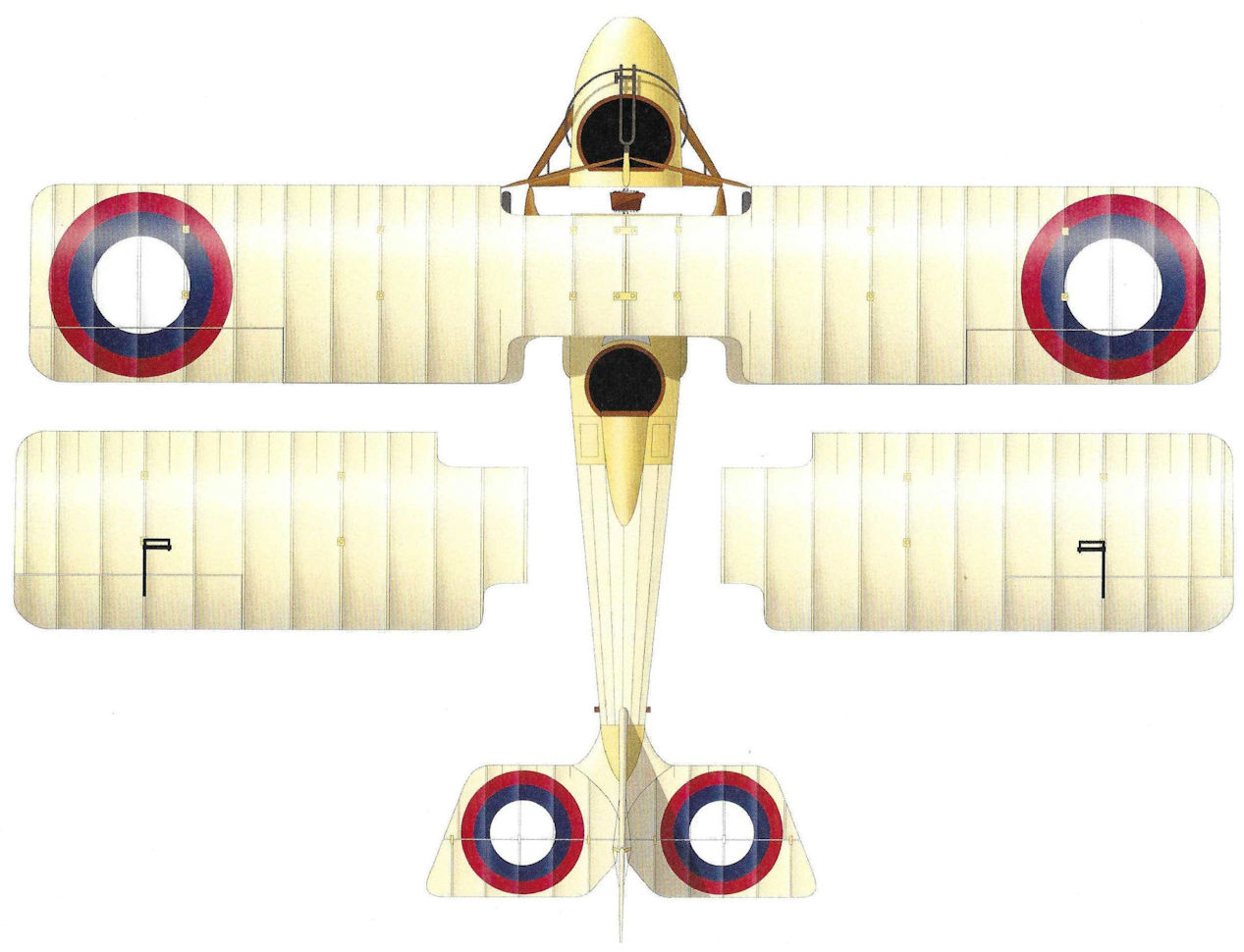
Spad S.A.2 IRAS Plan View. Spad S.A.4 IRAS similar
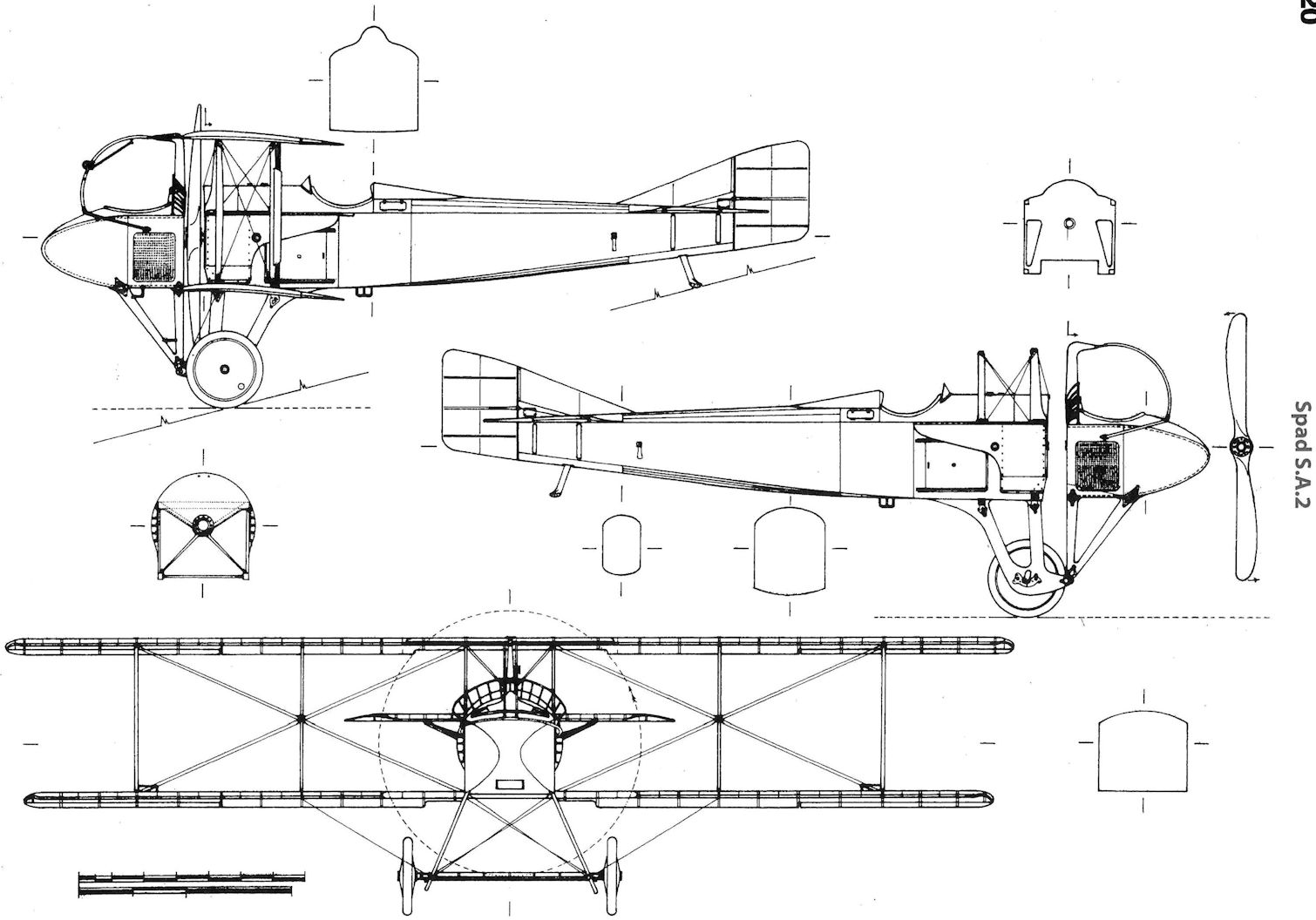
Spad S.A.2

Spad S.A.2
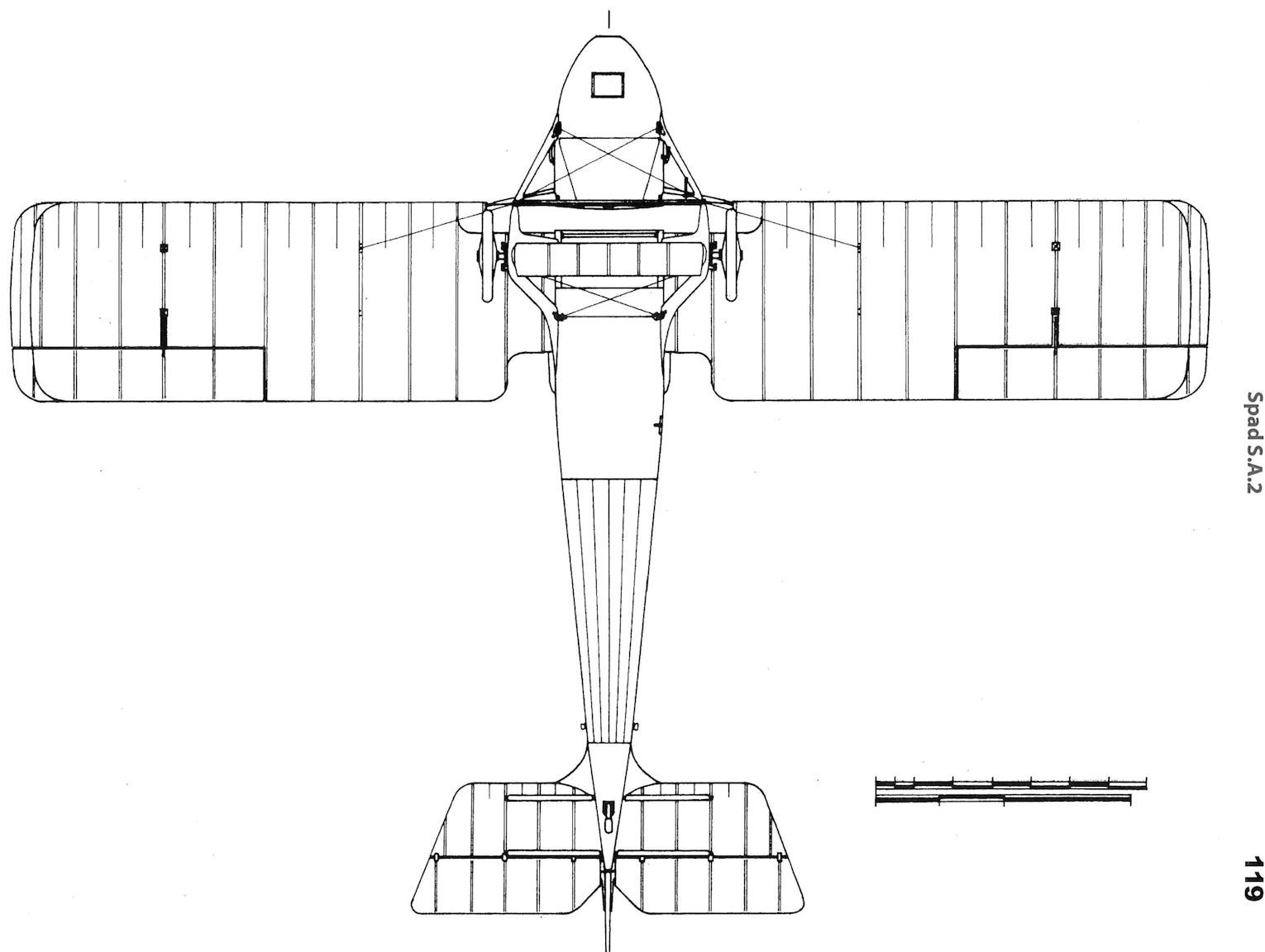
Spad S.A.2
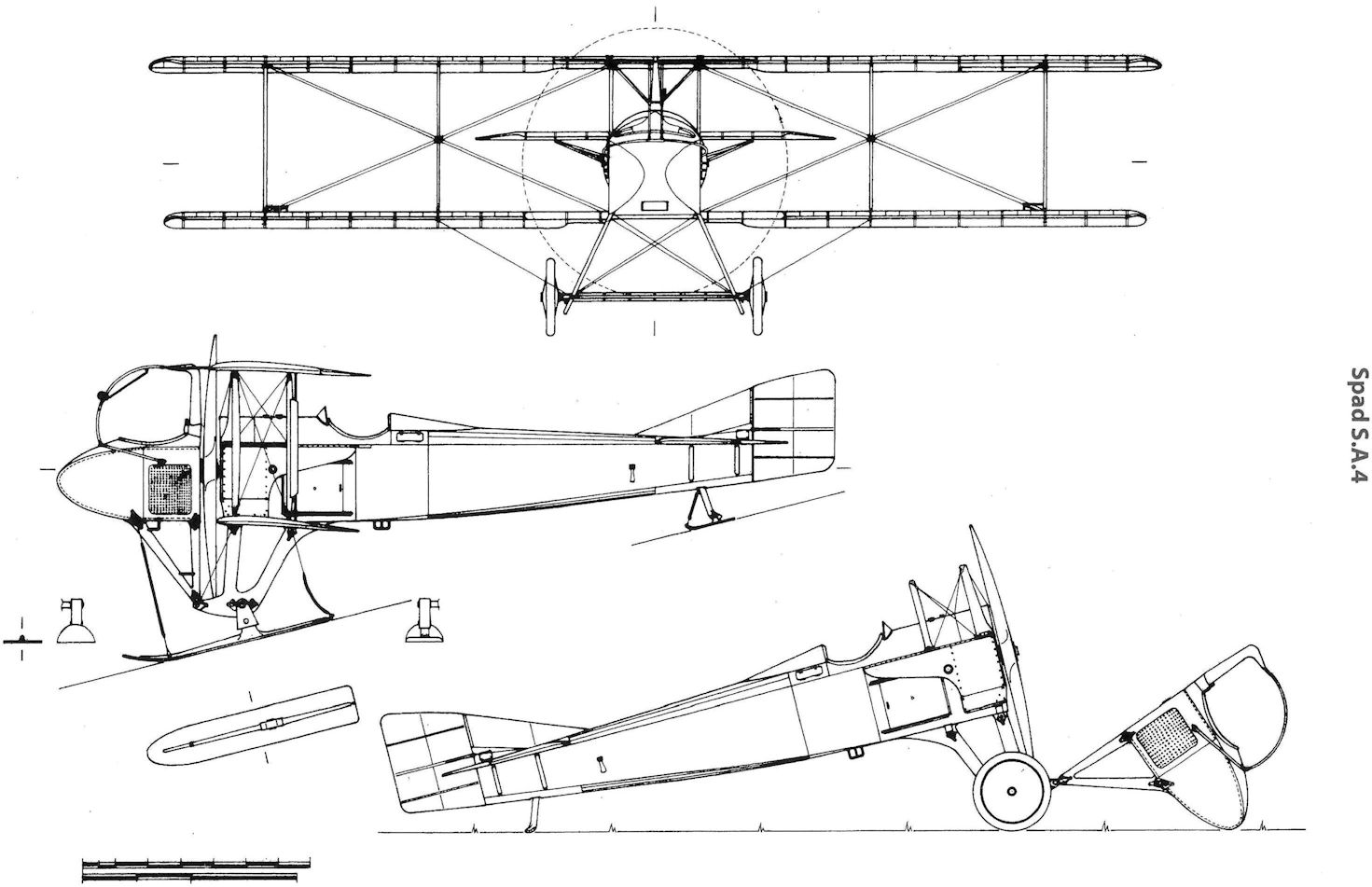
Spad S.A.4
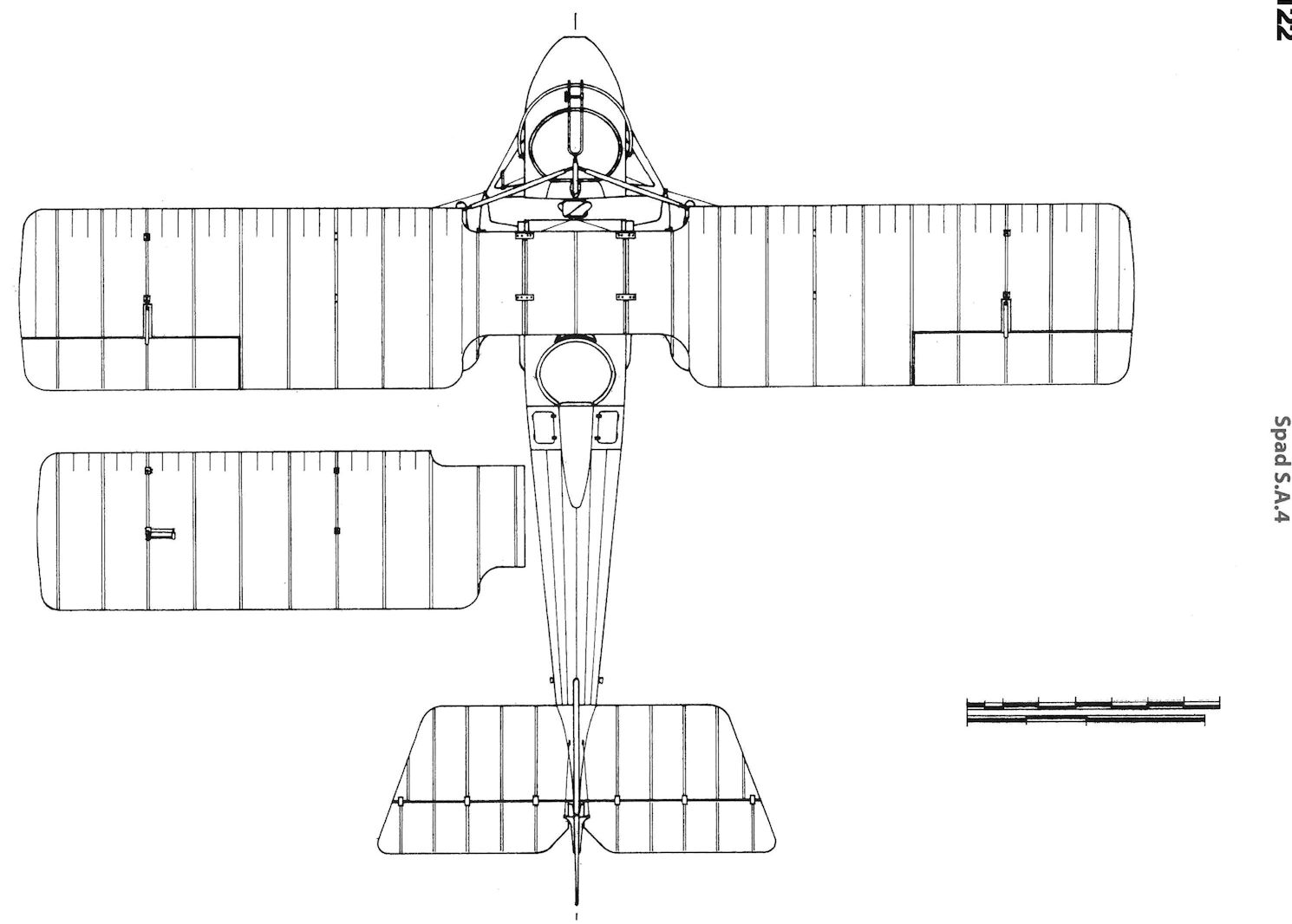
Spad S.A.4
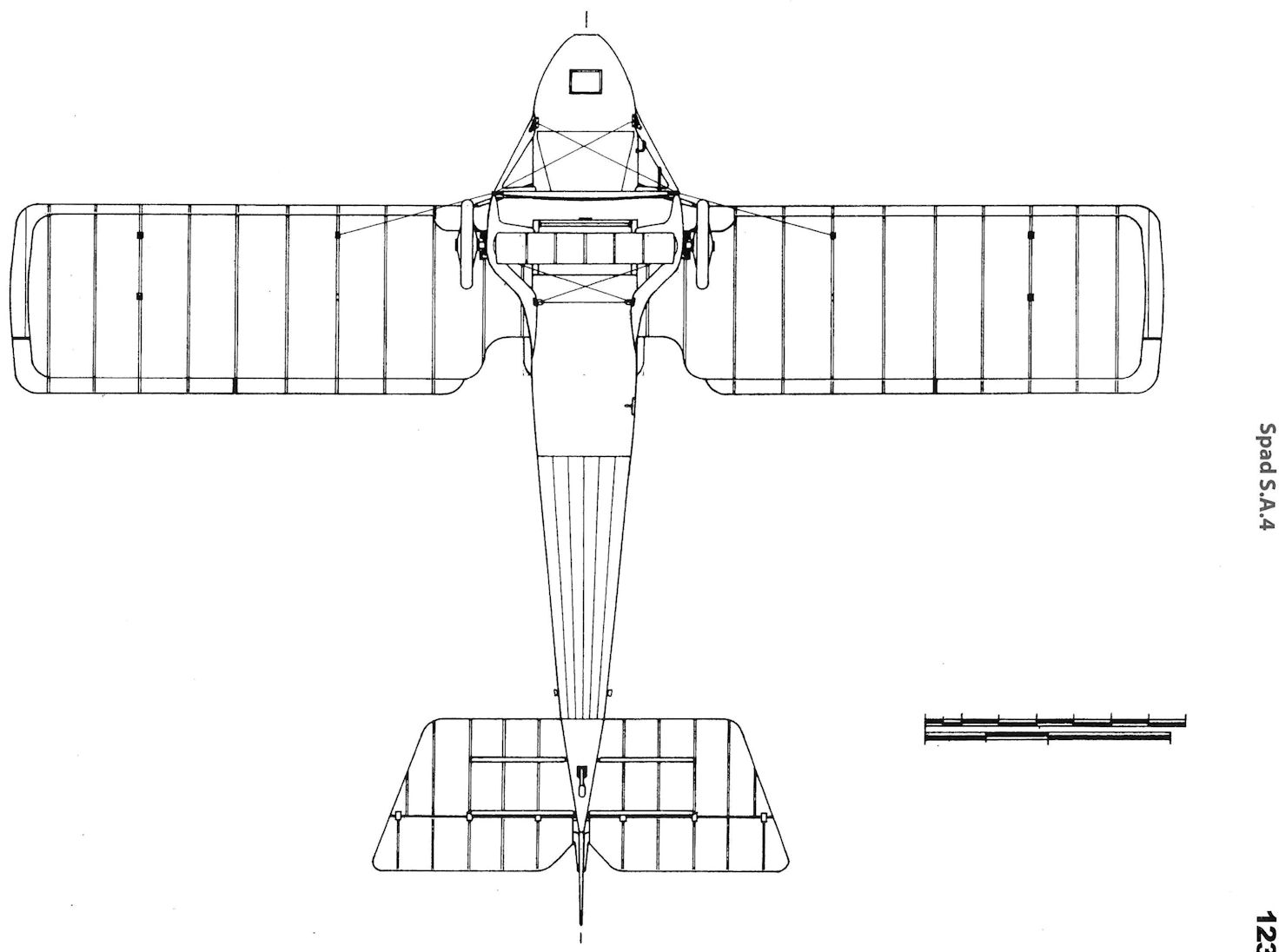
Spad S.A.4
Spad S.A.3 & Other Spad S.A.Derivatives
The S.A.3 was a single prototype with dual controls and a mock-up machine gun for the pilot. It had SFA number S-40 and the manufacturer's number was likely 401. Its airframe was a modified S.A.2 and it was powered by the 110 hp Le Rhone. The nacelle was broadened at the nose to accommodate rudder bars for the gunner and the cooling ducts were not as long horizontally but taller vertically than on the S.A.2.
The intention of the S.A.3 was to enable either crew member to act as gunner and the other as pilot depending on the position of the enemy relative to the aircraft. There appears to be a voice tube around the lower portion of the starboard under-carriage strut to help crew coordination as was tried on earlier S.A. aircraft.; its effectiveness is not known.
The S.A.3 was built because Béchereau hoped to quickly make the standard SA design more reliable. Development of the SA, originally planned to last 10 days, was not completed after a month. On 17 September a commission meeting at Chalais stated only that it would "at that point soon". Experience with the SA indicated to the design team and military authorities that the problems would never be solved.
The S.A.3 was also in response to an official G.Q.G. request for a fighter with more power and guns fore and aft made 2 August 1915. Although the authorities preferred the use of a twin-engine, three-place aircraft, the S.A.3 potentially could solve the desire with a smaller aircraft with a single engine.
The S.A.3 was doomed by the poor cooling of the engine and difficulty of the crew members coordinating in flight. It finished its life as a trainer.
The S.A.3 was a single prototype with dual controls and a mock-up machine gun for the pilot. It had SFA number S-40 and the manufacturer's number was likely 401. Its airframe was a modified S.A.2 and it was powered by the 110 hp Le Rhone. The nacelle was broadened at the nose to accommodate rudder bars for the gunner and the cooling ducts were not as long horizontally but taller vertically than on the S.A.2.
The intention of the S.A.3 was to enable either crew member to act as gunner and the other as pilot depending on the position of the enemy relative to the aircraft. There appears to be a voice tube around the lower portion of the starboard under-carriage strut to help crew coordination as was tried on earlier S.A. aircraft.; its effectiveness is not known.
The S.A.3 was built because Béchereau hoped to quickly make the standard SA design more reliable. Development of the SA, originally planned to last 10 days, was not completed after a month. On 17 September a commission meeting at Chalais stated only that it would "at that point soon". Experience with the SA indicated to the design team and military authorities that the problems would never be solved.
The S.A.3 was also in response to an official G.Q.G. request for a fighter with more power and guns fore and aft made 2 August 1915. Although the authorities preferred the use of a twin-engine, three-place aircraft, the S.A.3 potentially could solve the desire with a smaller aircraft with a single engine.
The S.A.3 was doomed by the poor cooling of the engine and difficulty of the crew members coordinating in flight. It finished its life as a trainer.
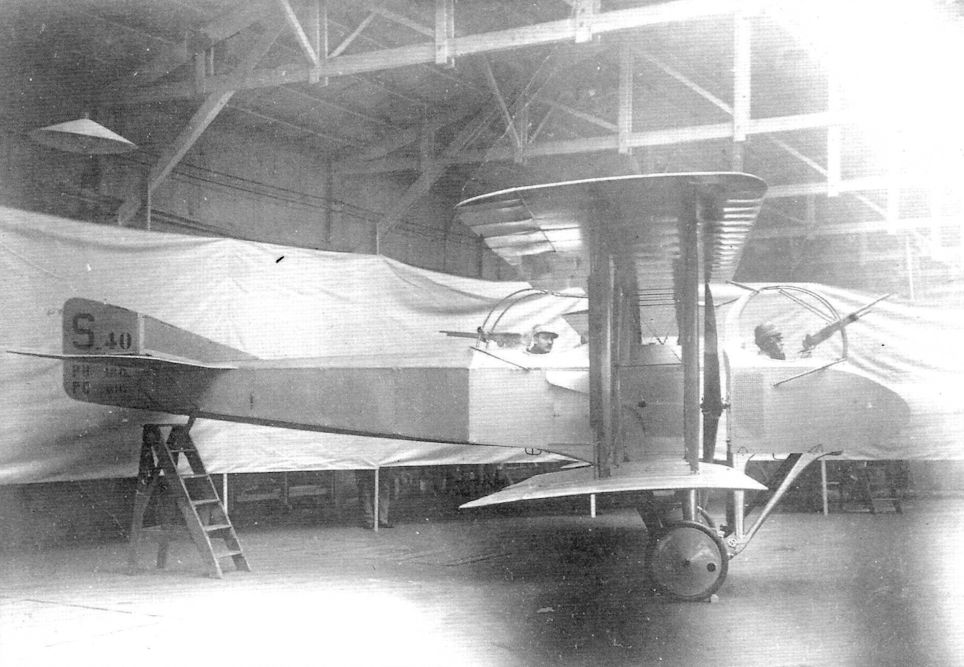

S-40 was the only S.A.3. Based on the S.A.2 with 110 hp Le Rhone, it probably had manufacture's number 401. The pilot a mock-up Lewis machine gun and it had dual controls. (SHAA)
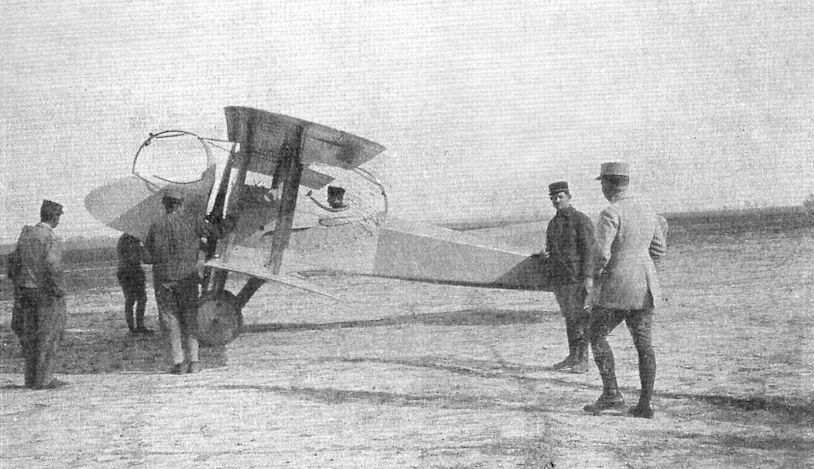
S.A.3 was assigned to training use after evaluation.
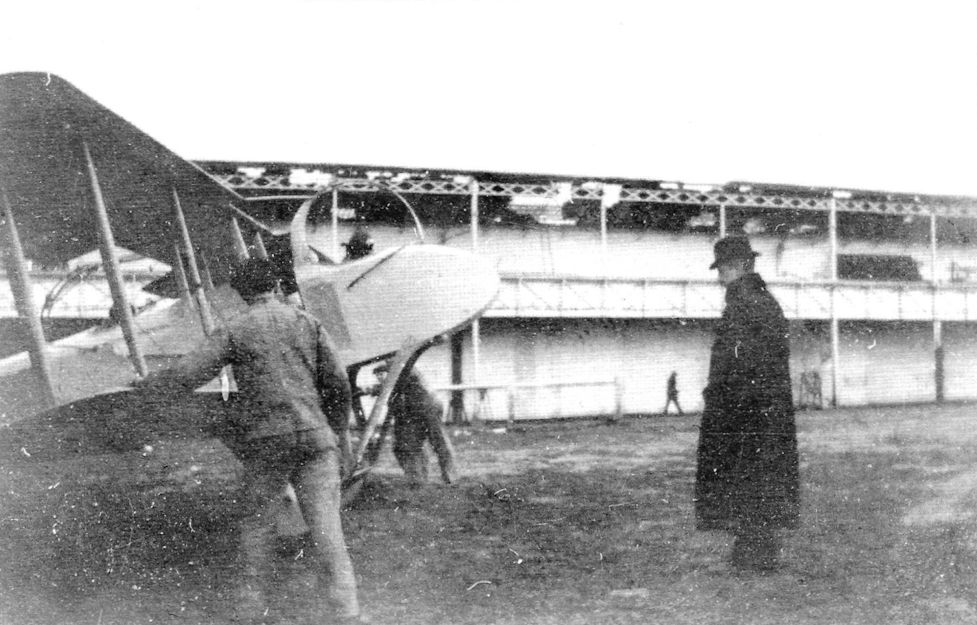
Close-up if the S.A.3 as a trainer.
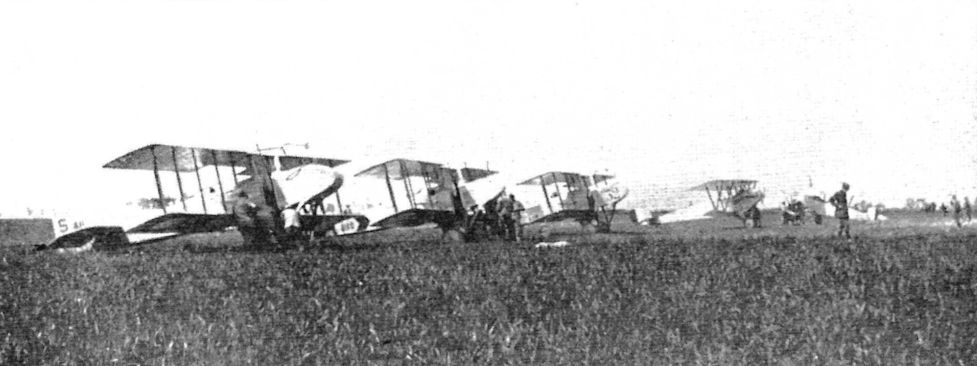
S-40 as a trainer; here at the far left of the lineup. (LGA)
Other designs Derived from the SA
<...>
The Spad SD was a large, three-seat aircraft with fore and aft guns. Powered by a Panhard-Levassor of 240 hp, it was said to achieve 128 km/h with an endurance of 5 hours. There are no confirmed photos of this aircraft but the aircraft on the facing page may be the SD.
<...>
<...>
The Spad SD was a large, three-seat aircraft with fore and aft guns. Powered by a Panhard-Levassor of 240 hp, it was said to achieve 128 km/h with an endurance of 5 hours. There are no confirmed photos of this aircraft but the aircraft on the facing page may be the SD.
<...>
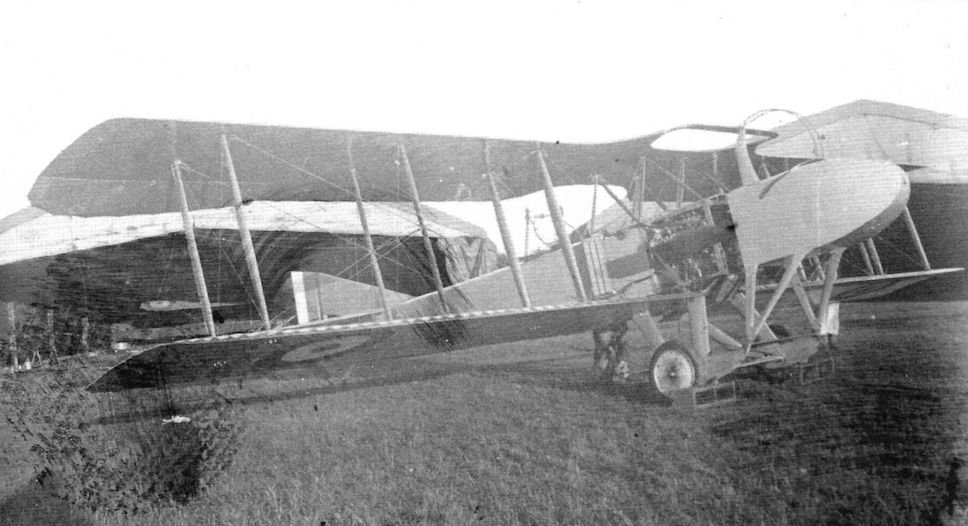
This large Spad featured a Spad nacelle; it was built by Bleriot for the late 1916 bomber competition. The aircraft was a three-seater and the engine was a 240 hp Panhard. This aircraft may be the Spad SD. (SHAA)
This aircraft is believed to be the SPAD SD. Blueprints available at the Musee de I'Air are very similar to the aircraft pictured.
This aircraft is believed to be the SPAD SD. Blueprints available at the Musee de I'Air are very similar to the aircraft pictured.
Other designs Derived from the SA
<...>
From the beginning an alternative to the standard SA was an airplane that replaced the nacelle with gunner with a nacelle with up to four fixed guns fired by the pilot. The SA was tested with a mock-up nacelle and four fixed dummy guns. Encouraged to design a production aircraft, in the beginning of 1916 there were two formal designs, the SG-1 and SG-2. Formalized on 28 February 1916, the SG.1 were for two aircraft, retained the wingspan of the SA.2 but with reduced wing area since its gross weight was lower (660 kg versus 735 kg. The reduced wing area apparently was due to reduced chord on the lower wing.
The second version, the SG.2, was similar to the SG.1 but with reduced wingspan of 7.750 m compared with 9.550 m of the SG.1. Both designs were to be powered by a 110 Le Rhone. It is unknown whether either was built or flown. The performance figures are thought to be estimates, not measured performance.
SG.1 & SG.2 Project Specifications
Characteristic S.G.1 S.G.2
Wingspan, Upper 9.555 m (31 ft. 4 inches) 7.550 m (25 ft. 9 inches)
Length 7.350 m (24 ft. 1 inches) 7.350 m (24 ft. 1 inches)
Height 2.600 m (8 ft. 6 inches) 2.550 m (8 ft. 4 inches)
Wing Area 24.10 m2 (259.4 ft2) 18.40 m2 (198.1 ft2)
Empty Wt. 440 kg (970 lb) 420 kg (926 lb)
Payload 220 kg (485 lb.) 220 kg (485 lb.)
Total Wt 735 kg (1,620.4 lb.) -
Engine 110 hp Le Rhone 9J rotary 110 hp Le Rhone 9J rotary
Fuel 105 L (27.7 gal.) 105 L (27.7 gal.)
Oil 25 L (26.4 gal.) 25 L (26.4 gal.)
Gross Weight 660 kg (1,455 lb.) 640 kg (1,411 lb.)
Top Speed Estimated 161 km.h (100 mph) at 2000 m -
154 km.h (95.7 mph) at 3000 m -
Climb Rate Estimated
2000 m 7 min. 15 sec. -
3000 m 11 min. 30 sec. -
<...>
From the beginning an alternative to the standard SA was an airplane that replaced the nacelle with gunner with a nacelle with up to four fixed guns fired by the pilot. The SA was tested with a mock-up nacelle and four fixed dummy guns. Encouraged to design a production aircraft, in the beginning of 1916 there were two formal designs, the SG-1 and SG-2. Formalized on 28 February 1916, the SG.1 were for two aircraft, retained the wingspan of the SA.2 but with reduced wing area since its gross weight was lower (660 kg versus 735 kg. The reduced wing area apparently was due to reduced chord on the lower wing.
The second version, the SG.2, was similar to the SG.1 but with reduced wingspan of 7.750 m compared with 9.550 m of the SG.1. Both designs were to be powered by a 110 Le Rhone. It is unknown whether either was built or flown. The performance figures are thought to be estimates, not measured performance.
SG.1 & SG.2 Project Specifications
Characteristic S.G.1 S.G.2
Wingspan, Upper 9.555 m (31 ft. 4 inches) 7.550 m (25 ft. 9 inches)
Length 7.350 m (24 ft. 1 inches) 7.350 m (24 ft. 1 inches)
Height 2.600 m (8 ft. 6 inches) 2.550 m (8 ft. 4 inches)
Wing Area 24.10 m2 (259.4 ft2) 18.40 m2 (198.1 ft2)
Empty Wt. 440 kg (970 lb) 420 kg (926 lb)
Payload 220 kg (485 lb.) 220 kg (485 lb.)
Total Wt 735 kg (1,620.4 lb.) -
Engine 110 hp Le Rhone 9J rotary 110 hp Le Rhone 9J rotary
Fuel 105 L (27.7 gal.) 105 L (27.7 gal.)
Oil 25 L (26.4 gal.) 25 L (26.4 gal.)
Gross Weight 660 kg (1,455 lb.) 640 kg (1,411 lb.)
Top Speed Estimated 161 km.h (100 mph) at 2000 m -
154 km.h (95.7 mph) at 3000 m -
Climb Rate Estimated
2000 m 7 min. 15 sec. -
3000 m 11 min. 30 sec. -