Описание
Страна: Австро-Венгрия
Год: 1917
Единственный экземпляр
Истребитель
R.Keimel Osterreichs Luftfahrzeuge (Weishaupt Verlag)
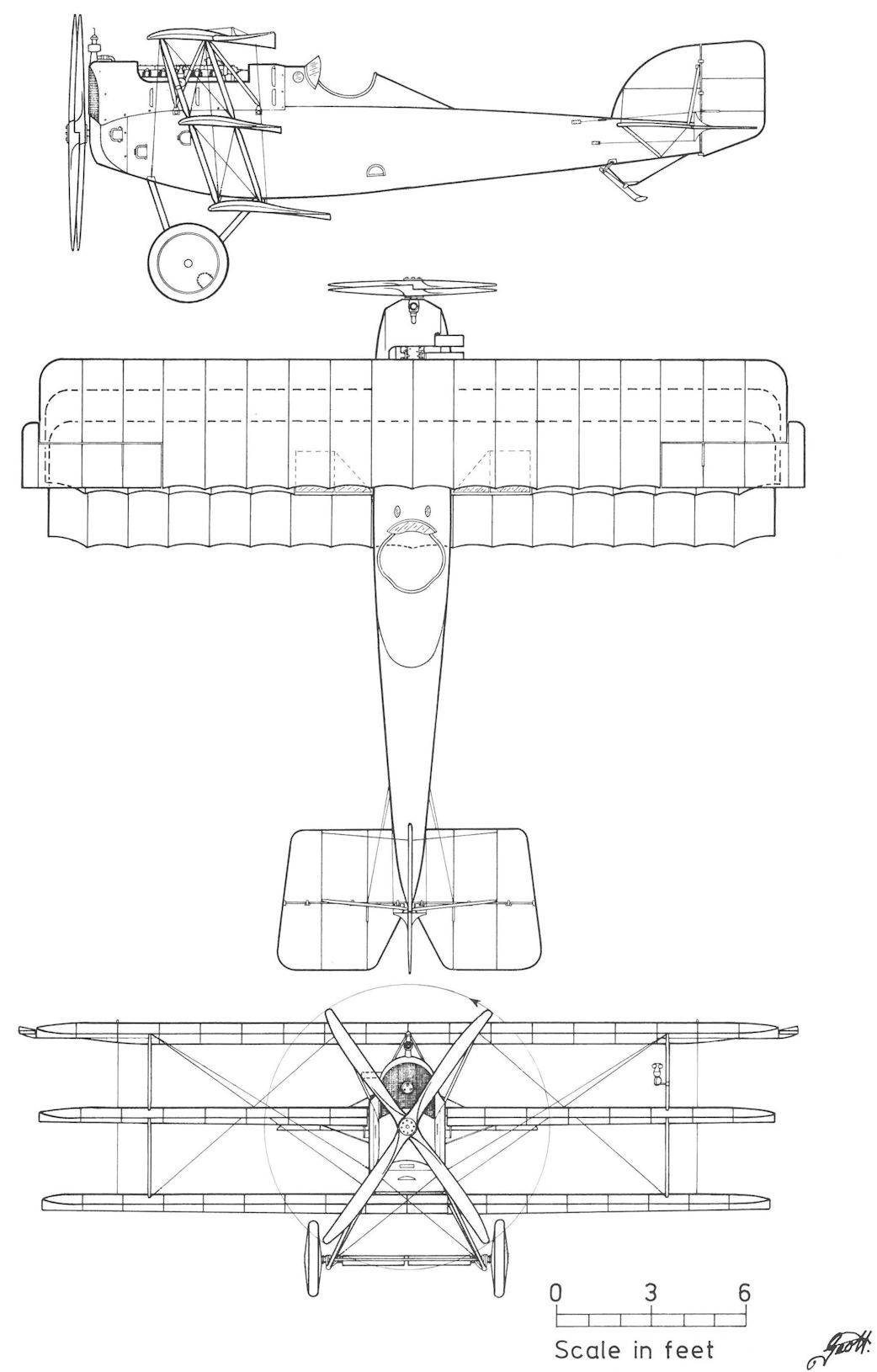
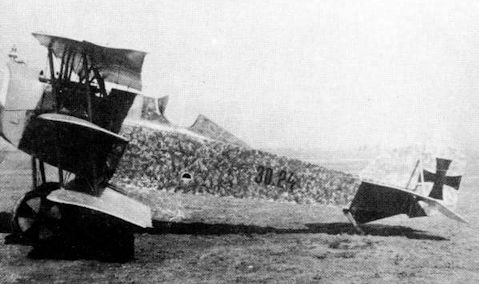
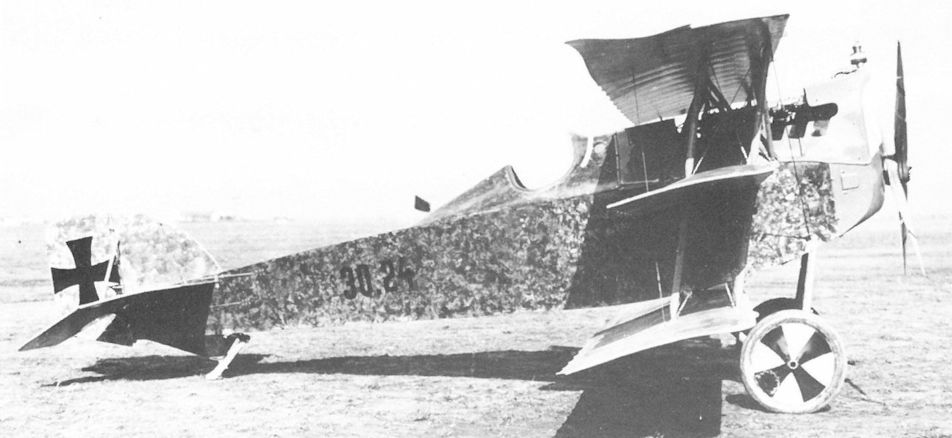
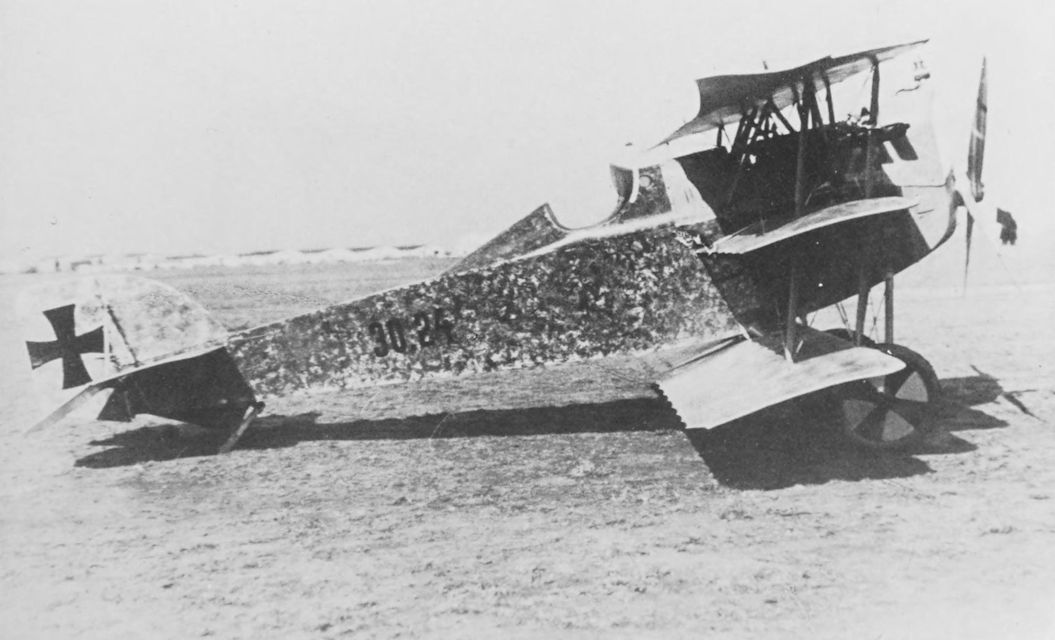
Aviatik (Berg) D-Prototyp (30.24) 1917
Прототип истребителя-триплана, сконструированный дипл. инж. Юлиусом фон Бергом на базе истребителя Aviatik (Berg) D I. Завершён и совершил полёт в мае 1917 года. Поскольку испытания не выявили существенных преимуществ по сравнению с бипланом, от серийного производства отказались.
Производитель: Österreichisch-ungarische Flugzeugfabrik Aviatik, Вена-Хайлигенштадт.
Назначение: Прототип истребителя.
Построен: 1917
Первый полёт: май 1917
Количество: 1 экземпляр
Бортовой номер: 30.24
Экипаж: 1
Двигатель: 1 × 147 кВт (200 л.с.) Austro-Daimler, 6 цилиндров, четырёхлопастный винт.
Размеры:
Размах крыла: 7,22 м
Длина: 6,86 м
Высота: 2,75 м
Площадь крыльев: 22,5 м²
Веса:
Пустой: 620 кг
Макс. взлётный вес: 862 кг
Нагрузка на крыло: 38,4 кг/м²
Нагрузка на мощность: 5,87 кг/кВт
Макс. скорость: 174 км/ч
Время набора 1000 м: 2,66 мин
Время набора 2000 м: 4,15 мин
Время набора 3000 м: 8,10 мин
Описание:
- R.Keimel Osterreichs Luftfahrzeuge (Weishaupt Verlag)
- W.Green, G.Swanborough The Complete Book of Fighters
- P.Grosz, G.Haddow, P.Shiemer Austro-Hungarian Army Aircraft of World War One (Flying Machines)
- E.Hauke, W.Schroeder, B.Totschinger Die Flugzeuge der k.u.k. Luftfahrtruppe und Seeflieger 1914-1918
Фотографии

-
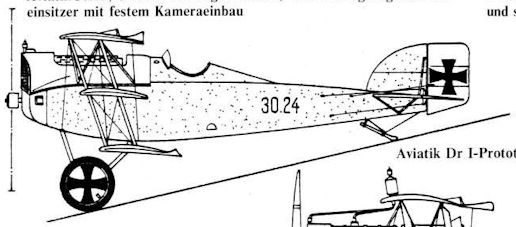
E.Hauke, W.Schroeder, B.Totschinger - Die Flugzeuge der k.u.k. Luftfahrtruppe und Seeflieger 1914-1918
Регистрационный номер: 30.24 [10] Aviatik Dr I-Prototyp
-
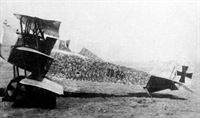
E.Hauke, W.Schroeder, B.Totschinger - Die Flugzeuge der k.u.k. Luftfahrtruppe und Seeflieger 1914-1918
Регистрационный номер: 30.24 [10] Aviatik 30.24, Versuchsflugzeug von Berg als Dreidecker
Aviatik 30.24, экспериментальный триплан Berg -
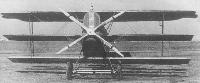
W.Green, G.Swanborough - The Complete Book of Fighters
Регистрационный номер: 30.24 [10] The Aviatik (Berg) 30.24 was a triplane derivative of the DI with a 200 hp Austro-Daimler. Only one triplane prototype was completed.
-
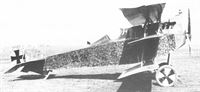
P.Grosz, G.Haddow, P.Schiemer - Austro-Hungarian Army Aircraft of World War One /Flying Machines/
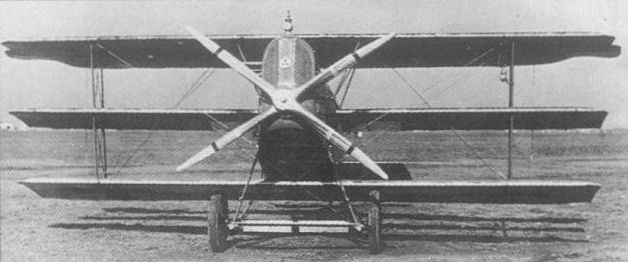
Регистрационный номер: 30.24 [10] Aviatik 30.24 during flight testing at Aspern in October 1917. The fuselage and tail were adapted from the Aviatik D.I design. The lower wing is suspended below the fuselage by four small struts.
-

J.Herris - Weird Wings of WWI /Centennial Perspective/ (70)
Регистрационный номер: 30.24 [10] Austria was affected with the triplane craze too; this view of Aviatik 30.24 during flight testing at Aspern in October 1917 clearly shows it used an Aviatik D.I fuselage and tailplane modified to take a new triplane wing cellule. As was generally the case with triplane conversions of biplane designs, the additional weight and drag of the third wing reduced speed and climb compared to the standard D.I biplane.
-
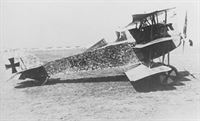
R.Keimel - Osterreichs Luftfahrzeuge /Weishaupt Verlag/
Регистрационный номер: 30.24 [10] Aviatik (Berg) D-Prototyp, Sr. Nr. 30.24
-
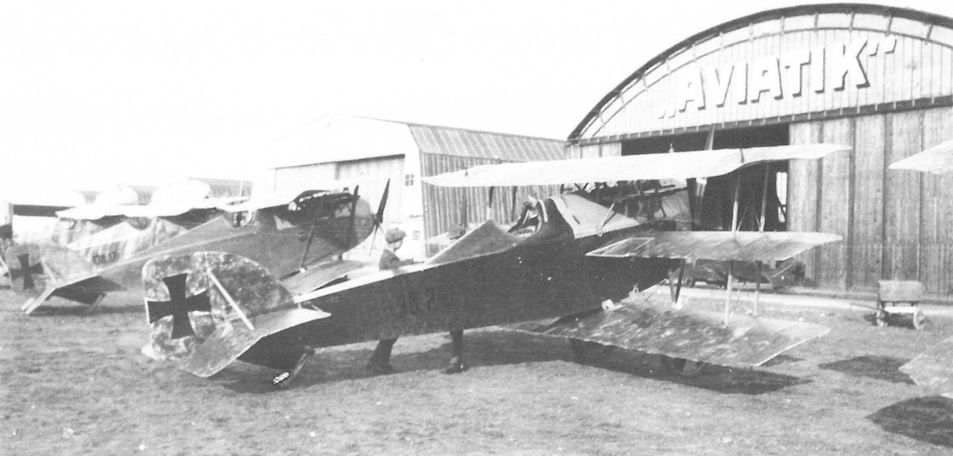
P.Grosz, G.Haddow, P.Schiemer - Austro-Hungarian Army Aircraft of World War One /Flying Machines/
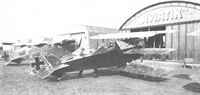
Регистрационный номер: 30.24 [10] The Aviatik 30.24 in front of the company hangar at Aspern. The aerodynamically-balanced ailerons on the top wing were unique for Berg-designed fighters. Cellon panels in the middle wing enhanced the pilot’s view downward. To the left are an Aviatik D.II 39.01 and a D.I 138.17.
Другие самолёты на фотографии: Aviatik (Berg) D.I - Австро-Венгрия - 1917Aviatik (Berg) D.II - Австро-Венгрия - 1917
-
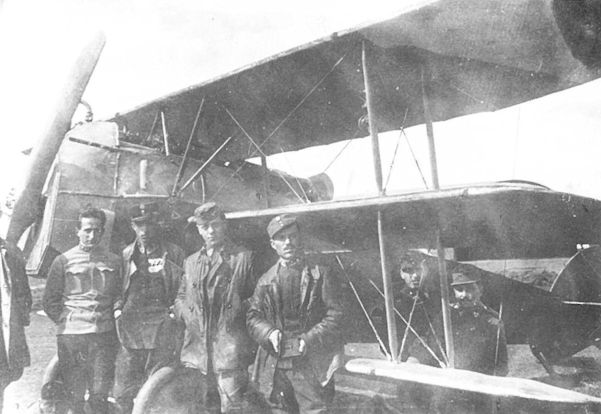
P.Grosz, G.Haddow, P.Schiemer - Austro-Hungarian Army Aircraft of World War One /Flying Machines/
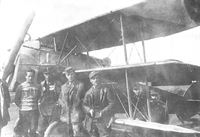
Регистрационный номер: 30.24 [10] Fitted with a 200 hp Daimler engine, an experimental radiator and twin machine guns, the 30.24 was inspected by ace Feldwebel Josef Kiss (middle) during a visit to Aspern in 1918. The rigging wires run through the middle wing panel.
Aviatik 30.24, nach Kühlerumbau und Waffeneinbau, Erprobung in Aspern. 2. von links Feldpilot Offzstv Kiss
Авиация 30.24, после переделки радиатора и установки вооружения, испытания в Асперне. 2-й слева пилот Offzstv Kiss -
P.Grosz, G.Haddow, P.Schiemer - Austro-Hungarian Army Aircraft of World War One /Flying Machines/
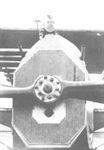
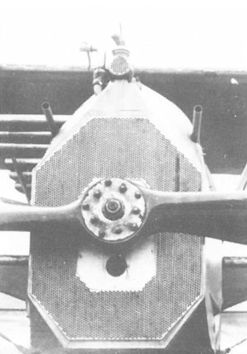
Регистрационный номер: 30.24 [10] The octagonal radiator tested on the Aviatik 30.24 prototype was an attempt to improve aerodynamic characteristics.

-
P.Grosz, G.Haddow, P.Schiemer - Austro-Hungarian Army Aircraft of World War One /Flying Machines/
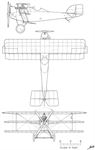
Регистрационный номер: 30.24 [10] Aviatik 30.24