Описание
Страна: Австро-Венгрия
Год: 1917
Истребитель
R.Keimel Osterreichs Luftfahrzeuge (Weishaupt Verlag)
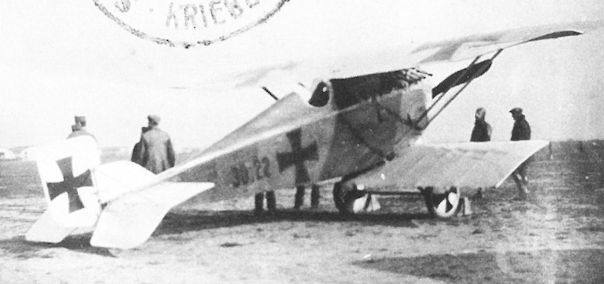
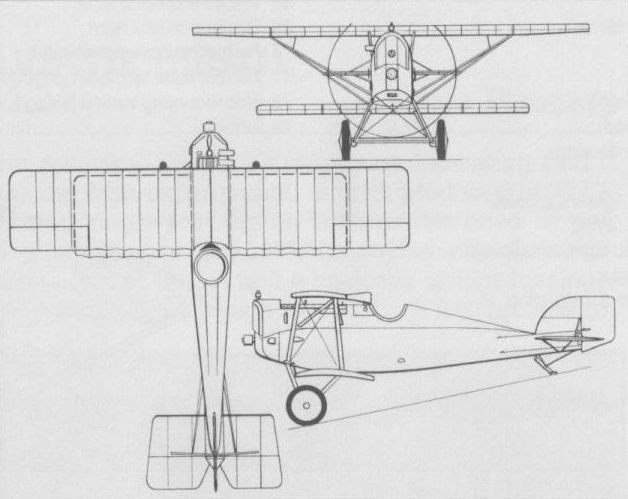
Aviatik (Berg) D-Prototyp (30.22) 1917
Летом-осенью 1917 года дипл. инж. Юлиус фон Берг разработал на базе истребителя Aviatik (Berg) D I вариант биплана с нижним крылом свободнонесущей конструкции. Раскосами крепилось только верхнее крыло с элеронами. Увеличенное вертикальное оперение. В серию не запускался. Данный самолёт являлся прототипом для серии D II.
Производитель: Österreichisch-ungarische Flugzeugfabrik Aviatik, Вена-Хайлигенштадт.
Назначение: Прототип истребителя.
Построен: 1917
Первый полёт: 1917
Количество: 2 экземпляра
Бортовой номер: 30.22, 30.23
Экипаж: 1
Двигатель: 1 × 147 кВт (200 л.с.) Austro-Daimler, 6 цилиндров, двухлопастный винт.
Размеры:
Размах крыла: верх./нижн. 7,50 / 5,05 м
Длина: 6,98 м
Высота: 2,60 м
Площадь крыльев: 18,40 м²
Макс. скорость: 200 км/ч
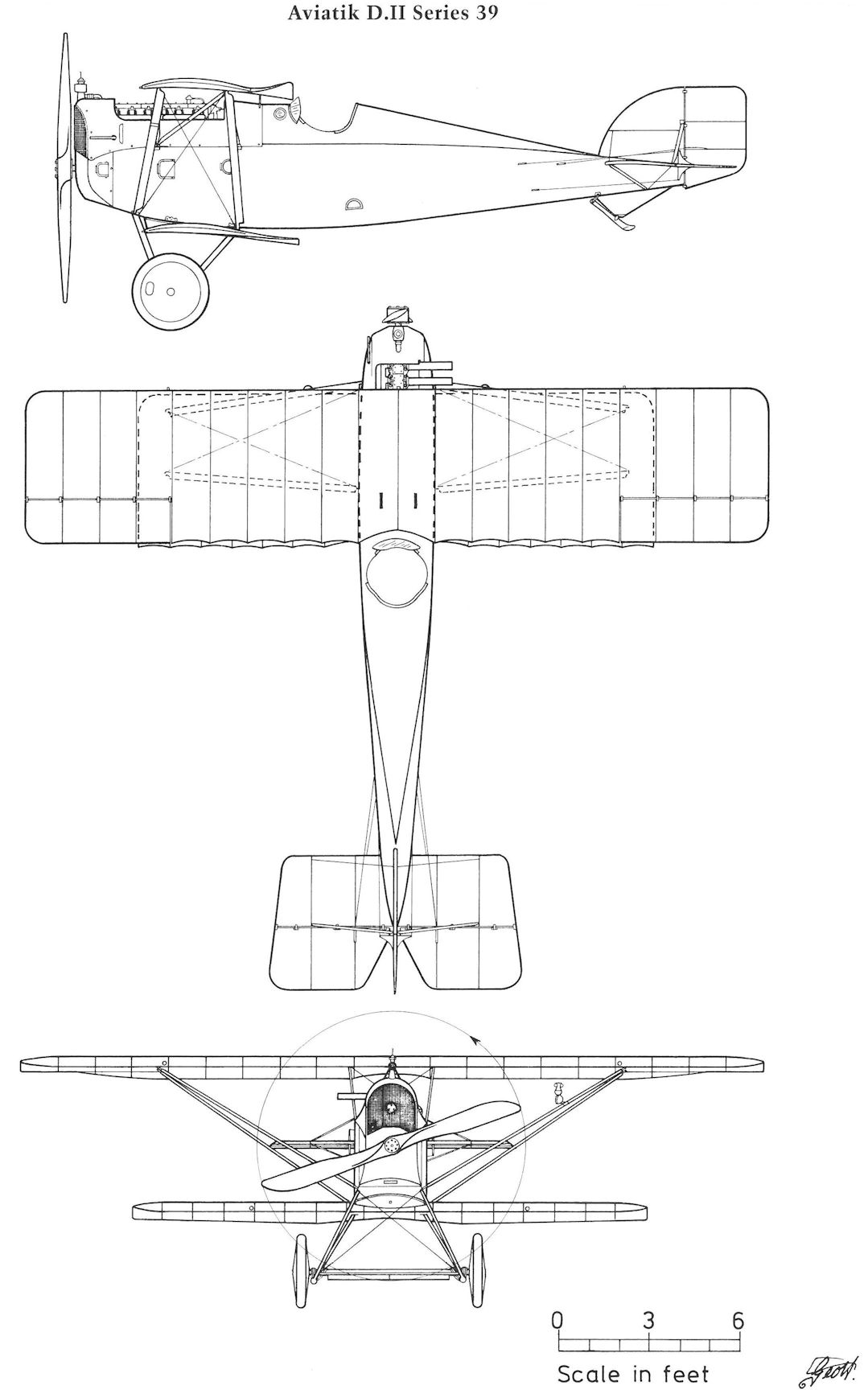
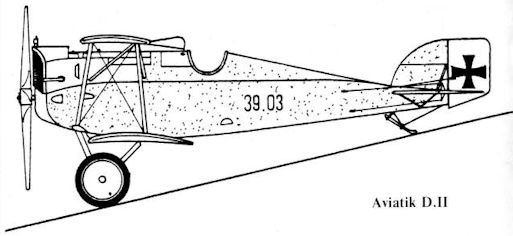
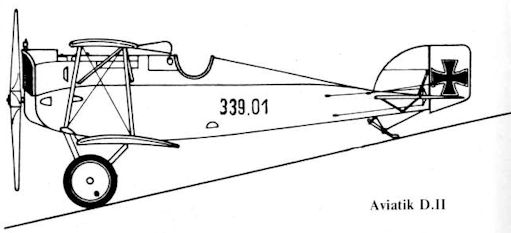
Aviatik (Berg) D II 1917
Этот биплан с нижним укороченным крылом свободнонесущей конструкции был создан летом 1917 года как прототип 30.22. Первые три серийных самолёта успели пройти фронтовые испытания уже в ноябре 1917 года. Однако серийное производство не было развёрнуто в пользу лицензионной постройки истребителя Fokker D VII.
Производитель: Österreichisch-ungarische Flugzeugfabrik Aviatik, Вена-Хайлигенштадт.
Назначение: Истребитель.
Построен: 1917
Первый полёт: 1917
Бортовой номер: Сер. № 39.
Экипаж: 1
Двигатель: 1 × 147 кВт (200 л.с.) Austro-Daimler, четырёхлопастный или двухлопастный винт.
Размеры:
Размах крыла: верх./нижн. 7,50 / 5,05 м
Длина: 6,98 м
Высота: 2,60 м
Площадь крыльев: 18,40 м²
Веса:
Пустой: 587 кг
Макс. взлётный вес: 810 кг
Нагрузка на крыло: 44 кг/м²
Нагрузка на мощность: 5,5 кг/кВт
Макс. скорость: 210 км/ч
Время набора 1000 м: 2,6 мин
Время набора 2000 м: 6,6 мин
Время набора 3000 м: 11,5 мин
Потолок: 6000 м
Описание:
- R.Keimel Osterreichs Luftfahrzeuge (Weishaupt Verlag)
- W.Green, G.Swanborough The Complete Book of Fighters
- P.Grosz, G.Haddow, P.Shiemer Austro-Hungarian Army Aircraft of World War One (Flying Machines)
- E.Hauke, W.Schroeder, B.Totschinger Die Flugzeuge der k.u.k. Luftfahrtruppe und Seeflieger 1914-1918
Фотографии

-
P.Grosz, G.Haddow, P.Schiemer - Austro-Hungarian Army Aircraft of World War One /Flying Machines/
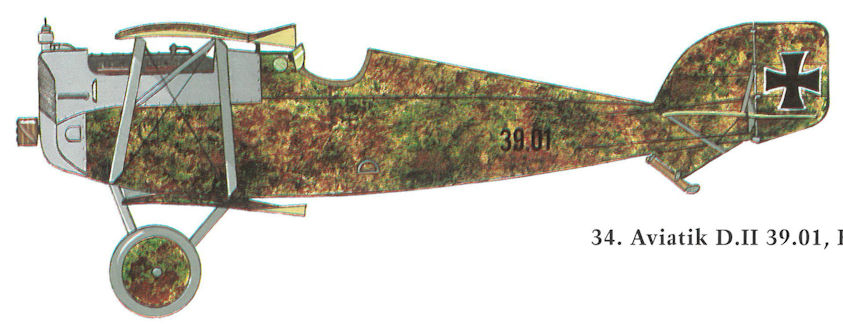
Регистрационный номер: 39.01 [8] Aviatik D.II 39.01, Flik 61/J
-

E.Hauke, W.Schroeder, B.Totschinger - Die Flugzeuge der k.u.k. Luftfahrtruppe und Seeflieger 1914-1918
Регистрационный номер: 39.03 [3] Aviatik D.II
-

E.Hauke, W.Schroeder, B.Totschinger - Die Flugzeuge der k.u.k. Luftfahrtruppe und Seeflieger 1914-1918
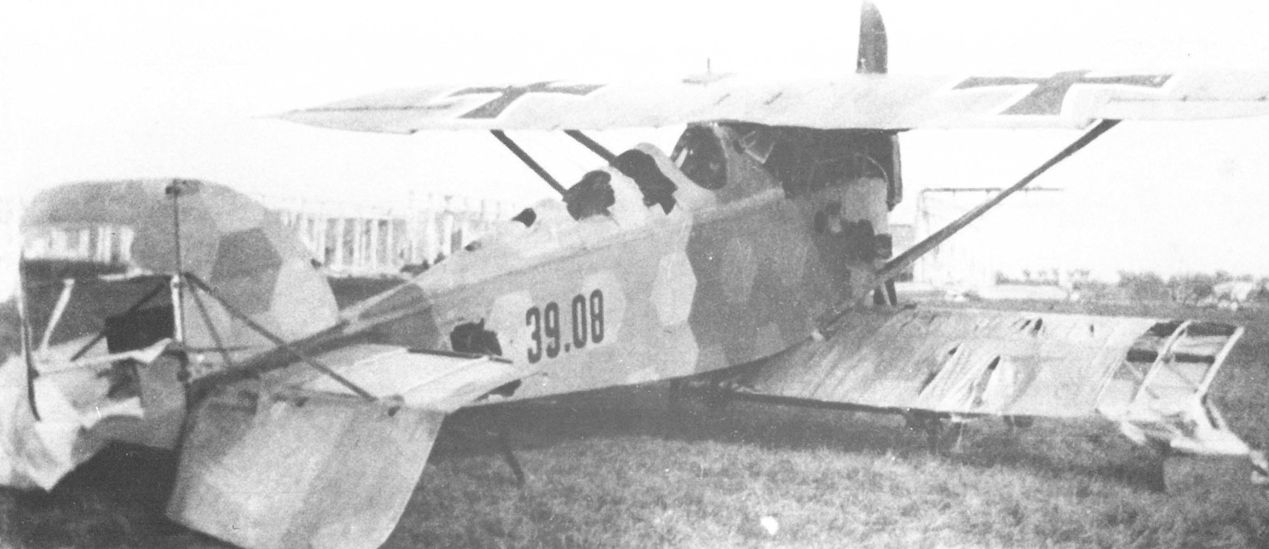
Регистрационный номер: 39.08 [2] Aviatik-Berg D II 39.08 Flip 2 Casarsa
-

E.Hauke, W.Schroeder, B.Totschinger - Die Flugzeuge der k.u.k. Luftfahrtruppe und Seeflieger 1914-1918
Регистрационный номер: 339.01 Aviatik D.II

-

J.Herris - Aviatik Aircraft of WWI /Centennial Perspective/ (10)
Регистрационный номер: 30.22 [2] The “wireless” Aviatik 30.22 appeared at Aspern for flight test in April 1917. The fuselage and tail were that of the 30.21 prototype.
The Austro-Hungarian Aviatik (Berg) D.II prototype, often called the Berg D.II to distinguish it from the completely unrelated Aviatik D.II. Prototype 30.22 had a different fin and rudder; subsequent Berg D.II fighters had the same tail design as the D.I and C.I. Only a few D.II fighters were built for evaluation.
The first prototype of the DII, the Aviatik (Berg) 30.22 entered flight test in summer 1917 and employed much of the structure of the 30.21 which had been the third definitive prototype for the D I. -
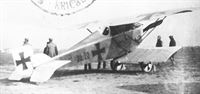
P.Grosz, G.Haddow, P.Schiemer - Austro-Hungarian Army Aircraft of World War One /Flying Machines/
Регистрационный номер: 30.22 [2] Aviatik 30.22 prototype. The strut-braced upper wing and the cantilever lower wing devoid of wire bracing made it possible to reach a top speed of 199 km/h (124 mph), the highest attained by an Austro-Hungarian aircraft in mid-1917.
-

E.Hauke, W.Schroeder, B.Totschinger - Die Flugzeuge der k.u.k. Luftfahrtruppe und Seeflieger 1914-1918
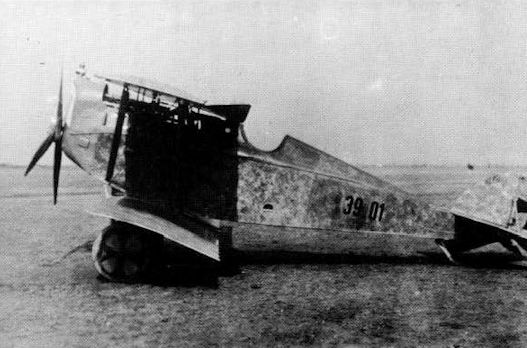
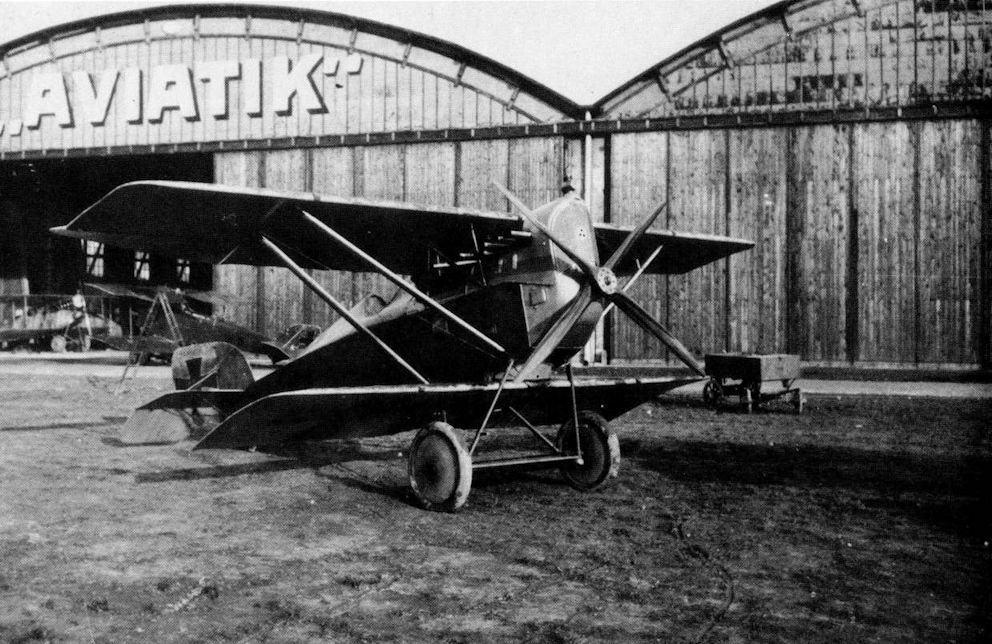
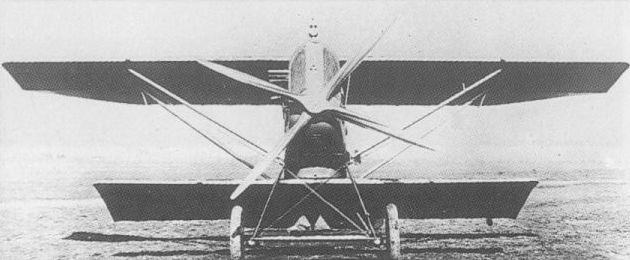
Регистрационный номер: 39.01 [8] Aviatik-Berg D.II 39.01 in Aspern, Einfliegerei, Spätherbst 1917, Erprobungsflugzeug mit Vierblatt-Jaraypropeller
Aviatik-Berg D.II 39.01 в Асперне, поздняя осень 1917 г., экспериментальный самолет с четырехлопастным винтом Jaray -
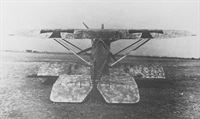
R.Keimel - Osterreichs Luftfahrzeuge /Weishaupt Verlag/
Регистрационный номер: 39.01 [8] Aviatik (Berg) D II, Sr. Nr. 39.01
-
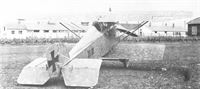
P.Grosz, G.Haddow, P.Schiemer - Austro-Hungarian Army Aircraft of World War One /Flying Machines/
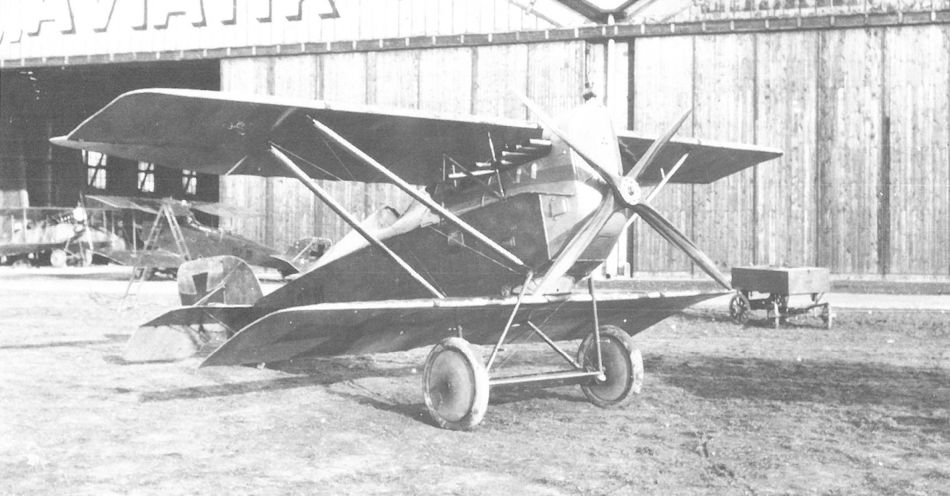
Регистрационный номер: 39.01 [8] The Aviatik D.II 39.01 at Aspern, showing the mounting studs for the over-the-wing machine gun and the short, cantilevered lower wing. The sole cable bracing was between the wing struts.
-
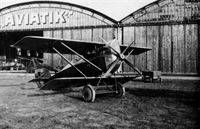
E.Hauke, W.Schroeder, B.Totschinger - Die Flugzeuge der k.u.k. Luftfahrtruppe und Seeflieger 1914-1918
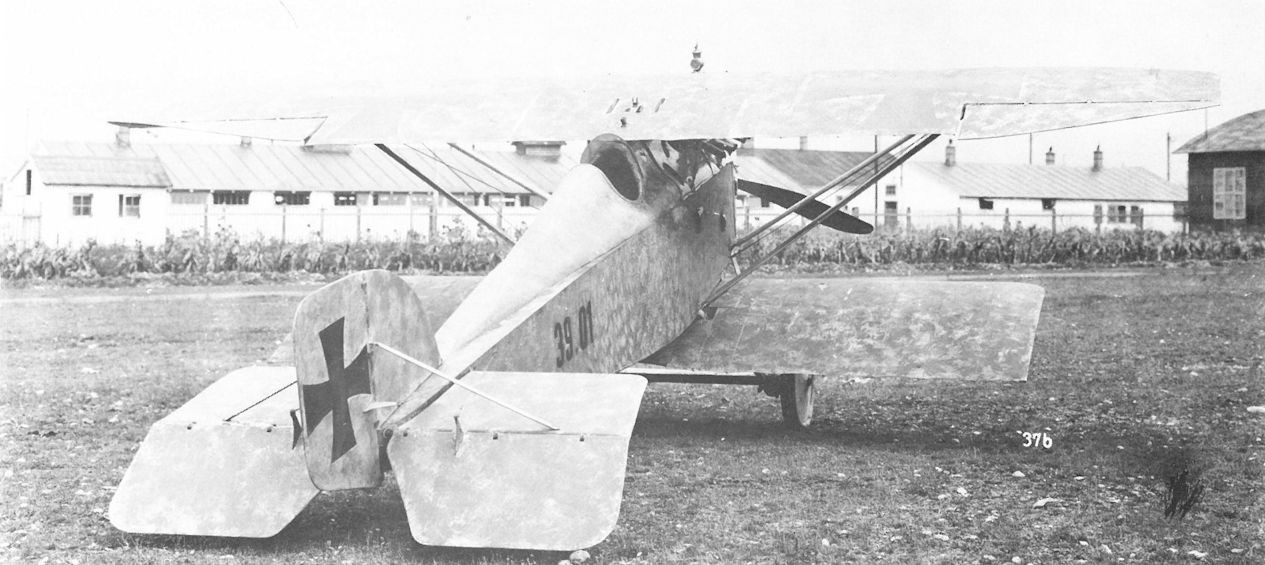
Регистрационный номер: 39.01 [8] Aviatik-Berg D.II 39.01 in Aspern, Flugzeughalle von Aviatik. Erprobungsflugzeug, Herbst 1917, im Hintergrund Berg C.I 137.15 und Berg D.I Ba 38
Aviatik-Berg D.II 39.01 в Асперн, Ангар Aviatik. Экспериментальный самолет, осень 1917 г., на заднем плане Berg C.I 137.15 и Berg D.I Ba 38Другие самолёты на фотографии: Aviatik (Berg) C.I - Австро-Венгрия - 1917Aviatik (Berg) D.I - Австро-Венгрия - 1917
-
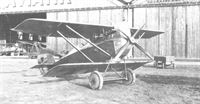
P.Grosz, G.Haddow, P.Schiemer - Austro-Hungarian Army Aircraft of World War One /Flying Machines/
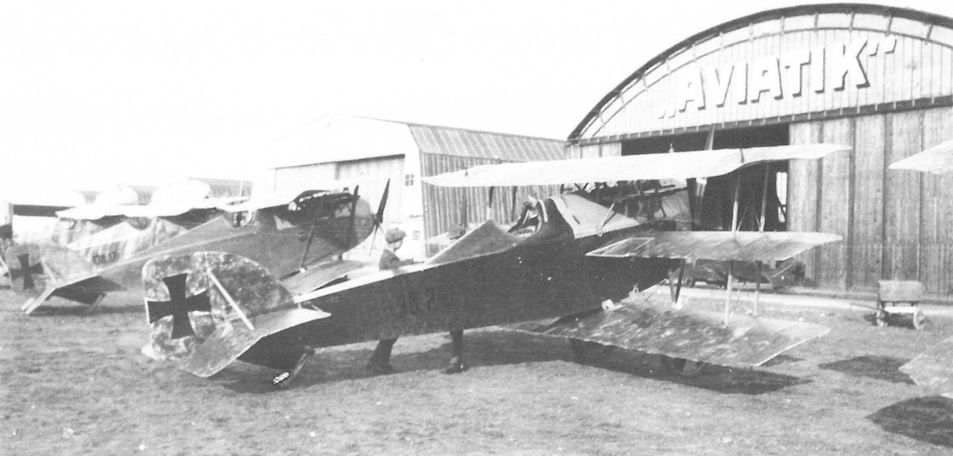
Регистрационный номер: 39.01 [8] The unarmed Aviatik D.II 39.01 in front of the Aviatik hangars at Aspern in the fall of 1917. The four-bladed propeller was usually matched with a 200 hp Daimler engine. Behind the tail is Aviatik C.I 137.15.
Другие самолёты на фотографии: Aviatik (Berg) C.I - Австро-Венгрия - 1917Aviatik (Berg) D.I - Австро-Венгрия - 1917
-
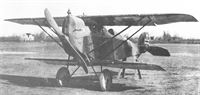
P.Grosz, G.Haddow, P.Schiemer - Austro-Hungarian Army Aircraft of World War One /Flying Machines/
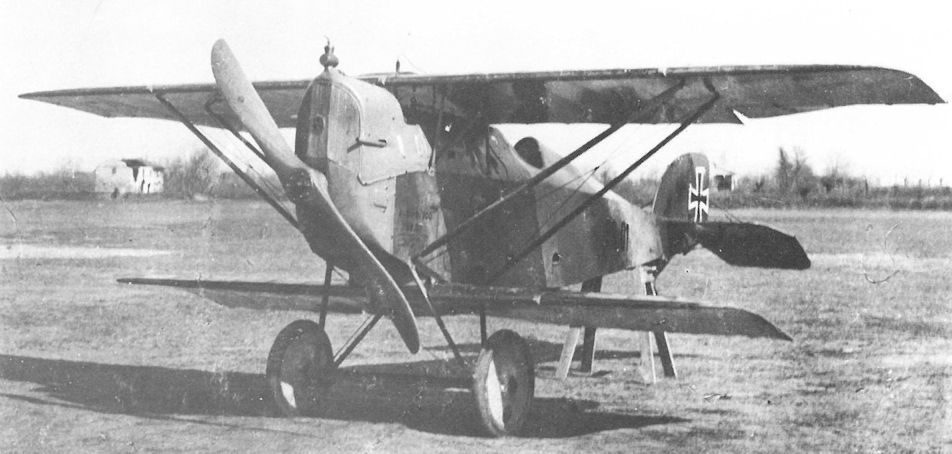
Регистрационный номер: 39.01 [8] The Aviatik D.II 39.01 armed with twin, buried machine guns was assigned to Flik 61/J for frontline evaluation in February 1918. The airfield is Motta di Livenza.
-
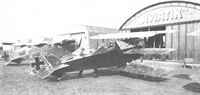
P.Grosz, G.Haddow, P.Schiemer - Austro-Hungarian Army Aircraft of World War One /Flying Machines/
Регистрационный номер: 39.01 [8] The Aviatik 30.24 in front of the company hangar at Aspern. The aerodynamically-balanced ailerons on the top wing were unique for Berg-designed fighters. Cellon panels in the middle wing enhanced the pilot’s view downward. To the left are an Aviatik D.II 39.01 and a D.I 138.17.
Другие самолёты на фотографии: Aviatik (Berg) 30.24 - Австро-Венгрия - 1917Aviatik (Berg) D.I - Австро-Венгрия - 1917
-
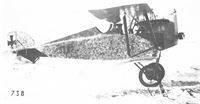
P.Grosz, G.Haddow, P.Schiemer - Austro-Hungarian Army Aircraft of World War One /Flying Machines/
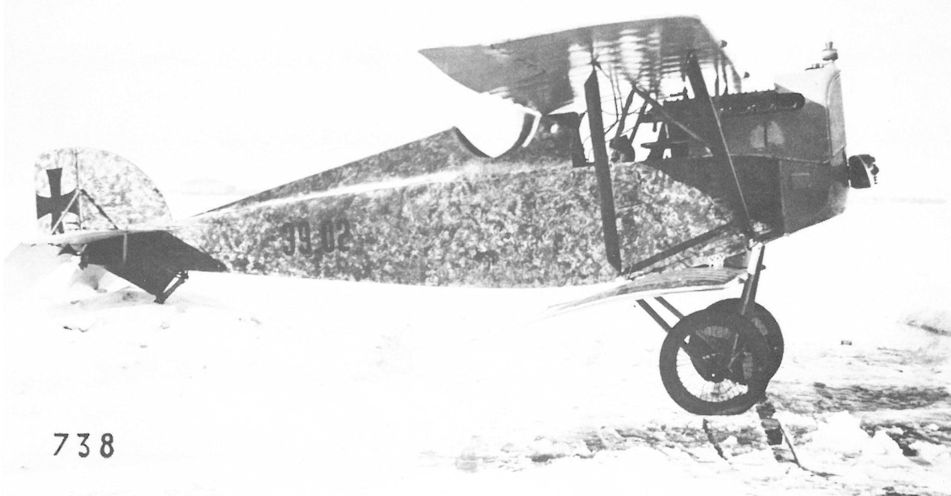
Регистрационный номер: 39.03 [3] In March 1918, the weapons test section at Fischamend investigated the experimental Elektro machine gun and a captured Aldis sight on Aviatik D.II 39.02.
-

E.Hauke, W.Schroeder, B.Totschinger - Die Flugzeuge der k.u.k. Luftfahrtruppe und Seeflieger 1914-1918
Регистрационный номер: 39.03 [3] Aviatik-Berg D.II 39.02 in Aspern, Einfliegerei. Winter 1917/18. Erprobung mit Normalpropeller
Aviatik-Berg D.II 39.02 в г. Асперн, облет. Зима 1917/18 г. Тестирование с обычным пропеллером -
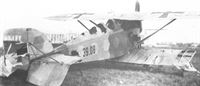
P.Grosz, G.Haddow, P.Schiemer - Austro-Hungarian Army Aircraft of World War One /Flying Machines/
Регистрационный номер: 39.08 [2] Ravaged by Allied souvenir hunters, the bedraggled Aviatik D.II 39.08 was photographed at Casarsa in November 1918.
-
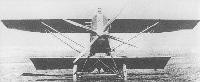
W.Green, G.Swanborough - The Complete Book of Fighters
The DII series aircraft was tested in November 1917, but plans for large-scale production ended with the choice of the Fokker D VII.
-
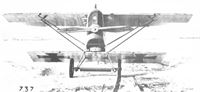
P.Grosz, G.Haddow, P.Schiemer - Austro-Hungarian Army Aircraft of World War One /Flying Machines/
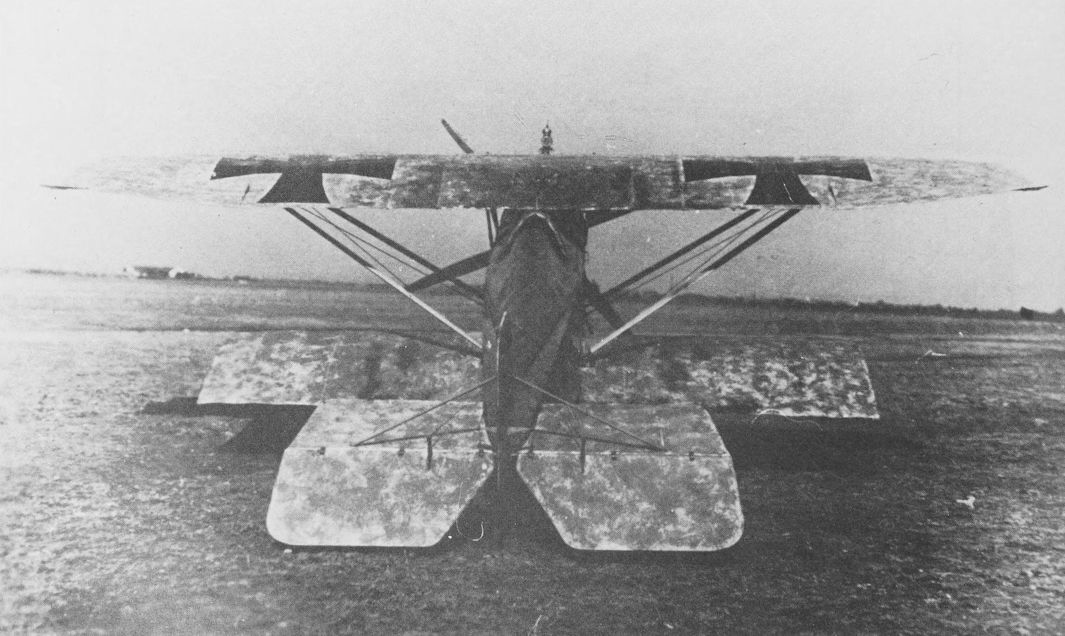
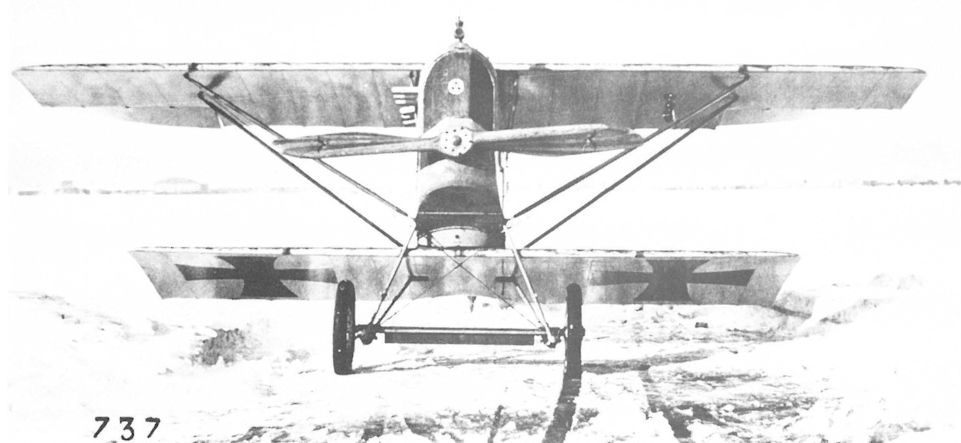
Регистрационный номер: 39.02 The compact design of Aviatik D.II 39.02 is shown to good advantage in this view. Austria-Hungary was a leader in propeller design by virtue of the wind tunnel facility at Fischamend. The unique propeller shape was a result of that activity.