


Описание
Страна: Германия
Год: 1918
В.Кондратьев Самолеты первой мировой войны
До окончания военных действий фирма Альбатрос Флюгцойгверк наладила серийный выпуск еще одной двухместной модели - C-XV. Самолет значительно меньших размеров, более простой и дешевый в производстве оснащался менее мощным, но более массовым мотором "Бенц".
C-XV также не мог нести бомб и предназначался главным образом для разведки. Он успел попасть на западный фронт, но никаких оценок боевой работы этого аэроплана не сохранилось.
После войны небольшие количества поздних "Альбатросов" состояли на вооружении различных восточноевропейских стран, включая Польшу и РСФСР.
ДВИГАТЕЛЬ
"Бенц", 200 л.с.
Описание:
- В.Кондратьев Самолеты первой мировой войны
- O.Thetford, P.Gray German Aircraft of the First World War (Putnam)
- J.Herris Albatros Aircraft of WWI. Vol 2: Late Two-Seaters (A Centennial Perspective on Great War Airplanes 25)
- M.Kabatek, Fr.R.Kulczynski German Aircraft in Polish Service. Volume 2
Фотографии
-

J.Herris - Albatros Aircraft of WWI. Volume 2: Late Two-Seaters /Centennial Perspective/ (25)
Albatros C.XV 7801/18 at Adlershof Aerodrome late 1918
-

J.Herris - Albatros Aircraft of WWI. Volume 2: Late Two-Seaters /Centennial Perspective/ (25)
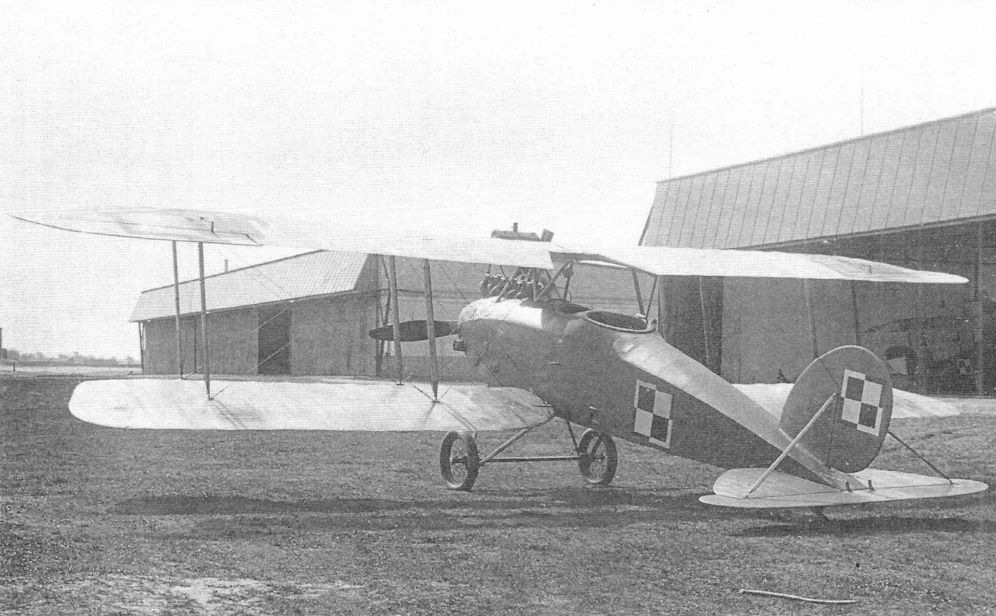
Albatros C.XV of the Polish Air Service, circa 1921
-
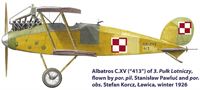
M.Kabatek, Fr.R.Kulczynski - German Aircraft in Polish Service. Volume 2 /Aeronaut/
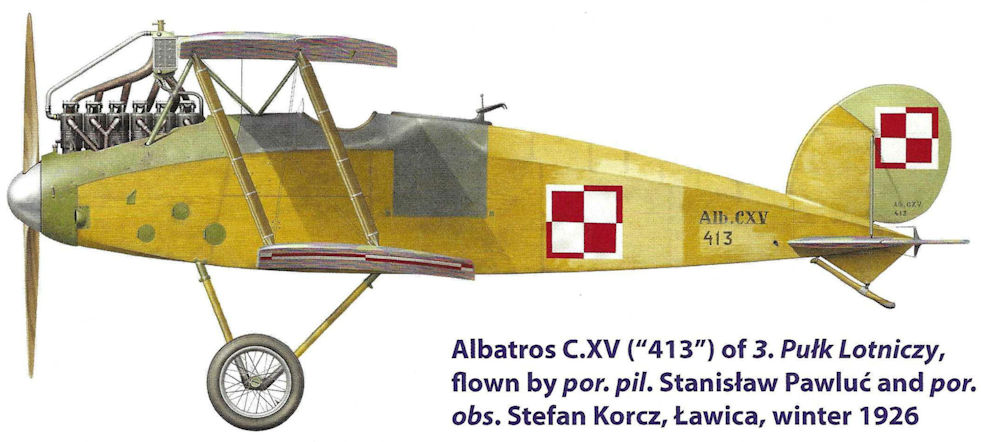
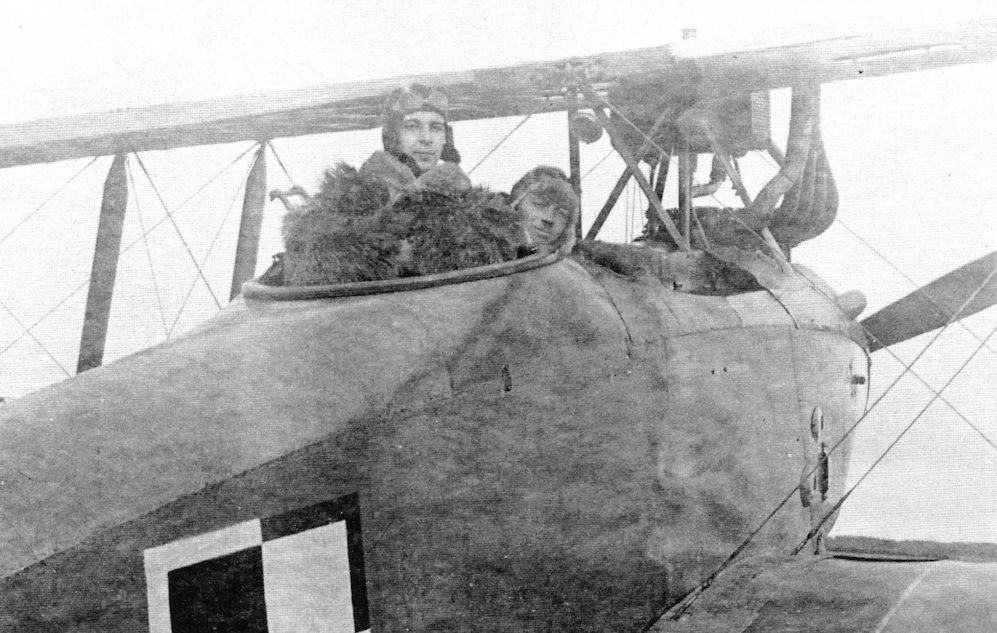
Albatros C.XV (“413") of 3. Pulk Lotniczy, flown by por. pil. Stanislaw Pawluc and por. obs. Stefan Korcz, Lawica, winter 1926
-
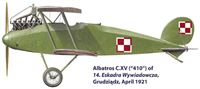
M.Kabatek, Fr.R.Kulczynski - German Aircraft in Polish Service. Volume 2 /Aeronaut/
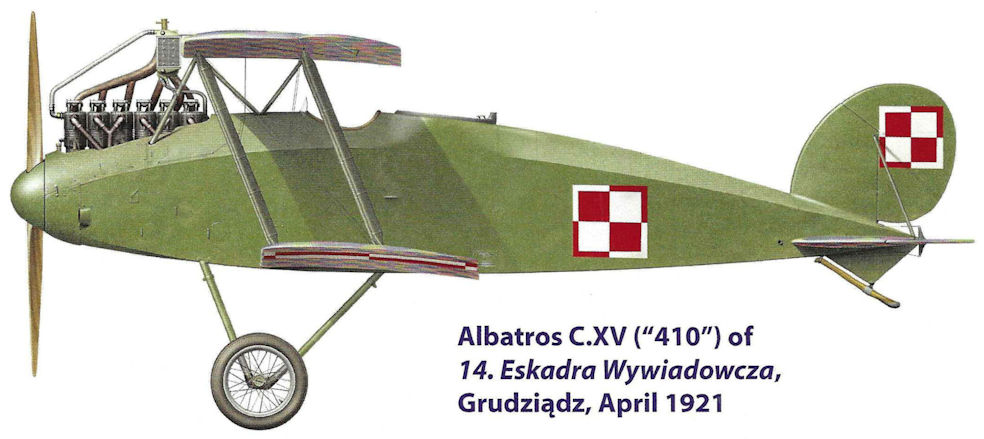
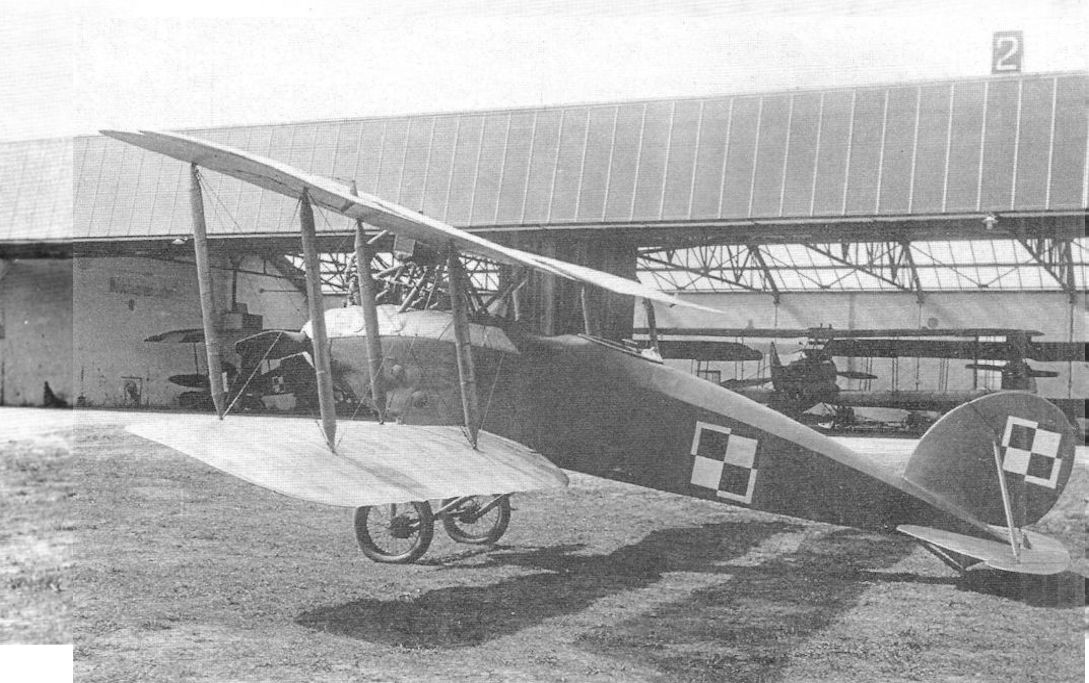
Albatros C.XV (“410") of 14. Eskadra Wywiadowcza, Grudziadz, April 1921
-
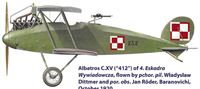
M.Kabatek, Fr.R.Kulczynski - German Aircraft in Polish Service. Volume 2 /Aeronaut/
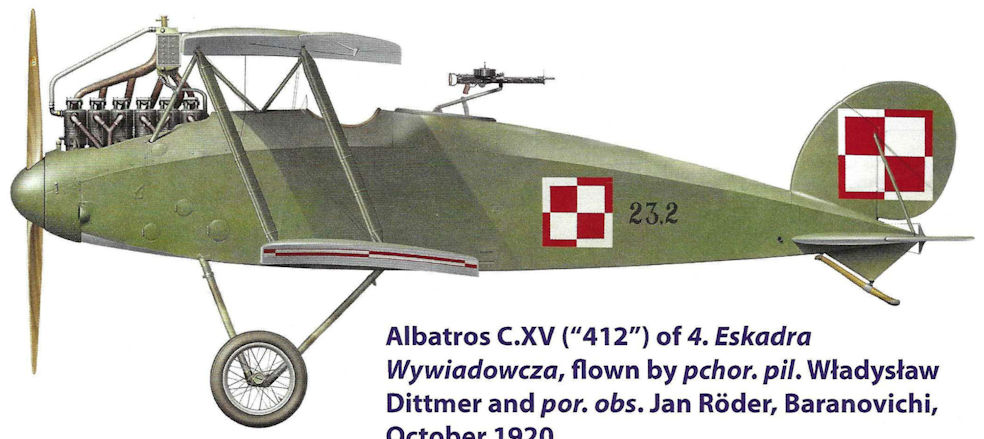
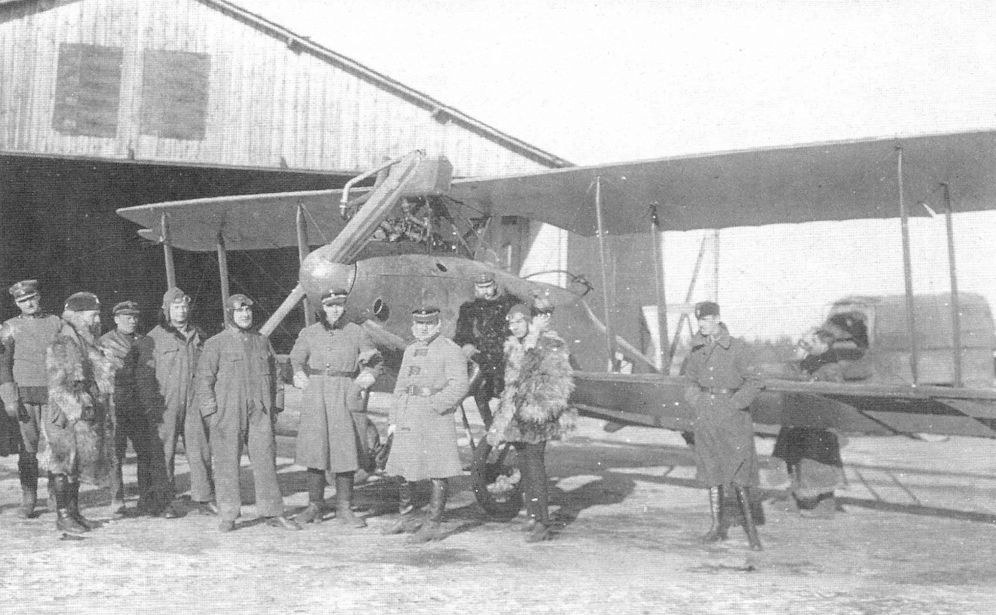
Albatros C.XV (“412") of 4. Eskadra Wywiadowcza, flown by pchor. pil. Wladyslaw Dittmer and por. obs. Jan Roder, Baranovichi, October 1920
-
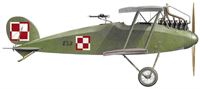
M.Kabatek, Fr.R.Kulczynski - German Aircraft in Polish Service. Volume 2 /Aeronaut/
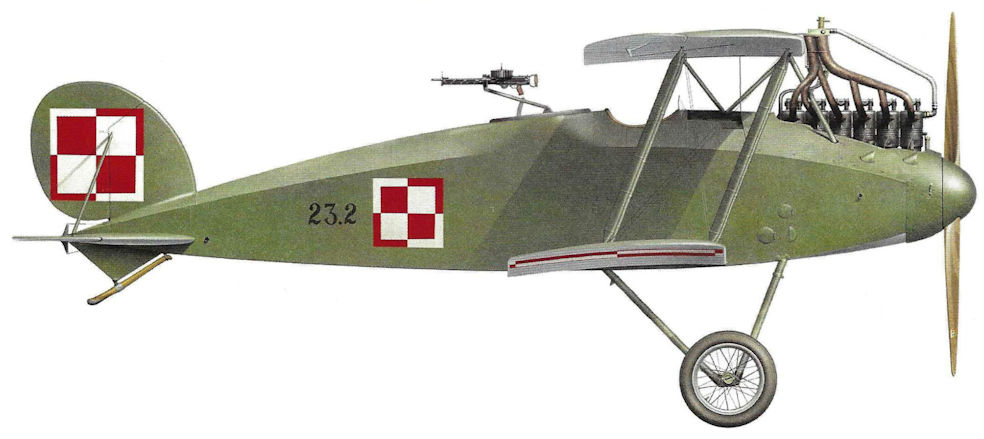
Albatros C.XV (“412") of 4. Eskadra Wywiadowcza, flown by pchor. pil. Wladyslaw Dittmer and por. obs. Jan Roder, Baranovichi, October 1920
-

J.Herris - Albatros Aircraft of WWI. Volume 2: Late Two-Seaters /Centennial Perspective/ (25)
Albatros C.XV of the Turkish Air Service, circa 1922
-

R.Bennett - Last Gathering of Eagles 1918-1920 /Aeronaut/
Albatros C.XV 7818/18, Graf Keller Corps, West Russian Army, Autumn 1919.




-

J.Herris - Albatros Aircraft of WWI. Volume 2: Late Two-Seaters /Centennial Perspective/ (25)
The Albatros C.XIV prototype represented a new direction in Albatros C-type design.
-

J.Herris - Albatros Aircraft of WWI. Volume 2: Late Two-Seaters /Centennial Perspective/ (25)
The Albatros C.XIV prototype shows its compact lines.
-

J.Herris - Albatros Aircraft of WWI. Volume 2: Late Two-Seaters /Centennial Perspective/ (25)
The Albatros C.XIV was the first fourth generation Albatros C-type. It was much smaller and more compact than the mediocre C.X and C.XII that proceeded it. The C.XIV remained a prototype, however a slightly larger but lighter development, the C.XV, was put into production. In appearance the C.XV differed in having horn-balanced ailerons. (Peter M. Bowers Collection/The Museum of Flight)
-

J.Herris - Albatros Aircraft of WWI. Volume 2: Late Two-Seaters /Centennial Perspective/ (25)
This front view of the Albatros C.XIV prototype shows great attention to minimizing frontal area.


-
J.Herris - Albatros Aircraft of WWI. Volume 2: Late Two-Seaters /Centennial Perspective/ (25)
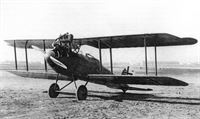
Albatros C.XV 7801/18 at Adlershof (Johannisthal?) was developed from the C.XIV prototype as the last Albatros C-type placed in production.
-

R.Bennett - Last Gathering of Eagles 1918-1920 /Aeronaut/
Albatros C.XV 7815/18, with what appears to be a Russian Orthodox cross beneath the left lower wing. In its long career, it served five masters - Germany, the West Russian Army, Lithuania, Central Lithuania and Poland. (Moshe Bukhman)
-

J.Herris - Albatros Aircraft of WWI. Volume 2: Late Two-Seaters /Centennial Perspective/ (25)
C.XV 7801/18 at the factory. The front view shows the armored radiator that looks like the type applied to the Albatros J.II
-

J.Herris - Albatros Aircraft of WWI. Volume 2: Late Two-Seaters /Centennial Perspective/ (25)
C.XV 7801/18 at the factory. All controls were aerodynamically balanced for improved maneuverability.
-

J.Herris - Albatros Aircraft of WWI. Volume 2: Late Two-Seaters /Centennial Perspective/ (25)
C.XV 7801/18 front view illustrates the clean lines for a biplane.
-

J.Herris - Albatros Aircraft of WWI. Volume 2: Late Two-Seaters /Centennial Perspective/ (25)
C.XV with experimental dual radiators.
-

J.Herris - Albatros Aircraft of WWI. Volume 2: Late Two-Seaters /Centennial Perspective/ (25)
Albatros C.XV C.7838/18 in postwar transport service with civil designation D 186.
-

J.Herris - Albatros Aircraft of WWI. Volume 2: Late Two-Seaters /Centennial Perspective/ (25)
Albatros C.XV C.7838/18 in postwar transport service with civil designation D 186 with pilot and passengers.
-

J.Herris - Albatros Aircraft of WWI. Volume 2: Late Two-Seaters /Centennial Perspective/ (25)
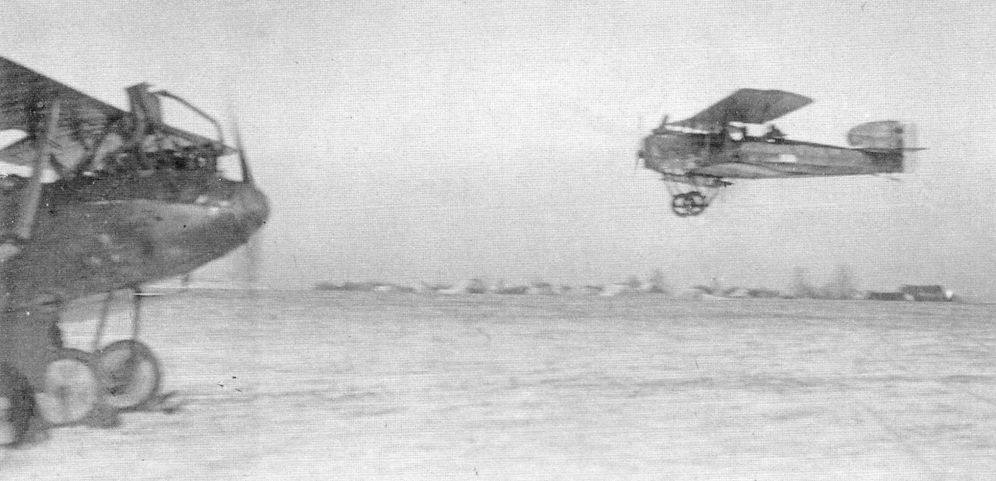
Albatros C.XV C.7838/18 in postwar transport service with civil designation D 186 taking off. (Peter M. Grosz Collection/SDTB)
-

J.Herris - Albatros Aircraft of WWI. Volume 2: Late Two-Seaters /Centennial Perspective/ (25)
The civil Albatros C.XV of Lt. Koopen for his proposed flight to the Netherlands East Indies. "Holland" is painted under the starboard lower wing and "Java" is painted under the port lower wing, (via F. Gerdessen)
-

J.Herris - Albatros Aircraft of WWI. Volume 2: Late Two-Seaters /Centennial Perspective/ (25)
Lt. Koopen's Albatros C.XV with the Netherlands flag painted on the fuselage. Both cockpits have windscreens. The wartime German camouflage fabric still covers the wings and elevator, (via F. Gerdessen)
-

J.Herris - Albatros Aircraft of WWI. Volume 2: Late Two-Seaters /Centennial Perspective/ (25)
Lt. Koopen's Albatros C.XV. It was common practice to move aircraft by train in WWI and this must have been part of the specifications for designers of all sides in the conflict, (via F. Gerdessen)
-

J.Herris - Albatros Aircraft of WWI. Volume 2: Late Two-Seaters /Centennial Perspective/ (25)
Lt Koopen's dismantled Albatros C.XV in the Netherlands being transported to the airfield for erection, (via F. Gerdessen)
-

J.Herris - Albatros Aircraft of WWI. Volume 2: Late Two-Seaters /Centennial Perspective/ (25)
The Albatros C.XV with the Netherlands flag painted on the fuselage. "Duksman Zeist Holland" is lettered in the flag. Preprinted camouflage fabric still covers the wings and elevator, (via F. Gerdessen)
-

J.Herris - Albatros Aircraft of WWI. Volume 2: Late Two-Seaters /Centennial Perspective/ (25)
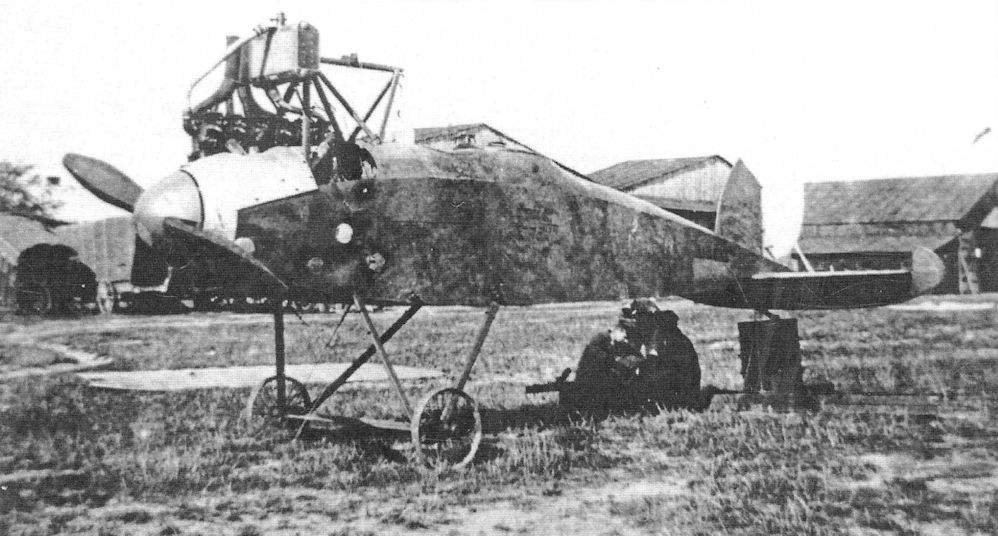
This photo shows an Albatros C.XV fuselage in Poland; there are no markings yet but camouflage has been applied to the fuselage, indicating this aircraft may be in the process of erection and painting to enter service.
-
M.Kabatek, Fr.R.Kulczynski - German Aircraft in Polish Service. Volume 2 /Aeronaut/
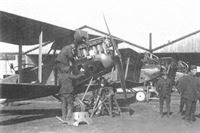
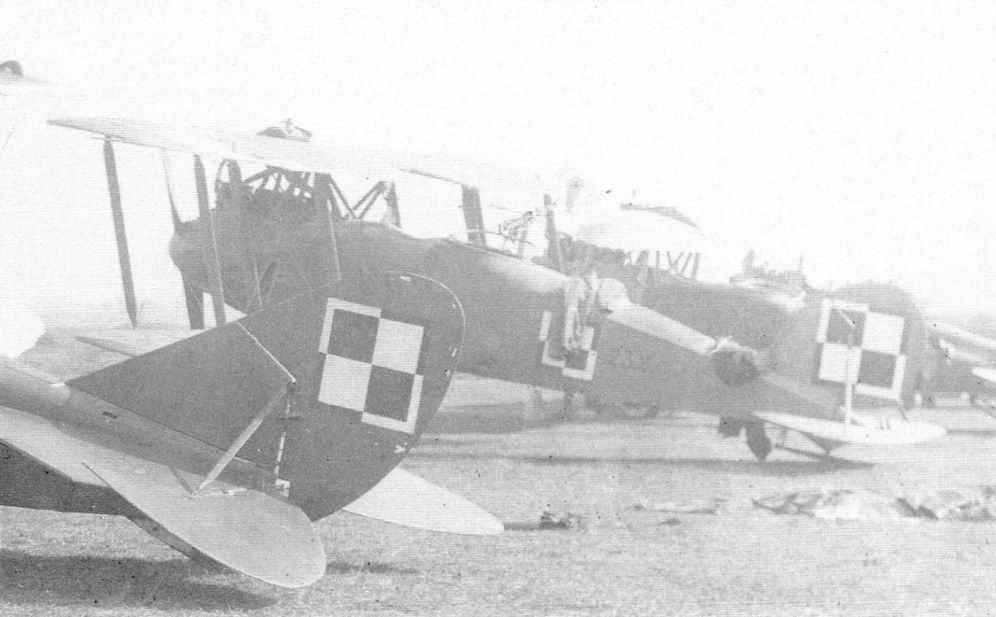
Aircraft of 12. Eskadra Wywiadowcza lined up in front of the hangars in Lida. From left to right: Rumpler C.VII (542/17), Albatros C.XV (“249"), and Albatros C.XV ("412"). The photo was taken in October 1920, shortly before the transfer of Albatros C.XV (“249") - along with kpt. pil. Waclaw Iwaszkiewicz - to the Air Squadron of Central Lithuania, the air arm of a short-lived quasi-state centered in Vilnius and formed from 16. Eskadra Wywiadowcza. (Marcin Bednarek)
Другие самолёты на фотографии: Rumpler C.VII / Rubild Mb - Германия - 1917
-
M.Kabatek, Fr.R.Kulczynski - German Aircraft in Polish Service. Volume 2 /Aeronaut/
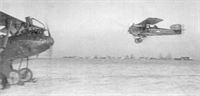
Albatros C.XV ("249") and Breguet 14B2 (10.36), photographed in early December 1920 in Vilnius. At the time, both aircraft were serving with the Air Squadron of Central Lithuania. The unit was disbanded in March 1921 and subsequently relocated to Krakow, where it resumed its previous designation as 16. Eskadra Wywiadowcza. (The Polish Aviation Museum in Krakow)
Другие самолёты на фотографии: Breguet Br.14 - Франция - 1917
-

J.Herris - Albatros Aircraft of WWI. Volume 2: Late Two-Seaters /Centennial Perspective/ (25)
Limited resolution photo of an Albatros C.XV in postwar Polish military service.
-
M.Kabatek, Fr.R.Kulczynski - German Aircraft in Polish Service. Volume 2 /Aeronaut/
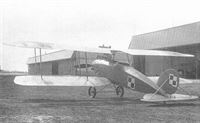
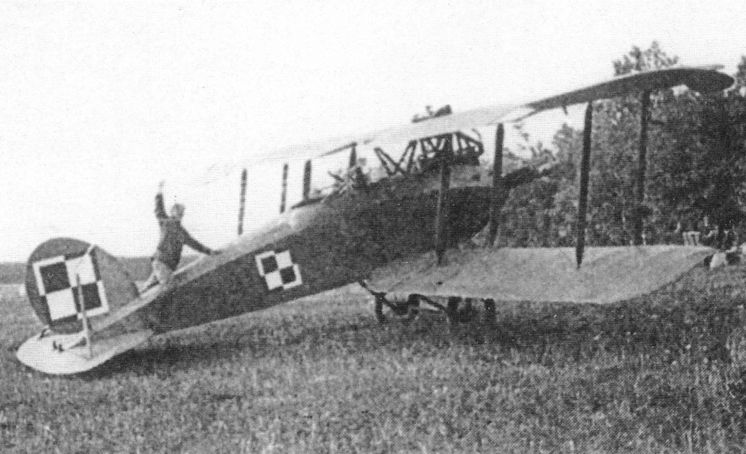
After its delivery to Poland, Albatros C.XV ("410") entered service with 21. Eskadra Niszczycielska. In early February 1921, the unit was relocated to Grudziadz (formerly Fliegerstation Graudenz), where it was disbanded, and its equipment and personnel were absorbed into 14. Eskadra Wywiadowcza. The photo was taken in Grudziadz on 12 April 1921. Faint traces of overpainted Balkenkreuz markings are still visible around the checkerboards on the upper wing. (Marcin Bednarek)
-
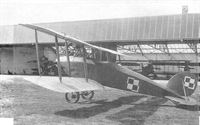
M.Kabatek, Fr.R.Kulczynski - German Aircraft in Polish Service. Volume 2 /Aeronaut/
During its service in Poland, the fuselage of Albatros C.XV (“410") was likely painted in a single color. Unfortunately, surviving sources do not allow for a precise reconstruction of the shade. The few existing references to historical paint and varnish usage leave much room for speculation. Inside the hangar in the background is Albatros C.XV ("418"), which also belonged to 14. Eskadra Wywiadowcza at the time. (Piotr Lech)
-
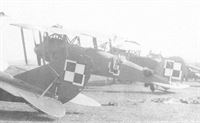
M.Kabatek, Fr.R.Kulczynski - German Aircraft in Polish Service. Volume 2 /Aeronaut/
On 29 September 1920, Albatros C.XV ("412") was assigned to 4. Eskadra Wywiadowcza. Before the armistice came into effect, it flew five combat missions against the Red Army. This photo, taken in October 1920 in Baranovichi, shows the aircraft fitted with a Lewis machine gun on the observer's ring. The fuselage bears the Polish serial number 23.2, applied during servicing at Centralne Warsztaty Lotnicze. (Arkadiusz Kalinski)
-
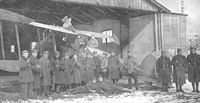
M.Kabatek, Fr.R.Kulczynski - German Aircraft in Polish Service. Volume 2 /Aeronaut/
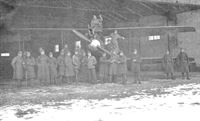
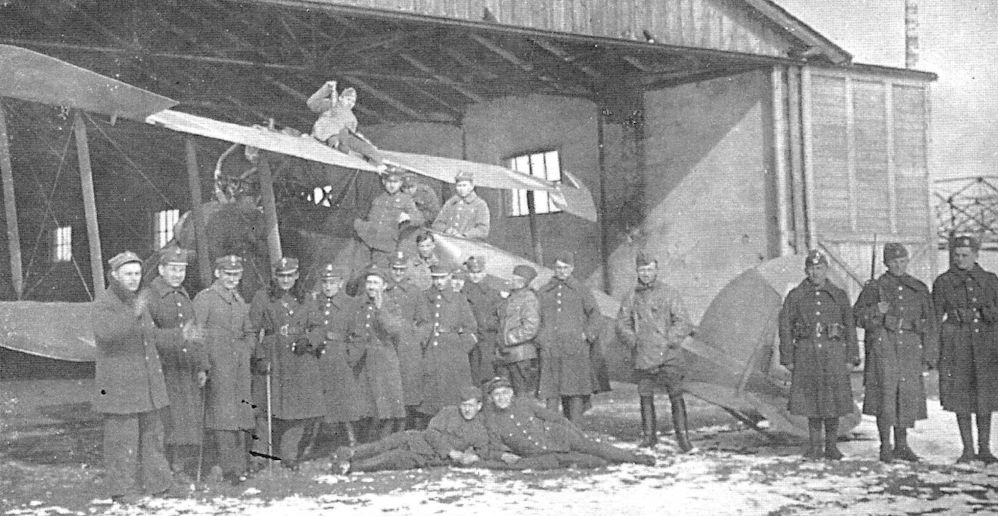
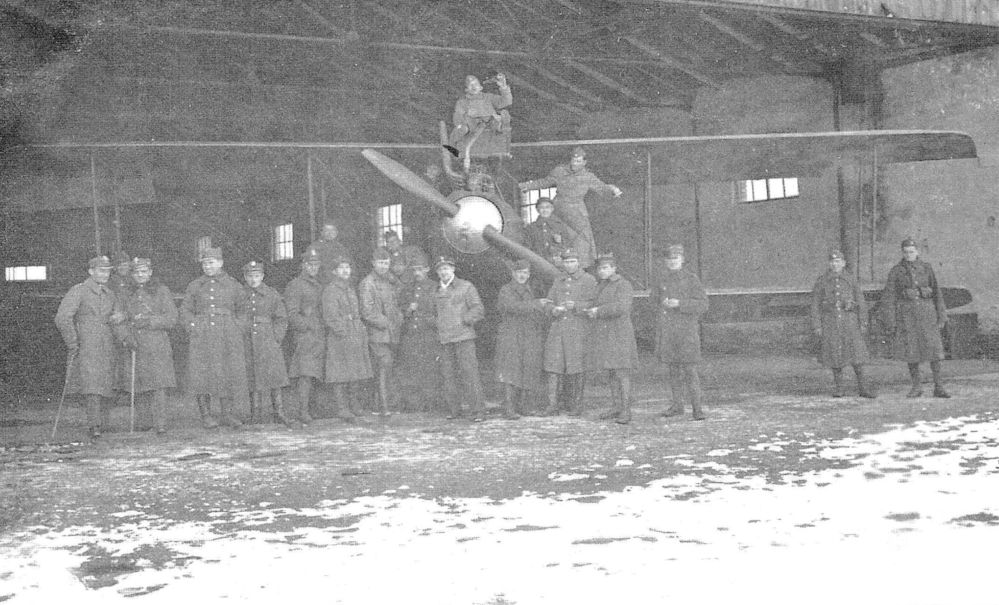
Personnel of 8. Eskadra Wywiadowcza posing with Albatros C.XV (“413") in Lida, early 1921. A stenciled inscription reading Alb. CXV. 413 appears along the lower edge of the rudder. Most of the soldiers in the photo are wearing rogatywki - distinctive four-pointed caps traditionally associated with the Polish military. (Mariusz Konarski)
-
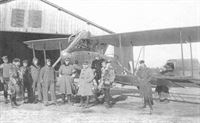
M.Kabatek, Fr.R.Kulczynski - German Aircraft in Polish Service. Volume 2 /Aeronaut/
Albatros C.XV (“412") in Lida, early January 1921. The decal on the propeller indicates that it was manufactured at Centralne Warsztaty Lotnicze. Among the airmen posing with the aircraft are por. pil. Antoni Sielicki, commanding officer of 11. (4.) Eskadra Niszczycielska (second from left), and two Italian volunteers: por. obs. Virgilio Mastrelli (fourth from left) and ppor. obs. Veniero de Pisa (fifth from left). (Piotr Lech)
-
M.Kabatek, Fr.R.Kulczynski - German Aircraft in Polish Service. Volume 2 /Aeronaut/
Albatros C.XV ("413") arrived in Poland in early October 1920, too late to see combat. After a brief stay at Stacja Lotnicza Lawica, it was assigned to 8. Eskadra Wywiadowcza in Lida. This photo was taken during its service with the squadron in early 1921. (Mariusz Konarski)
-
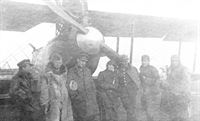
M.Kabatek, Fr.R.Kulczynski - German Aircraft in Polish Service. Volume 2 /Aeronaut/
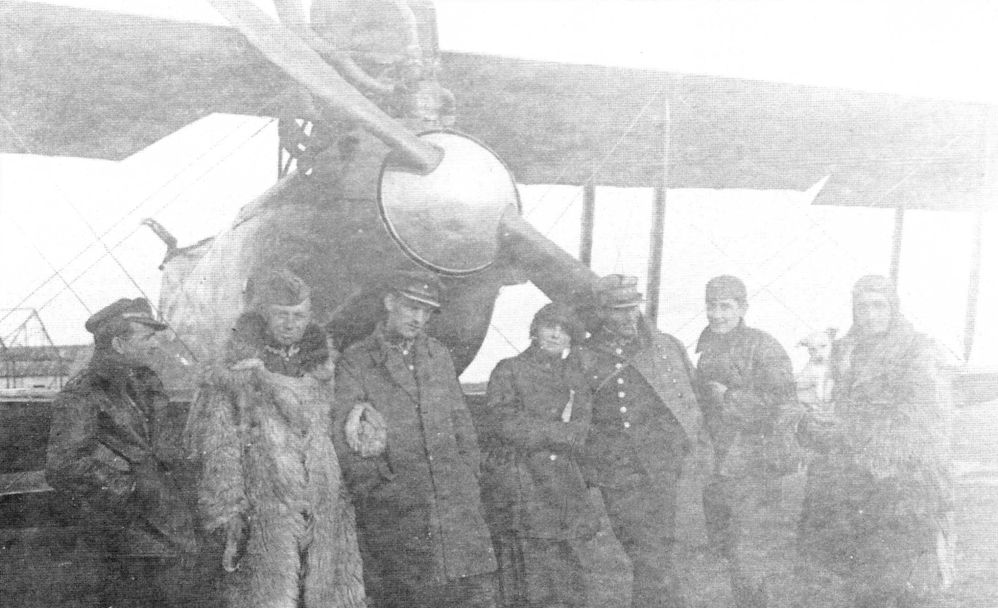
Airmen, a visiting lady, and a puppy pose for a group photo in front of Albatros C.XV ("413") in Lida, early 1921. The engine's serial number - 35511 - was painted on the first cylinder, allowing the aircraft to be positively identified in surviving records. Winter temperatures in the region were so low that heavy fur coats were often the only practical choice. (Mariusz Konarski)
-
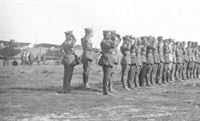
M.Kabatek, Fr.R.Kulczynski - German Aircraft in Polish Service. Volume 2 /Aeronaut/
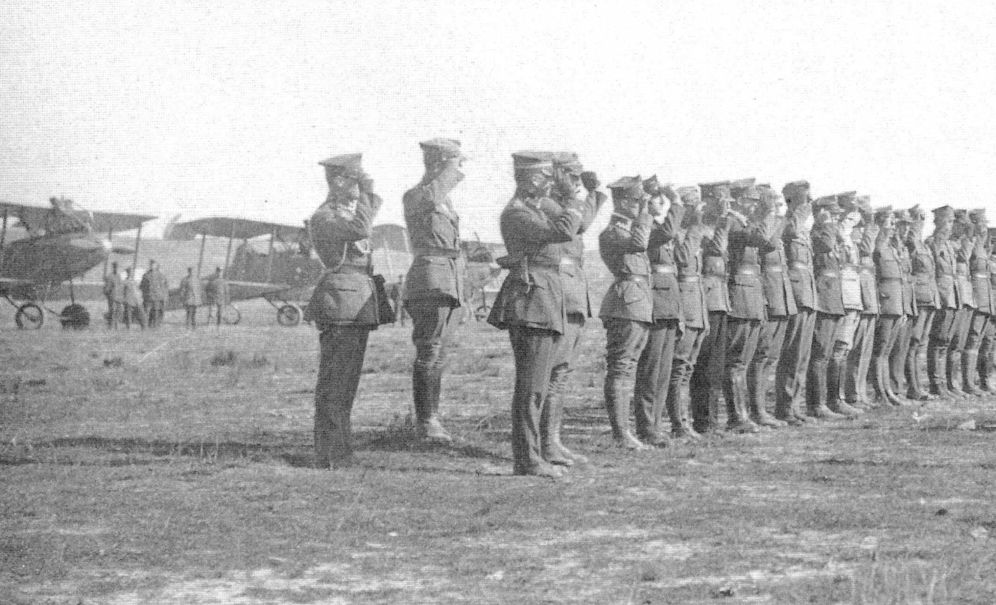
During a ceremony held in Lviv on 2 October 1920, gen. por. Stanislaw Haller (third from left) decorated the most distinguished airmen of III Dywizjon Lotniczy with the Virtuti Militari - Poland's highest military award for valor in the face of the enemy. In the background are two Albatros C.XV aircraft and an Albatros B.II, all belonging to 21. Eskadra Niszczycielska. The aircraft in the center is likely Albatros C.XV (“417"). The two-finger salute seen in the photograph is a distinctive tradition of the Polish military, setting it apart from the customs of other armies. (The Polish Aviation Museum in Krakow)
Другие самолёты на фотографии: Albatros B.II - Германия - 1914
-
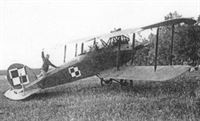
M.Kabatek, Fr.R.Kulczynski - German Aircraft in Polish Service. Volume 2 /Aeronaut/
On 19 October 1920, with combat operations winding down and 4. Eskadra Wywiadowcza preparing to relocate to Torun, Albatros C.XV ("412") was reassigned to 12. Eskadra Wywiadowcza in Lida. This photo was first published in low quality in the 1933 commemorative book Ku czci poleglych lotnikow ("In Honor of Fallen Airmen"), and the original print has not resurfaced since, making it impossible to produce a version that would reveal more visual detail. It remains unclear why an oversized checkerboard was painted on the tail fin, while the fuselage carried a standard one. (Ku czci poleglych lotnikow, ed. M. Romeyko (Warsaw, 1933), 111.)
-
M.Kabatek, Fr.R.Kulczynski - German Aircraft in Polish Service. Volume 2 /Aeronaut/
Close-up of the starboard side of Albatros C.XV ("413") fuselage. Like other aircraft of this type in Polish service, it was not armed with a forward-firing LMG 08/15 machine gun. The photo was taken in Lida in early 1921. (Mariusz Konarski)
-
M.Kabatek, Fr.R.Kulczynski - German Aircraft in Polish Service. Volume 2 /Aeronaut/
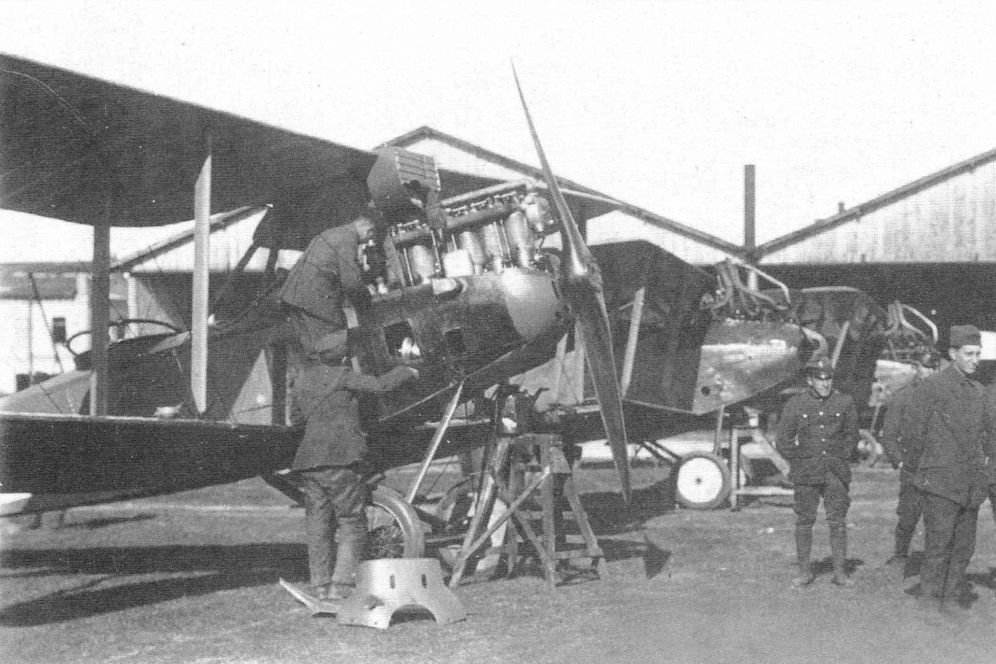
Ground crew of 21. Eskadra Niszczycielska assembling Albatros C.XV ("417") in Ternopil, early October 1920. A factory-applied "Alb. CXV" stencil is visible on the rear fuselage, just above a lighter patch where the original German serial number had been removed. A weight table, listing basic specifications, was painted below the observer's cockpit. The aircraft's paint scheme remains a mystery - it is unclear whether the fuselage was finished in clear-varnished plywood or painted in a camouflage pattern. (The Polish Aviation Museum in Krakow)
-

J.Herris - Albatros Aircraft of WWI. Volume 2: Late Two-Seaters /Centennial Perspective/ (25)
Albatros C.XV aircraft being shipped to Turkey via ship across the Black Sea. Of the 21 aircraft shipped, only two were able to be assembled and flown.
-

J.Herris - Albatros Aircraft of WWI. Volume 2: Late Two-Seaters /Centennial Perspective/ (25)
Turkish C.XV during assembly showing the Turkish markings on fuselage and tail.
-

J.Herris - Albatros Aircraft of WWI. Volume 2: Late Two-Seaters /Centennial Perspective/ (25)
Turkish C.XV after assembly.
-

J.Herris - Albatros Aircraft of WWI. Volume 2: Late Two-Seaters /Centennial Perspective/ (25)
Turkish C.XV after assembly showing the Turkish markings on fuselage and tail.
-

J.Herris - Albatros Aircraft of WWI. Volume 2: Late Two-Seaters /Centennial Perspective/ (25)
Both Turkish C.XVs are shown in this view.
-

J.Herris - Albatros Aircraft of WWI. Volume 2: Late Two-Seaters /Centennial Perspective/ (25)
This view shows the markings detail on the fuselage of a Turkish C.XV. The national markings would have been the red square adopted after the war.
-

J.Herris - Albatros Aircraft of WWI. Volume 2: Late Two-Seaters /Centennial Perspective/ (25)
Turkish C.XV with staff.
-

J.Herris - Albatros Aircraft of WWI. Volume 2: Late Two-Seaters /Centennial Perspective/ (25)
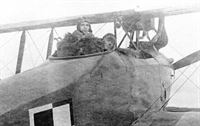
Colorfully-marked Albatros C.XV number 8 in Lithuanian service gets inspected by the brass. (Peter M. Grosz Collection/SDTB)





-
M.Kabatek, Fr.R.Kulczynski - German Aircraft in Polish Service. Volume 2 /Aeronaut/
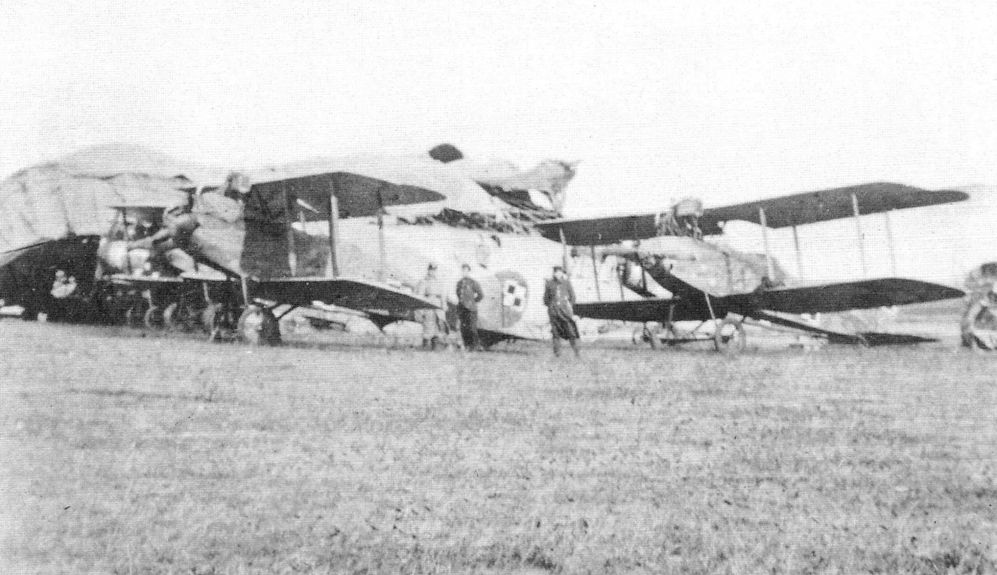
Albatros C.XV aircraft of 21. Eskadra Niszczycielska in Ternopil. On the left is a tent hangar destroyed by a strong gust of wind on 22 January 1921. Among the aircraft housed inside were Albatros C.XV"408", "418", and "422", all of which sustained serious damage. (Tomasz J. Kopanski)
-
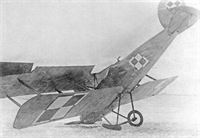
M.Kabatek, Fr.R.Kulczynski - German Aircraft in Polish Service. Volume 2 /Aeronaut/
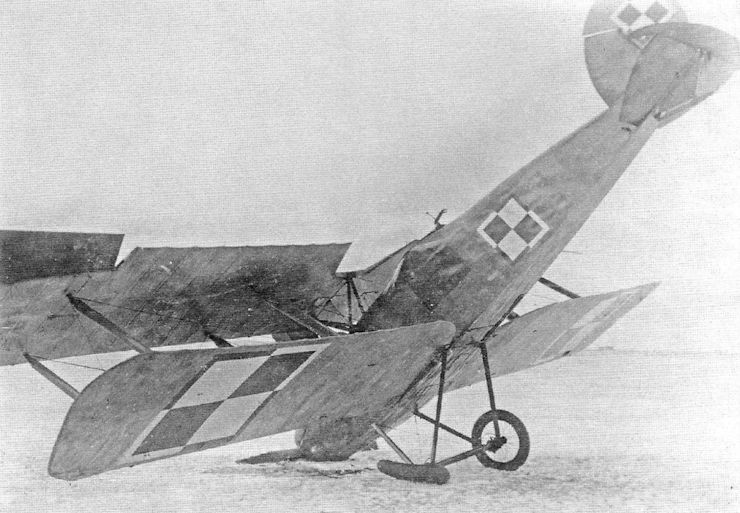
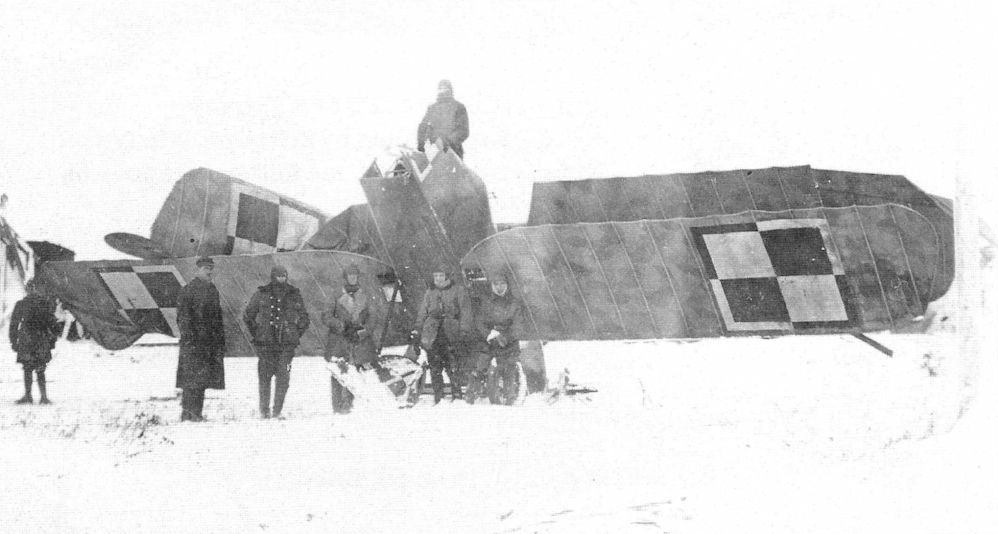
After serving with 8. Eskadra Wywiadowcza, Albatros C.XV ("413") was transferred to 3. Pulk Lotniczy. It remained in use as a trainer until the winter of 1926, when it was damaged in an accident at Lawica. The crew - por. pil. Stanislaw Pawluc and por. obs. Stefan Korcz - escaped uninjured. At the time, the aircraft still carried a slightly modified version of its original factory paint scheme. On the rear fuselage, the original "Alb. CXV" stencil from the production line was still visible, with the number "413" added later. (Tomasz J. Kopanski)
-

M.Kabatek, Fr.R.Kulczynski - German Aircraft in Polish Service. Volume 2 /Aeronaut/
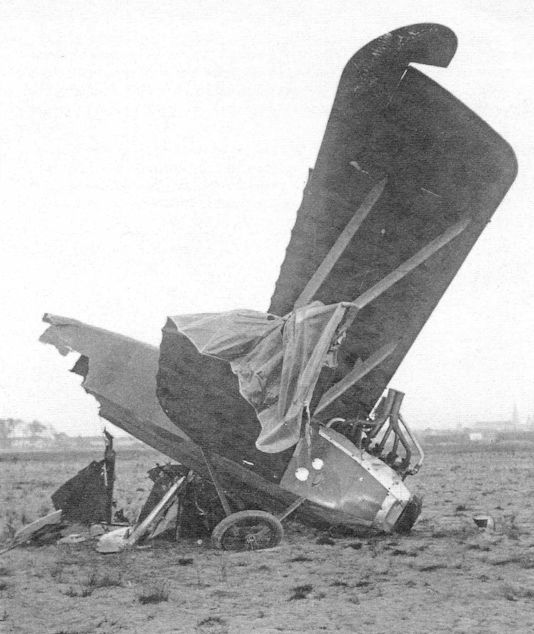
Albatros C.XV ("417") was lost in an accident in Lviv on 1 November 1920. Surviving records indicate that pilots from 15. Eskadra Mysliwska were deemed responsible, though the exact circumstances remain unclear. On the right side of the photograph, traces of the underlying Balkenkreuz marking can be seen around the edges of the Polish checkerboard. (The Polish Aviation Museum in Krakow)
-
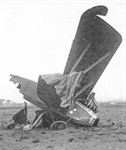
M.Kabatek, Fr.R.Kulczynski - German Aircraft in Polish Service. Volume 2 /Aeronaut/
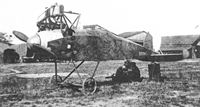
Distinguishing features of Albatros C.XV ("417") included a white rudder - seen here resting on the ground to the left - and an unpainted metal engine cowling and spinner, both left in their natural finish. While this photograph does not provide conclusive evidence of the fuselage paint scheme, it suggests that the aircraft may have been finished in a camouflage pattern rather than clear-varnished plywood. (Wojciech Sankowski)
-
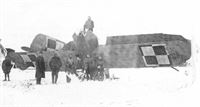
M.Kabatek, Fr.R.Kulczynski - German Aircraft in Polish Service. Volume 2 /Aeronaut/
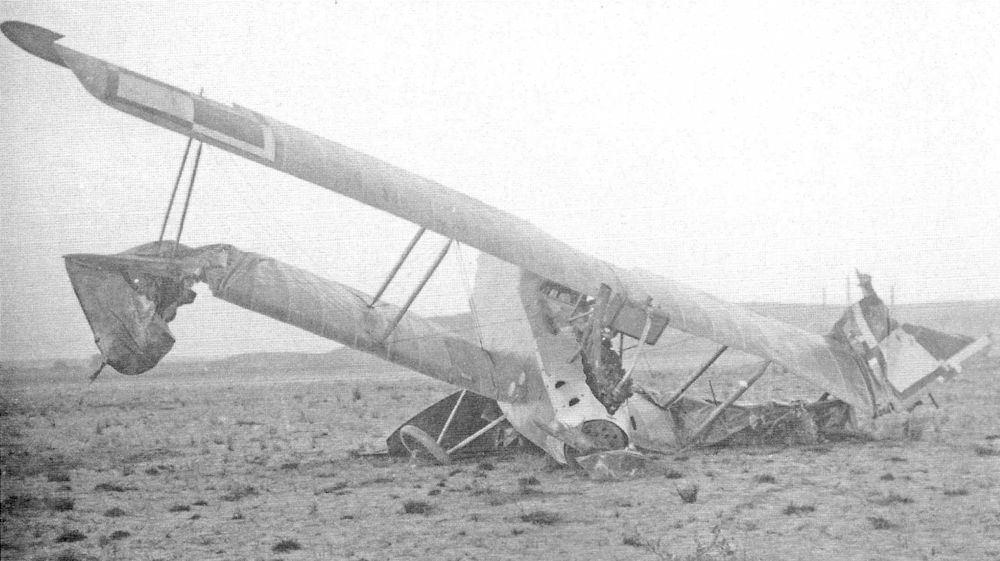
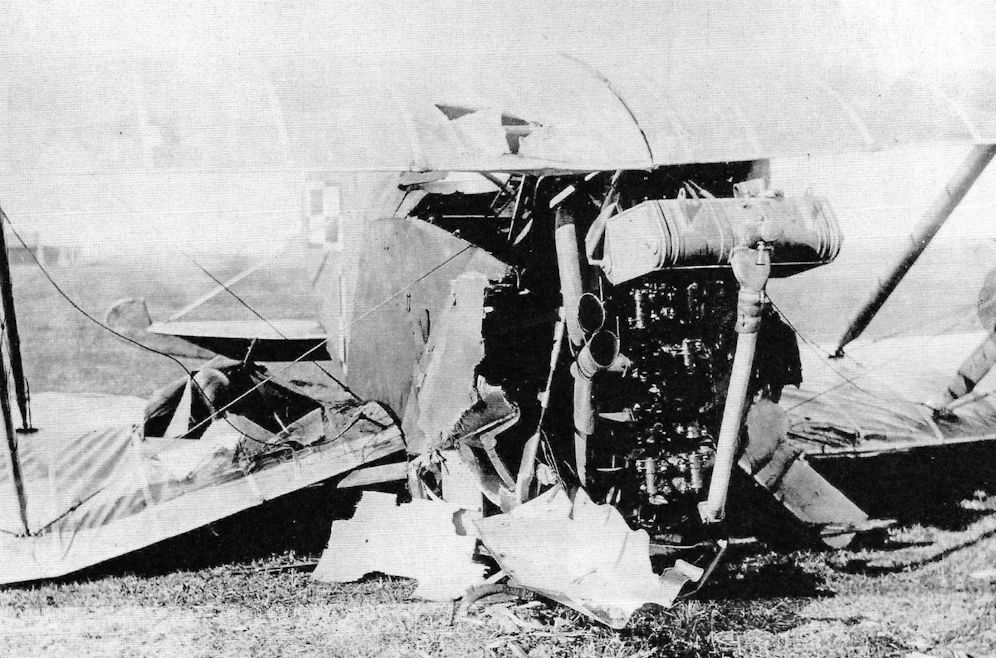
Albatros C.XV ("420") after the accident in Ternopil on 30 January 1921. A strong gust of wind lifted the aircraft into the air, and the resulting impact with the ground broke the fuselage in half and caused severe damage to the wings. Later that same day, it was returned to Lawica and subsequently scrapped. The wings of Polish Albatros C.XV aircraft were covered with printed fabric known as Flugzeugstoff. (The Polish Aviation Museum in Krakow)
-
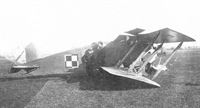
M.Kabatek, Fr.R.Kulczynski - German Aircraft in Polish Service. Volume 2 /Aeronaut/
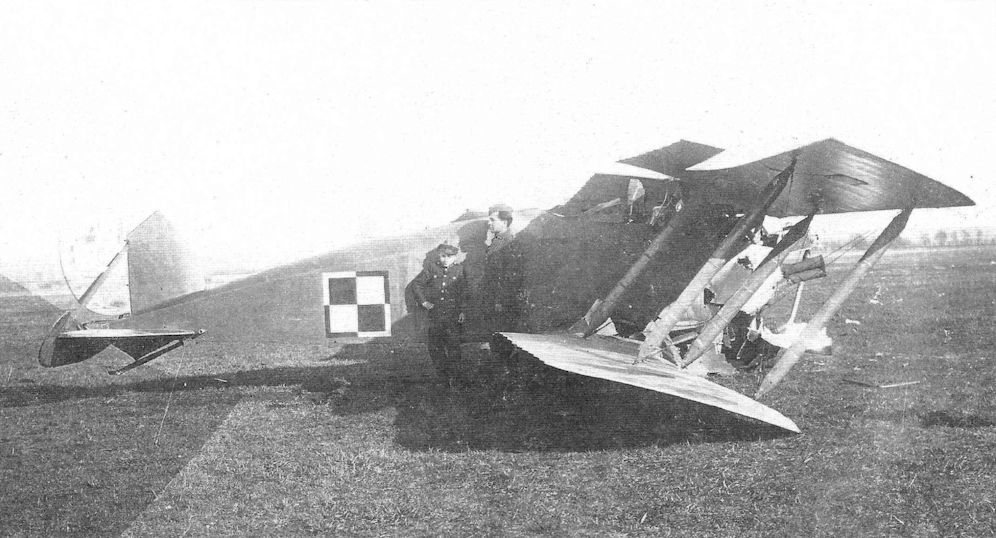
Albatros C.XV "410" was damaged beyond repair in an accident in April 1921. The pilot, pplk pil. Aleksander Serednicki, sustained only minor injuries. Due to different lighting conditions, the fuselage appears noticeably lighter in tone compared to earlier photographs. (The Polish Aviation Museum in Krakow)
-
M.Kabatek, Fr.R.Kulczynski - German Aircraft in Polish Service. Volume 2 /Aeronaut/
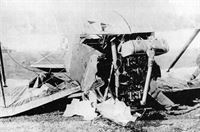
In the spring of 1921, as spare parts for German-built aircraft became increasingly scarce, salvageable components of Albatros C.XV ("410") were carefully recovered and handed over to I Ruchomy Park Lotniczy. Notably, all Albatros C.XV aircraft purchased by Poland were powered by 200 hp Benz Bz.IV engines. (The Polish Aviation Museum in Krakow)
-
M.Kabatek, Fr.R.Kulczynski - German Aircraft in Polish Service. Volume 2 /Aeronaut/
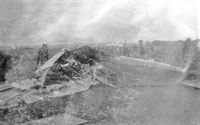
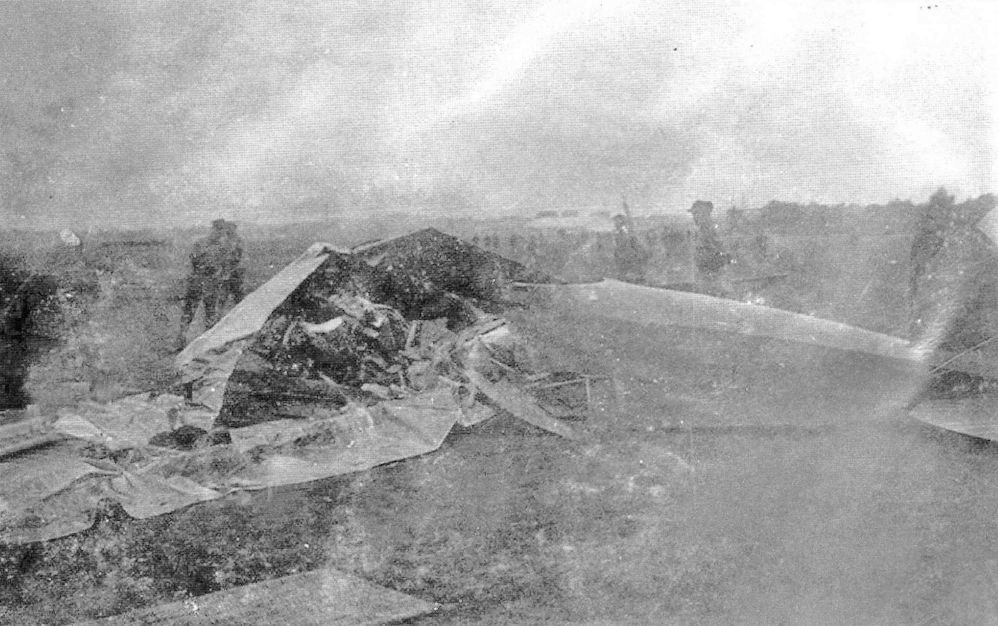
So far, this remains the only known photograph of Albatros C.XV ("409"). The aircraft was lost in a crash on 12 August 1920 in the vicinity of the Warsaw airfield. Both crew members - kpr. pil. Maksymilian Bialogrodzki and plut. obs. Jan Starzynski - were killed. (The Polish Aviation Museum in Krakow)
-

-

J.Herris - Albatros Aircraft of WWI. Volume 2: Late Two-Seaters /Centennial Perspective/ (25)
C.XV recognition chart.
-

-

-

-

-


